A guide to Colombia and its surprises
Some of it will shock you, some of it will amaze you. None of it will leave you indifferent. A must-read if you have plans for Colombia.
Language, fuel, accommodation and airports
- Colombia is the perfect place to learn basic Spanish. Hardly anyone speaks English here; even at tourist information offices it is hard to get by in English. Shocking as it may be, announcements on planes are in Spanish only.
- When you look at the fuel prices displayed at petrol stations, you might well clutch your head. More than 10 złoty! In reality, prices are given per gallon, not per litre, which makes Colombia a country with very cheap fuel. A gallon is almost 4 litres, so a litre of fuel costs less than 3 złoty. There are plenty of car rental companies, mainly at airports.
- In Colombia you need to get used to the fact that the room sizes listed on popular booking sites are significantly... understated. A two-storey apartment may be listed as 7 square metres. In reality, of course, it is much bigger. Does anyone know why? The “Booking” app works well.
- Departure boards at Colombian airports list flights by city rather than by scheduled time. So all the day's departures to Bogotá are grouped together, then Cartagena, then Riohacha. You look for your destination first, then the time and flight number, and only then do you find out which gate you will be boarding from. The country has several airports, distances are long and the roads are congested, so domestic flights are a very good option.
Pesos, flights and car brands
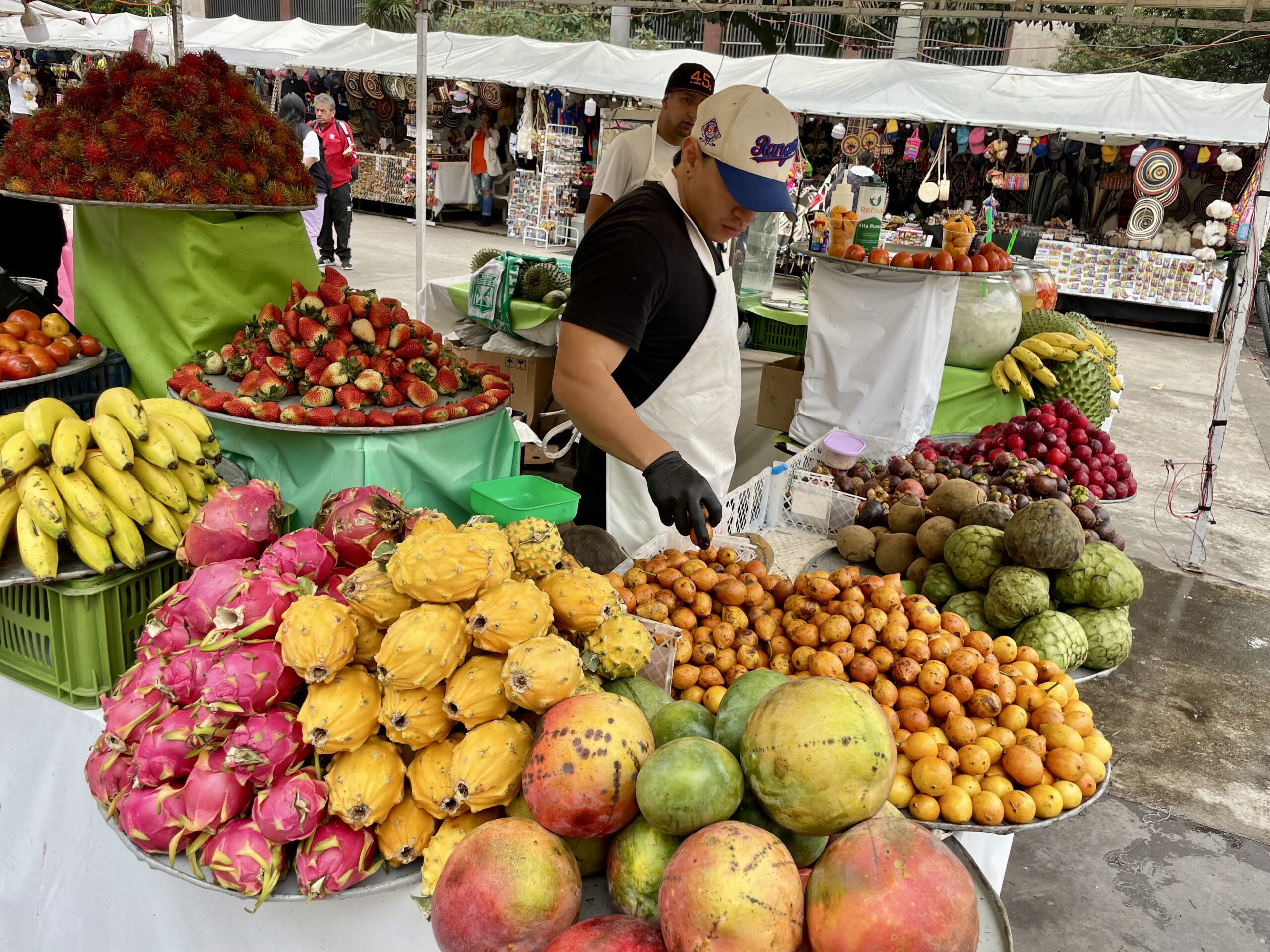
- Most prices in Colombian pesos run into “thousands”. In everyday speech the three zeros are often dropped. When I had to pay for a car wash, I was told the price was 30 pesos. Even though I checked several times what amount he meant, the attendant kept repeating “30 pesos”. When I handed him a few coins (the equivalent of 0.30 złoty), he laughed. Of course he meant 30,000 pesos, or 30 złoty.
- Card payments usually carry an extra 5% charge. At the time of writing, 1 złoty was worth 1,000 pesos. Money is changed at bureaux de change. You usually need your passport. Sometimes the banknotes are... stamped. Apparently this is a way of “authenticating” them.
- When flying to Colombia, you have to show a return ticket before boarding, and departure times are given to the minute, so a plane is scheduled to leave not at 14:30 but at 14:32.
- In Colombia you will find many familiar car brands, but the models on offer have different names. A Chevrolet is often what used to be sold in Poland as a Daewoo, once a popular make there, and a Renault is the car Poles know as a Dacia. There are few Chinese cars and almost no electric ones.
Breakfast, toll roads and Colombian habits
- A Colombian breakfast is always the same: eggs in various forms and bread or arepa (a corn pancake). Only the bedridden drink tea, and coffee is usually served without milk. Fresh fruit usually comes first.
- If you stay overnight in the jungle, don't be surprised to find that the owner keeps peacocks or geese. They eat scorpions and scare off snakes. That way people can feel safe.
- Ordinary roads in Colombia are often tolled. A drive from Cartagena to Riohacha (400 km), for example, will cost you around 125 złoty. NOTE: tolls can only be paid in cash at the booths, and you will come across most of them in the first half of this route. There are lots of speed cameras and the fines are steep. The car rental company will know about your fine before you do.
- Taxis in Colombia are always the smallest model a given manufacturer offers. They are usually tiny Chevrolet Sparks or Hyundai i10s, painted yellow. UBER, well known in Poland, works very well in Colombia.
- Colombians like to start their day very early. They will be surprised if you don't turn up for breakfast at the hotel at 7:00.
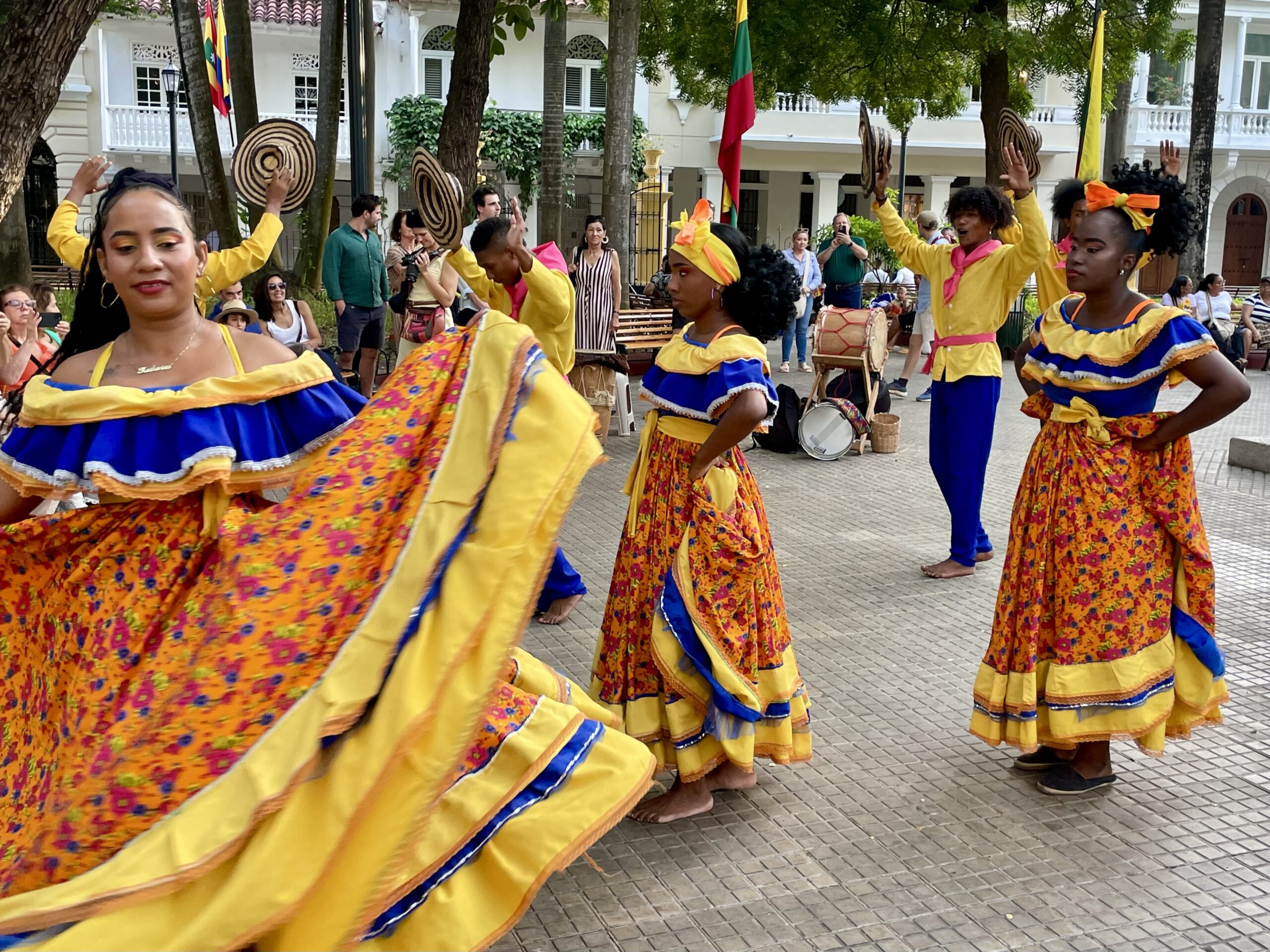
- Colombians love music, and very loud music at that. Latin rhythms are great, but sometimes the speakers are cranked up to full volume.
- In the toilets of many places it is forbidden to throw toilet paper into the bowl. This is no joke. Used paper should be folded up well and thrown into the bin provided, which has a lid. Otherwise you could block the entire drainage system.
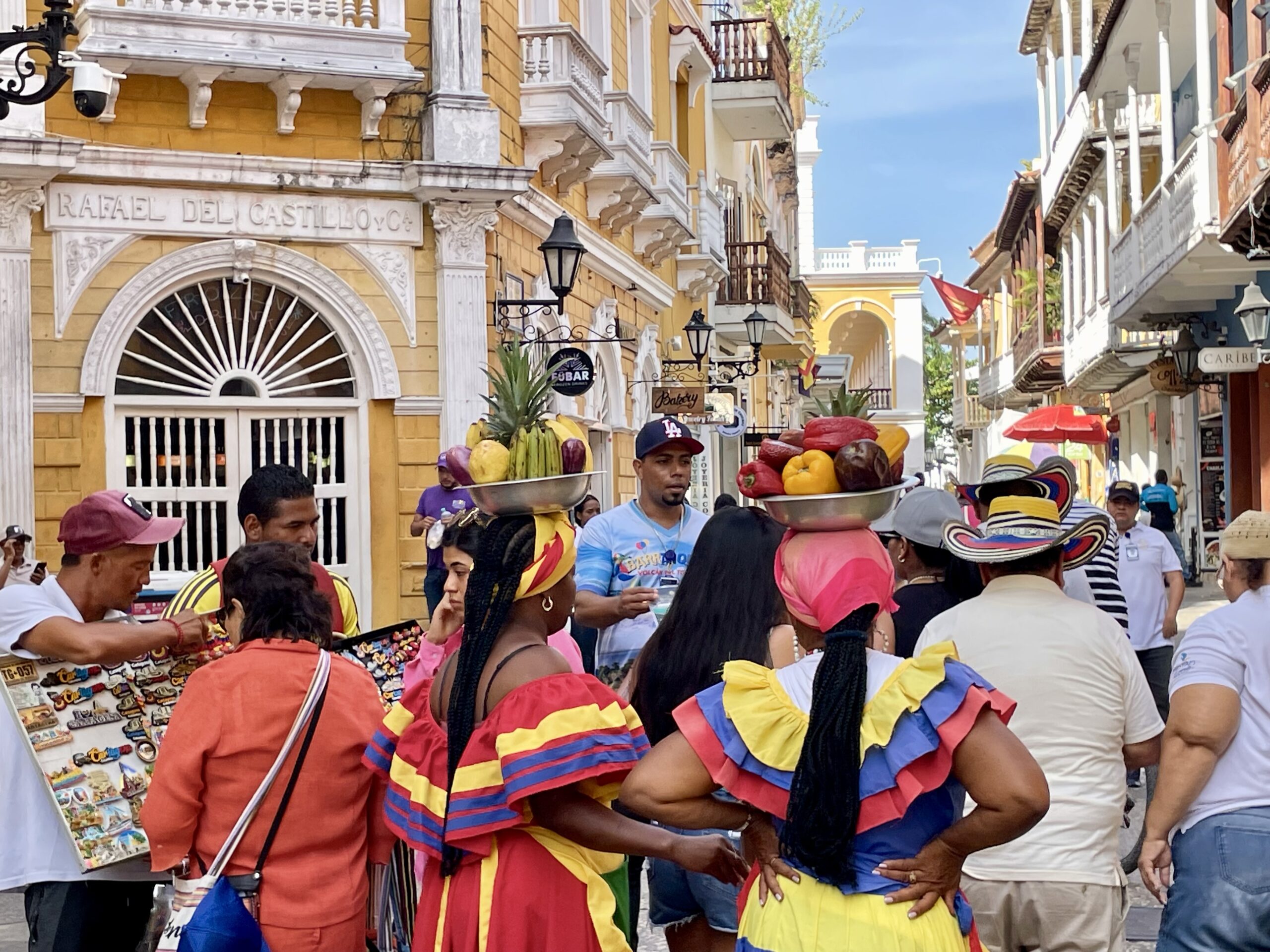
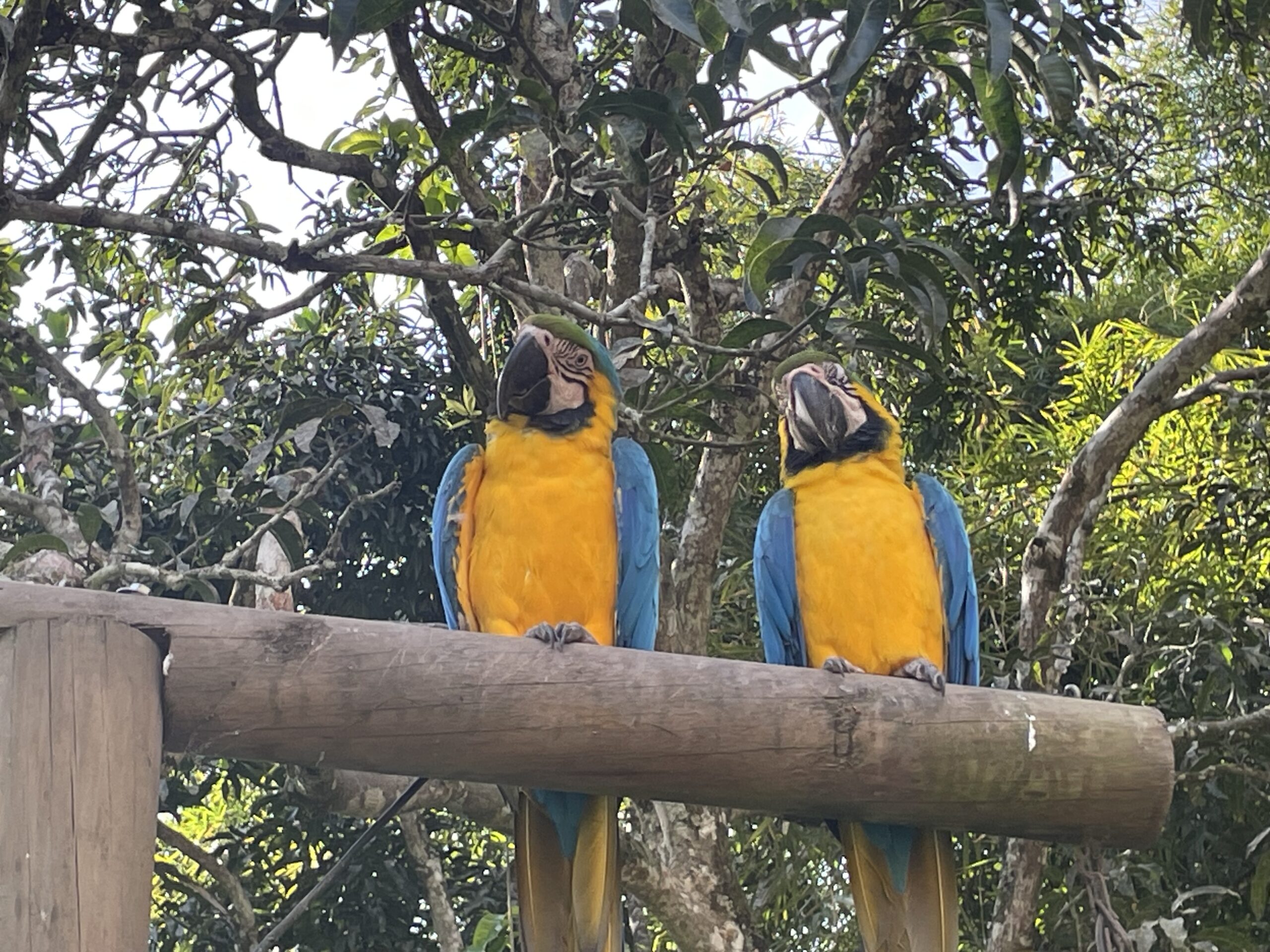
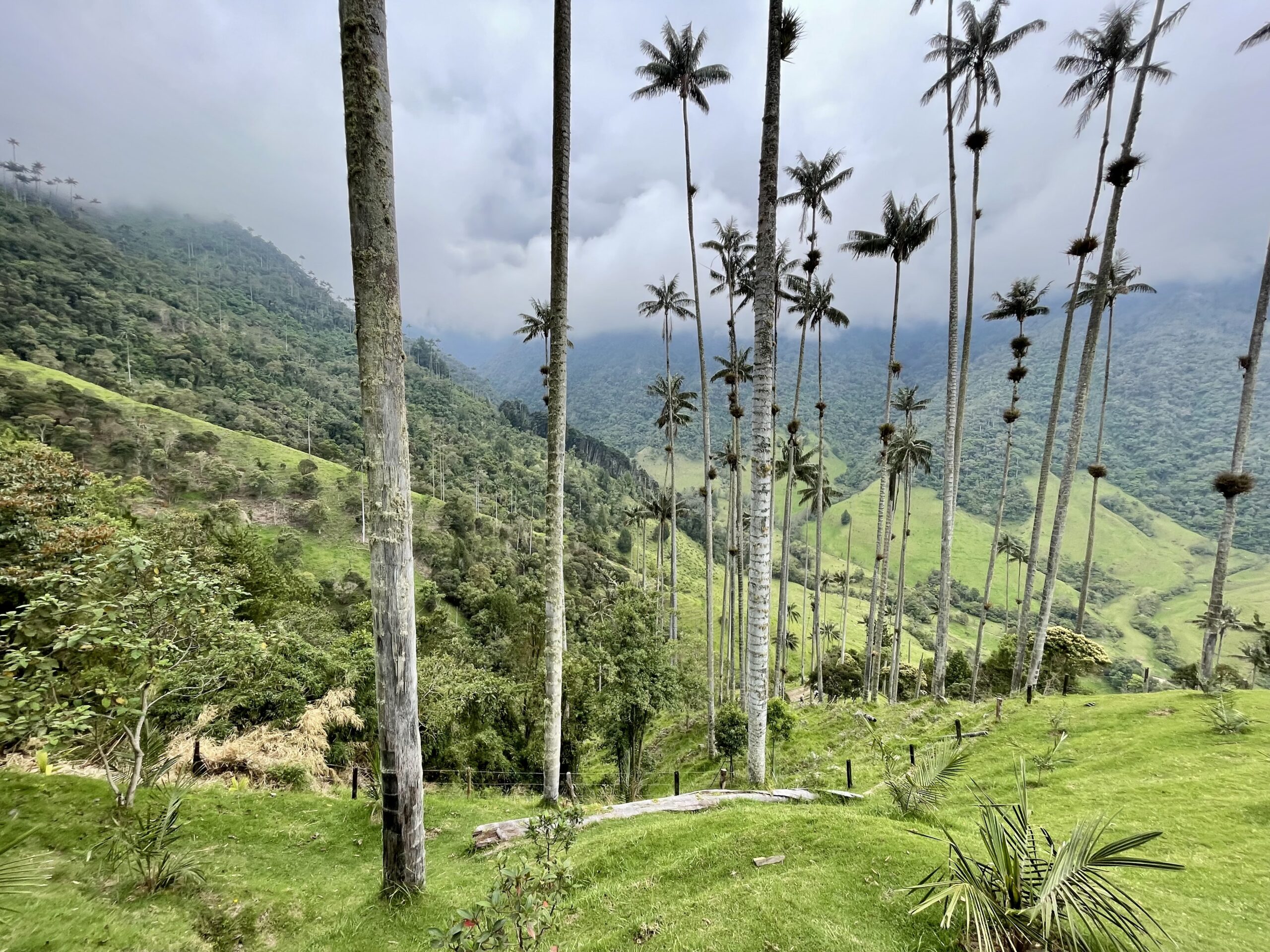
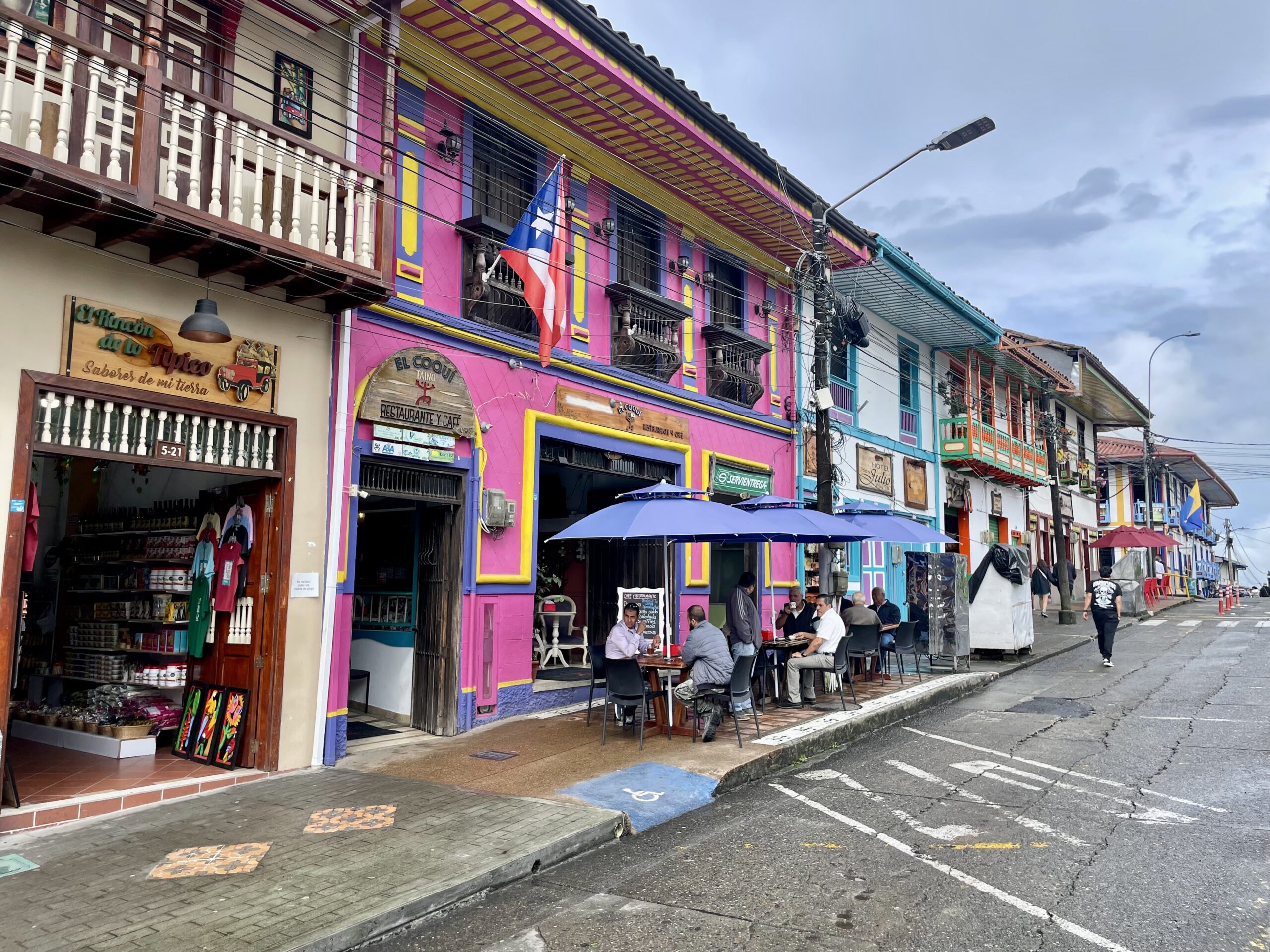
Colombia is a colourful and very diverse country. It has several climate zones. The Caribbean coast is sweltering, while the capital is cool - Bogotá lies at 2,000-3,000 metres. Along the way you will find beautiful landscapes and wonderfully colourful birds. The food is good, and the infrastructure is ready for tourists. Colombia awaits!