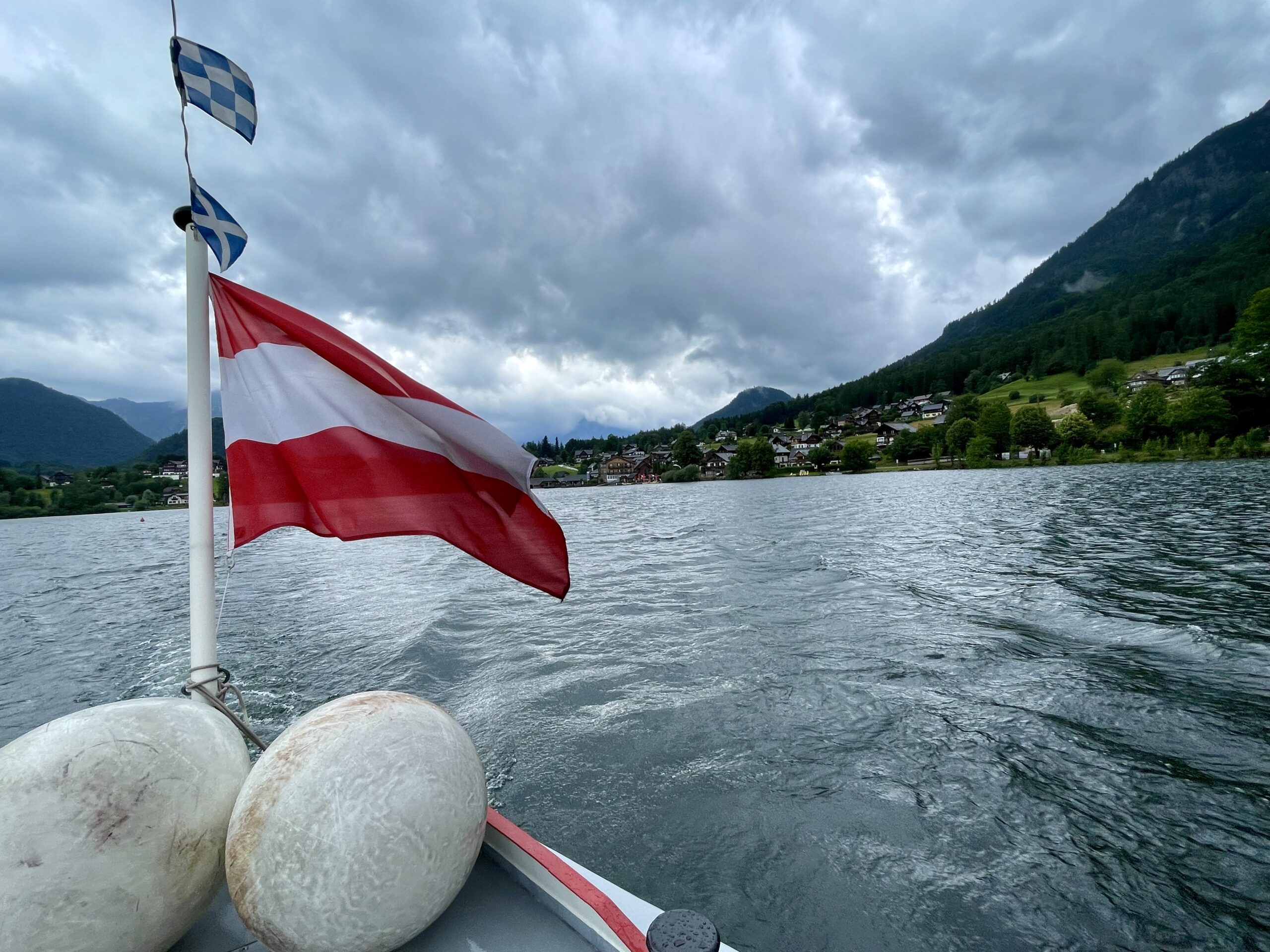
Summer and winter: the two faces of Ausseerland
Ausseerland, part of the Austrian state of Styria, is one of the country's most interesting regions: it combines the rugged beauty of the Alps with the idyllic charm of lakes and mountain meadows. It is an ideal holiday destination for anyone looking for close contact with nature, peace and quiet and mountain air, but also for active travellers and lovers of local culture. The area works well in winter too, with downhill ski resorts and trails for cross-country skiers.
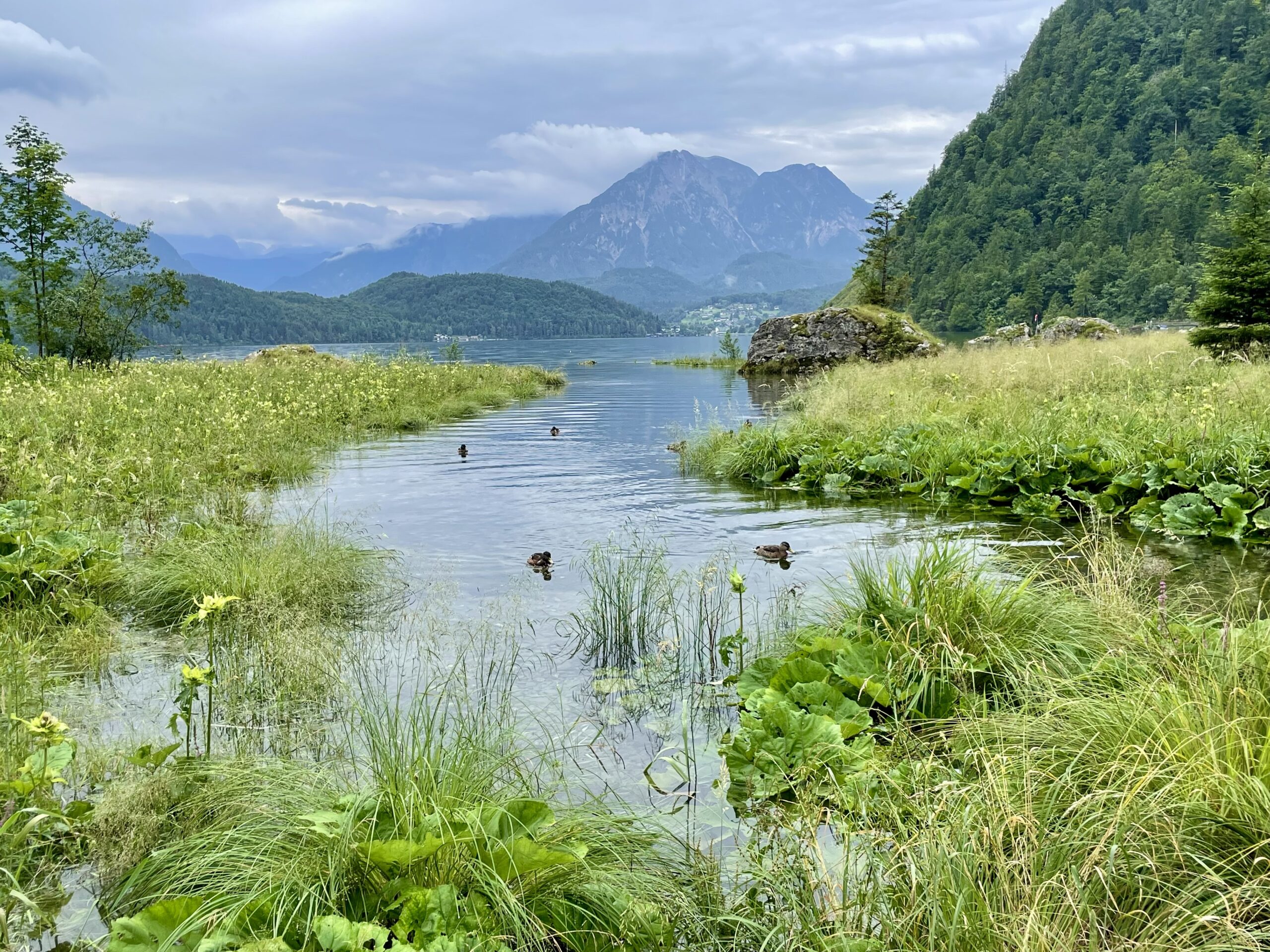
Ausseerland lies in north-western Styria, and its main tourist centres are Bad Aussee, Altaussee and Grundlsee. The region is only a few hours' drive from Poland's largest cities: 7 hours from Katowice and 8 hours from Wrocław. It is known for its traditional character, beautifully preserved Alpine architecture and strong cultural identity. It is sometimes called “the heart of Austria”, and that is more than a figure of speech. Precise calculations have shown that the geographical centre of the country lies in Bad Aussee, as a stone monument in the town park records.
Grundlsee, Toplitzsee and Kammersee
A summer trip to the region's three lakes, Grundlsee, Toplitzsee and Kammersee, is a journey through three different worlds. We start with the broad and accessible Grundlsee, continue to the mysterious Toplitzsee and finish at the hidden Kammersee. They are three different stories about nature, history, landscapes and... mysteries that remain unsolved to this day. Grundlsee is the largest lake in Styria, about 6 km long and surrounded by mountains. It feels more “open” than the other two lakes, with access to beaches, hotels and restaurants. The lake is very clean - trout and pike swim in its waters, and sturdy boats with covered cabins at the stern and bow sail across it. From the landing stage on the far side of Grundlsee you can walk to Toplitzsee in about 20 minutes - there are two picturesque paths, each leading through a different part of the forest.
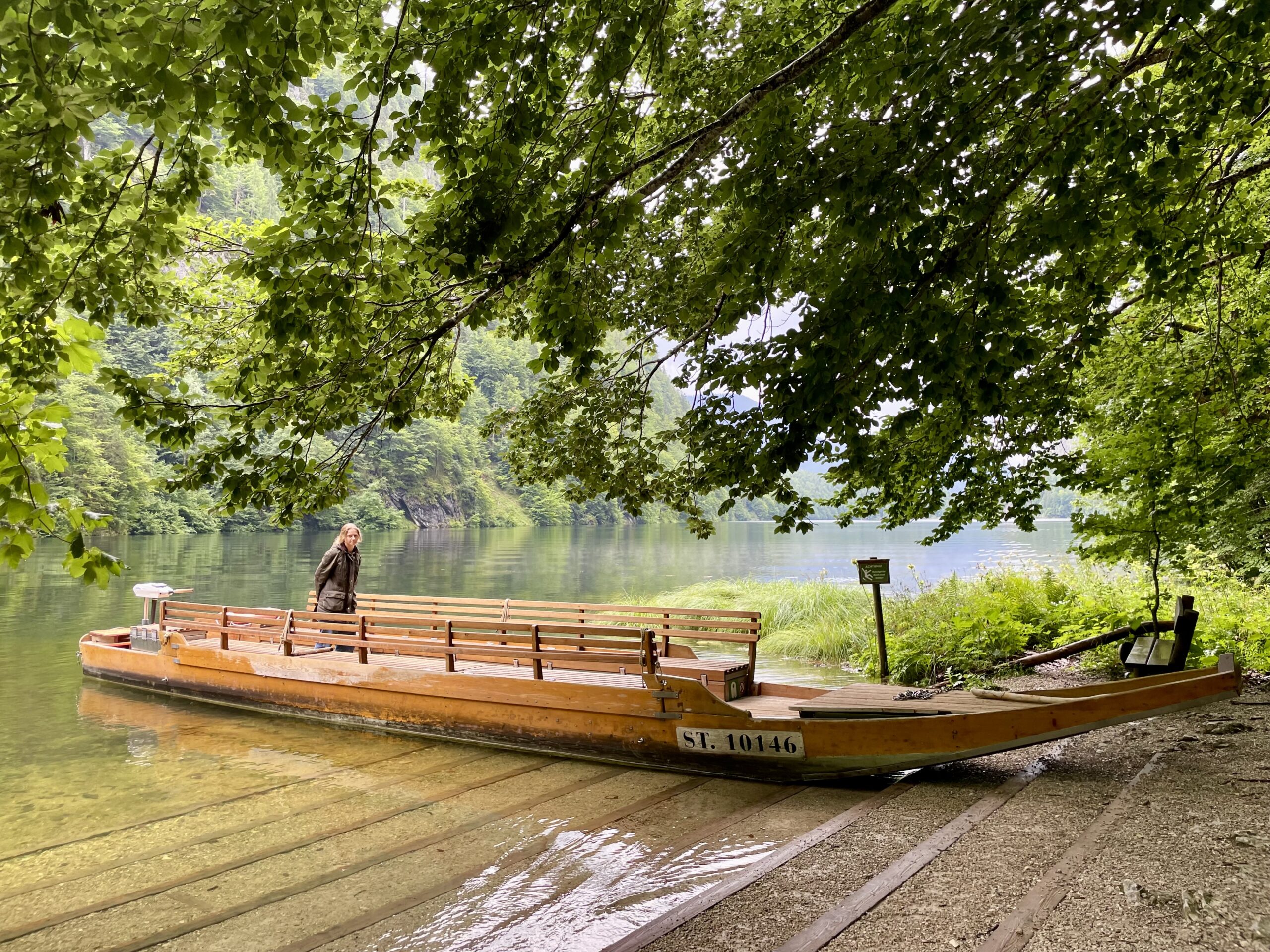
Toplitzsee is a lake shrouded in legend - according to the stories, treasure looted during the Second World War and important documents were hidden in its depths. Because of its exceptional depth (more than 100 metres) and the layered structure of its water - which looks impenetrably black - it remains difficult to explore to this day. What we know for certain is that new generations of torpedoes were tested here in strict secrecy, and that this is where an attempt was made to hide millions of counterfeit British pounds. At the Toplitzsee landing stage we change to a small wooden boat with an electric motor. After passing two tall and remarkably picturesque waterfalls, we reach the other end of the lake. Right by the landing stage stands the Fischerhütte inn - an atmospheric place for lunch, with fish served straight from the lake. Once we reach the far end of Toplitzsee, a five-minute climb through the forest and over rocks awaits, and then Kammersee suddenly comes into view. It is a small, almost fairy-tale lake at the foot of bare, vertical rock faces. After seeing Kammersee you return the same way - first by boat across Toplitzsee (the boat waits for 20 minutes), then on foot to Grundlsee and by boat back to the landing stage where you started. The whole trip takes about 5-6 hours, depending on your pace and the breaks you take.
A walk around Altausseer See
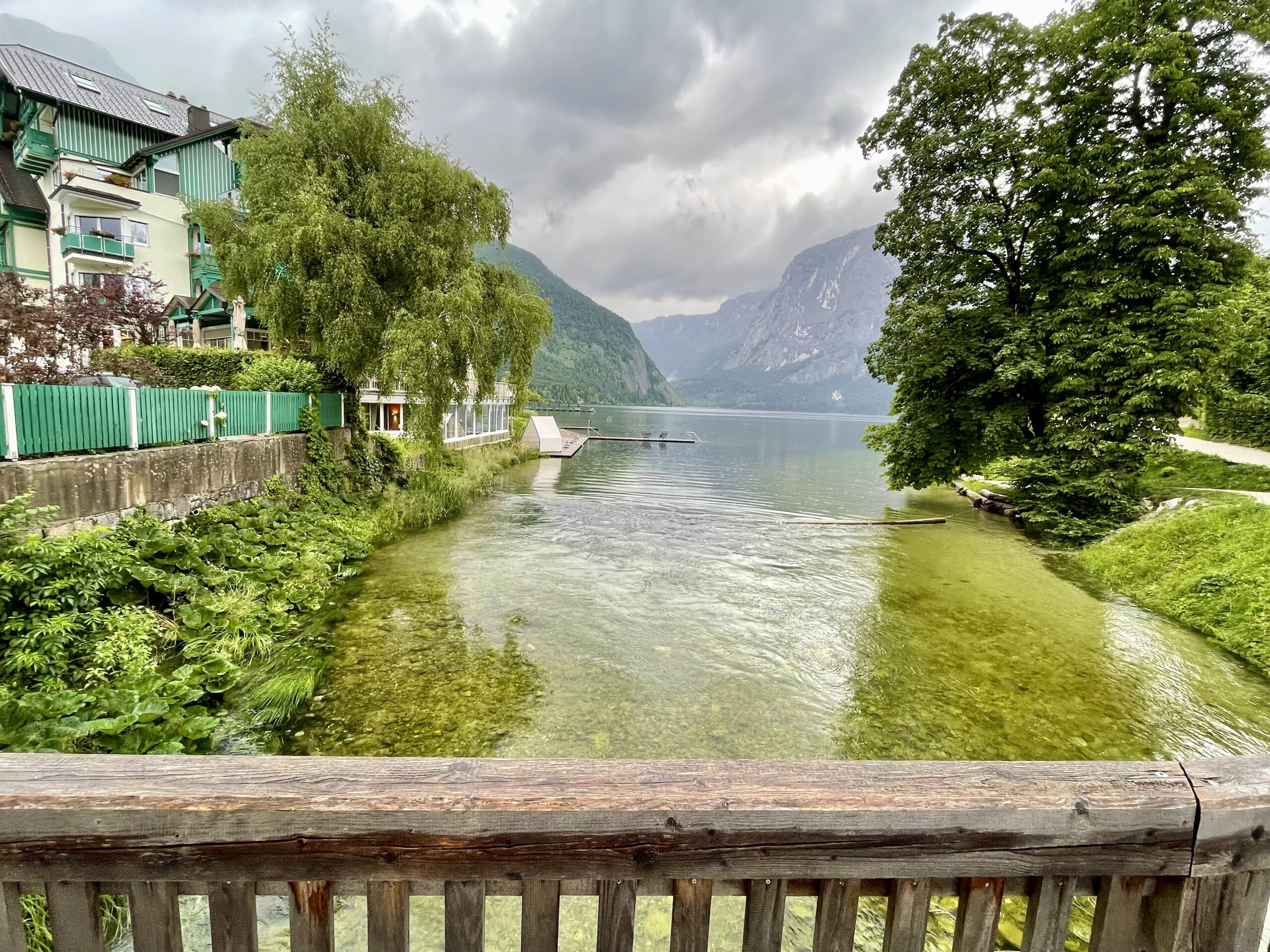
A walk around Altausseer See makes a perfect finale to discovering the beauty of Ausseerland's lakes. The route offers spectacular views of the mountains, the calm surface of the lake and traditional architecture, and gives you a sense of being surrounded by unspoilt nature. The path around the lake is about 7.5 kilometres long and forms a loop. It is an easy, well-maintained walking route suitable for people of all ages - families with children, seniors, runners and cyclists. It takes about 2 hours at a leisurely pace, with stops for photos and to admire the scenery. The western side of the lake is wilder and more wooded, while the eastern and southern sides are easier to reach and busier. Altausseer See tempts you to swim in its natural coves and relax on the shore. The water is cold but very clean.
The Loser Altaussee ski resort
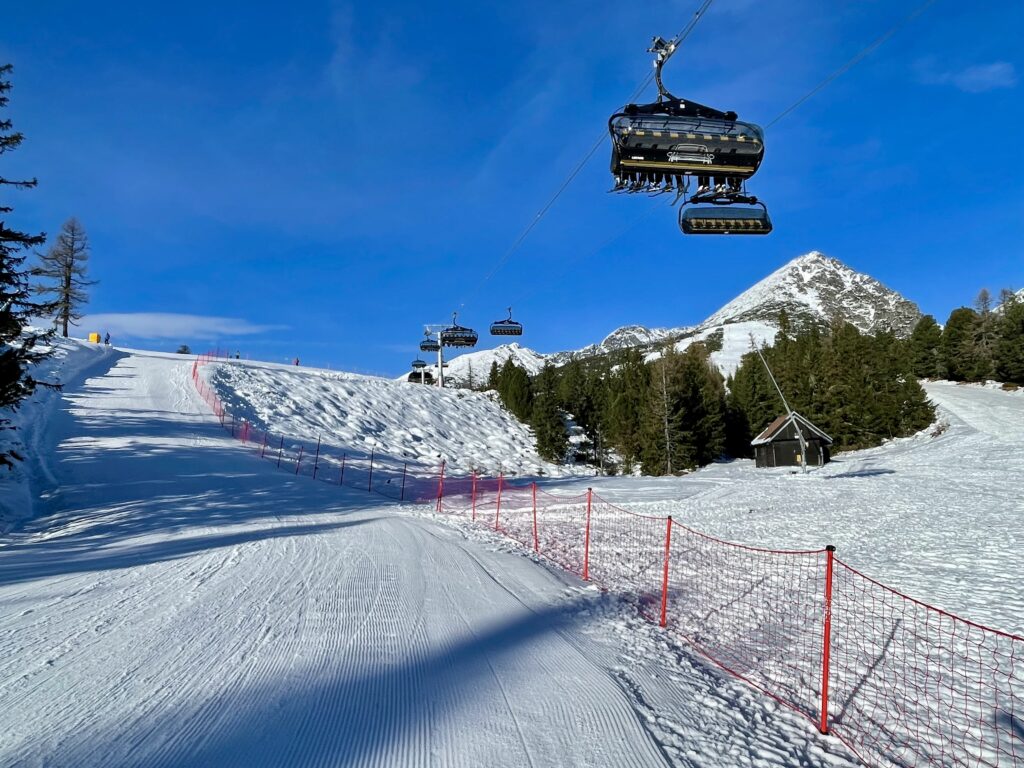
Now let us look at Ausseerland in winter. There are two ski resorts here. The first is “Loser Altaussee”, which lies just under 8 km to the north, a 10-minute drive away. It has 34 km of pistes on slopes between 800 and 1,800 metres above sea level. Next to the lift's valley station there is an equipment hire building that also offers professional ski lessons at reasonable prices. Group lessons for children and teenagers consist of two 2-hour sessions separated by an hour-long lunch break. Each group is accompanied by two instructors. This package - lessons plus lunch - costs 100 euros.
The resort has seen significant investment recently. A new panoramic gondola, designed by Porsche, has been built. Each of its 76 cabins holds 10 people, and the ride up to 1,608 m takes 13 minutes. Soft, padded individual seats make the journey comfortable. The cabins are designed to carry pushchairs and wheelchairs, and bicycles in summer. The quiet-running gondolas use an innovative ventilation system.
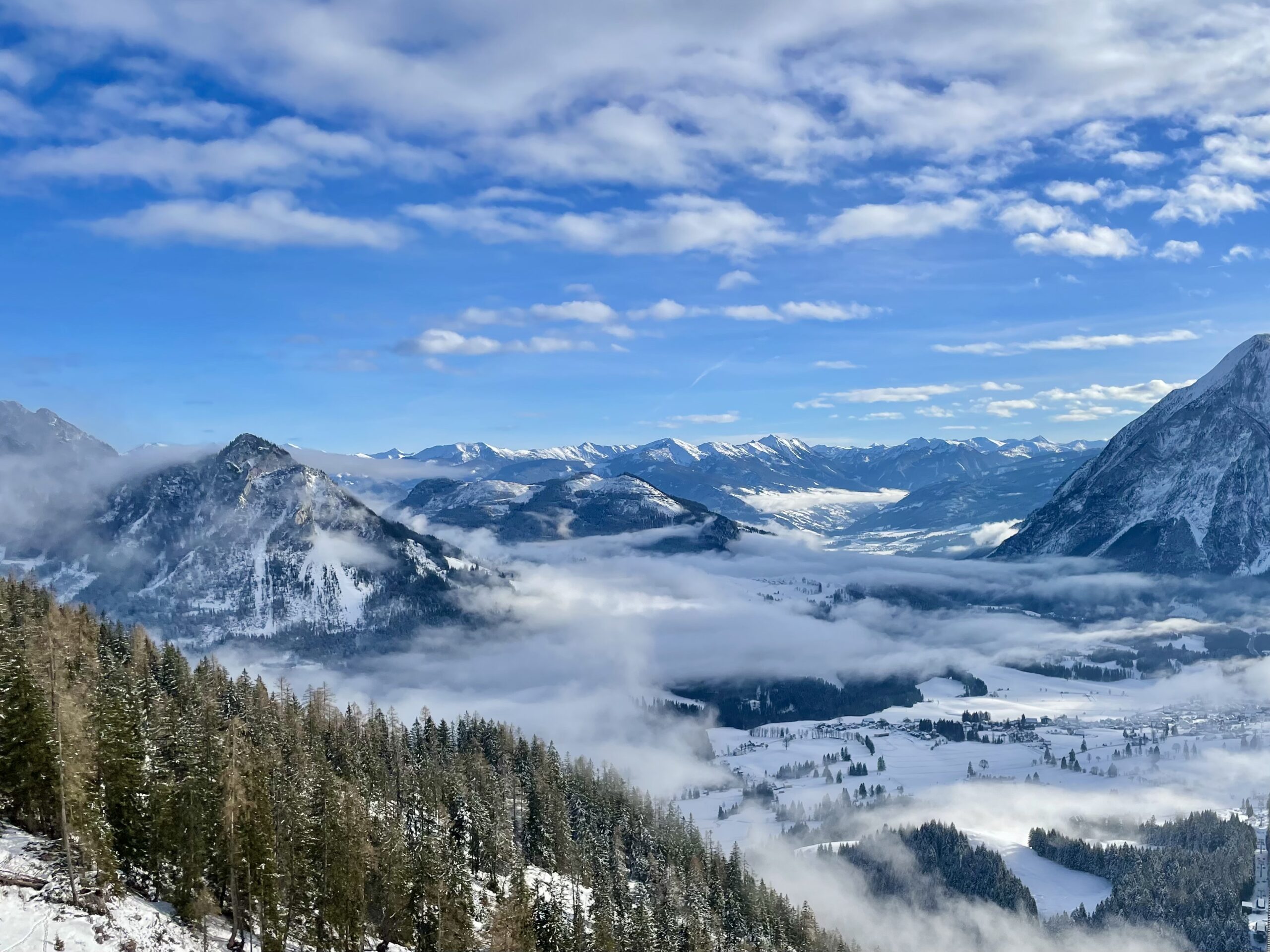
Besides the gondola, there are also chairlifts and T-bar lifts. Particularly recommended for families is an unhurried run down the 7 km Panoramic Road, a route suitable for sledging. Those who want a break from skiing can take a winter hiking trail at an altitude of 1,600 m.
Tauplitz and cross-country trails around Ödensee
“Die Tauplitz” lies a little higher than its sister resort, “Loser” (850-1,965 m above sea level). From Bad Aussee we head east - the resort is 22 km from the town, less than a 20-minute drive. On the way we pass one of the most charming spots in the region: Lake Ödensee, with a well-groomed cross-country ski trail around it. The region has many more cross-country trails; around 200 km of prepared trails of varying difficulty are available. There are also equipment hire shops, for example in Bad Mitterndorf.
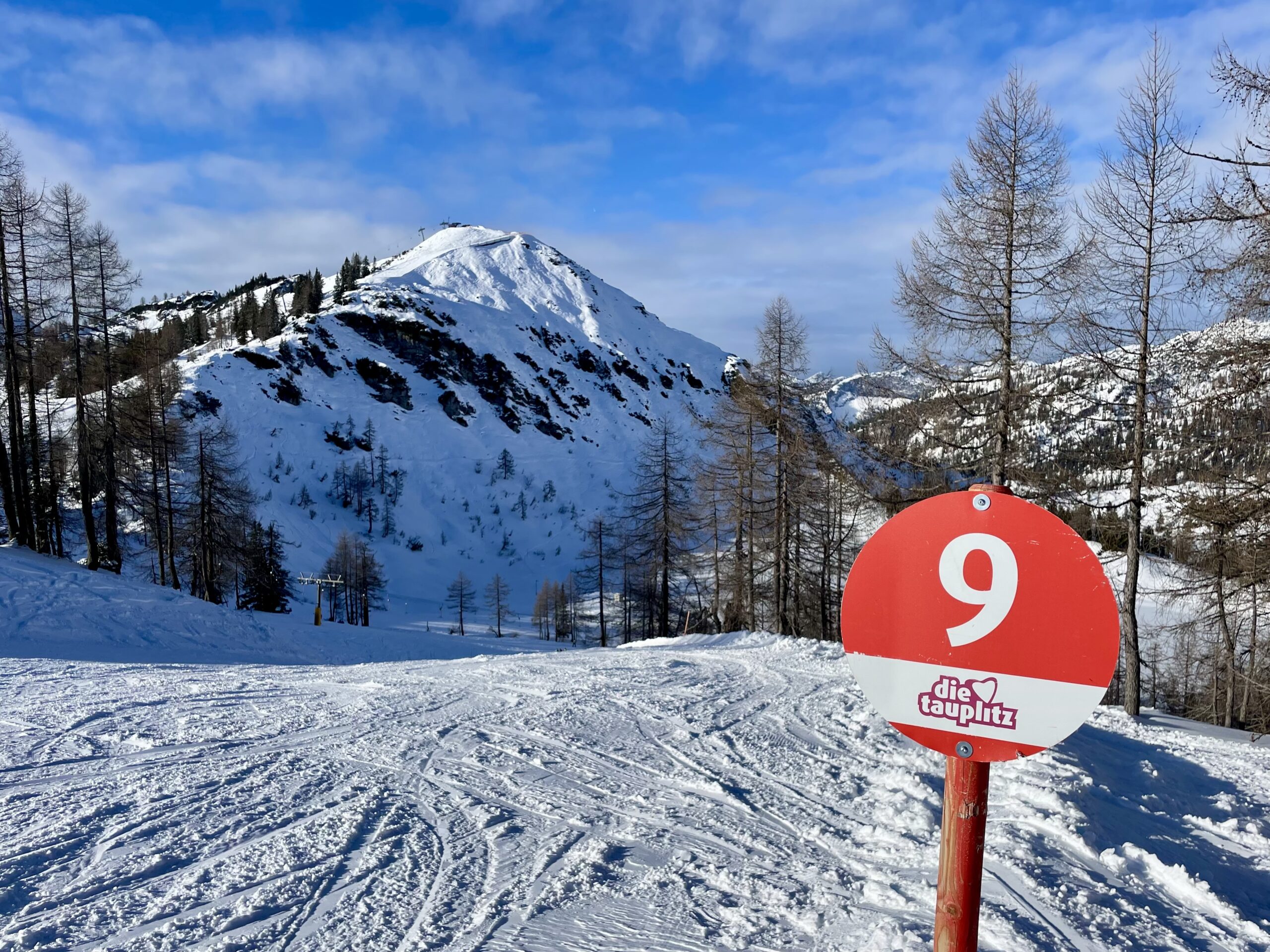
“Tauplitz” has longer pistes than “Loser” (43 km). In total the resort has 17 lifts serving 38 runs. There are 4 ski schools and 4 ski hire shops on site. It is worth adding that children under 6 ride free when accompanied by their parents. Ski storage rooms, restaurants and large car parks complete the infrastructure. Although Ausseerland's resorts offer a full range of skiing facilities, they are significantly cheaper than their better-known counterparts. You save around 14 euros on a day pass.
So who is Ausseerland for? In summer it is an ideal place for lovers of nature and quiet, families with children looking for safe contact with nature, active travellers (trekking, cycling, water sports), people who value authentic Alpine culture, and couples looking for a romantic mountain getaway. In winter it is a place where you can ski to your heart's content at a reasonable price, on modern infrastructure and without the crowds.