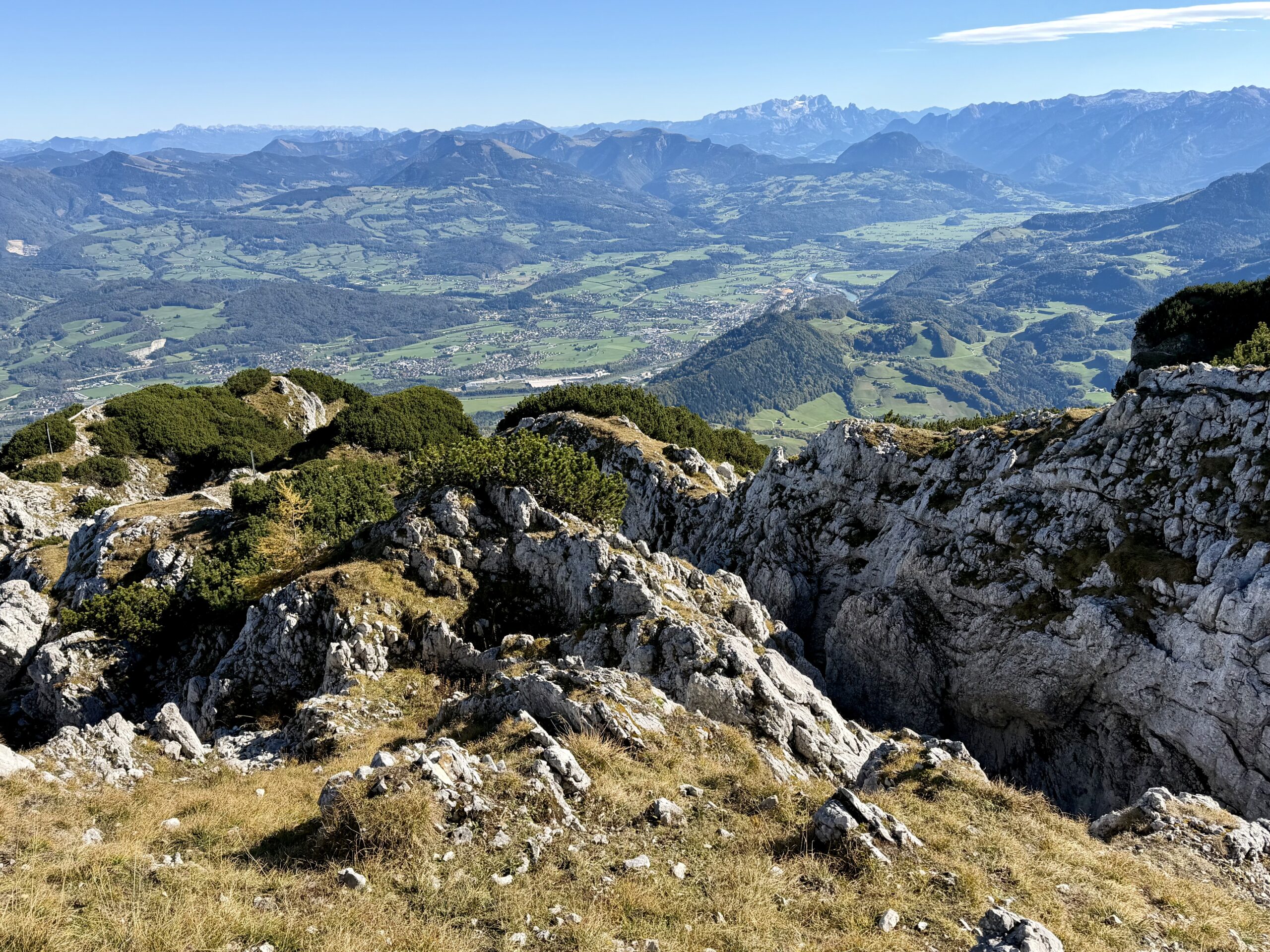
Salzburg - the festival that reveals a new face of a historic city
Historic architecture, musical experiments, world-class artists and concerts in places you would never expect from a traditional festival. For more than a quarter of a century, Salzburg has been proving that it can combine a rich cultural heritage with a contemporary programme for audiences of all ages. The Jazz&theCitysounds festival is one of the best examples of how a historic city can become a space for living, contemporary culture.
Old town, new sounds
Salzburg is associated above all with Wolfgang Amadeus Mozart, baroque churches, grand squares and historic townhouses. It is one of the most beautiful cities in Austria, and its historic centre has drawn visitors from all over the world for years. Yet behind the city's classic image there is also a dynamic cultural scene, open to new trends, artistic experiments and audiences looking for less obvious experiences.
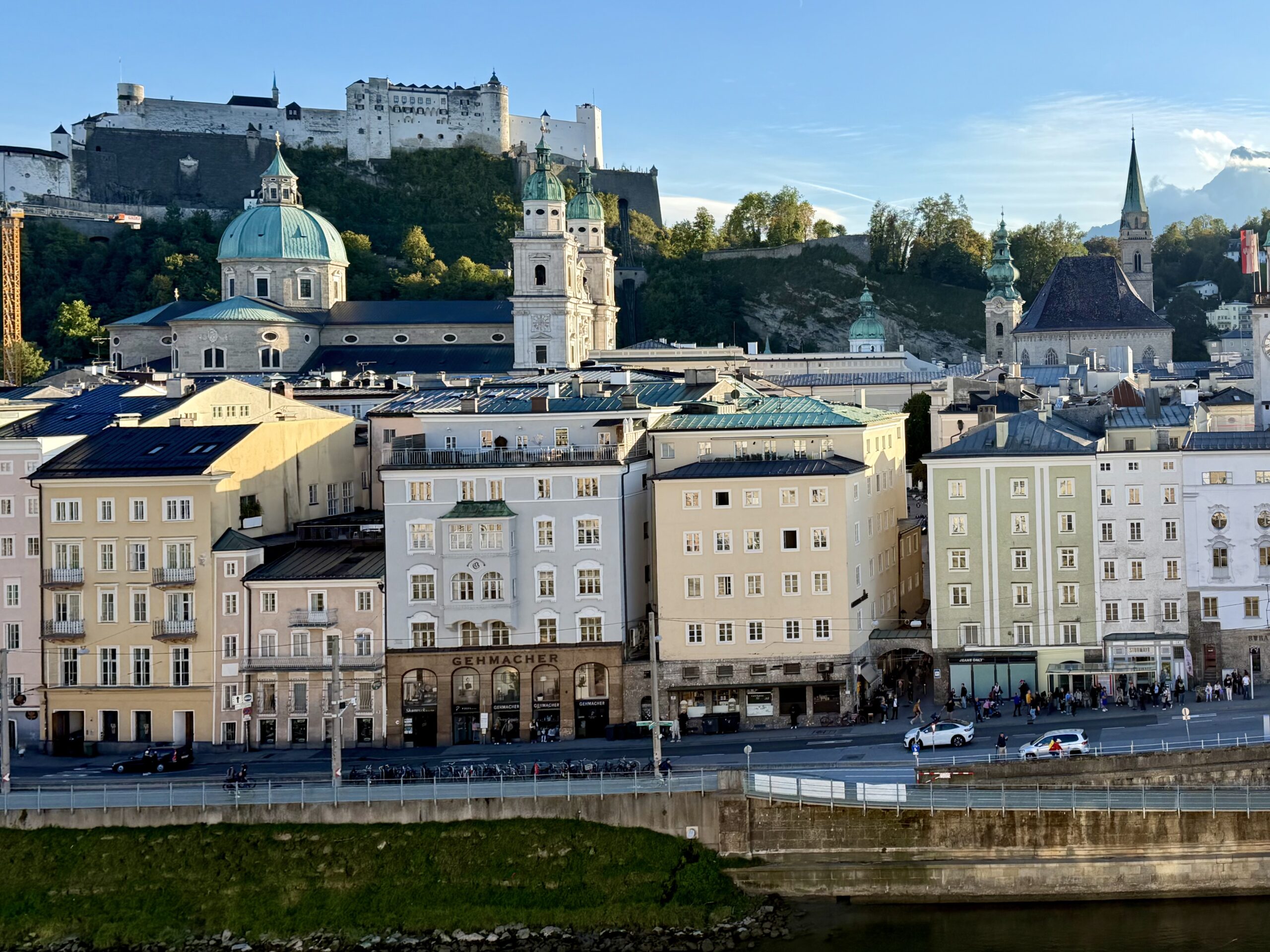
An important part of this offer is the Jazz&theCitysounds festival, which has been held for more than 25 years. For a few days every autumn, it turns the old town into a sprawling music stage where jazz meets improvised music, electronica, soul, folk and many other genres. And it is not only about the concerts. The essence of the event lies in freely crossing the boundaries between styles, cultures and forms of artistic expression.
In recent years the festival has gone through successive stages of development while keeping its most important trait: openness. The 2024 edition emphasised the community spirit of the event, 2025 brought the 25th anniversary edition and around 25,000 listeners, and in 2026 the festival positioned itself as a counterpoint to dehumanised music made with artificial intelligence.
2024: “This is us!” - music that brings people together
For the 2024 edition, the organisers chose the motto “This is us!”. The programme featured around 100 Austrian and international artists, 20 venues and 70 events. All the concerts were free, which underlined the idea of an open festival, welcoming both seasoned jazz-goers and people who were only just discovering the genre.
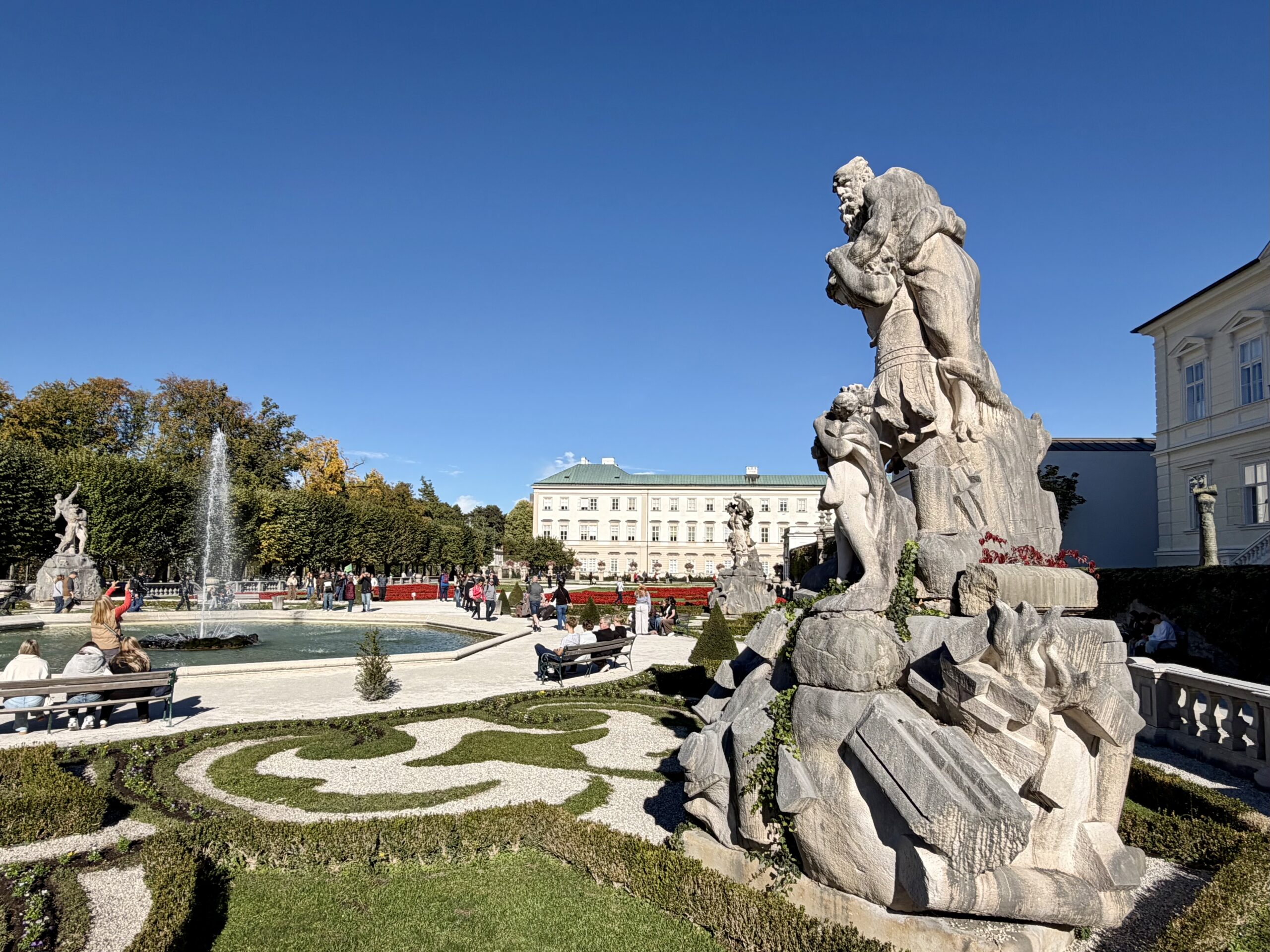
The diversity of the programme was particularly important. Jazz was its starting point, but under the banner “Music unlimited” the artists were given wide freedom of interpretation. In practice, this meant room for musical exploration, for combining different traditions and for projects that went beyond the classic idea of a jazz concert.
Anastasia Wolkenstein, the programme manager at the time, stressed that jazz means openness above all. This approach was reflected in a line-up that paired established performers with young, promising artists whose work could also appeal to listeners searching for new directions in music.
The city itself mattered too. Concerts were not confined to traditional halls. Music turned up in clubs, museums, townhouses and other spots around the historic centre. Salzburg was therefore not merely a picturesque backdrop for the festival: its architecture and urban character helped to shape the artistic experience.
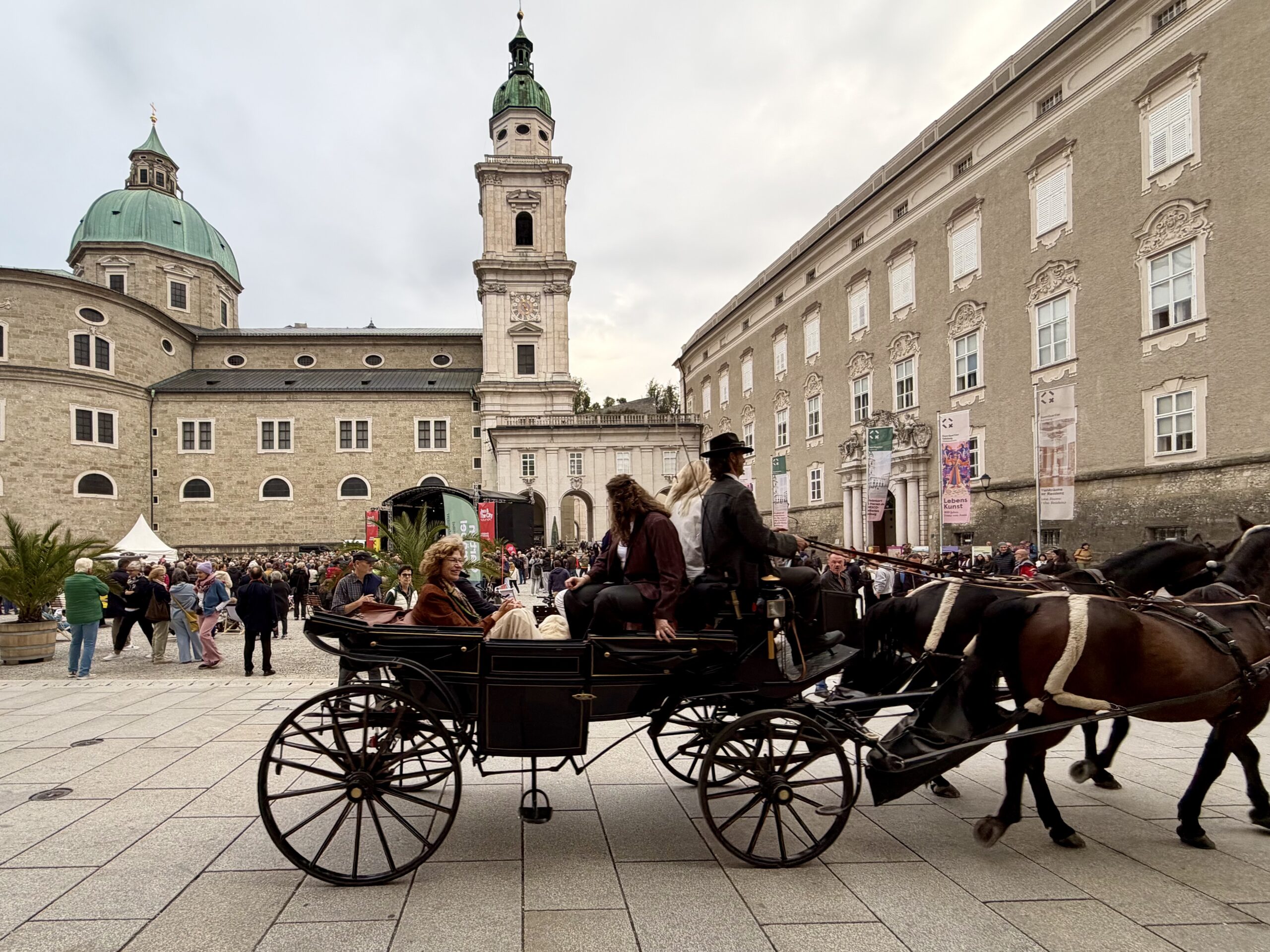
This approach made it possible to discover the city anew. Familiar squares and historic interiors gained an extra dimension, and visitors could combine sightseeing with events that require neither specialist musical knowledge nor any preparation.
2025: 25,000 listeners and the 25th edition of the festival
2025 confirmed that the festival's formula meets the needs of a broad audience. The 25th anniversary edition attracted around 25,000 listeners. The programme featured some 100 artists and 70 concerts spread across 20 venues.
One of the event's greatest strengths was the variety of its venues. Besides squares, churches, museums and concert halls, music rang out in an old printing works, a monastery, a city park and even an underpass. As a result, the festival had no single main stage, and festivalgoers moved from one concert to the next, discovering lesser-known corners of Salzburg along the way.
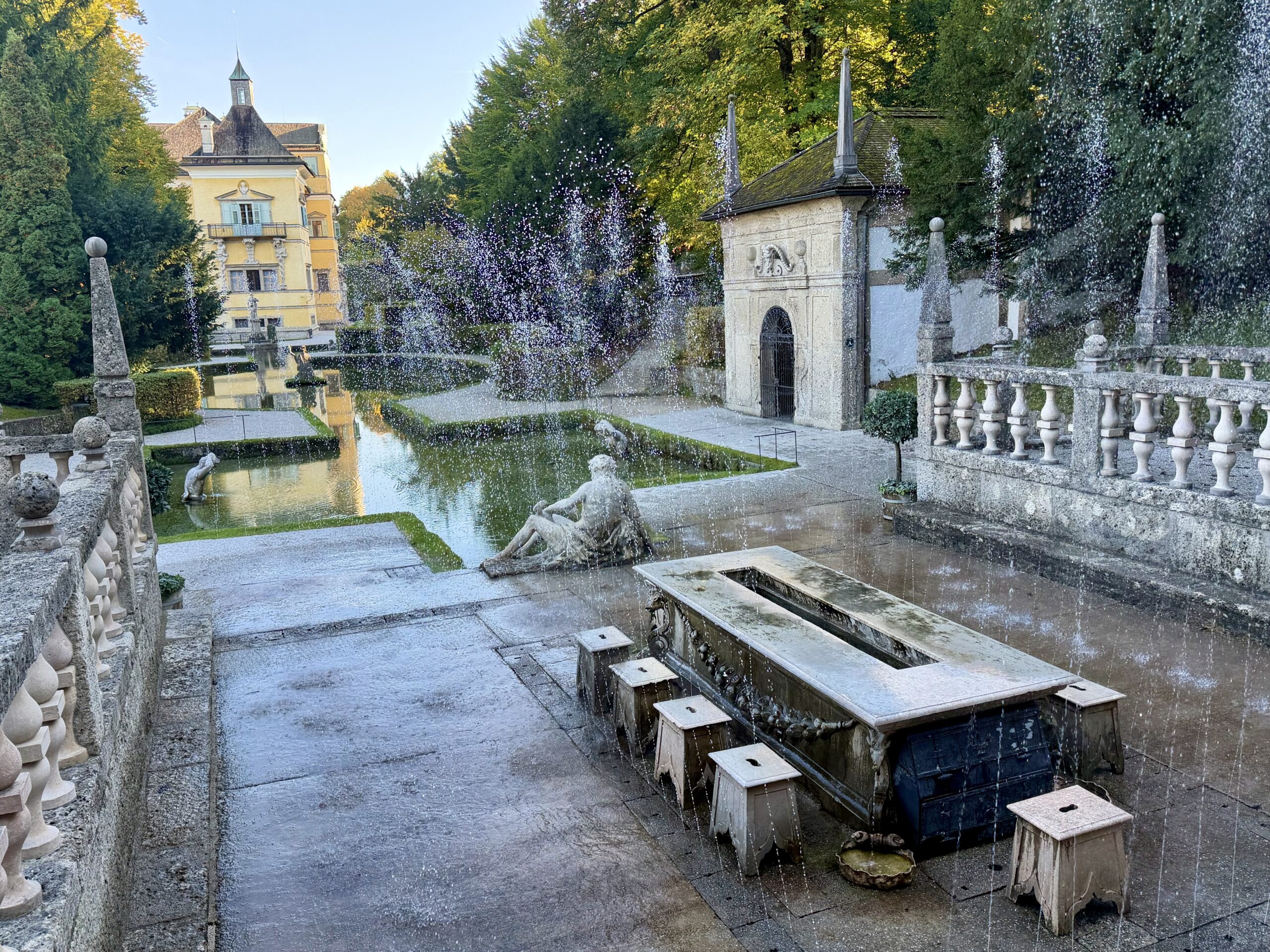
This format changed the way people engaged with culture. Instead of heading to a single performance at a set venue, you could treat the whole city as a musical map. A stroll around the old town became part of the festival, and a concert stumbled upon by chance could turn out to be one of the highlights of the evening.
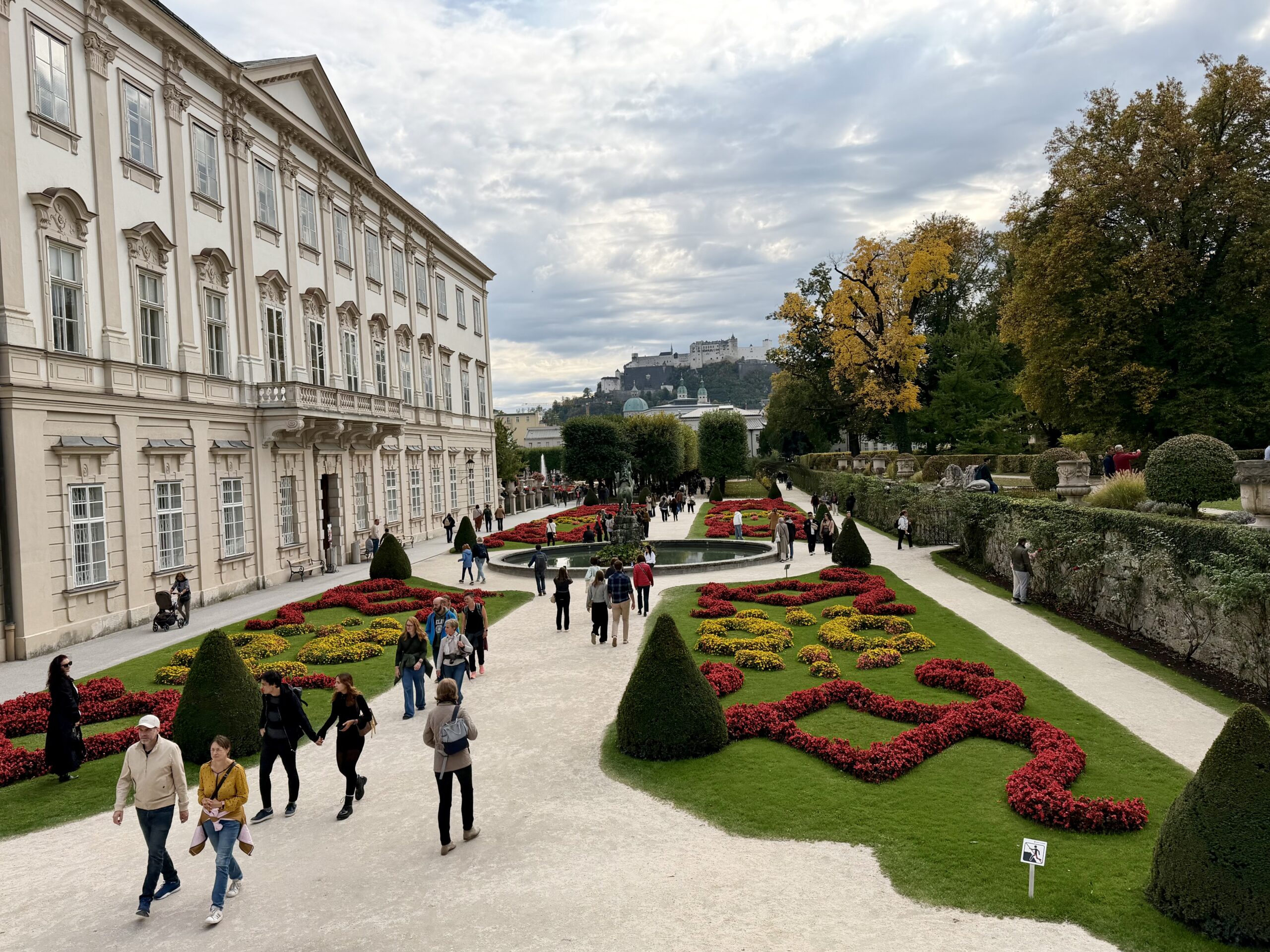
The anniversary edition was also an opportunity to recall that Salzburg has a remarkable architectural story of its own. In the 16th century, the rebuilding of the old town led to the demolition of 55 townhouses and the creation of five squares inspired by Italian urban planning. Over time, the city came to be known as the “Rome of the North”.
Its appearance was shaped to a great extent by successive archbishops of Salzburg, who drew inspiration from Rome and invited Italian architects and artists to the city. The result is a unique space in which monumental architecture, squares and narrow lanes form a coherent historic whole.
During the festival, this history does not stay locked away in museum captions. It becomes part of everyday experience: you can explore the sights, stop for coffee, sample the local food and then come across a concert in a place that in any other context would serve a completely different purpose.
2026: “True Moments” - authentic experience in the age of artificial intelligence
In 2026 Salzburg once again became a meeting place for music, this time under the motto “True Moments”.
The 2026 concept places strong emphasis on live music. In a world where artificial intelligence can generate vast numbers of tracks, the organisers draw attention to what remains unique about direct contact with an artist: spontaneity, improvisation, emotion and the unrepeatable atmosphere of experiencing music together.
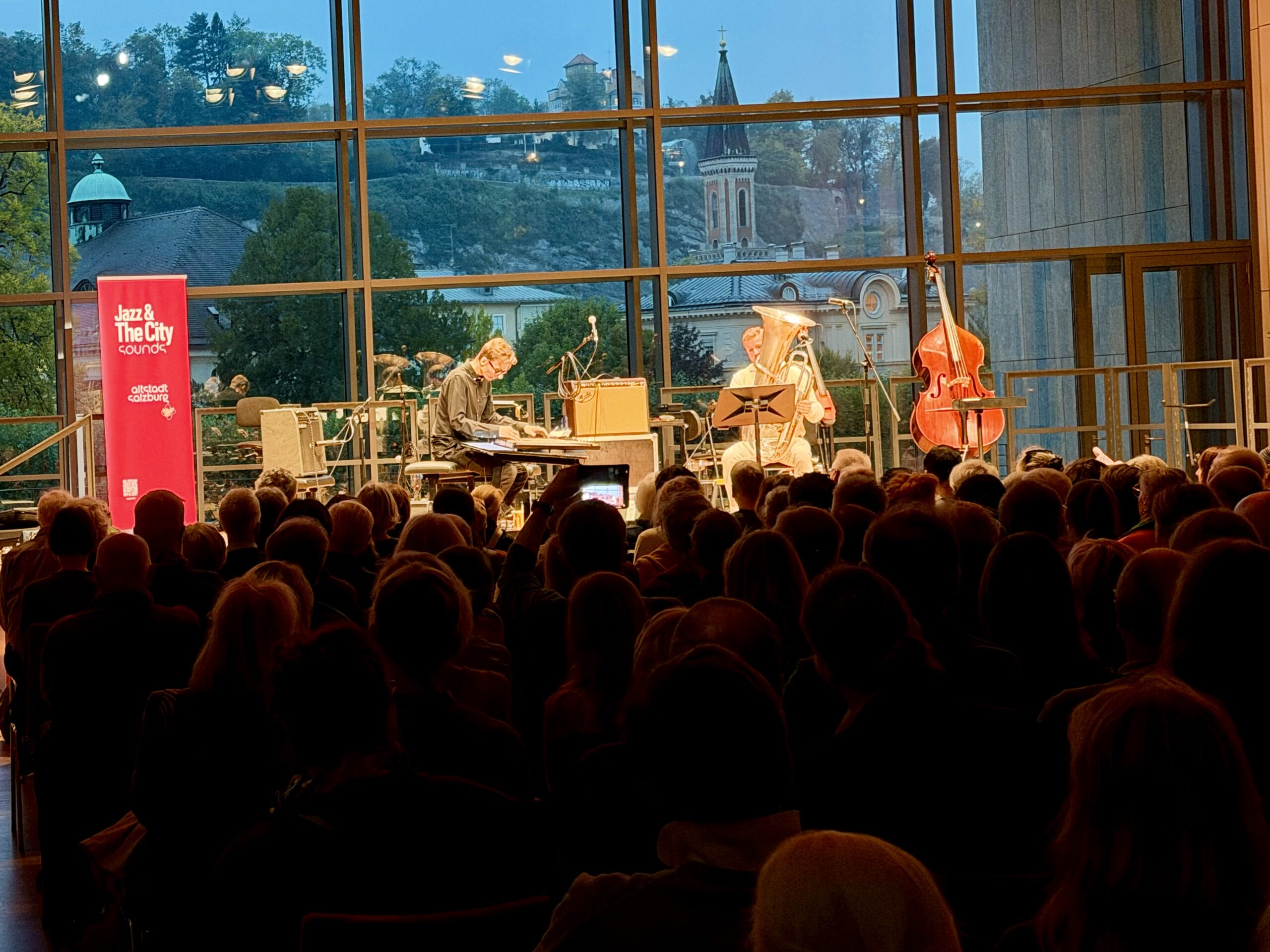
The artistic concept and coordination of the event were in the hands of Markus Deisenberger, who had also held this role in 2025. As in previous editions, the concerts took place across the historic centre, in both traditional performance venues and locations that took audiences by surprise.
The 2026 Jazz&theCitysounds programme highlighted the international character of contemporary music. The spotlight was on the sounds of the world's great cities, where local traditions meet new inspirations.
The musical points of reference included Vienna, New York and Tehran. Their cultural heritage was presented through a wide range of musical forms, from jazz and soul to folk and the Viennese song known as Wienerlied.
The approach to tradition was particularly interesting. It is treated not as a closed collection of old melodies, but as living material that each new generation of artists can reinterpret. The festival proved that contemporary musical culture does not have to mean rejecting the past. Quite the opposite: new forms often emerge precisely through a creative dialogue with tradition.
Salzburg for different generations and different interests
Successive editions of Jazz&theCitysounds have shown that Salzburg's appeal does not rest solely on its monuments and historic fame. The city knows how to create an offer in which cultural heritage becomes the starting point for new experiences.
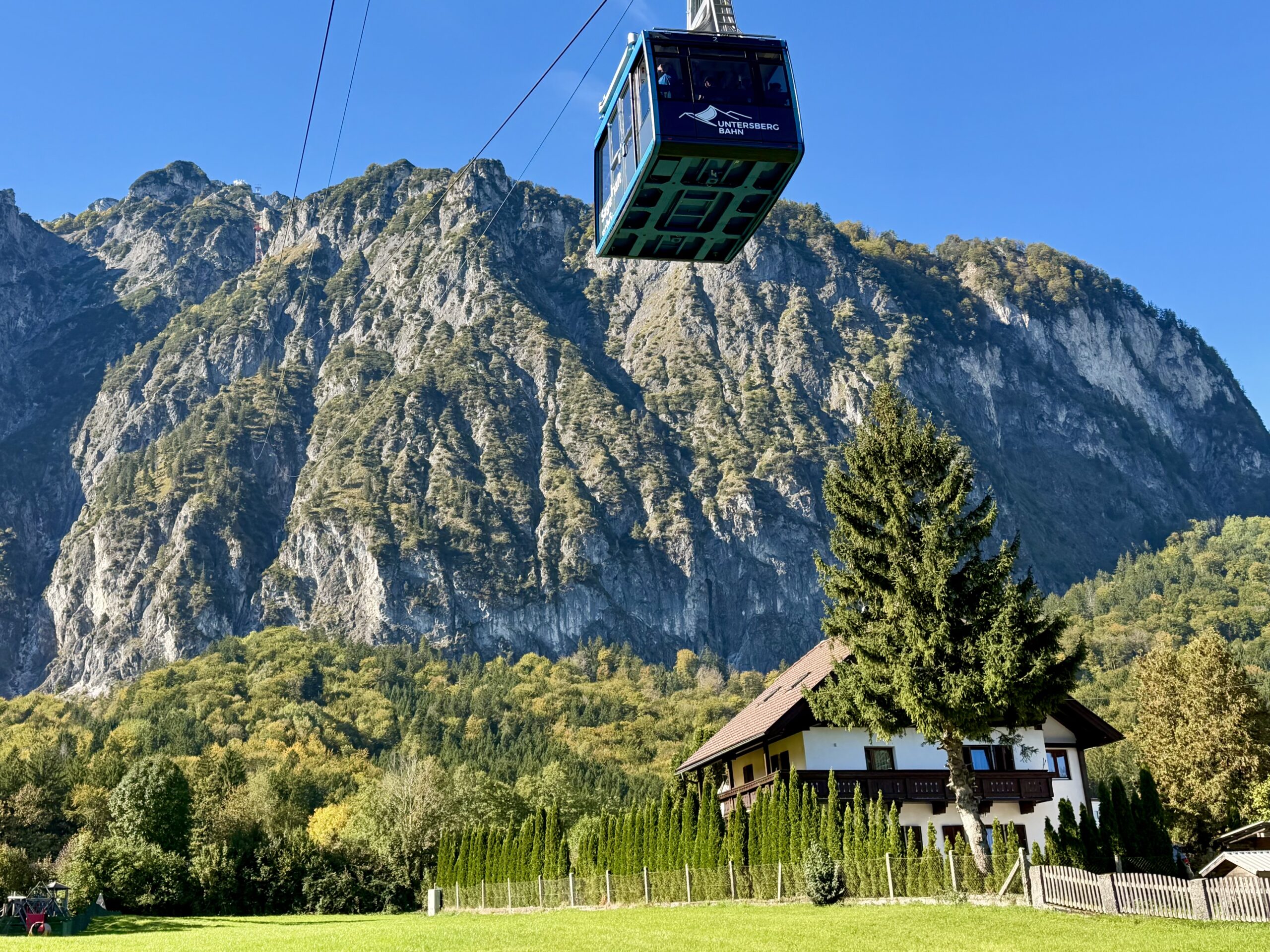
For history lovers, Salzburg remains a place for strolling through the baroque old town, discovering its architecture and learning about the city's ties with Mozart. For food lovers, it offers restaurants, local specialities and the tradition of Austrian cuisine. Active travellers, meanwhile, can make the most of the nearby Alpine countryside, mountain trails and recreation areas. Jazz&theCitysounds adds contemporary musical culture to this mix. The festival shows that a historic setting can be not only protected heritage, but also a living place of encounters, creativity and cultural exchange. In this way, Salzburg proves that it does not have to choose between tradition and modernity.