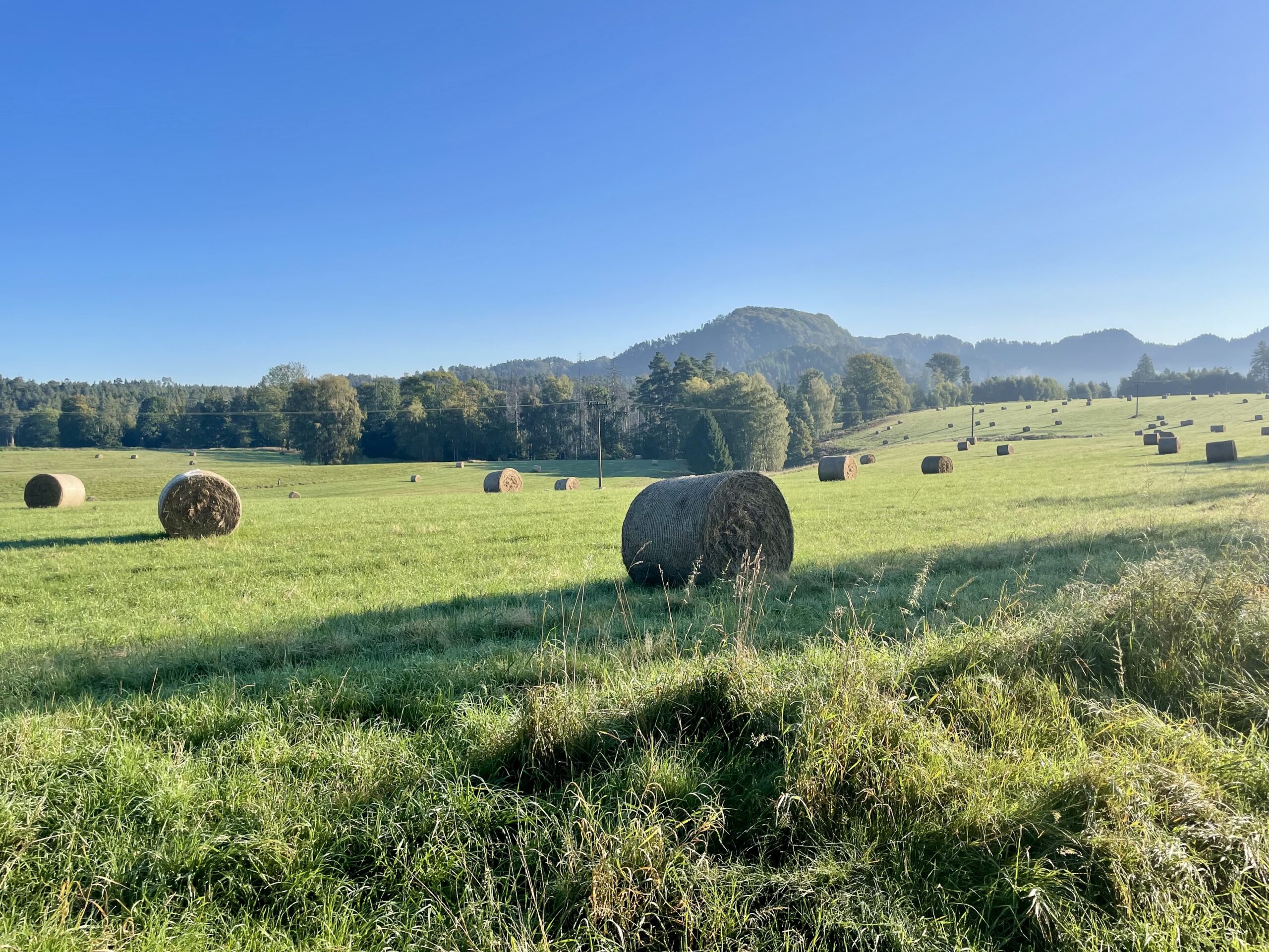
The Hřebenovka trail - hiking through the Ore Mountains and Bohemian Switzerland
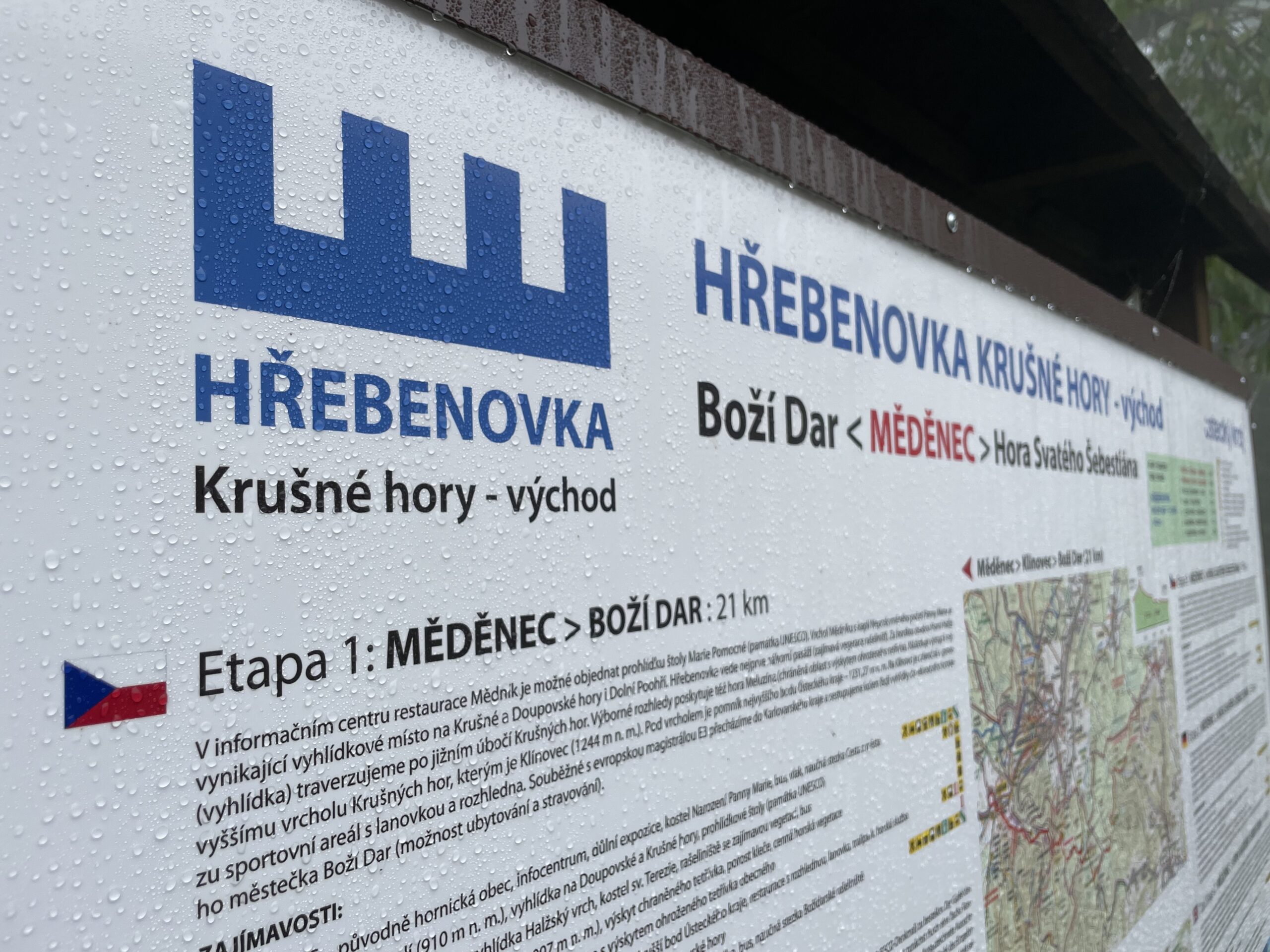
The Hřebenovka is a scenic hiking route in the Czech Republic that passes through a variety of landscapes, including mountain ranges, forests, picturesque valleys and charming villages. The section in the Ore Mountains is one of its most interesting stretches, offering both magnificent views and numerous tourist attractions. The route is divided into sections, some of which also lead through Bohemian Switzerland.
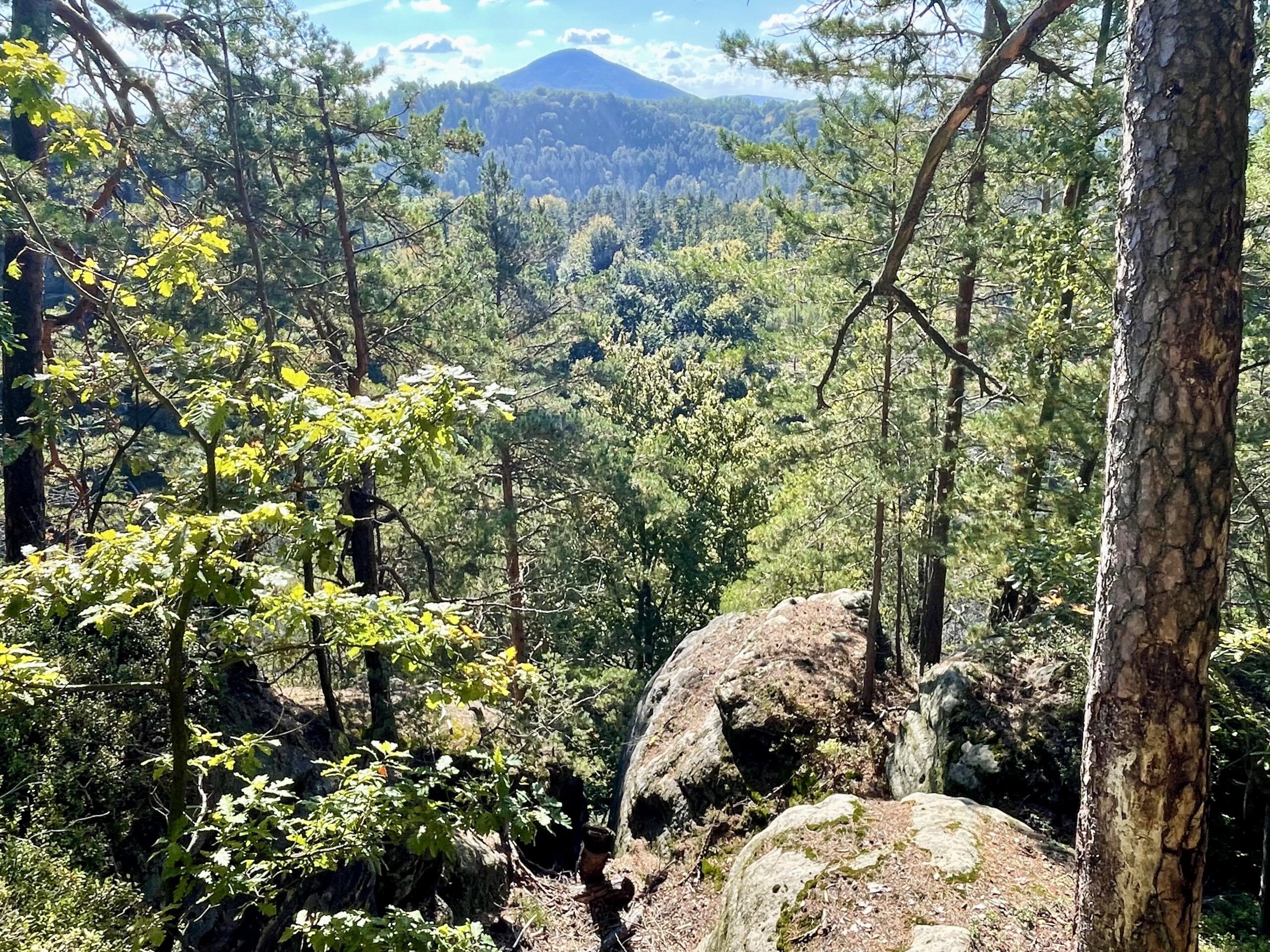
The route follows the historical Blue Hřebenovka (Modrá Hřebenovka), once the longest and oldest waymarked hiking trail in Europe, which reached a length of 1200 km between 1902 and 1935. In Bohemia and Moravia it ran through various mountain ranges and on deep into German lands. As a result of the war, and especially of the post-war years, it disappeared for a time, as in many places it ran through inaccessible border zones.
The steady investment in restoring the trail is worth noting. Particular credit goes to the Ústí Region, which has invested a total of 1.4 million Czech crowns in its renovation since 2013, while seeking the prestigious “Leading Quality Trails - Best of Europe” certificate. In 2025 new sections were opened in the Ore Mountains, and the route in the Ústí Region now has two main sections: the eastern section, 143 km in 7 stages, and Bohemian Switzerland, 100 km in 6 stages. All of them are very well signposted in Czech, German and English.
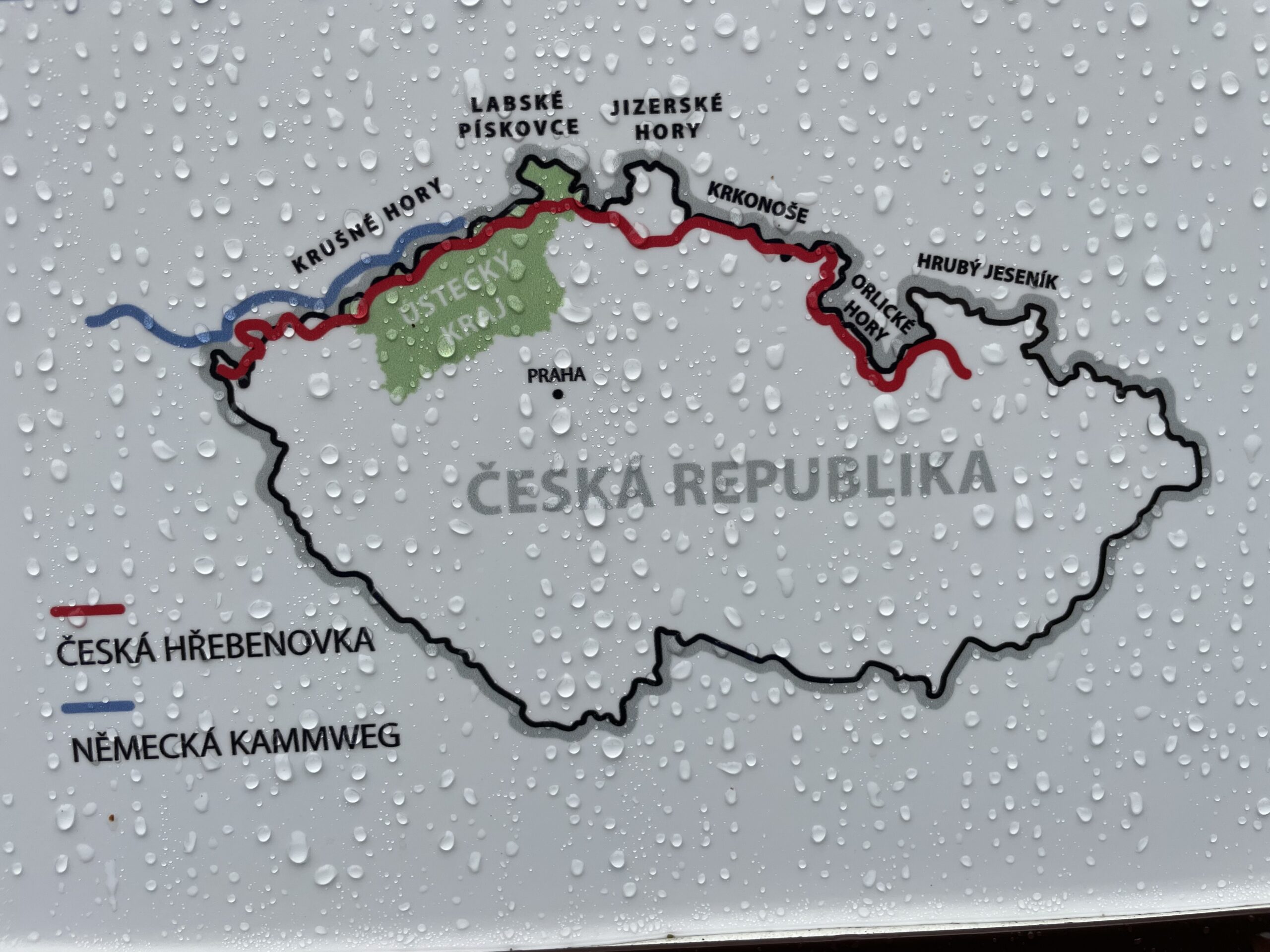
Because the landscape has changed, the route is not identical to the original Hřebenovka. However, it still runs through the most attractive mountain areas in the northern border region of Bohemia and Moravia. In the Ústí Region, the Hřebenovka is marked with a blue four-pointed ridge on a white background. On the Saxon side of the Ore Mountains runs the parallel Kammweg trail (286 km), with many links to the Czech Republic.
Klinovec and the Vápenka lime kilns
Along the way, hikers can see the most beautiful parts of the Ore Mountains, and one of the places worth visiting is Klinovec. It is the highest peak of these mountains (1244 m above sea level) and one of the main points on the Hřebenovka. It is popular with hikers and winter sports enthusiasts alike. At the summit there is a lookout tower offering a panorama of the entire range and, in good weather, of nearby Germany too. In winter it is a ski centre, and in summer an excellent place for hiking.
The next point on the Hřebenovka is Vápenka. This former limestone quarry once played an important role in the region's industry. Today it is a place that delights with its raw, natural beauty. From the top of the historic lime kiln there are beautiful views of the surrounding forests, streams and valleys. It is also one of the less frequented places on the trail, offering peace and quiet.
It is worth mentioning that the Ore Mountains are poor in limestone, so in the past even small quantities of it were used to produce lime for building and other purposes. Its extraction and processing began here at least in the mid-18th century and continued in the following decades, as shown by the local name “Kalkofen” (lime kiln) recorded on maps of the time, such as the cadastral map of 1842. Interesting monuments are the octagonal shaft kilns, the remains of which have survived to this day. There are two of them on the route. The older, northern kiln was built in 1851 and the second in 1856; both kilns, important monuments of industrial heritage, operated until 1924-1929.
The Our Lady of Help adit in Měděnec
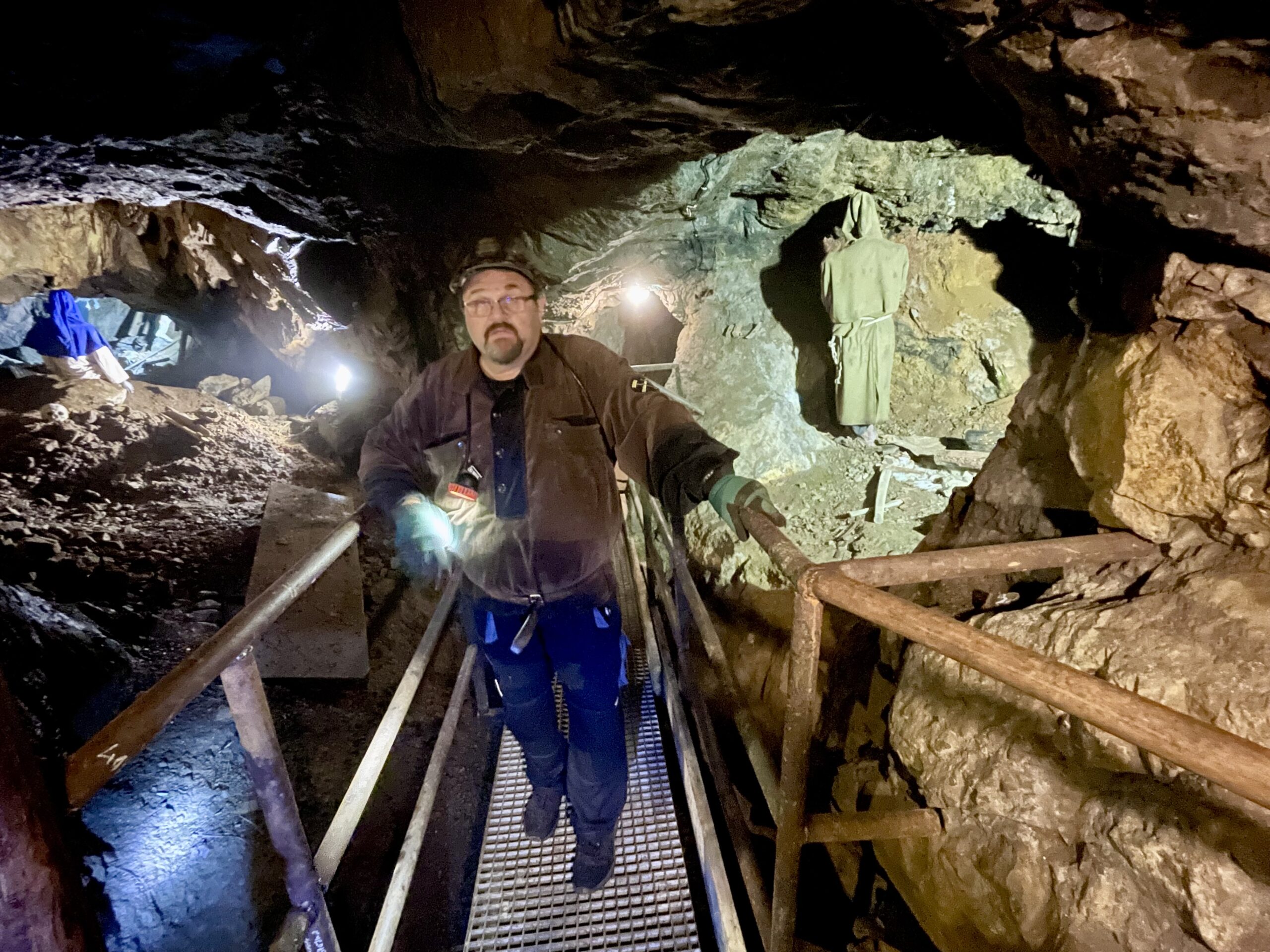
Another monument of industrial heritage is the Our Lady of Help adit (Štola Marie Pomocné). It is a disused mine originally used to extract iron ore and silver, tin and copper ores. Mining here dates back to the Middle Ages, and later cobalt, uranium and fluorite were also extracted. The old mine workings can be visited in the village of Měděnec. It is worth learning about the history of mining in this area. In the 19th century the region experienced a real industrial boom associated with intensive mineral extraction, and Měděnec was one of the most important mining sites. This mine, like others in the area, played a key role in the local economy. After the mine closed, it was forgotten until the 1990s, when the idea of opening it to tourists emerged. Today, thanks to the efforts of the local authorities, the Our Lady of Help adit has been turned into a tourist attraction, offering visitors an insight into the history of mining.
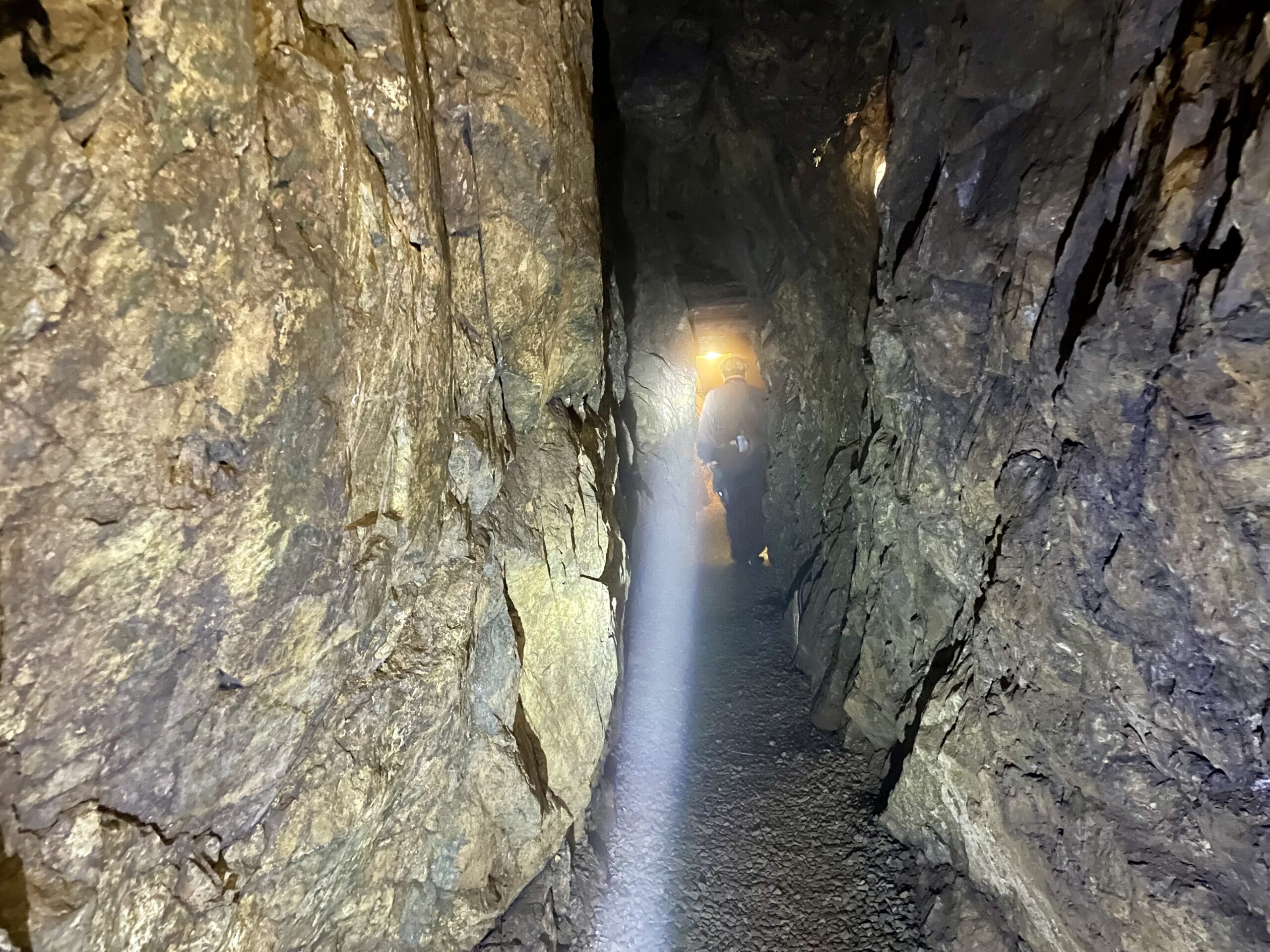
Mědník hill has been known as an ore deposit since the first half of the 15th century, and the first mention of it dates from 1446. During the Thirty Years' War, Měděnec was burned to the ground and the mines were plundered, but they kept operating. Mining inside Mědník hill was gradually halted between 1860 and 1870 as the deposit's mineralisation declined. Between 1950 and 1953, a secret search for uranium was carried out in the Our Lady of Help adit, but the results were disappointing. Today about 750 m of gallery is open to visitors. There are illuminated pools, figures of medieval miners and a display of miners' lamps and old mining tools.
The Kliny zip line and the museum in Lesná
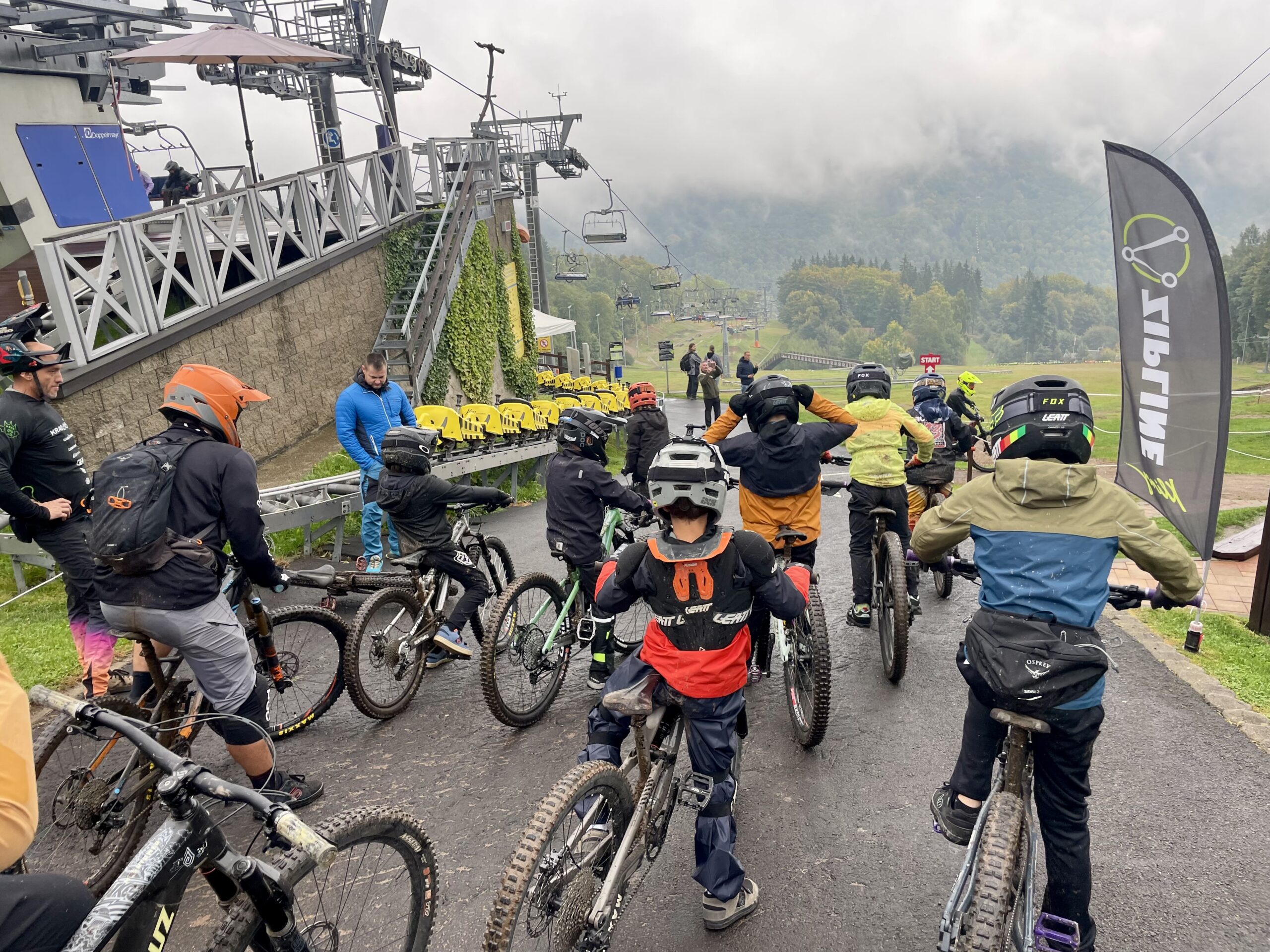
A completely different place, but also worth a stop, is Kliny. It is an outdoor sports centre with a zip line that lays claim to being one of the longest in Europe. On the 2200-metre line you can reach speeds of up to 60 km/h while 150 metres above the ground. There is also an MTB trail on the slope and a rail-guided bobsleigh run. The place is a magnet for active people from the Czech Republic and Germany.
The facilities in the village of Lesná are a comprehensive project devoted to the history and culture of the Ore Mountains, which, lying on the Czech-German border, have lived through turbulent historical changes. The years after the Second World War were not conducive to preserving the traditions of the old settlements. Today, however, there is a desire to show the continuity of human settlement and activity, some of which has survived while some is now no more than a memory. The complex includes two homesteads rebuilt to historical designs, housing many exhibits relating to the traditions, crafts, mining and daily life of the region's inhabitants. One of the buildings is a museum, while the other combines a museum with education: school workshops and courses in traditional baking and pottery techniques are held there. At present the museum showcases the rich history of the area, and soon it will host art fairs and craft demonstrations that will draw exhibitors from both sides of the border.
Český Jiřetín and the Fláje reservoir
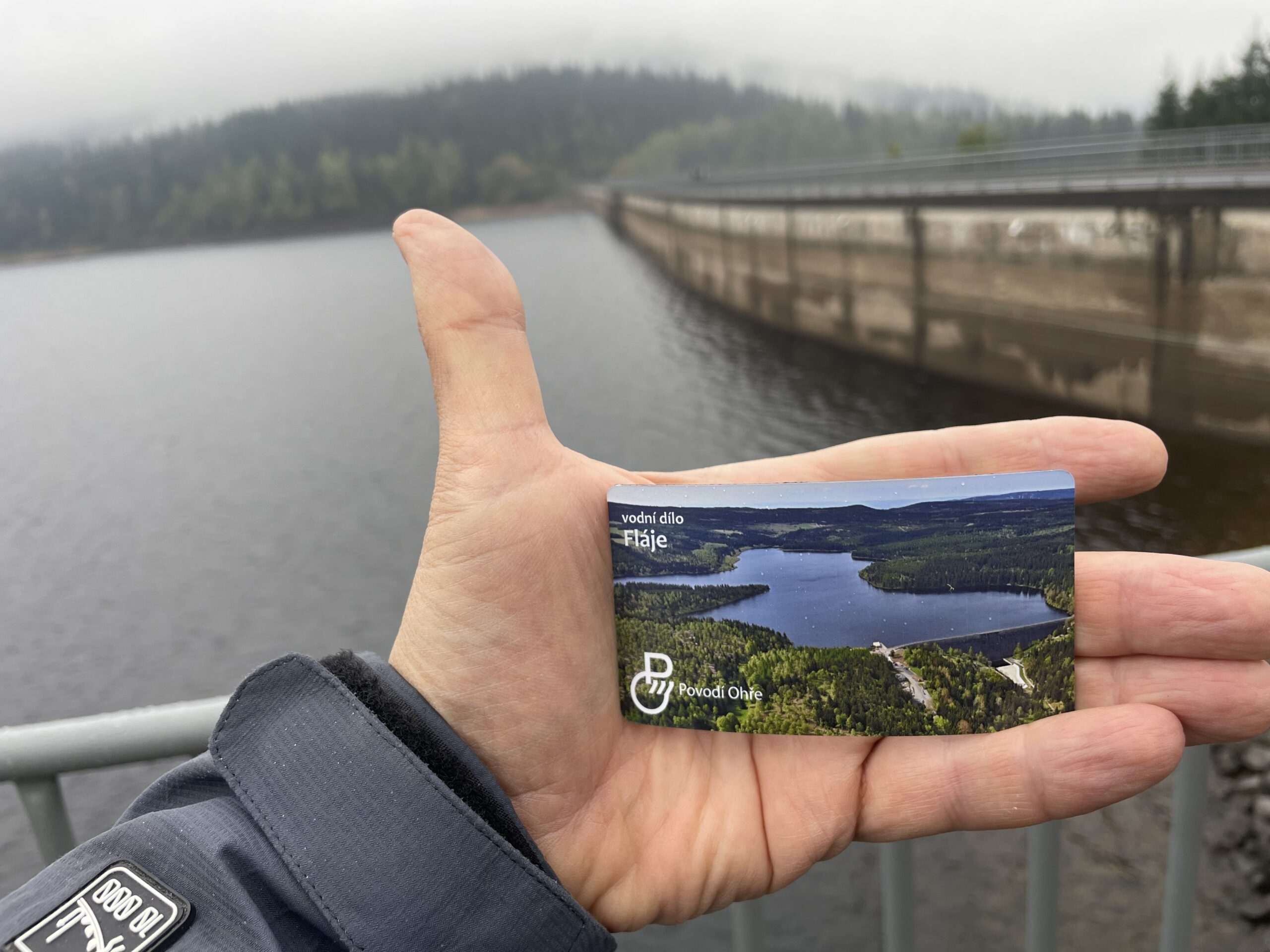
Český Jiřetín is a border village through which the Hřebenovka passes. Some of its charming buildings have been converted into guesthouses and restaurants. In the village, look out for the Church of St John the Baptist, which was moved here when the basin of the Fláje reservoir was flooded. The reservoir itself is an artificial lake near the village of Fláje, after which it is named, and it was originally built solely for flood protection. Today it is also a popular recreation spot, where you can relax, walk along the shore or watch wildlife. Around the reservoir there are many hiking trails that let walkers enjoy the natural beauty of the Ore Mountains. The reservoir is best seen from the Puklá skála viewpoint.
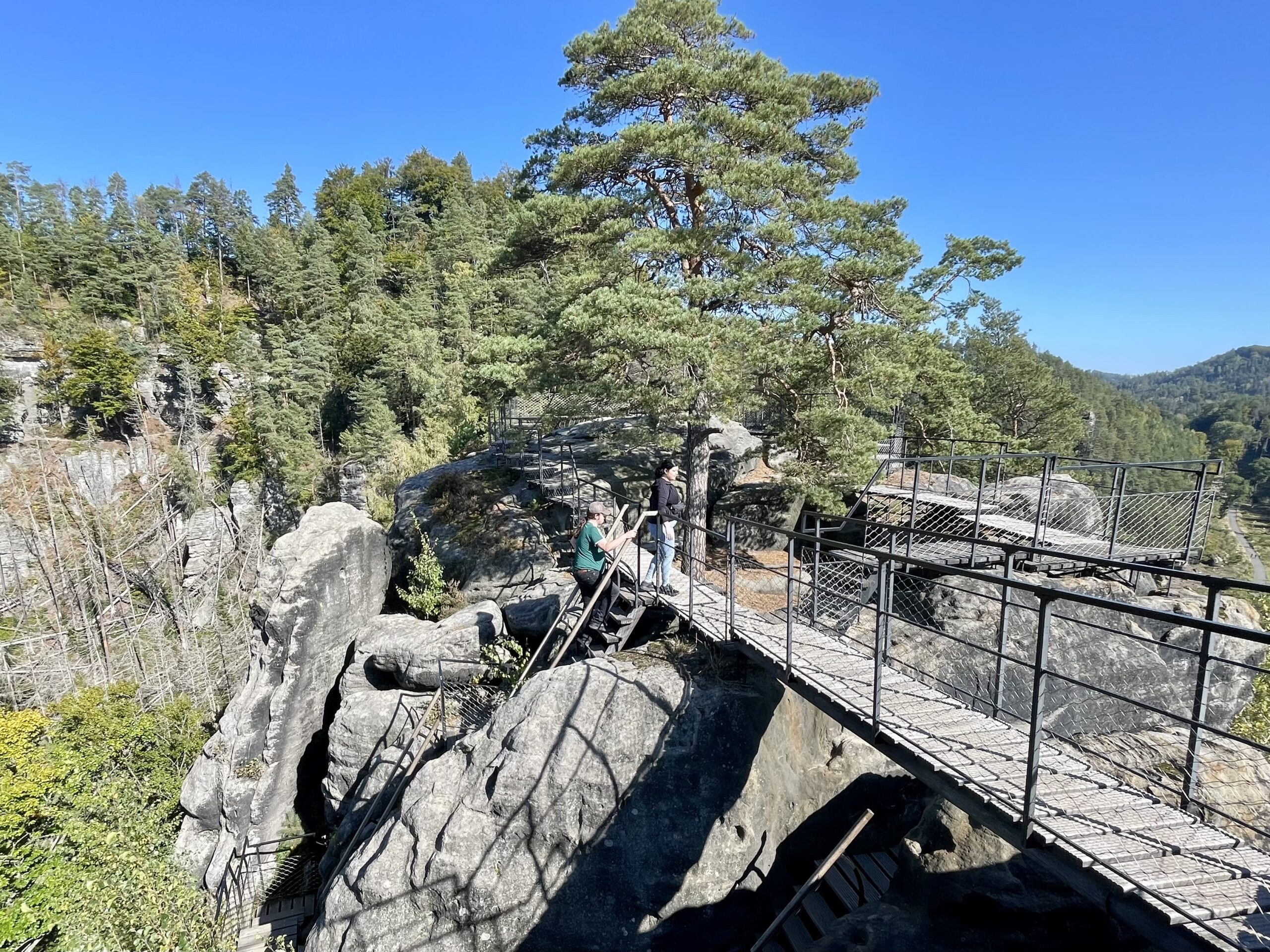
The Hřebenovka trail in the Ore Mountains and Bohemian Switzerland is a unique hiking adventure that combines history, culture and nature. A huge amount of work and investment by the Ústí Region has restored the beauty of this old hiking trail. From majestic Klinovec to the tranquil shores of the Fláje reservoir, every section of the walk offers something special. The trail is an excellent choice both for keen hikers and for those looking for a break in beautiful natural surroundings.