The Žilina region attracts a million tourists a year
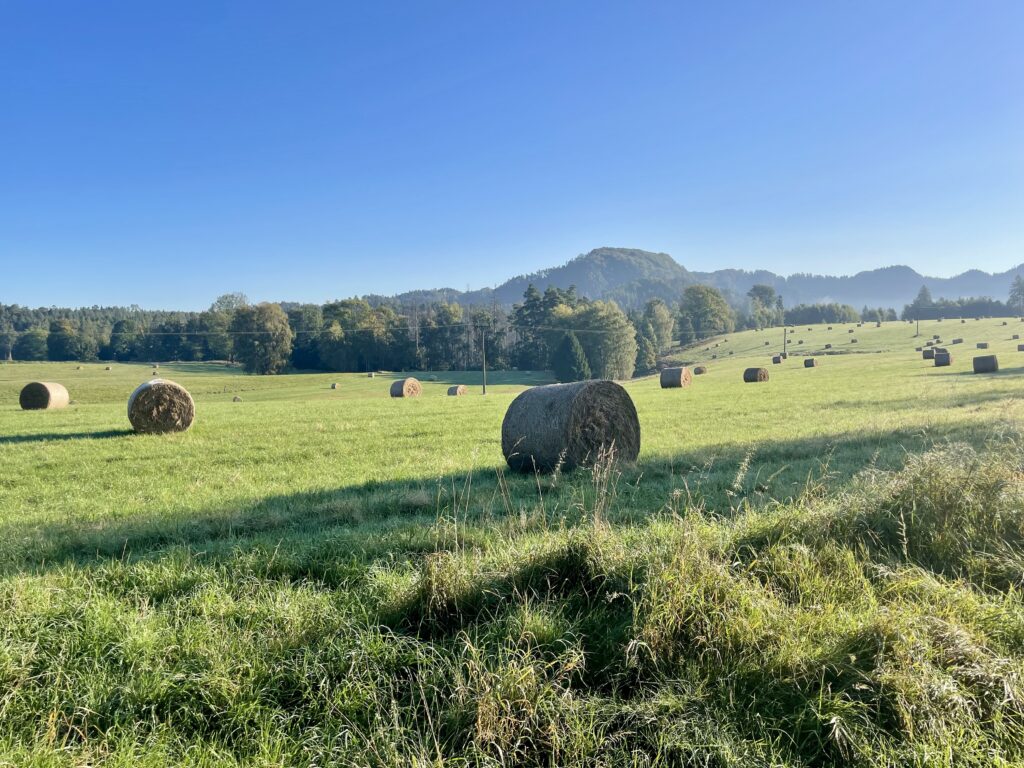
The Žilina Region, in the north-west of Slovakia, is divided into several historical areas: Horné Považie, Kysuce, Turiec, Orava and Liptov. More than half of the region is protected because of its exceptional beauty and its well-preserved authentic culture and history. There are castles and open-air museums. The wooden churches are protected by UNESCO, and the folk festivals in Východná, Terchová and Zuberec have a long tradition and are very popular. 20% of all Slovakia's marked hiking and cycling trails are in this region. There are also several thermal spas. In other words, there is plenty to do here both in winter (the Jasná, Chopok, Roháče and Spálená ski resorts) and in summer. The million tourists who come here every year can't be wrong.
Orava Castle and rafting on the Orava river

Orava Castle is the most visited castle in Slovakia and one of the most beautiful. Built on a high rock towering over the surrounding area, it is one of the so-called "eagle's nests". Many films have been shot here, including the Polish version of "Janosik". Although centuries old, the castle keeps changing, thanks to ongoing restoration and the discovery of more new rooms. Quite recently, new sections of the castle casemates were opened to visitors. It was only in 2007, while sifting yet again through the sand and dust in the underground tombs, that an extremely valuable engagement ring was discovered. The exhibition of historical costumes is interesting, featuring unique socks - only 4 such pairs have survived anywhere in the world. And of course, the castle has its white lady. She was a woman whose angry husband reached for his sword when a servant girl broke a precious vase. The wife shielded the maid, but the blow of the sword cut off her hand. She died 2 weeks later and today she wanders the castle, begging for mercy for her husband.

A very good idea is to reach Orava Castle by raft. Rafting on the Orava river is quite different from the trips we know from the Dunajec. The rafts, of which there are only 8 here - on the Dunajec the two countries have more than 300 between them - are made of solid spruce wood. The river flows more slowly, majestically. Down the Dunajec you would float to the Baltic, while the Orava would take you to the Black Sea (a journey of as long as 2 weeks). Despite the differences, the raftsmen like to compare themselves with those from the Pieniny. Among the many stories and curiosities you hear while floating down the Orava is the one about the highlander's hat. In Orava, each single shell sewn onto it stood for one completed trip down to the sea with goods. The raft covers the 5 km route in an hour, and the last stop is right below Orava Castle, offering a spectacular view of the rock and the walls.
Wooden architecture - Zuberec and Vlkolínec
Another attraction of the Žilina region is its wooden architecture. For anyone interested in the history of building, a visit to the Museum of the Orava Village in Zuberec is a must. The open-air museum has been created here since 1975 by buying buildings from their original owners, then dismantling them, transporting them and rebuilding them. More than 50 examples of folk architecture, including an extremely valuable church with painted interiors, as well as historic technical equipment, represent a bygone world.

Another place to see interesting wooden architecture is the mountain settlement of Vlkolínec. In 1993 it was inscribed on the UNESCO list. The settlement consists of 55 houses, a historic bell tower (1770), a church (1875) and a well (1860). A sudden shift in the old trade routes made the inhabitants leave the village, which is why it has survived unchanged. And remember that this is not an open-air museum - a dozen or so people still live here permanently, while others come as summer residents.
The Island of Artists and the Orava Forest Railway

The Island of Artists, or the Slanica Island of Art, lies in the middle of the Orava Reservoir, right by the border with Poland. The reservoir has a long history, because for a long time two rivers - the White Orava and the Black Orava - wreaked havoc in the area by bursting their banks and flooding. Finally, in 1941, construction of a dam began, and it was completed in 1953. The reservoir then took a year to fill with water. Of the five villages that disappeared forever beneath the surface, only a hill with a Baroque church and a Way of the Cross survived. The church on the hill was cut off from its congregation and fell into decline. It was given a new purpose and became a museum of folk art, of the kind inspired by religion. You can reach the island by boat, and the whole cruise lasts 1.5 hours, combining a trip around the "bird island" with a 40-minute stop on the Island of Art.

As the First World War was coming to an end, construction began on the Orava Forest Railway, today one of the more interesting attractions in the region. It was built by Italian prisoners of war and for years was used to transport timber. Once it was as long as 61 km, and 11 km have survived to this day. The ride on the historic narrow-gauge railway starts at Tanečník station, where those waiting for departure can spend time at the playground, buy souvenirs in the little shop or grab a snack at the small bar. The train crosses meadows and forests and stops at Sedlo Beskyd station, from where - after a short walk - you reach a 12-metre observation tower with a view over the whole area. Sedlo Beskyd station is also the place to see an interesting system of railway switches that allowed the train to turn back.
(here is my article about the Slovak capital, Bratislava )
The via ferrata on Martinské hole

In 2013, Slovak mountain rescuers marked out a climbing route leading up to Martinské hole, which is now one of the biggest attractions of the Turiec region. It is a so-called Via Ferrata, a climbing-type trail with a system of steel cables, pegs and rungs for self-belaying. The trail is one-way and has a "B" (easier) and a "C" (harder) variant. Climbing up in a "harness", often on vertical rock faces and across little bridges over chasms, is an amazing experience. The route runs through the gorge of the Pivovarský stream, and you meet the first ladders, steel rungs and cables at an altitude of 930 m above sea level. Further on, the trail follows the right-hand side of the stream, which forms beautiful waterfalls in places - the highest of them is 30 metres. At 1,130 m above sea level the "ferrata" splits into two sub-routes, which join up again 120 metres higher. A good idea is to round off the climbing adventure by riding back down the forest paths on an off-road scooter.

Salaš Krajinka - sheep's cheese and halušky
A unique place on the culinary map of the Žilina Region is "Salaš Krajinka". Traditional sheep's and cow's milk cheeses are made here. On site there is a restaurant serving excellent, typically Slovak bryndzové halušky and strapačky. Organic production started here 20 years ago, on the site of a former state farm. Today 25 people make about 200 kg of cheese a day here, which is eaten or sold on the spot. You will not find these products in any shop.

The Žilina Region attracts visitors with its natural beauty and its well-preserved material and intangible culture. Castles, open-air museums, villages and churches are examples of well-preserved wooden architecture. There is no shortage of marked hiking and cycling trails in the region. There are also rental shops with modern e-bikes and interesting mountain routes. Lying right by the Polish border, the region is a good choice for a few days of a winter or summer holiday.