Unknown Latvia - the remote lands of Latgale and Zemgale
When planning a trip to Latvia, most tourists choose to visit cosmopolitan Riga and the nearby Baltic resort of Jūrmala, both perfect for a successful extended “city break”. Still only a few make it to the corners in the south and east of the country. Yet it is well worth discovering the wild side of Latvia, where forests and lakes form the backdrop to palaces and aristocratic residences, and the hospitality of the locals goes hand in hand with the austere simplicity of life in the Old Believer communities.
Zemgale
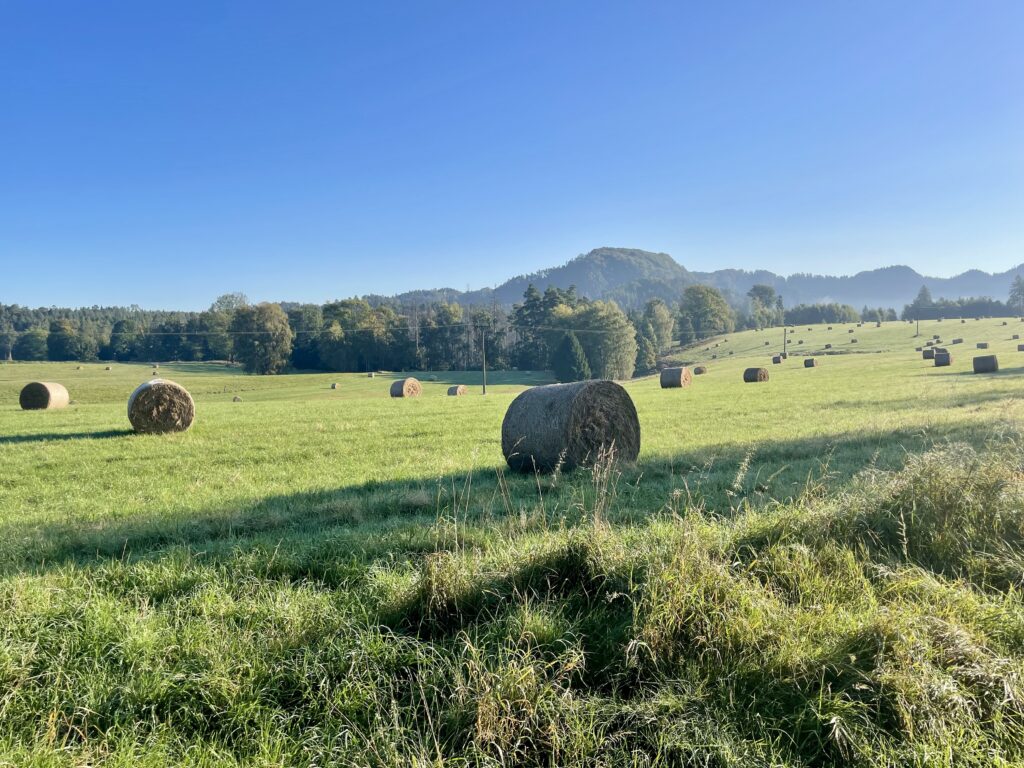
The predominantly flat landscape of Zemgale, also known as Semigallia, is famous for its fertile farmland. Its nickname, “the granary of Latvia”, is well deserved. Amid the plains stand several stunning palaces and manor houses, the former residences of the elites who once ruled these lands. Many of Zemgale's manors, palaces and castles that are no longer home to the aristocracy now serve as museums or have been turned into elegant hotels with character.
Rundāle Palace Museum
The Rundāle palace complex is the most outstanding monument of baroque architecture in Latvia, and the palace's French-style garden covers a total of 10 ha. At Rundāle Palace, visitors can see 45 of its 138 rooms, whose interiors are finished in the rococo style that prevailed at the time. In 2021 the palace received the prestigious European Garden Award, and in 2023 it was admitted to the network of European royal residences. The palace and gardens, located about 70 km from Riga, are called the “Latvian Versailles” with good reason. The size and grandeur of the palace are astonishing when you realise that it was merely the summer residence of the Duke of Courland, Ernst Johann von Biron, who was, after all, a vassal of the Polish king. The building was designed by the Italian architect Rastrelli, who was also responsible for the Winter Palace in St Petersburg. Construction began in 1736 and, after interruptions caused by political upheavals, was completed in the second half of the 18th century. An integral part of the complex is the French-style garden, also designed by Rastrelli. The garden we see today was recreated from old plans. In summer, visitors to the palace garden can admire the rose garden, with more than 2400 varieties, 670 of them historical. In May, meanwhile, the palace garden is adorned with tulips.
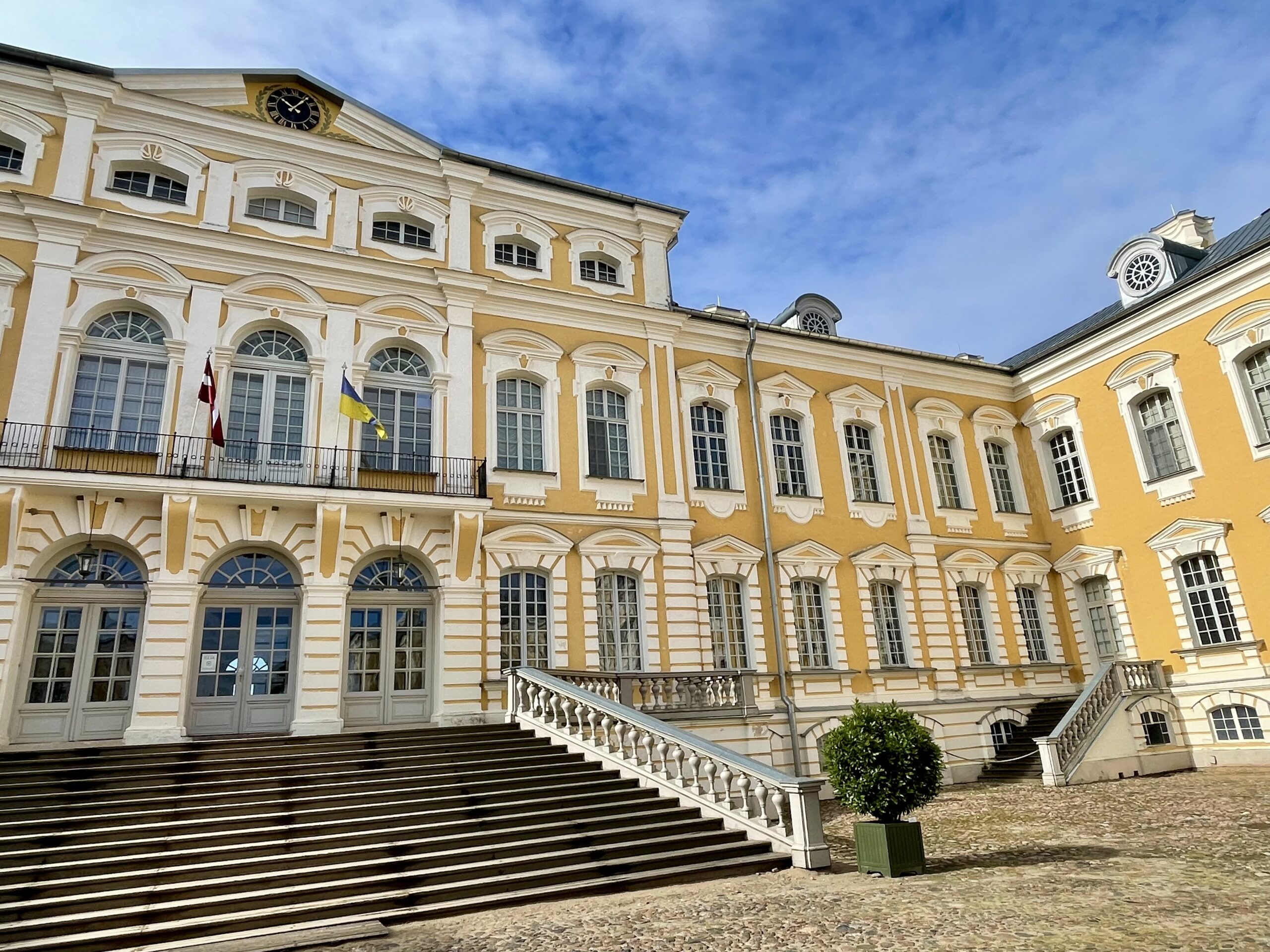
Rundāle is a place where you can feel the opulence of the baroque era and learn about a chapter in the history of the former Duchy of Courland. Bear in mind that a thorough restoration of the building began in 1972 and lasted as long as 42 years. The interior was painstakingly recreated true to the original, using gold, silver and... stucco marble, as that was what the original owner had intended.
Bauska Castle Museum
Latvia's only restored Renaissance palace in the Mannerist style consists of two parts. The older part, the castle of the Order of the Brothers of the Sword, was built in the 15th century, but only ruins have survived to our times. The newer part, the residence of the Dukes of Courland, was built at the end of the 16th century, together with fortified bastions, defensive walls and earth ramparts. It is the newer part that has been rebuilt and restored, while the older part has been left unchanged for centuries.
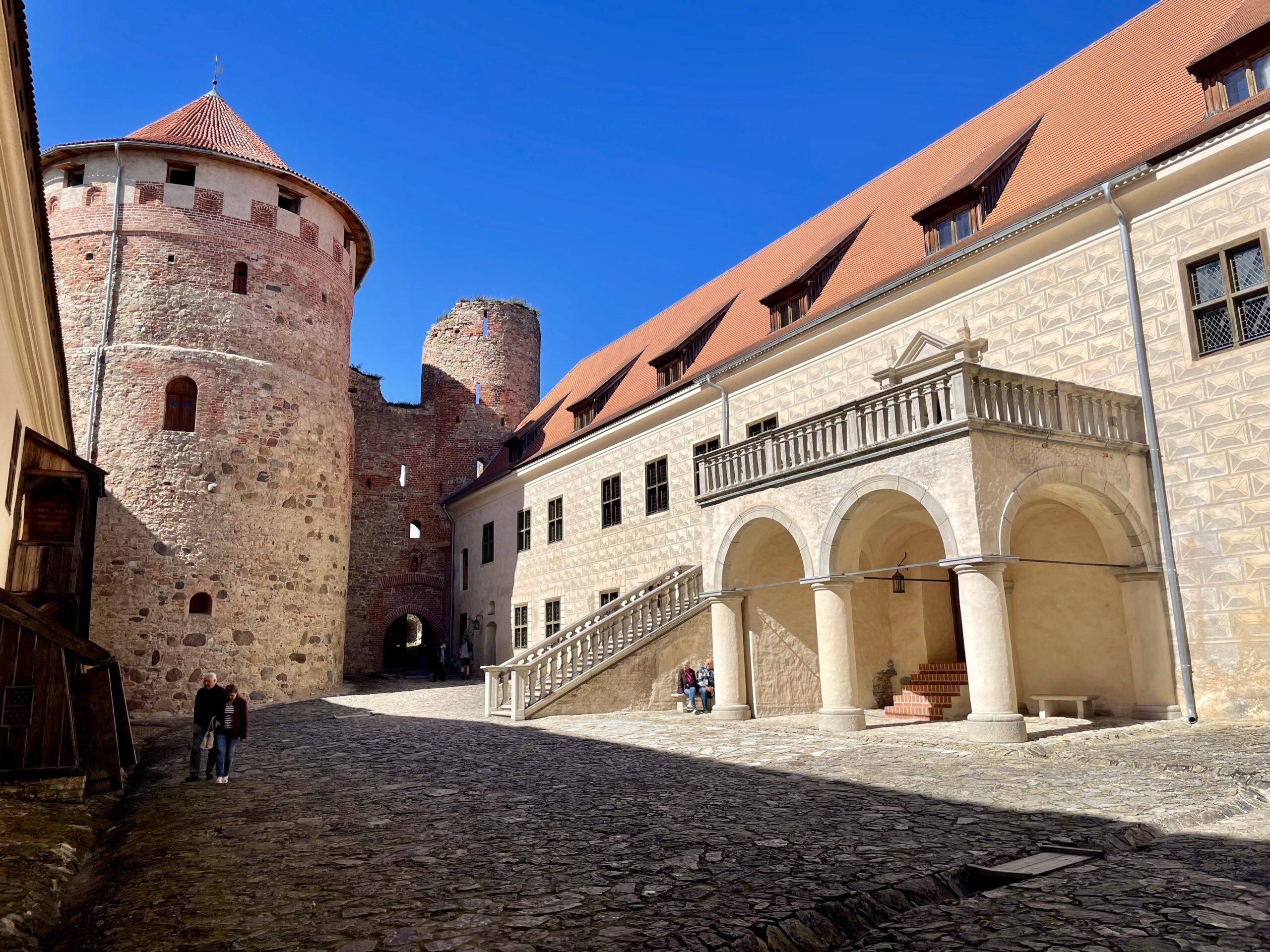
In the castle's 28 rooms you can admire interior, historical and art exhibitions, and take part in educational programmes or regular events. It is definitely worth climbing the observation tower, which offers a wonderful view of the Mūsa and Mēmele rivers.
Koknese
Koknese Castle was one of the largest and most important medieval castles in what is now Latvia. Construction began in 1209, and in a short time the fortified castle and most of the town of Koknese were built. Koknese Castle was abandoned after its western towers were shelled in 1701; its impressive ruins have remained untouched to this day. The fortress once stood on a hill, but today it seems to stand on low ground: after the reservoir of a newly built hydroelectric power station was filled, the water rose to the castle's foundations. It is easy to draw parallels with the creation of the artificial Lake Czorsztyn in Poland, which left the ruins of Czorsztyn Castle and Niedzica Castle sitting much lower above the water than when they were built. The ruins of the medieval castle in Koknese remain one of the most picturesque places between two rivers, the Pērse and the Daugava.
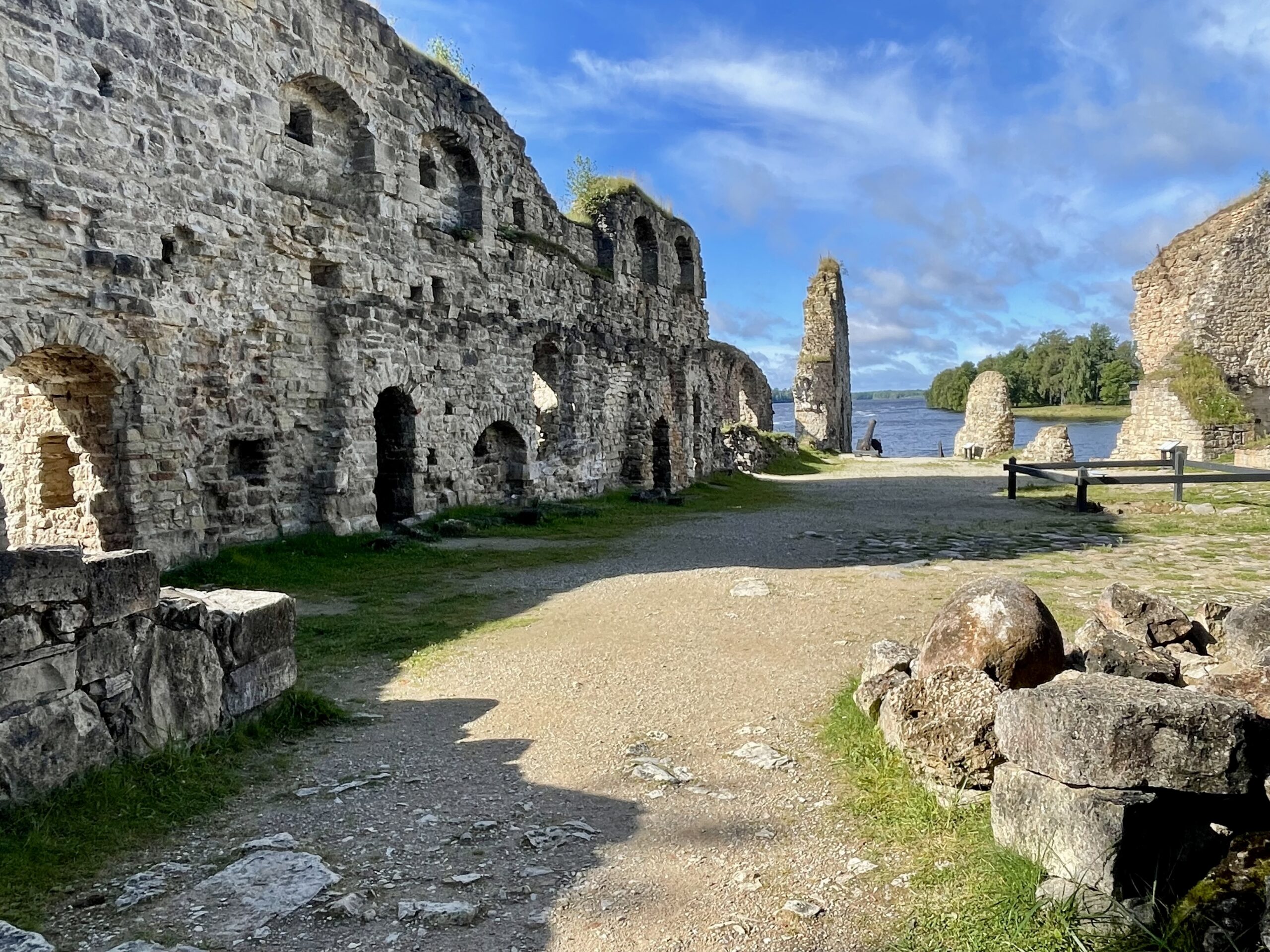
The construction of the reservoir flooded a gorge with waterfalls, so it was decided to recreate these natural features in the town park by building a pond with picturesque cascades. Every year the town attracts anglers who take part in catfish fishing competitions. In 2018 a giant catfish was caught, weighing 100 kg and measuring almost 2.5 metres.
Musa Raceland
Let us leave the historic sites for a moment and head to the motorsport centre that is MUSA RACELAND. It is one of those places where you can safely practise driving in low-grip conditions in a car provided by the venue. You can drive both on the gravel track and on the off-road course.
The gravel track is fully safety-equipped in line with FIA Motorsport standards and is accredited for autocross by the Latvian Automobile Federation (LAF). The looped track has two jumps, both of which have to be taken while turning slightly. Laps may be interrupted so that the track can be watered to make sure the wheels slide properly. The venue has Volvo 740 cars adapted for this use, with bucket seats and roll cages fitted inside.
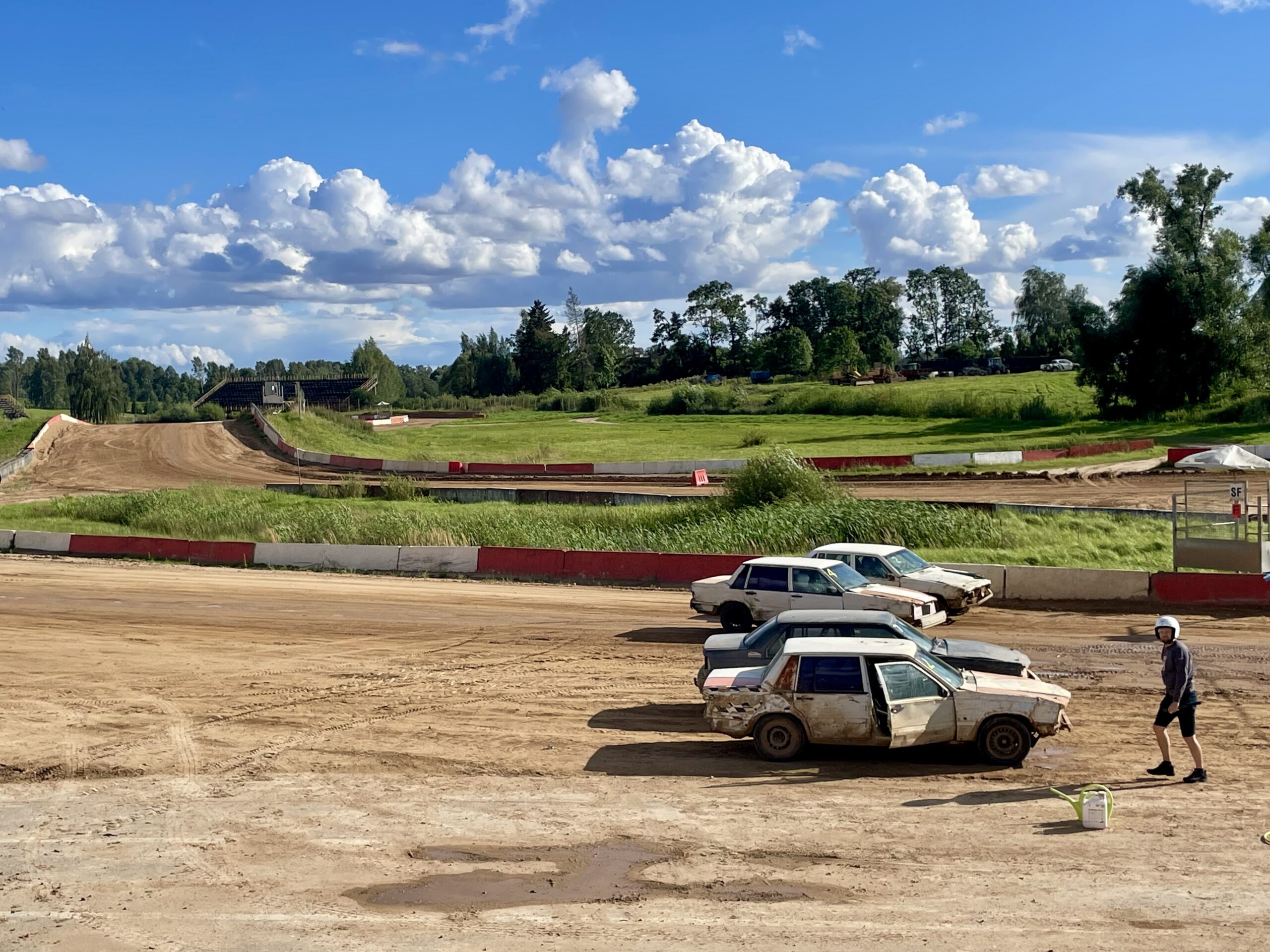
A 9-hectare plot with a variety of obstacles is set aside for slow off-road driving: there is mud, puddles, deep ruts and soft, steep mounds. Here, Lada Niva 4x4 cars are provided.
MUSA RACELAND hosts many national and European events. In July it staged the Rallycross Weekend, a two-day rallycross festival, which attracted 131 competitors from the Baltic states and Poland.
Latgale
Latgale, known as the “Land of Blue Lakes”, is home to Latvia's largest, deepest and most diverse lakes. Today this region, so rich in natural treasures, is home to a multicultural, multi-faith community, reflected in the many Catholic, Orthodox, Old Believer and Lutheran churches that dot its landscape.
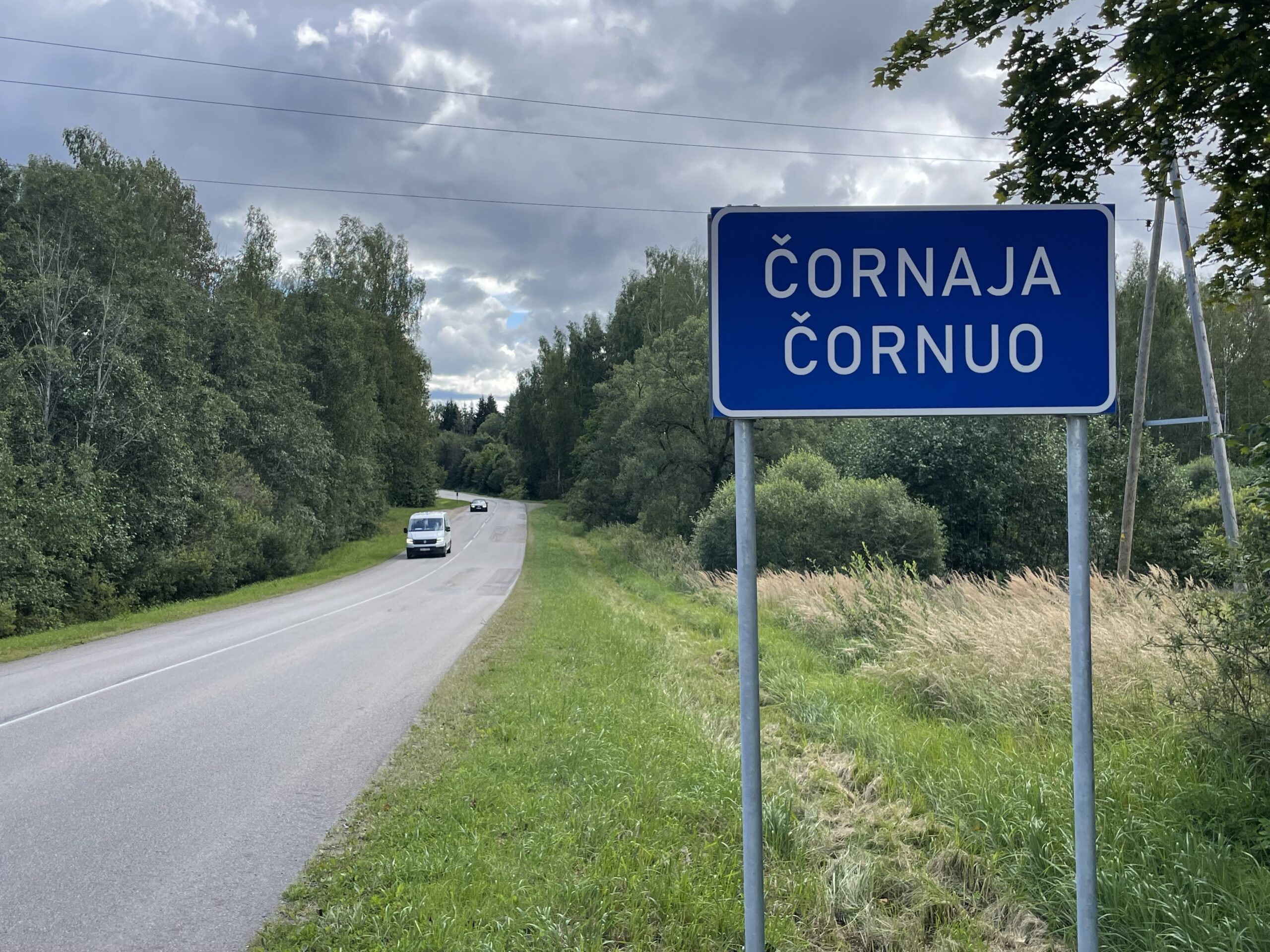
You will certainly notice the hospitality here, as well as the distinctive Latgalian dialect: debate continues as to whether it deserves recognition as a separate language. The people of Latgale stand out for their craftsmanship. The region is particularly famous for its pottery, often in anthracite and black. Colourful handmade costumes are also made here and sold to customers all over Latvia.
Daugavpils / Dyneburg
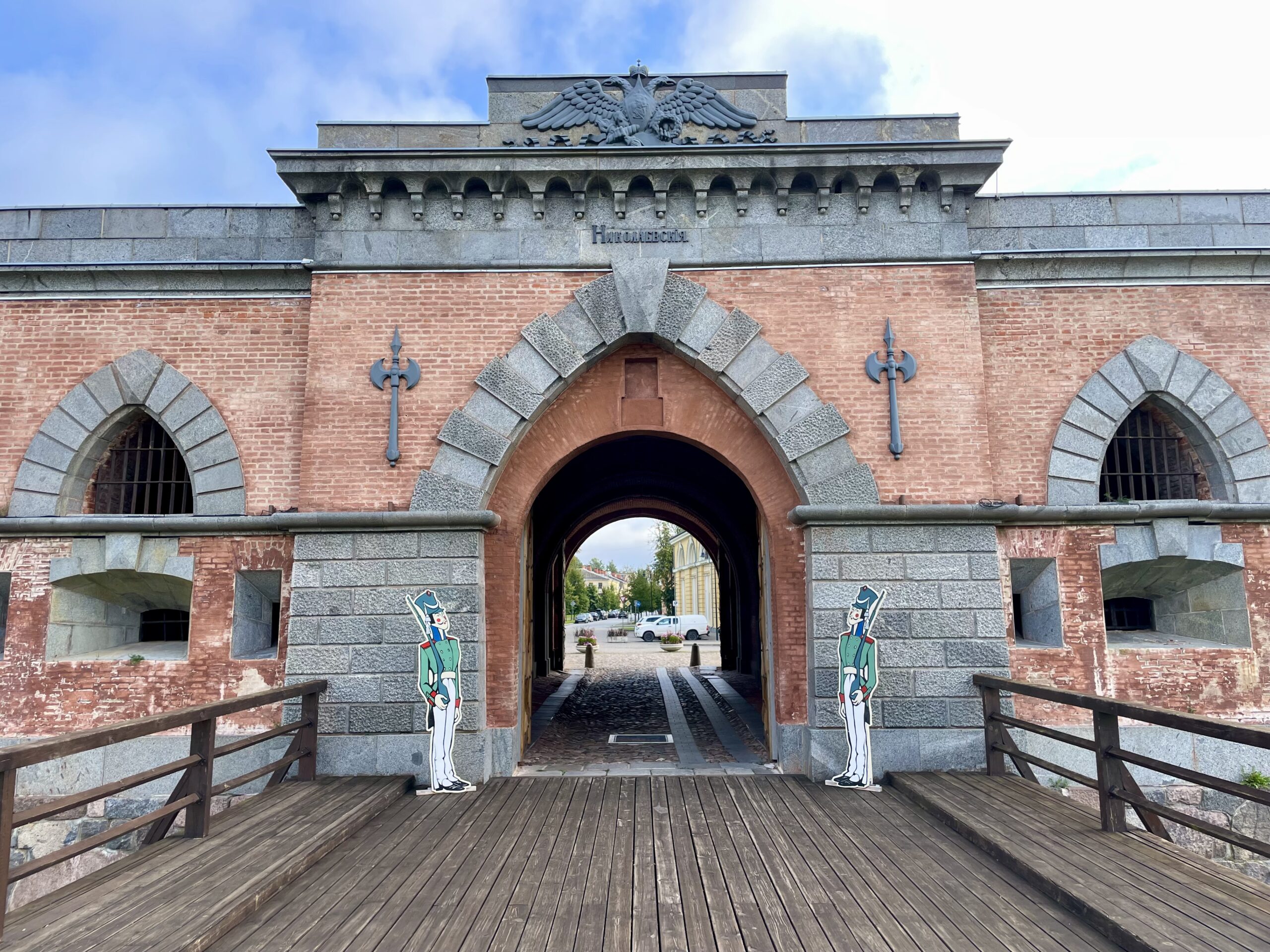
Daugavpils is Latvia's second largest city (about 80,000 inhabitants), situated on the Daugava river. The city is known for its fortress, museums and multicultural heritage. Daugavpils Fortress (Daugavpils cietoksnis) is a monumental early 19th-century stronghold, one of the best-preserved bastion fortresses in Europe, built on a star-shaped plan. It is often compared with Modlin Fortress or the Warsaw Citadel. The Latvian one impresses with its size: it covers 150 ha and is still surrounded by complete walls and ramparts. The citadel comprises 80 buildings along 10 streets. Originally there were 4 gates leading into it, 3 of which have survived to the present day.
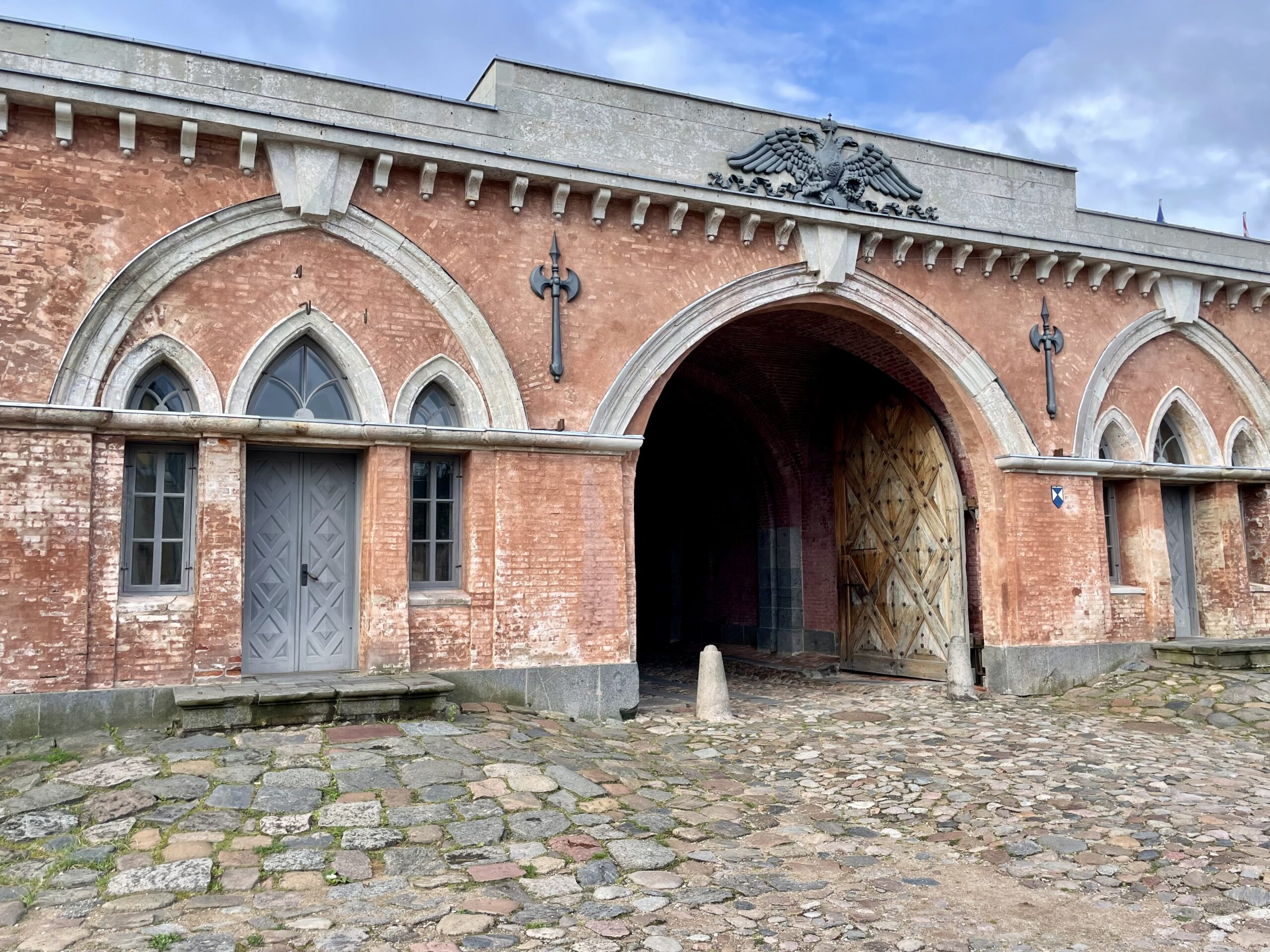
The fortress has an interesting history: when construction began in 1810, it was meant to be impregnable. It was put to the test as early as 1812, when it repelled Napoleon's troops, although it was only 10% complete at the time. Construction continued and the fortress was completed in 1878, but after Napoleon no one ever tried to take it again. For years the site was neglected and had a poor reputation. Today the fortress is being revitalised step by step, with new cultural and museum venues moving in. There is the Mark Rothko Museum, the only art centre in Europe devoted to this Latvian-born artist, who was born in Daugavpils and specialised in abstract expressionism. In addition to works by Rothko, you can see exhibitions of contemporary Latvian and international art, including some very interesting examples of ceramics. Also worth visiting is the “Engineering Arsenal” Centre of Technology and Industrial Design. The building that houses the museum was erected in 1840-1845. It originally served as an artillery workshop, with metalworking and carpentry shops, foundries and stores for equipment and ammunition. In communist times it housed troops and a school for aviation engineers. Altogether you can see more than 40 retro cars, some 75-80 motorcycles and mopeds, as well as models and accessories.
Old Believers in Latgale
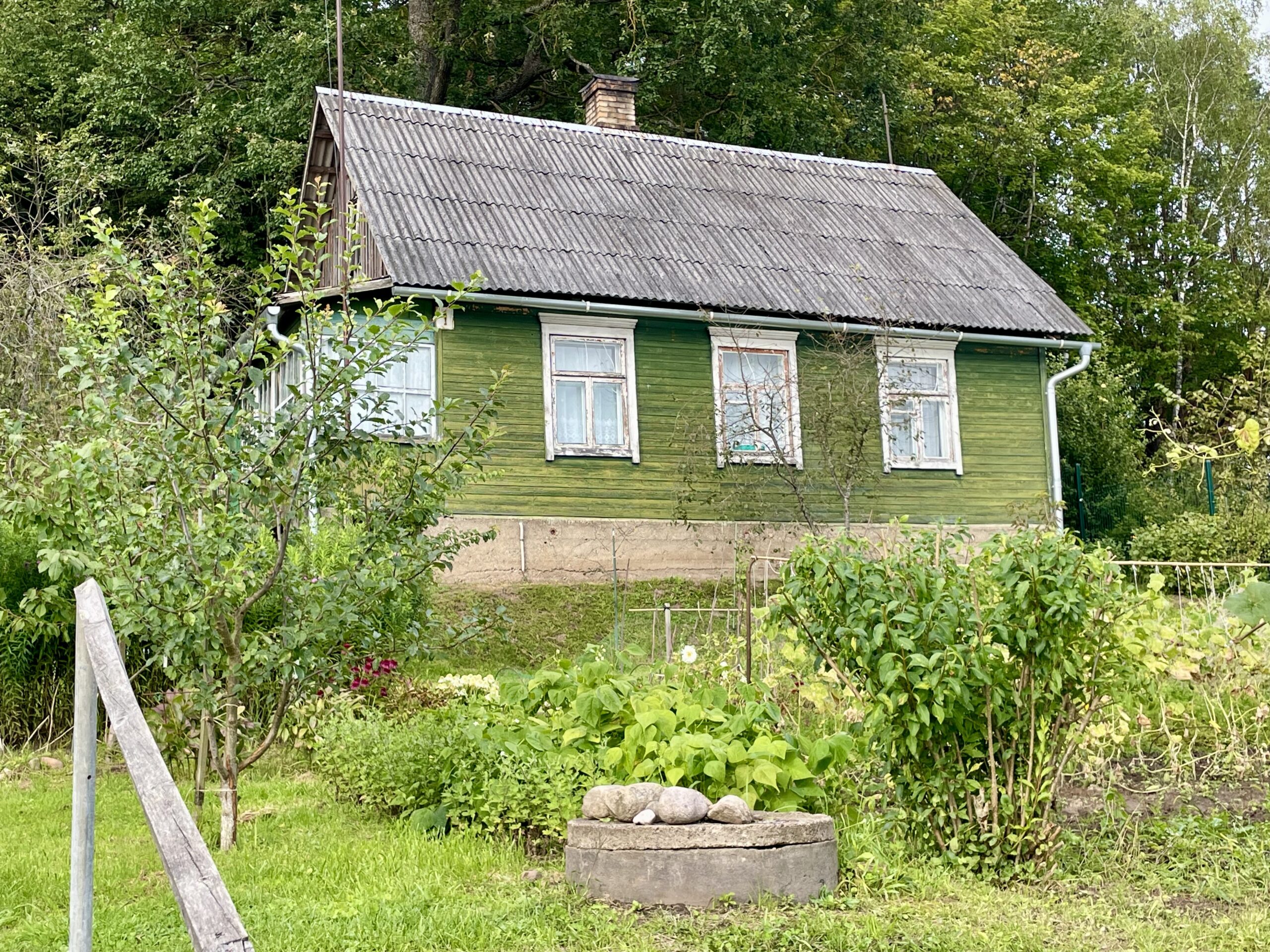
Often, even in a small town in Latvia, the faithful can choose between 5 places of worship: Catholic, Orthodox, Protestant, a synagogue and an Old Believer one. Latvia is home to one of the largest and most vibrant Old Believer communities in Europe. The Old Believers came to the lands of present-day Latvia mainly in the 17th and 18th centuries, fleeing religious persecution in Russia after the reforms of Patriarch Nikon. They settled in greatest numbers in Latgale, where in hard-to-reach forests and by the water they could remain isolated and practise their faith freely. They formed close-knit villages and communities in which life revolved around the moleny (prayer houses). The services of this Christian community are conducted in Old Church Slavonic and sung chorally without instruments, using old liturgical books from before the reforms.
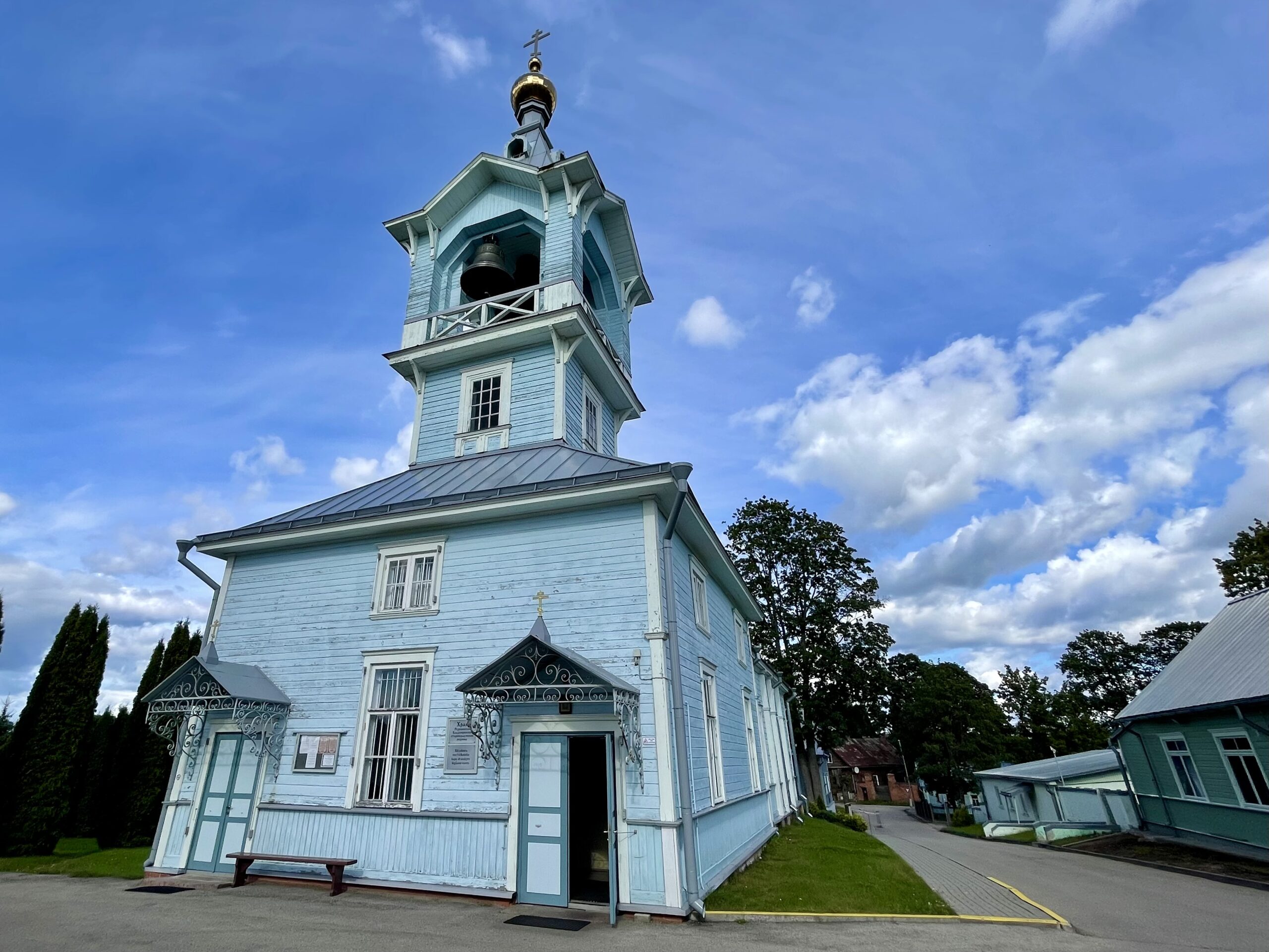
The Old Believers developed a distinct way of life: simple, disciplined and closely connected with nature. They wear modest, dark clothing; women must cover their heads with headscarves and may not enter church in trousers. The Old Believers' cuisine plays a special role: simple, based on fish, grains, bread and vegetables, and closely tied to their many fasts (more than 200 days a year). It is estimated that around 70,000-100,000 Old Believers live in Latvia, making them one of the largest religious minorities in the country. Latgale hosts festivals of Old Believer culture featuring traditional songs, costumes and crafts, and in 2011 the traditions of Latgale's Old Believers were inscribed on the Latvian List of Intangible Cultural Heritage. In Latvia the Old Believers are cited as an example of a community that has managed to preserve its identity for centuries despite isolation and outside pressure.
Ludza and its “šmakovka”
When in Latgale, be sure to try “šmakovka”. This potent moonshine contains 40-70% alcohol. Some might simply call it “hooch”, but in reality it is more than that: a part of local culture and identity, to which as many as 4 museums in the region are devoted.
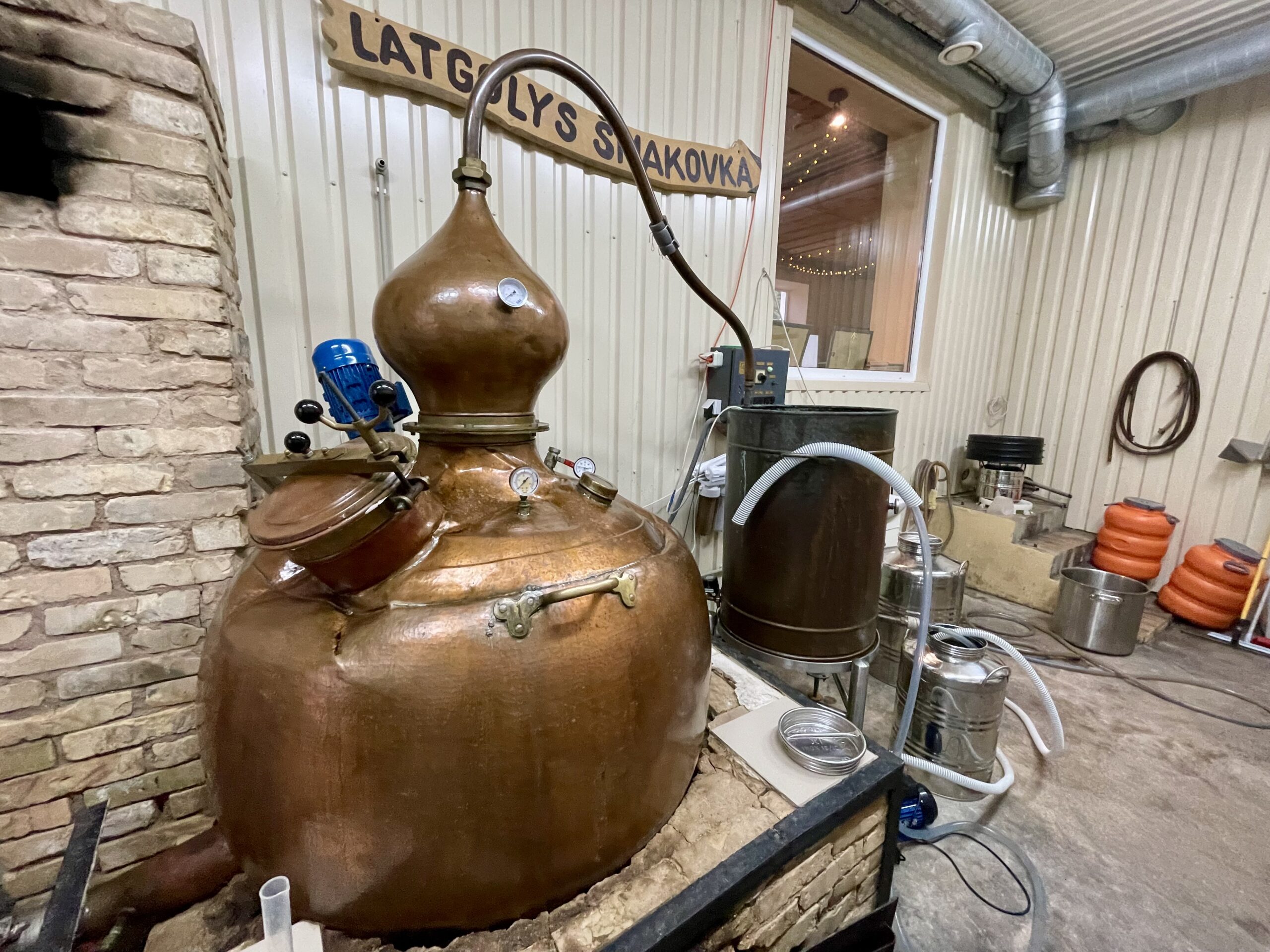
Šmakovka is a strong home distillate, usually made from rye, potatoes or sugar beet, sometimes with honey or fruit added. In Latgale, šmakovka was an important source of extra income and part of village celebrations. Although its production was not always legal, it survived for years as a home tradition passed down from generation to generation. Today the drink is a symbol of regional identity and an officially recognised part of Latvia's cultural heritage.
Polish residences in Latvia
There are at least several Polish residences in Latvia worth seeing, in both Zemgale and Latgale. One of them is the Kierbedź Manor in Lūznava (Dłużniew in Polish), a residence built in the Art Nouveau style at the beginning of the 20th century for Stanisław Kierbedź, a well-known engineer and bridge builder. It is worth remembering that the first steel bridge over the Vistula in Warsaw, built in 1859-1864, was based on Stanisław Kierbedź's design. The bridge was blown up twice, first in 1915 by Russian troops and again in 1944 by German troops. Today the Śląsko-Dąbrowski Bridge stands in its place, built on the surviving piers of the old Kierbedź Bridge and forming part of Warsaw's W-Z Route. The basement of the residence houses a fascinating interactive museum devoted to the Kierbedź family, while the upper floors have been converted into a hotel.
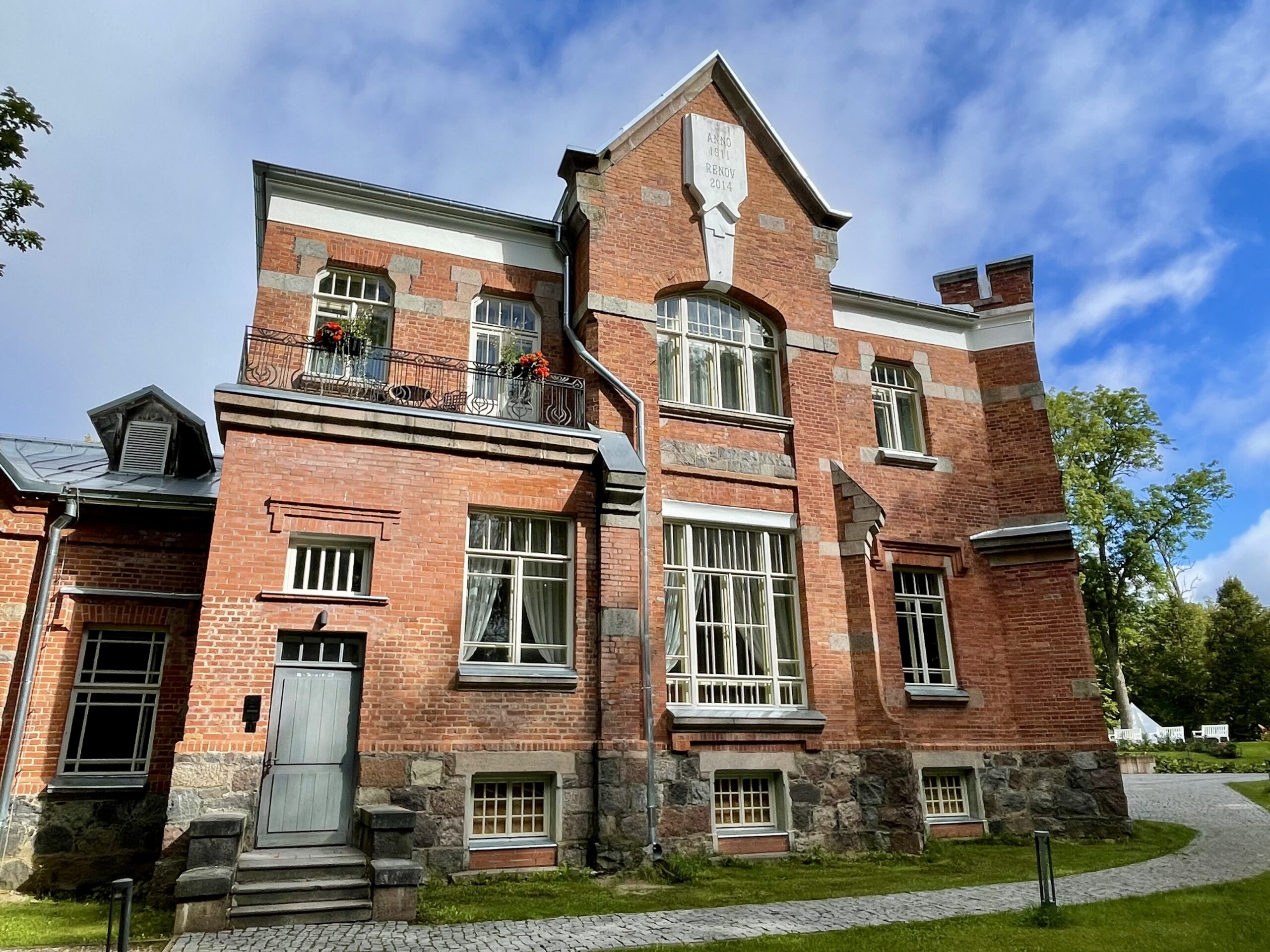
Another place worth mentioning is the manor in Kurmene, in the Bauska district of Zemgale, which from the mid-17th century belonged to the Polish counts Komorowski, whose descendant Bronisław Komorowski was President of Poland from 2010 to 2015. In the first half of the 19th century, the Komorowski counts built many of the manor's outbuildings, including an artificial castle ruin that formed part of the park. In 1870 Count Antoni Komorowski built a new brick Catholic church in the classicist style in Kurmene.
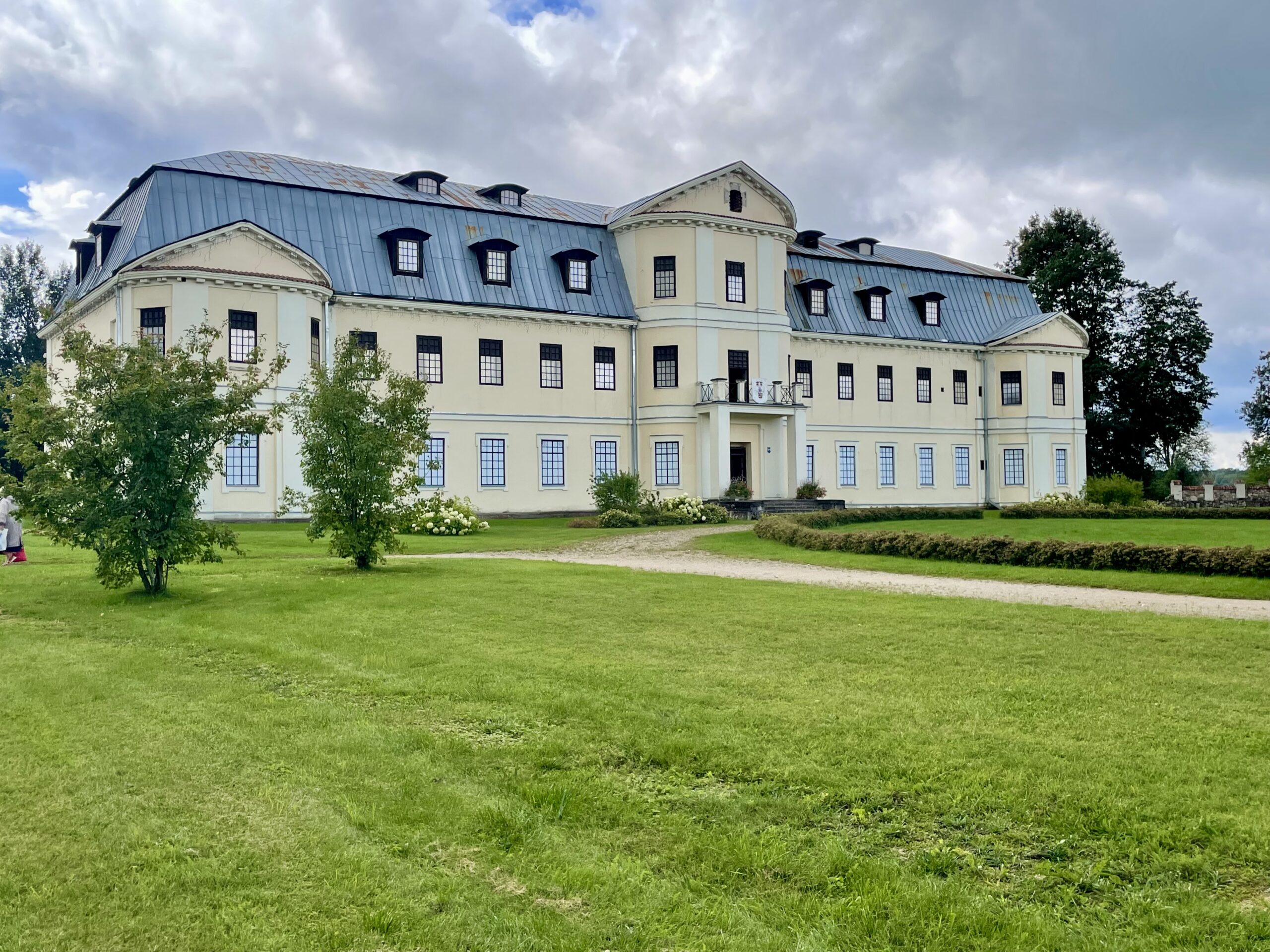
In Krāslava (Krasław in Polish) you will find the residence of the Plater family. The Platers were originally a German family from Westphalia who became Polonised and part of the Polish patriotic elite. The Polish heroine Emilia Plater came from this family. From a distance, their residence appears to be in perfect condition. Unfortunately, the interiors are still awaiting restoration and are not yet open to visitors. The buildings around the palace now house a good restaurant and a crafts centre, where woodworking and stained-glass workshops are held.
A journey through Zemgale and Latgale is a journey through time, from baroque palaces and medieval castles to the heritage of the Old Believers and the history of Polish noble families. It is also an encounter with beautiful nature, a local language, šmakovka and the remarkable hospitality of the people. Away from the capital, Latvia delights with its unexpectedness and diversity: it is a place where history meets modernity and tradition meets adventure.