Tunisia - a Sahara you will fall in love with
The vast Sahara, the Atlas Mountains, oasis landscapes and a rich cultural heritage make an excellent destination for travellers seeking authentic and unique experiences. Tunisia already has extensive facilities for welcoming tourists in the south of the country. With every month, new projects will appear in Tunisia's Saharan region, and they will be key to unlocking the area's enormous economic potential. Those in charge of tourism stress that development must under no circumstances come at the cost of environmental degradation or the cultural erosion of local communities.
The social goal is to get more women into work and to create more jobs, which must be available first and foremost to local residents. It is also important to introduce plastic-free zones in the Sahara and regulations on the management of drinking water and waste.
Matmata - a prelude to the Tunisian Sahara
The landscape of Matmata is one of the most extraordinary and unique sights in the whole of North Africa. It stands out for its unusual troglodyte homes, built into the soft rock, and desert hills in colours reminiscent of another planet. The village is surrounded by dry, rocky hills shaped by erosion. Their colour - from yellow to reddish brown - matches the harshness of the surroundings.
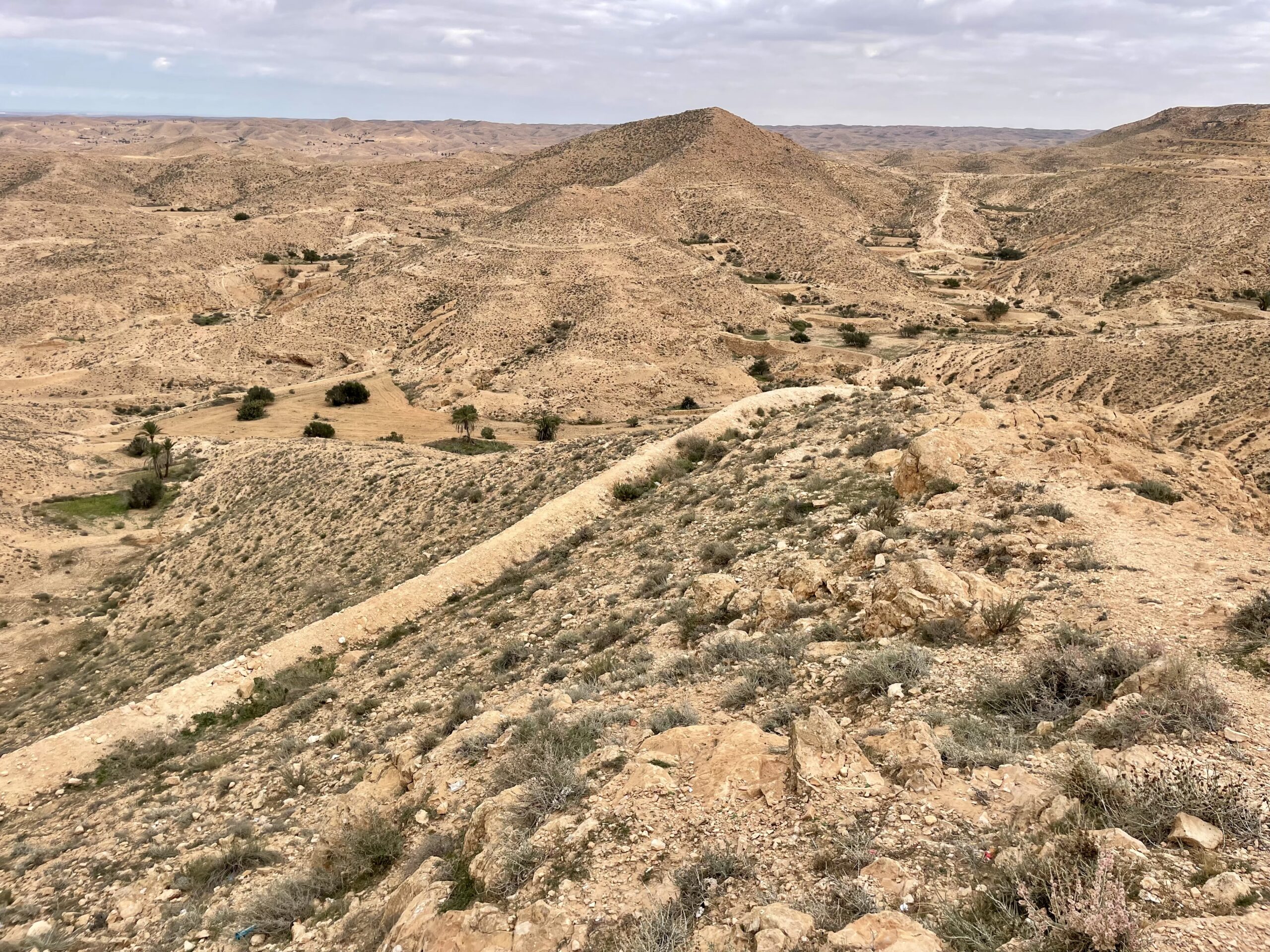
These almost barren hills are dotted with a few drought-resistant plants. The landscape looks positively lunar, which fascinated the makers of Star Wars, who shot many scenes in this setting.
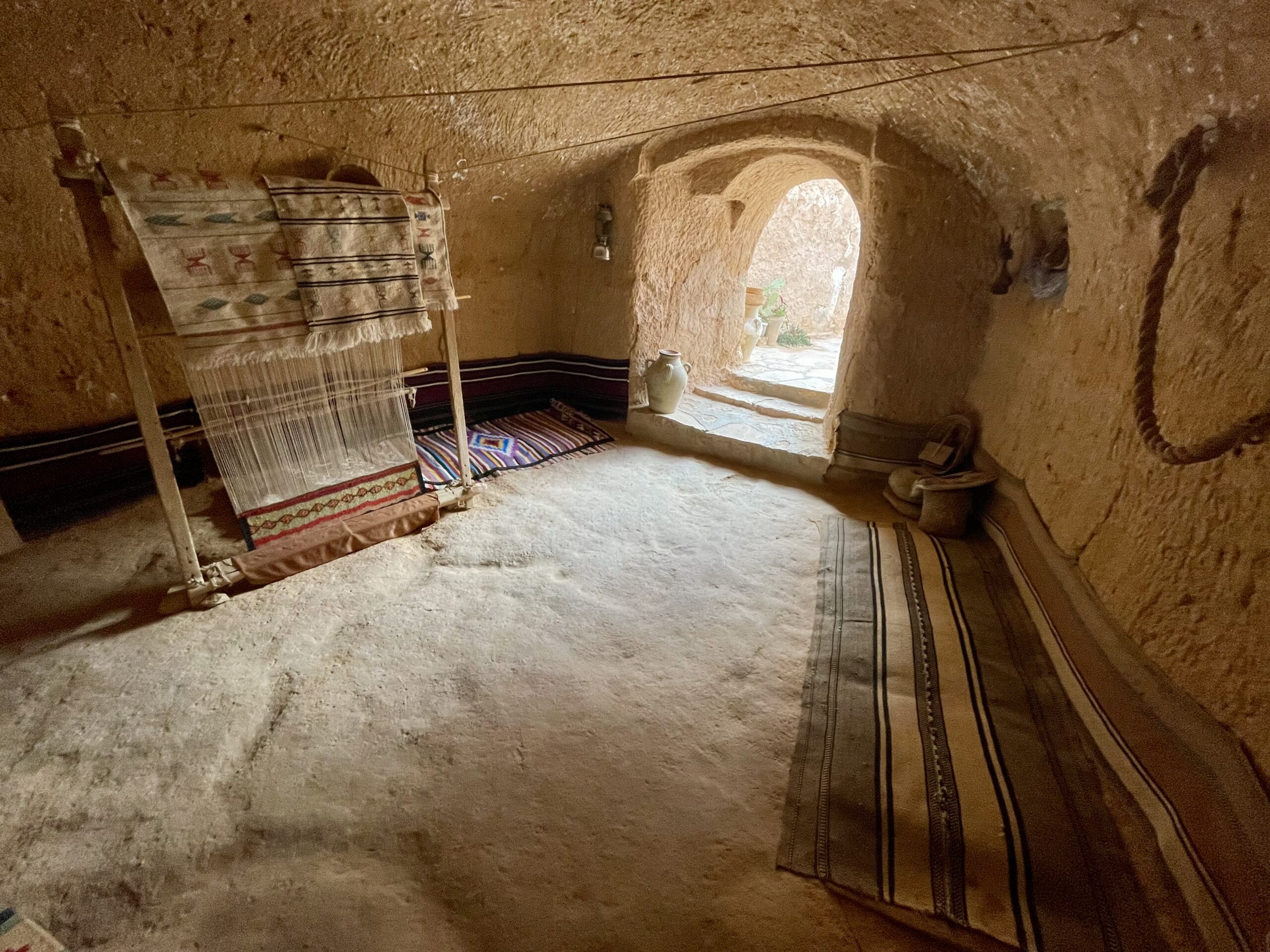
The most distinctive feature of Matmata's landscape is its troglodyte homes. Built into soft sandstone, these dwellings are almost invisible from a distance because they lie below ground level. They consist of a central courtyard surrounded by living quarters carved into the rock. This layout provides protection from the extreme desert climate - heat by day and cold at night.
Douz - a town steeped in nomadic culture
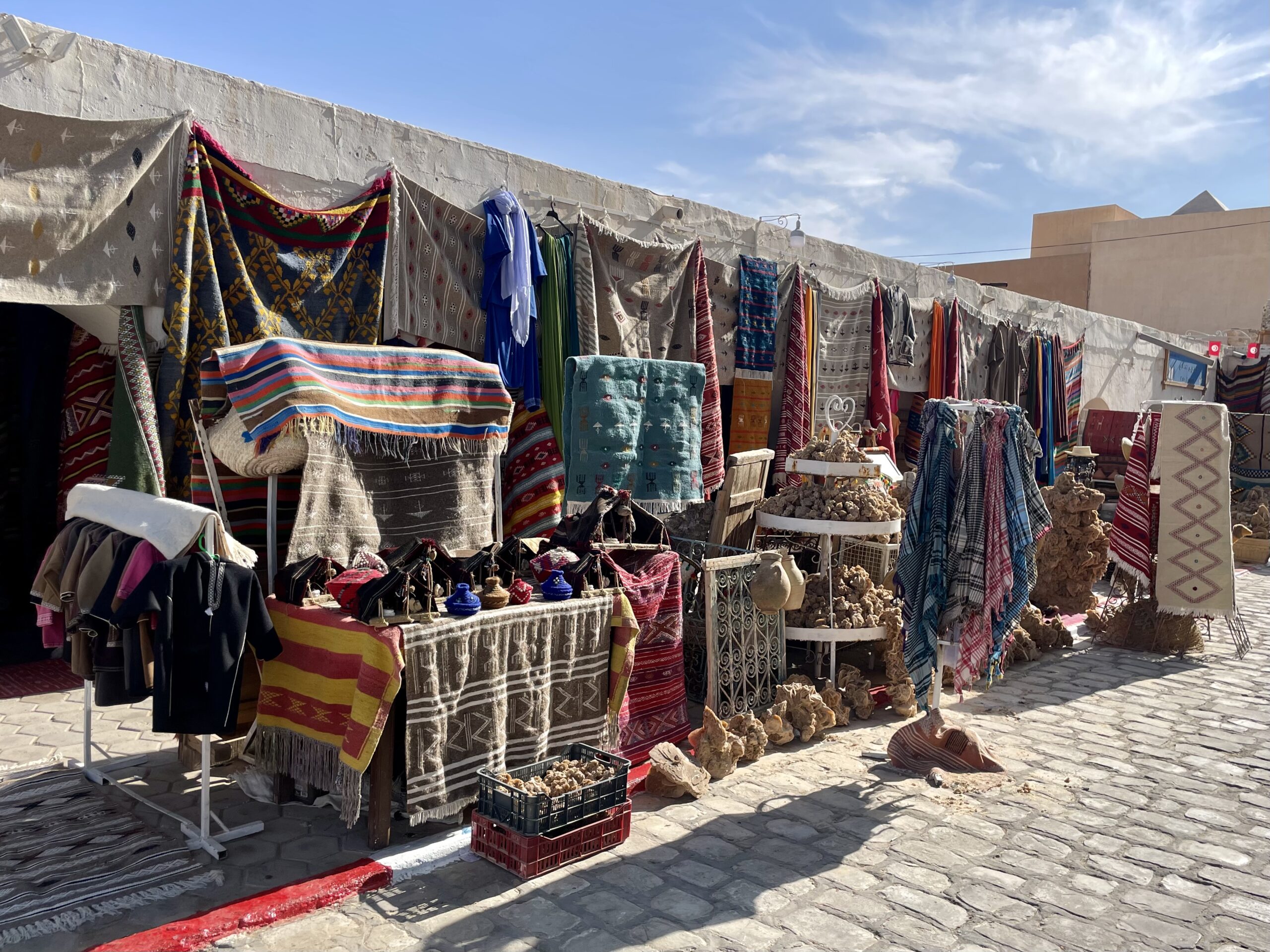
No traveller visiting southern Tunisia should miss the town of Douz. Located on the edge of the Sahara, it is often called the “Gateway to the Desert”. There is hardly any commercialism here, and the authenticity of local life is what draws visitors. Douz is one of the last places where nomadic culture is still alive, as you can see in the traditional dress of the Bedouin, their unique customs and their skill at surviving in the desert. Here you can meet Bedouin who have crossed the desert with camel caravans for centuries. The town is famous for traditional crafts such as hand-woven carpets, jewellery and clothing.
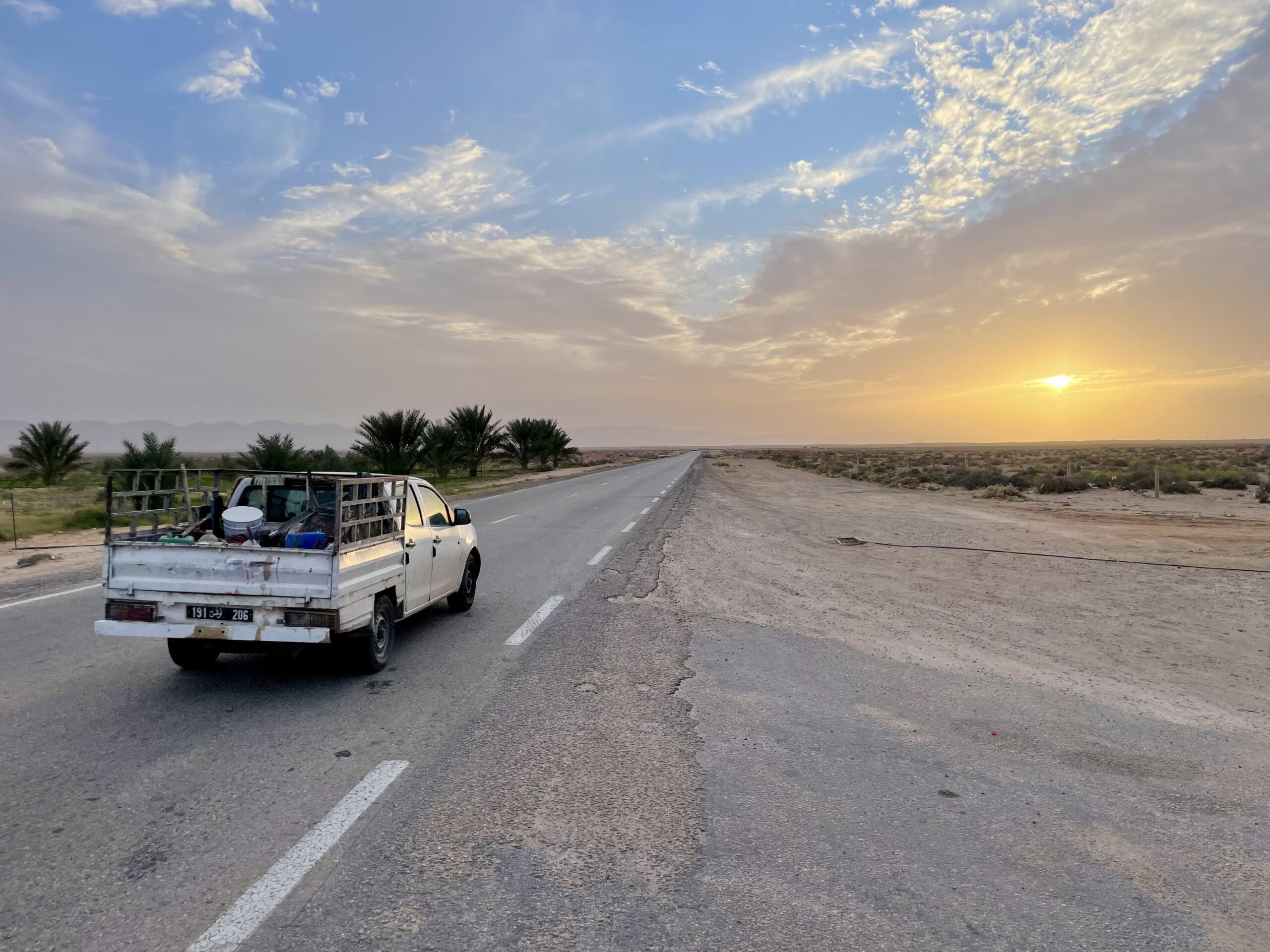
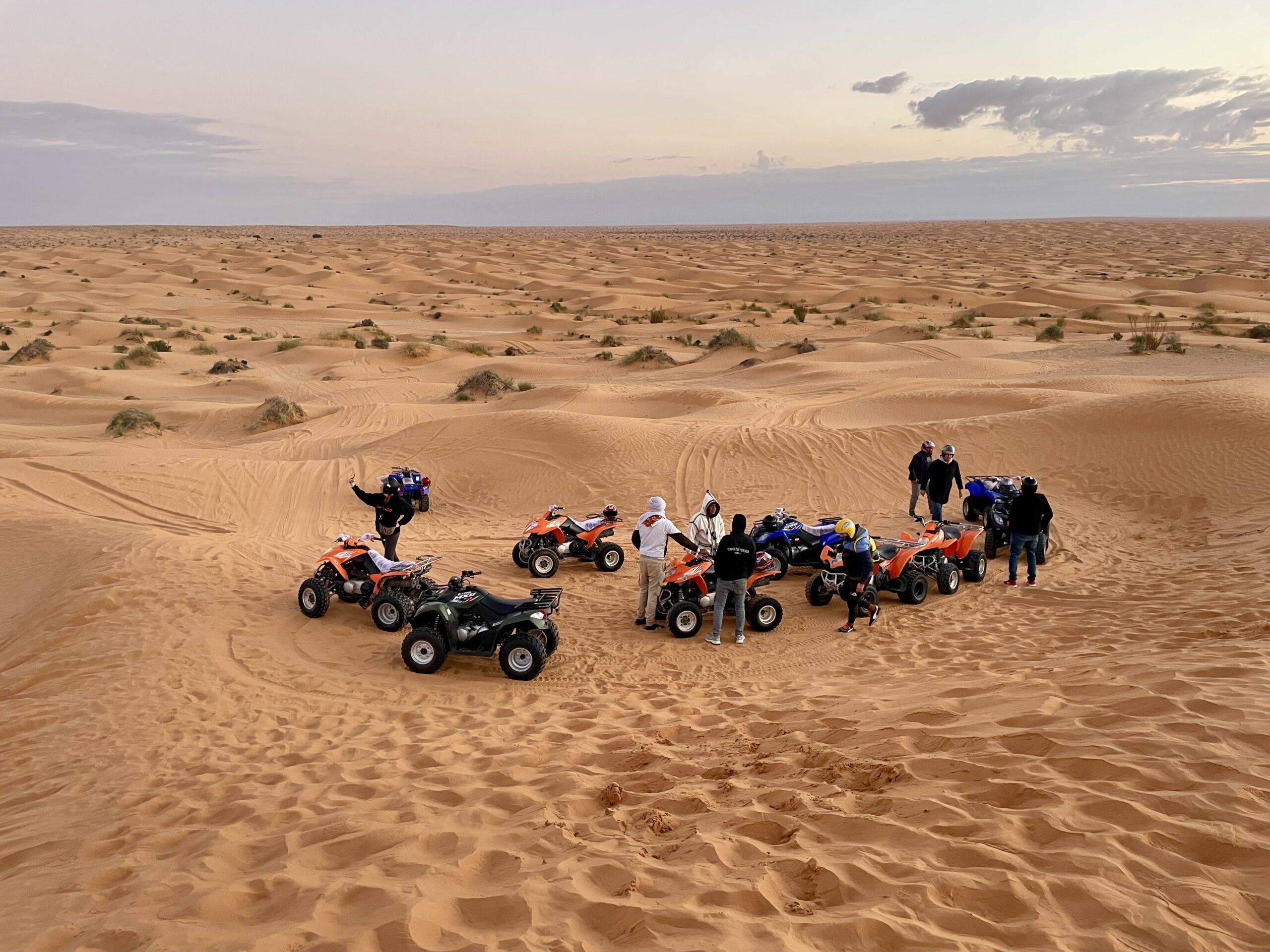
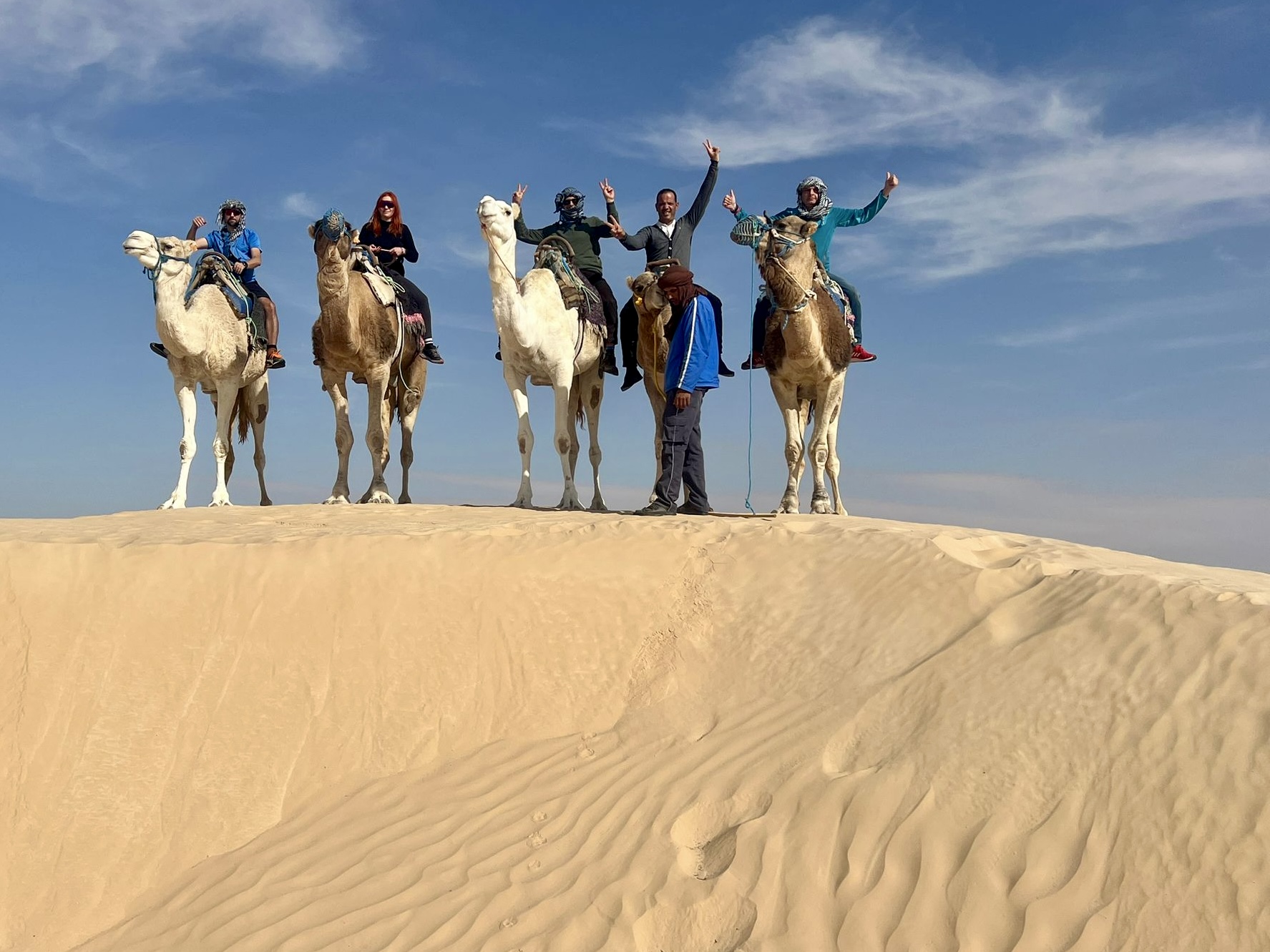
The Sahara begins on the outskirts of Douz and offers visitors plenty of attractions. You can ride a camel or a quad bike, or set off on a multi-day expedition deep into the desert. The surrounding dunes and the starry night sky also create perfect conditions for photography and nature watching. An hour's camel ride costs around 50 PLN and leaves you with a wealth of unforgettable memories. For adventurers, the ideal option is to rent a car and explore the Sahara, which is criss-crossed by a network of good-quality tarmac roads. Driving across the desert is easy and enjoyable, but take care at dips that cross the road, where a temporary river forms after rain.
The Ksar Ghilane oasis
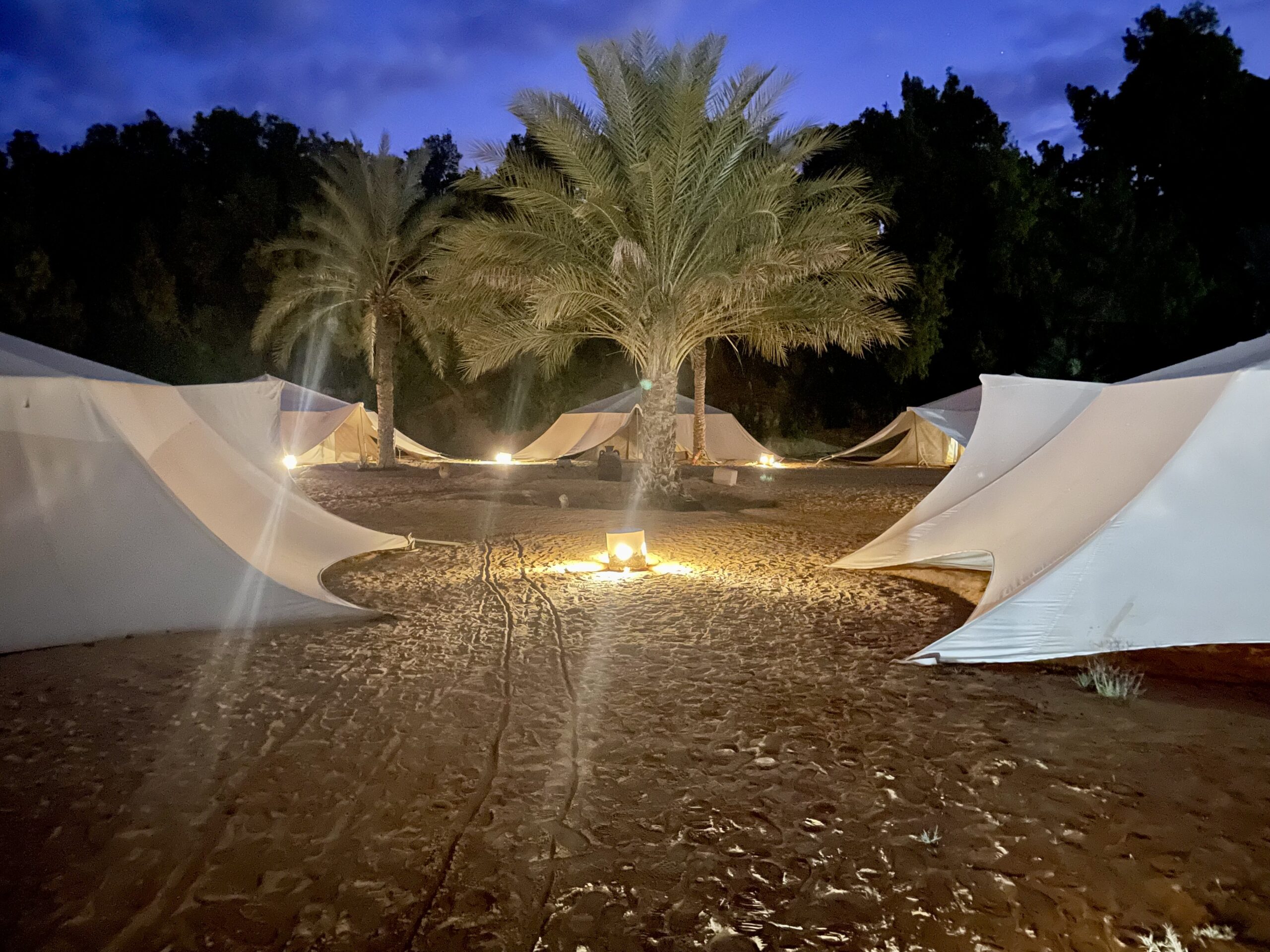
Spending a night in an oasis surrounded by endless desert is an unforgettable experience. In the oasis, electricity comes from generators, and water is drawn from underground springs or treated, which gives it a distinctive smell. The accommodation is well prepared for guests: tents, brick cottages, a reception with Wi-Fi, and showers. Restaurants and cafés in the oasis serve simple dishes and excellent coffee.
Many people dream of watching the sun rise over the desert. That means getting up before 6:00 and taking a quad bike trip into the desert to witness a breathtaking spectacle. After a short briefing you head deep into the desert, and the highlight of the trip is climbing a dune and waiting for the amazing show.
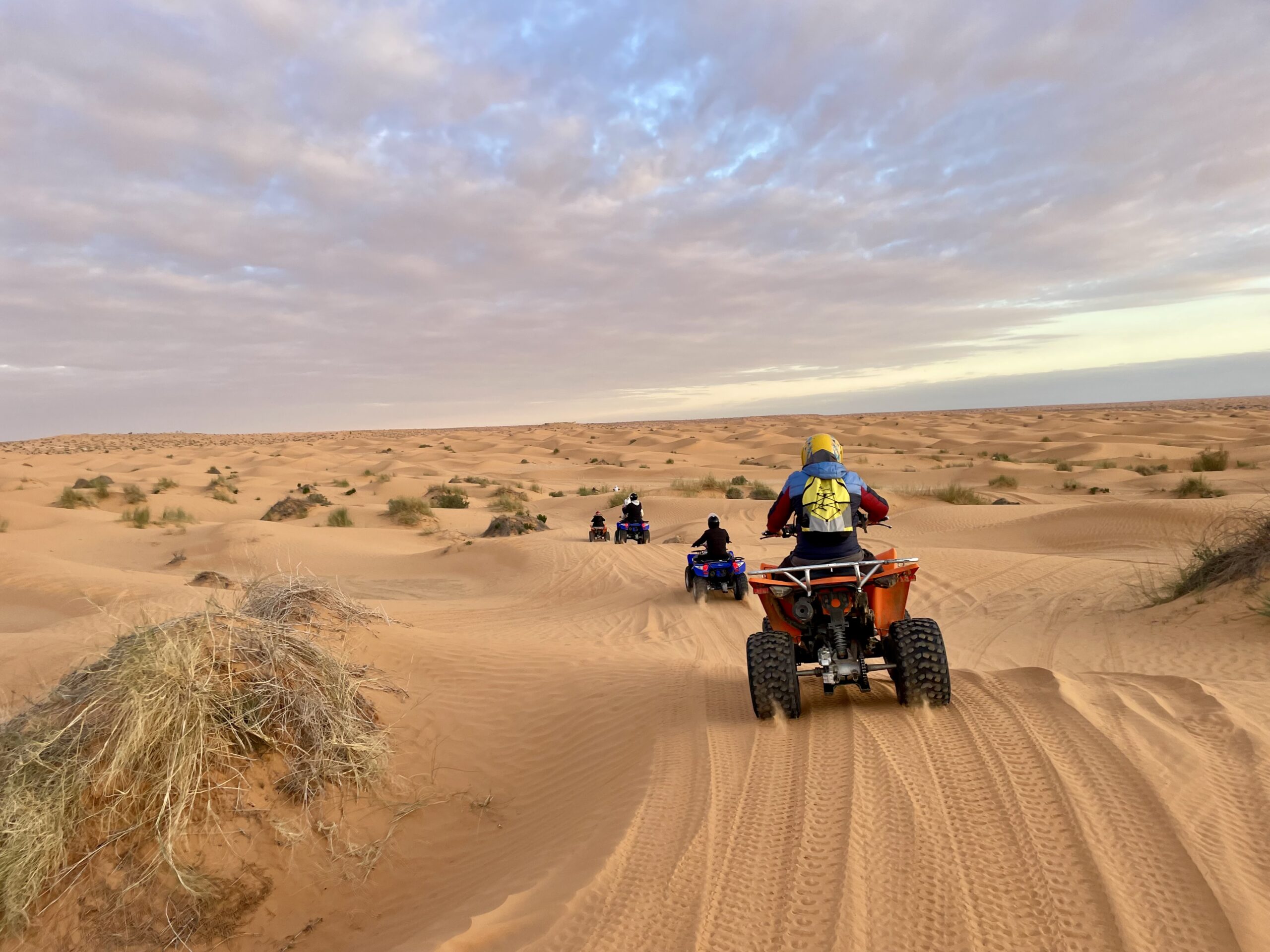
As soon as the first rays of sunlight break over the horizon, a golden glow envelops the dunes, creating a magical play of light and shadow. The sense of silence and vast space at that moment stays with every observer for a long time.
Tozeur - gateway to the Sahara
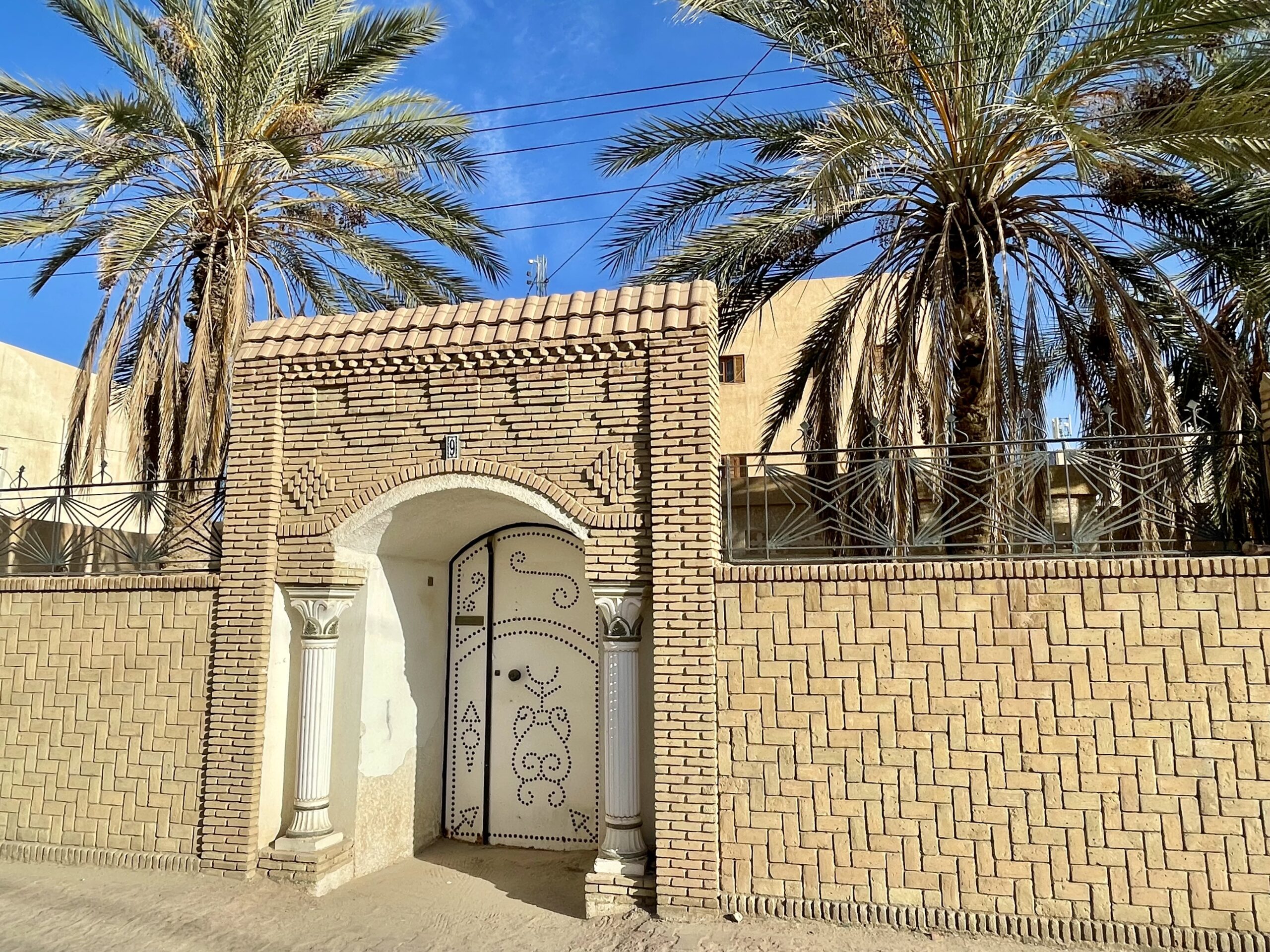
Most buildings in Tozeur have façades decorated with distinctive light-coloured brick. The bricks are laid in geometric patterns such as diamonds, zigzags, palm trees and hexagons. Even modern public buildings keep to this architectural style. The medina of Tozeur, the old town, is a maze of narrow, winding alleys, often covered by arcades that help shelter you from the heat. As you stroll, look out for hidden clues in the façades, such as arch-shaped brick patterns that help you locate the mosques.
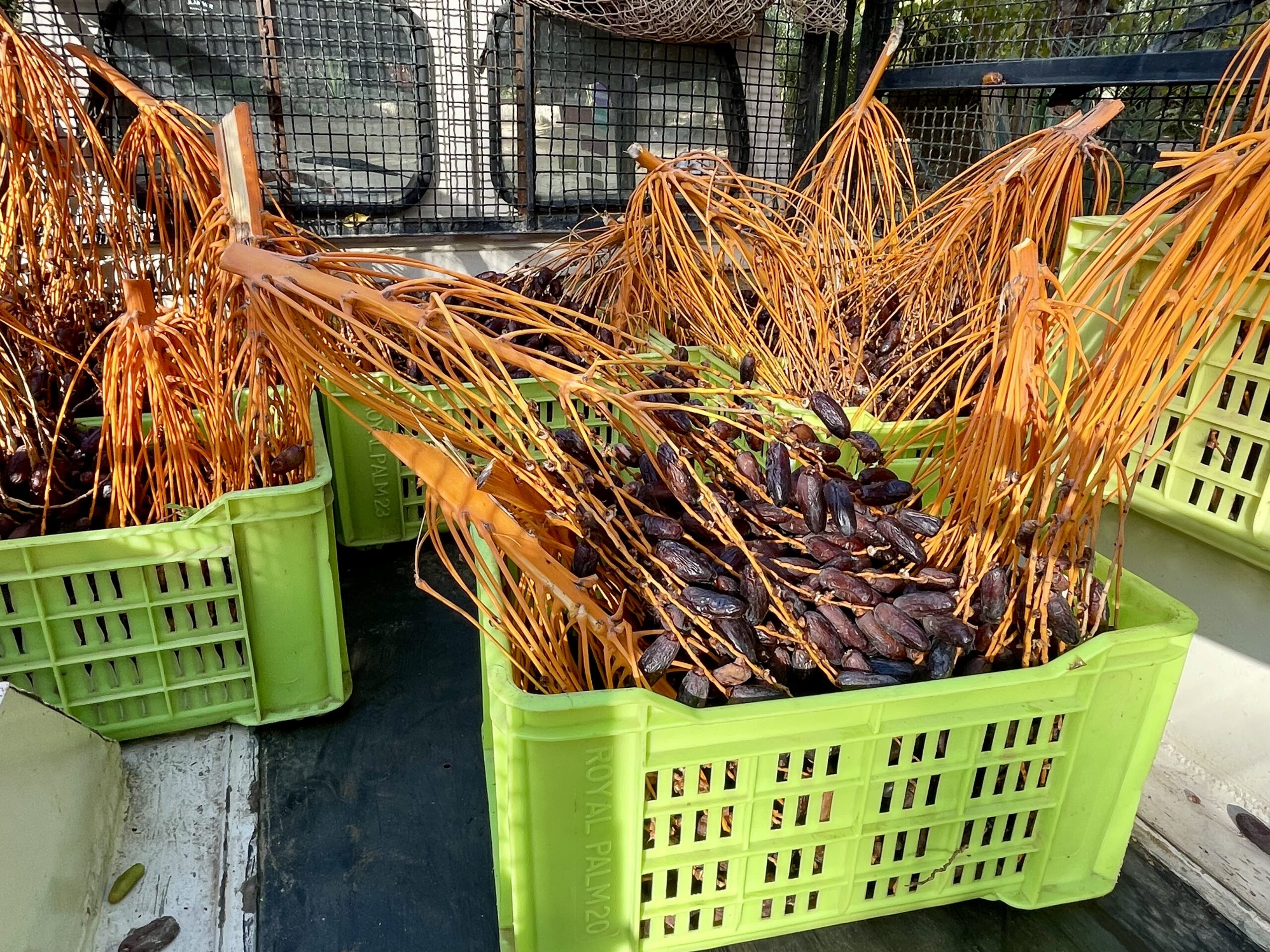
Dates have been grown in the oasis near Tozeur for 700 years. Its 1,000 hectares are also home to banana and pomegranate trees. Tunisia exports high-quality dates in some 200 varieties. While there, you can visit the Date Museum, stay in one of the bungalows or watch these sweet fruits being harvested.
Tunisian culinary specialities
Tunisia delights with a variety of flavours and aromas that reflect the region's rich culture and history. Among its culinary treasures, four exceptional dishes stand out:
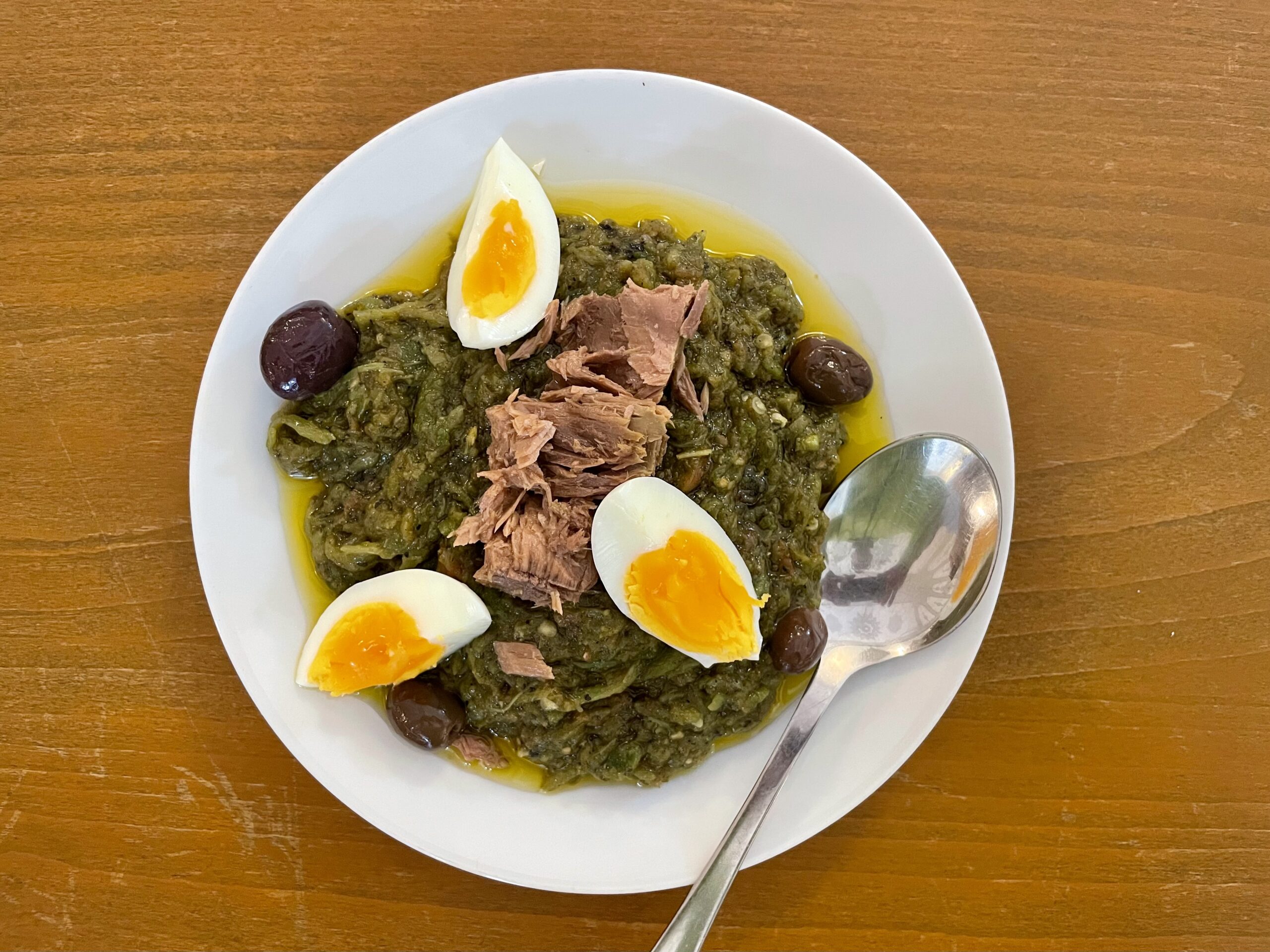
Mechouia salad is a classic Tunisian starter whose main ingredients are grilled or roasted peppers, tomatoes and onions. Grilling gives the vegetables a distinctive smoky flavour. The vegetables are then finely chopped or blended into a paste and seasoned with olive oil, garlic, lemon juice, salt, pepper and often harissa, a hot chilli paste. The salad is usually garnished with olives, hard-boiled egg or pieces of tuna. It can be spicy, and a little extra olive oil softens the heat.
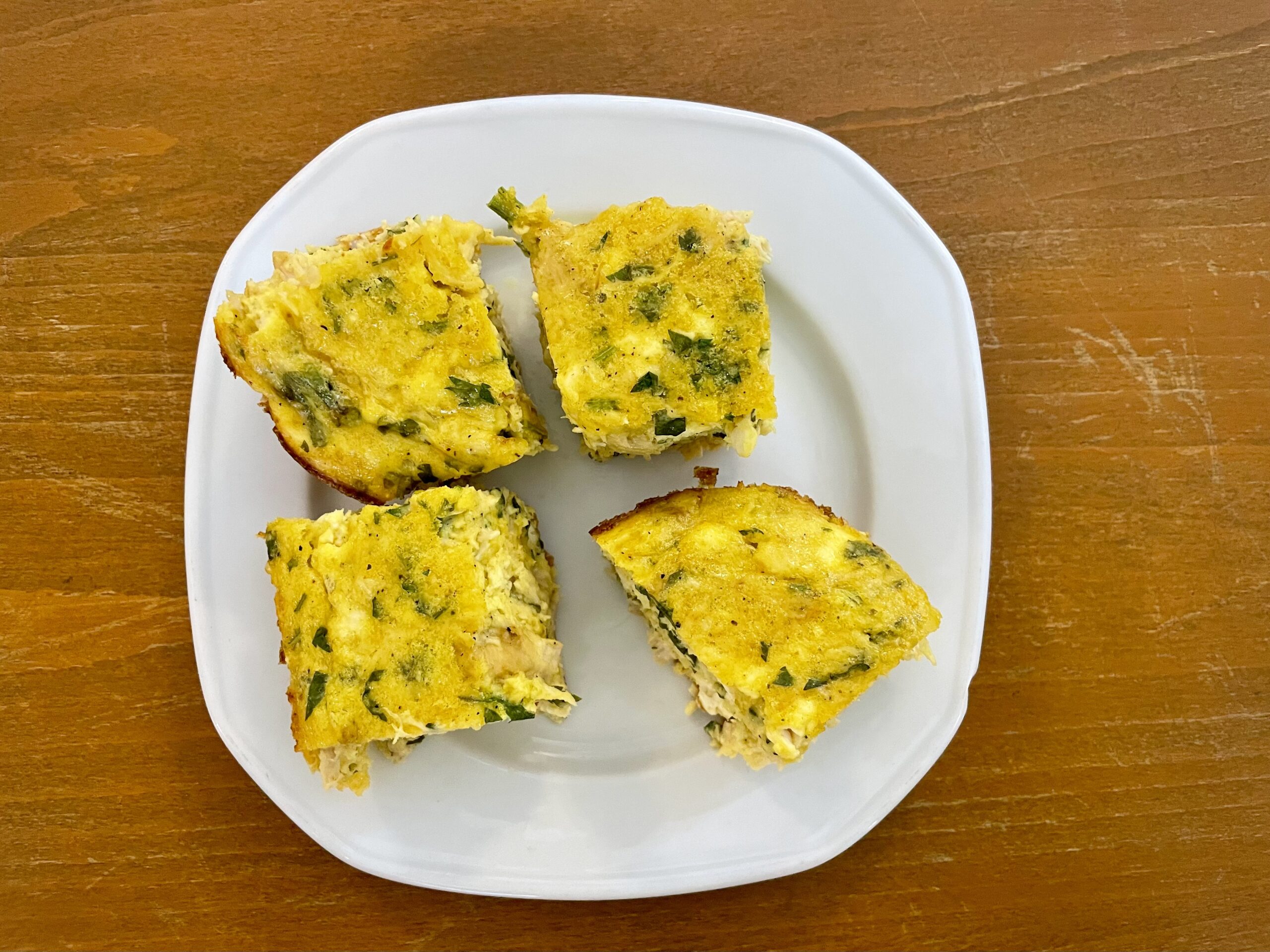
Tunisian tajine differs from its Moroccan counterpart - it is more like an omelette or a bake. It is made with eggs, meat (usually chicken or lamb), potatoes, cheese and aromatic spices such as turmeric, cinnamon and coriander. This hearty, fragrant dish fully captures the character of Tunisian cuisine.
Brik is a crispy deep-fried snack. It is made from thin malsouka pastry (similar to filo), and its classic filling consists of egg, tuna and parsley. Onion, capers, potato or cheese are often added too. Brik is popular both as a starter and as a main meal. It is often sold at street stalls.
To round off your meal, try bouza, a traditional Tunisian dessert with a creamy texture. It is made from nut flour, most often almonds, hazelnuts or sesame. The mixture is cooked until velvety and then served chilled. Bouza is often sprinkled with toasted nuts or cinnamon, which enriches its flavour.
Tunisia is rightly regarded as a superb place for a seaside holiday. Its coastal infrastructure is appreciated by a growing number of Poles, who are currently (2024) the third-largest nationality visiting this friendly African country. Tour operators are aware of the huge potential of the south of the country. It seems that in the coming years more and more Poles will decide to travel to the Tunisian Sahara.