Quebec - Canada's fascinating province
Canada's Quebec is deeply rooted in European culture, yet steeped in a heritage all of its own. Although you will find yourself looking for similarities with both the Old Continent and the mighty American neighbour to the south, a visit to this province is one long series of surprises.
In terms of area, Quebec is comparable to France, Spain and Germany combined. In terms of population, however, it is more like Austria, despite being almost 150 times larger. It is home to around 9 million people. The largest cities are Montreal and Quebec City, and Quebec's most distinctive feature is that it is French-speaking. Suffice it to say that Quebec City is more French than Paris: as many as 93% of its residents consider French their mother tongue. The local culinary icon is maple syrup, and the province dominates its global production.
The two most important cities in the province are Montreal and Quebec City, and although they are only 250 kilometres apart, they are two different worlds that complement each other. Montreal dazzles with the energy of a modern metropolis, its cultural diversity and its relaxed atmosphere, while Quebec City transports visitors to a world of cobbled streets, historic walls and the story of colonial expansion in North America.
Montreal
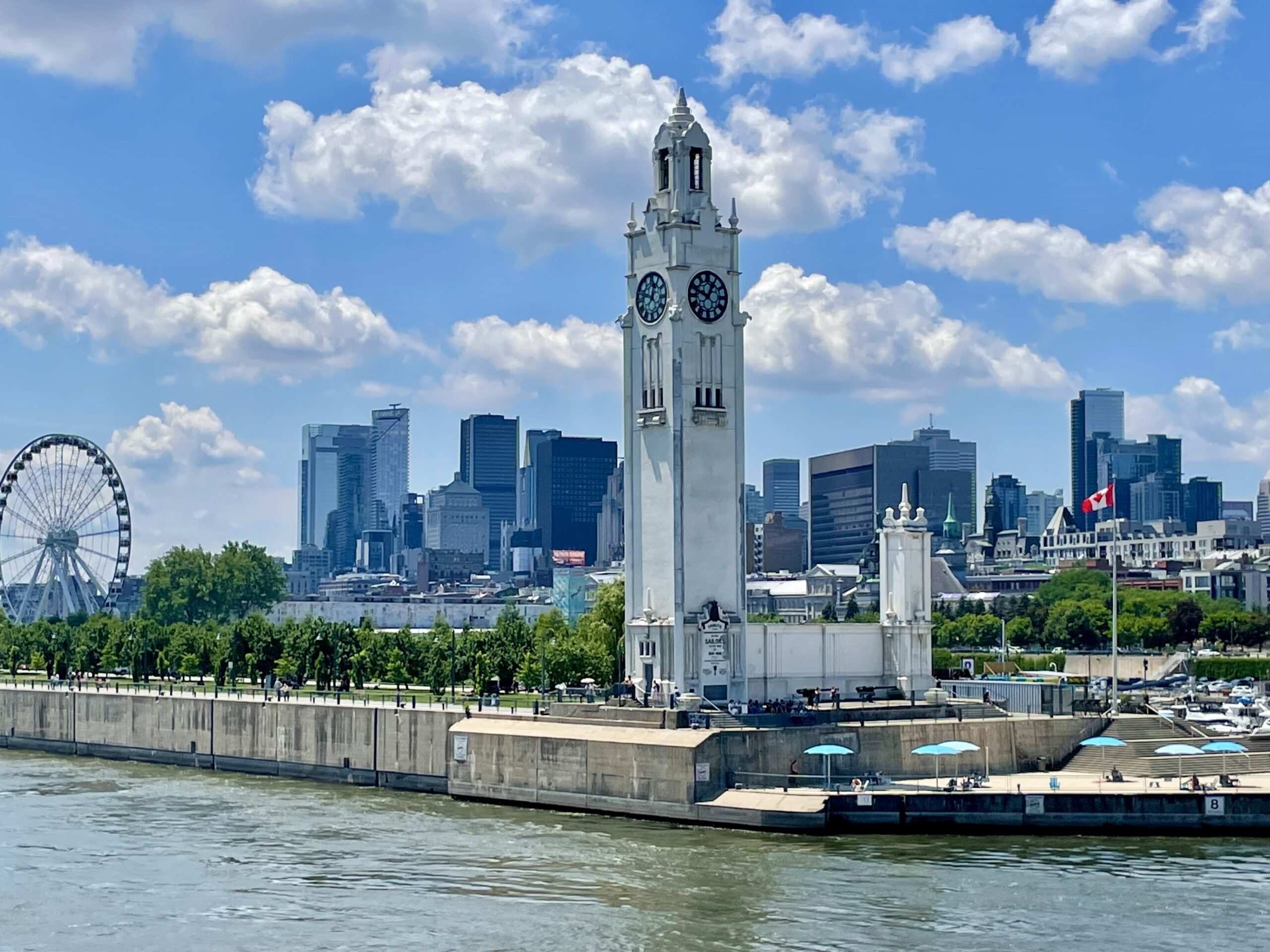
Montreal is the largest city in the province of Quebec and the second largest in Canada. It is a place where French culture meets the North American way of life. Modern skyscrapers stand side by side with historic districts, while numerous parks, cycle paths and festivals keep the city buzzing all year round. Montreal is an intriguing blend of American and European identity.
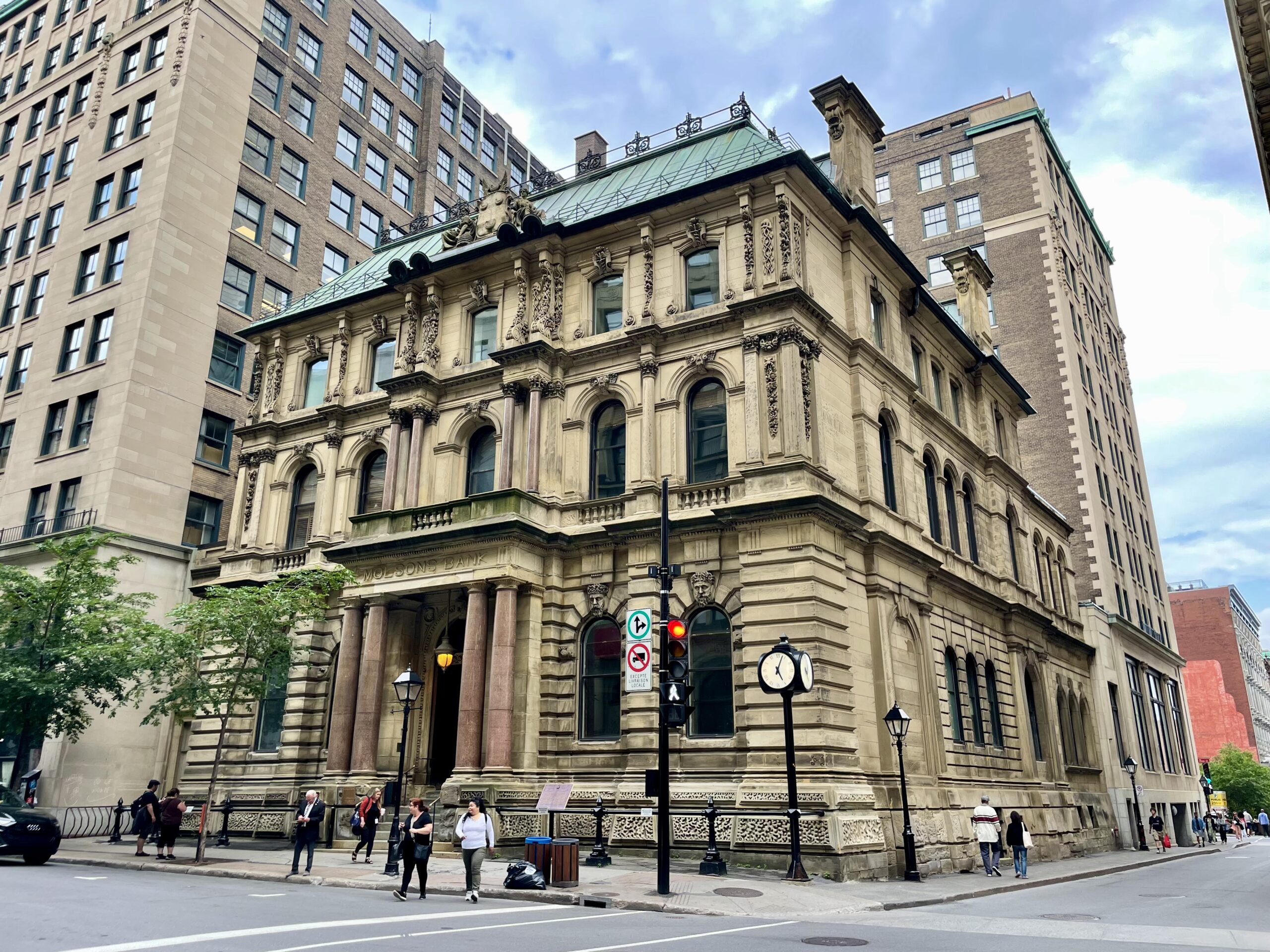
The most atmospheric part of Montreal is Old Montréal (Vieux-Montréal), the historic centre founded in the 17th century. Strolling along its elegant streets, you can admire townhouses styled after those of Paris and London, graceful squares and countless cafés and restaurants. The focal points of the district are Place Jacques-Cartier and the impressive Notre-Dame Basilica, regarded as one of the most beautiful churches in Canada, where Céline Dion got married.
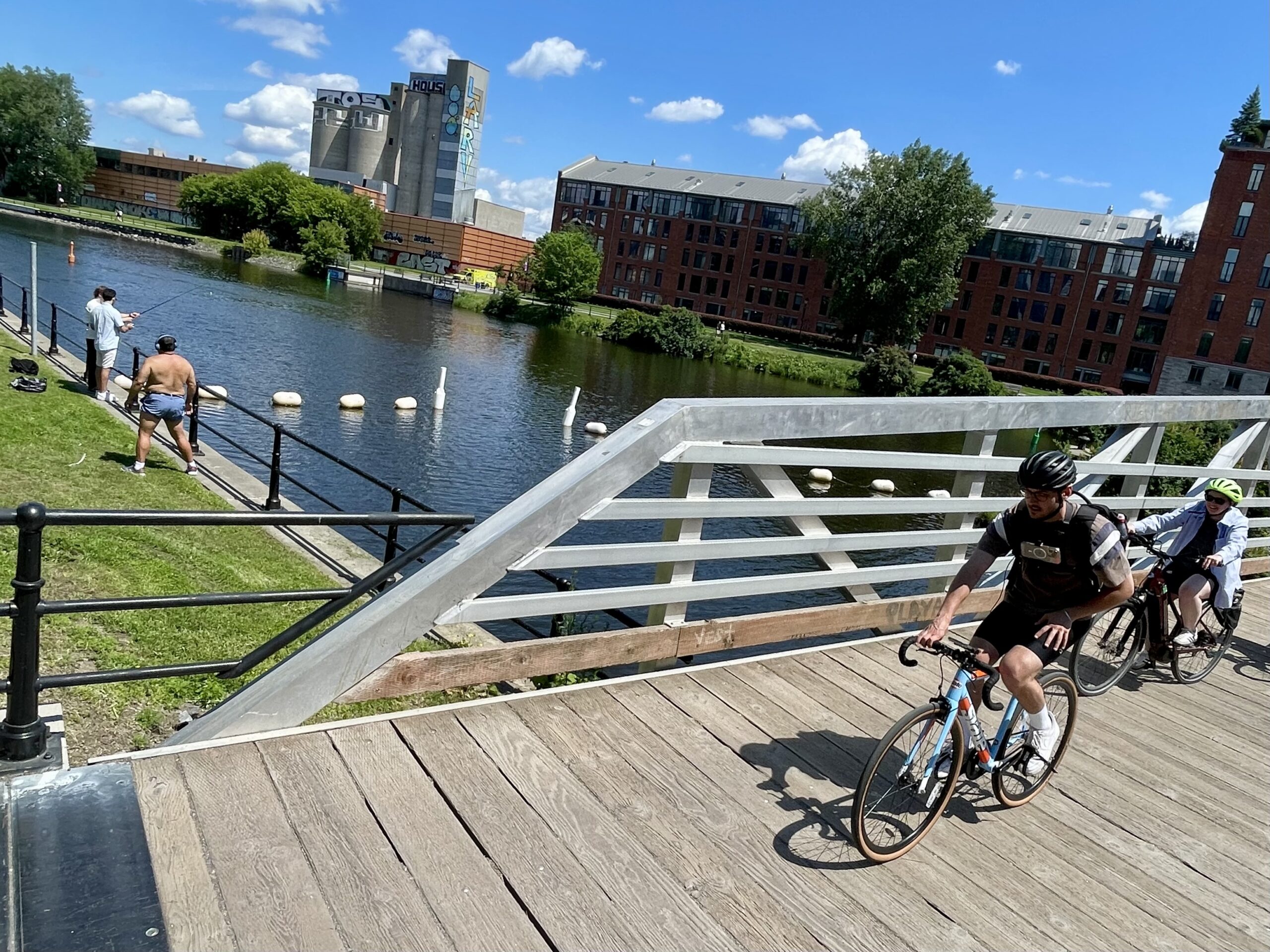
The Lachine Canal is one of Montrealers' favourite spots. Dug by Irish labourers, it was once an important transport route that drove the city's industrial growth; today it is a popular place for recreation. One of the finest cycle routes in Canada runs along the canal, and some of the old brick buildings have been converted into boutique distilleries and breweries. In summer you will see kayakers, cyclists and people strolling along the waterfront.
The banks of the St Lawrence River are full of life all day long. There are concerts, outdoor events and firework displays, and cruise boats set off from the port for trips along the river. This is where the world-famous Cirque du Soleil has its headquarters, and where a giant observation wheel has been installed, offering panoramic views of the city.
Quebec City
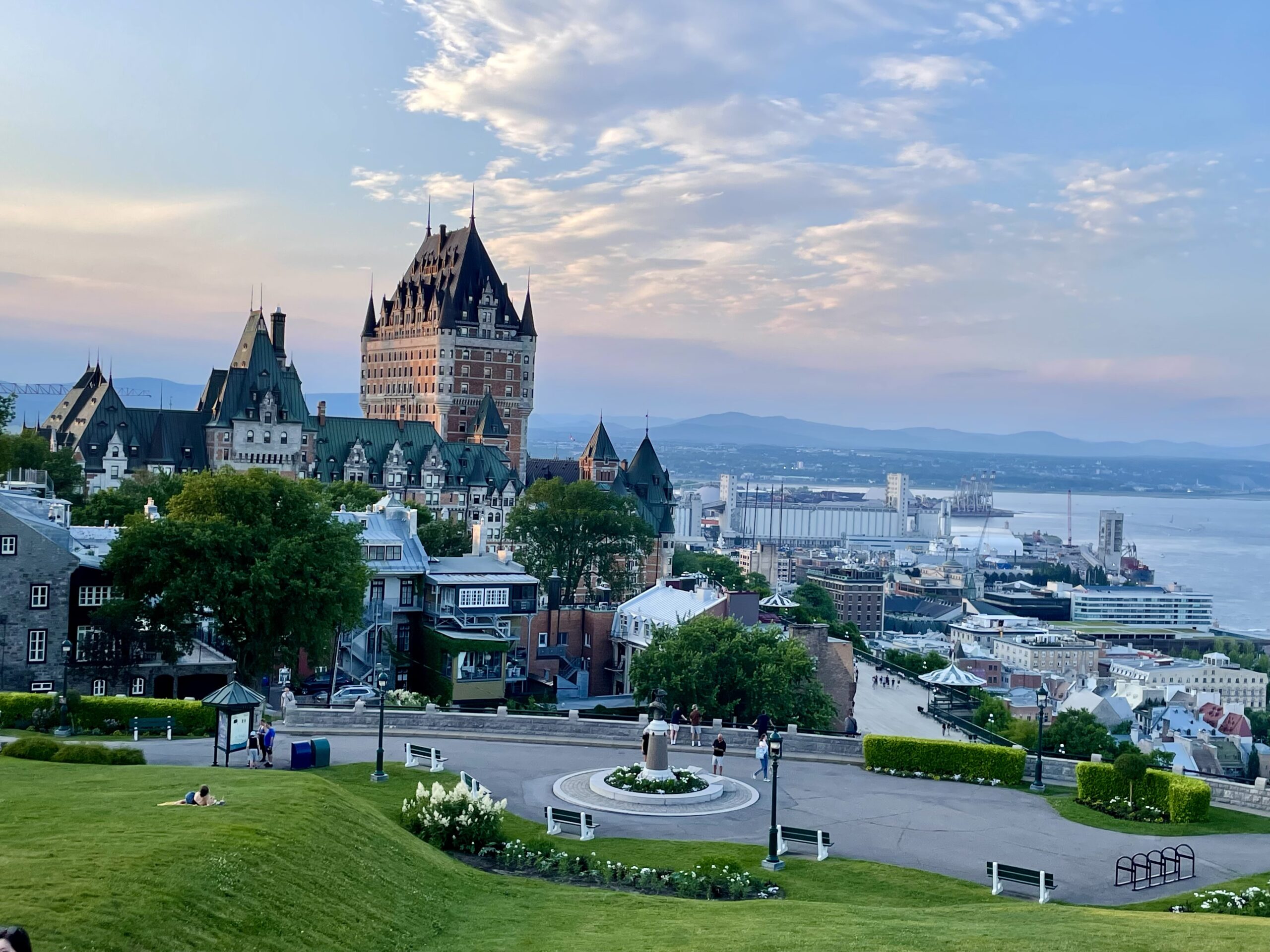
The second city, Quebec City, looks as if it had been transported from medieval Europe. It is the only city in North America north of Mexico still surrounded by its defensive walls, and it is a UNESCO World Heritage Site. Walking its streets and admiring its townhouses and churches lets you soak up the atmosphere of a French town from several centuries ago.
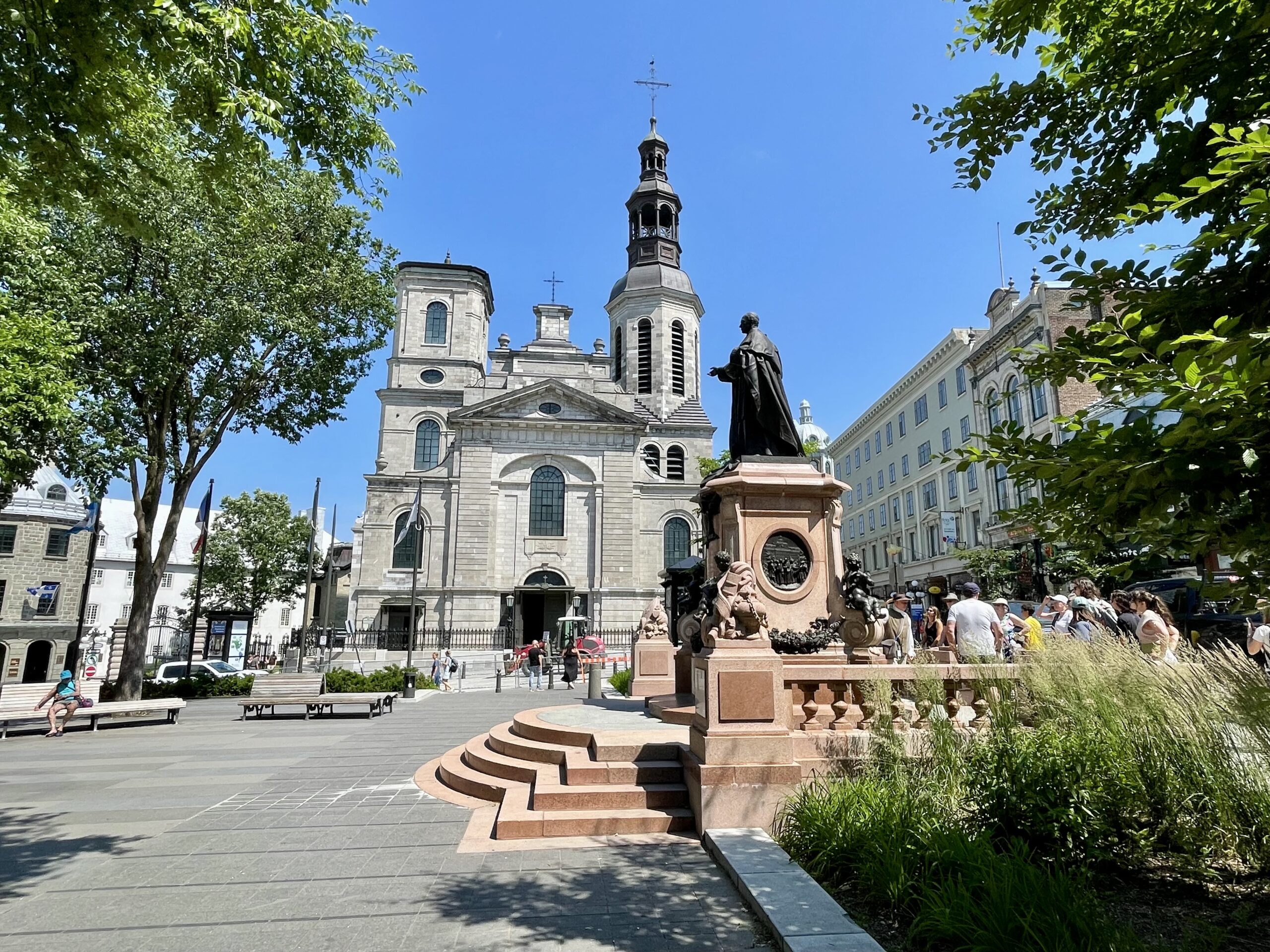
The city's most recognisable building is the majestic Fairmont Le Château Frontenac. This fairy-tale castle of a hotel towers over the Old Town and the St Lawrence River. Built at the end of the 19th century by the Canadian Pacific Railway, it was meant to entice wealthy travellers to visit Canada. Today it is one of the most photographed hotels in the world and a symbol of Quebec City. The best way to learn about the city's history and its many curiosities is on a walk with a guide dressed in period costume. It is also worth heading to the largest fortress in North America, where a special highlight is the ceremonial changing of the guard.
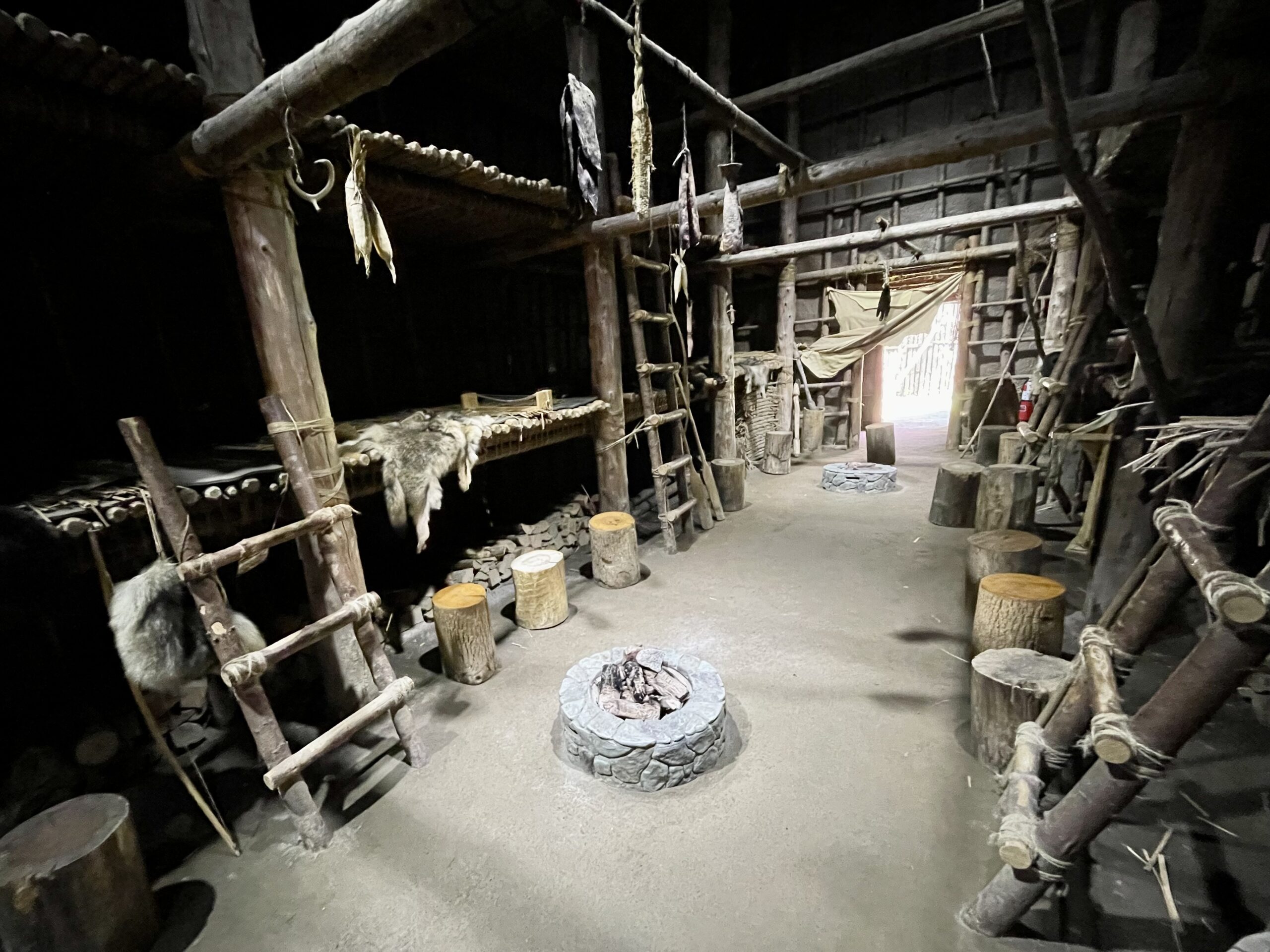
Some fifteen minutes from the centre of Quebec City lies Wendake, a contemporary settlement of the Huron-Wendat Nation. It is one of the best places in Canada to learn about the history and culture of the Indigenous peoples. You can visit traditional longhouses, watch demonstrations of age-old crafts and try local cuisine inspired by centuries-old traditions.
Around 40 kilometres from the city lies the spectacular Canyon Sainte-Anne.
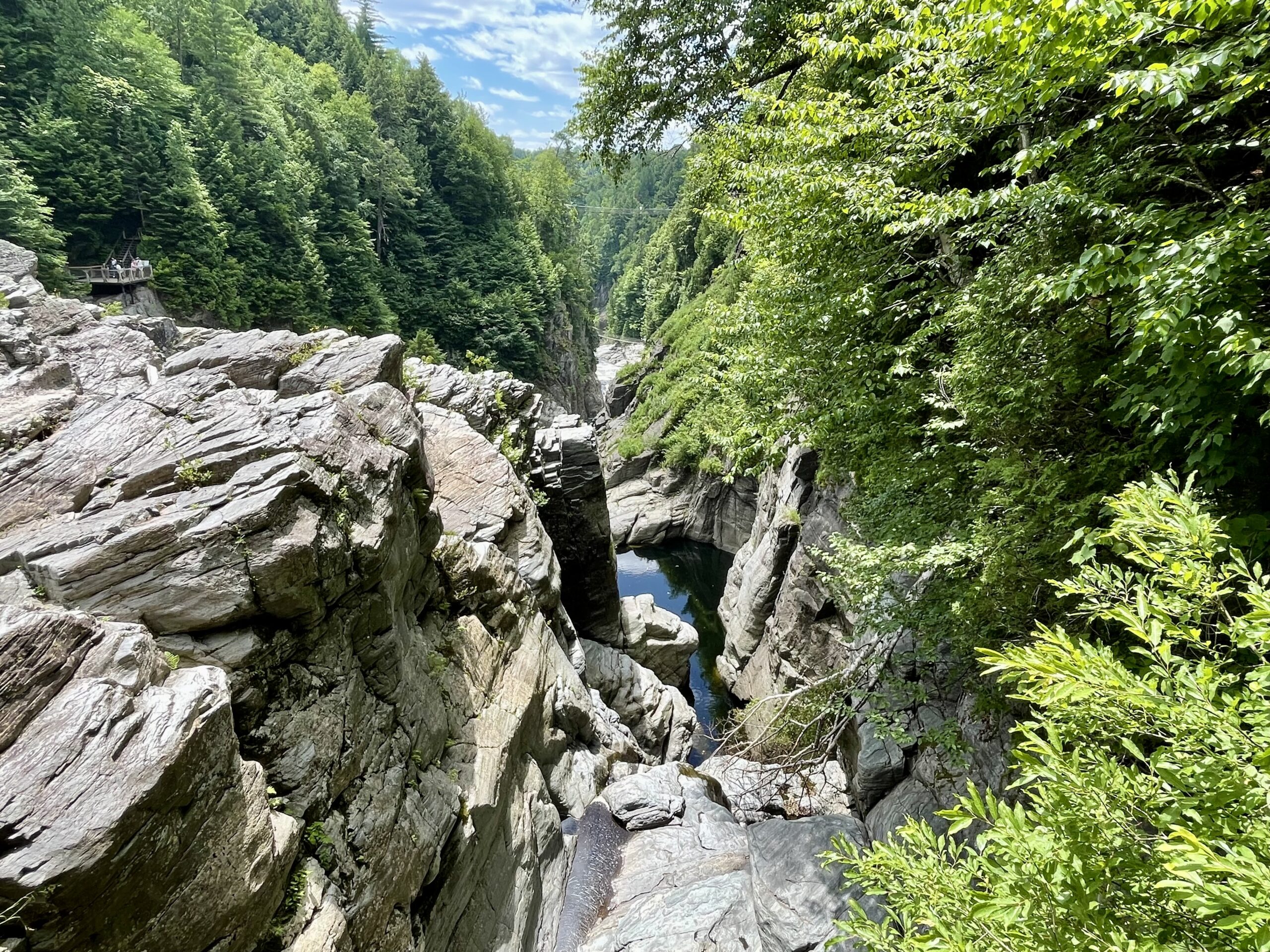
The canyon, more than 70 metres deep, is spanned by suspension bridges hanging high above the rushing river. Walking across them offers unforgettable views of waterfalls and rock walls shaped by thousands of years of natural forces. On the way there, along the St Lawrence River, you pass Parc de la Chute-Montmorency, whose main attraction is a waterfall 83 metres high. A suspension bridge stretches across the top of the falls, and a little further on there is a zip line. Other draws for visitors are the cable car up to the top of the cliff and the many viewing terraces.
Maple syrup
Maple syrup holds a special place among Quebec's food products. This Canadian province accounts for 70% of global production.
You may well ask why maple syrup production is concentrated in such a limited geographical area. The answer is the climate. In line with practices inherited from the Indigenous peoples, the sap is collected only in early spring, when daytime temperatures are above freezing but there are still frosts at night. In southern Canada this season lasts as long as two months.
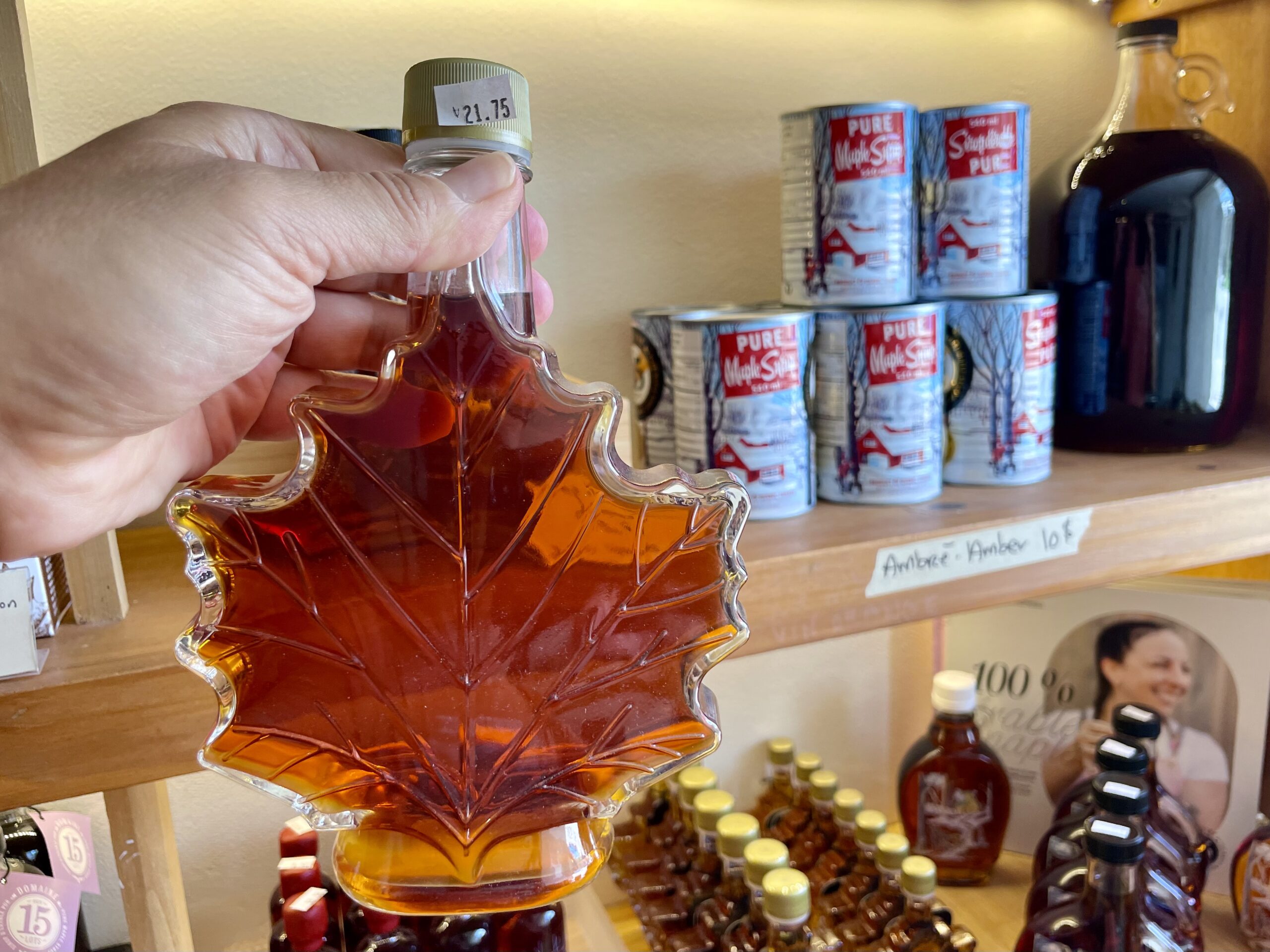
Experts divide maple syrup into four types, depending on when it was harvested. The first batches consist solely of what the tree has stored over the winter, while later ones are enriched with minerals drawn up by the roots of the awakening tree. Syrup from the last batch can taste of honey. Once produced, the syrup goes on sale, and in Quebec it is traditionally bought in metal tins. After opening, it is poured into bottles, which are often handed down from generation to generation.
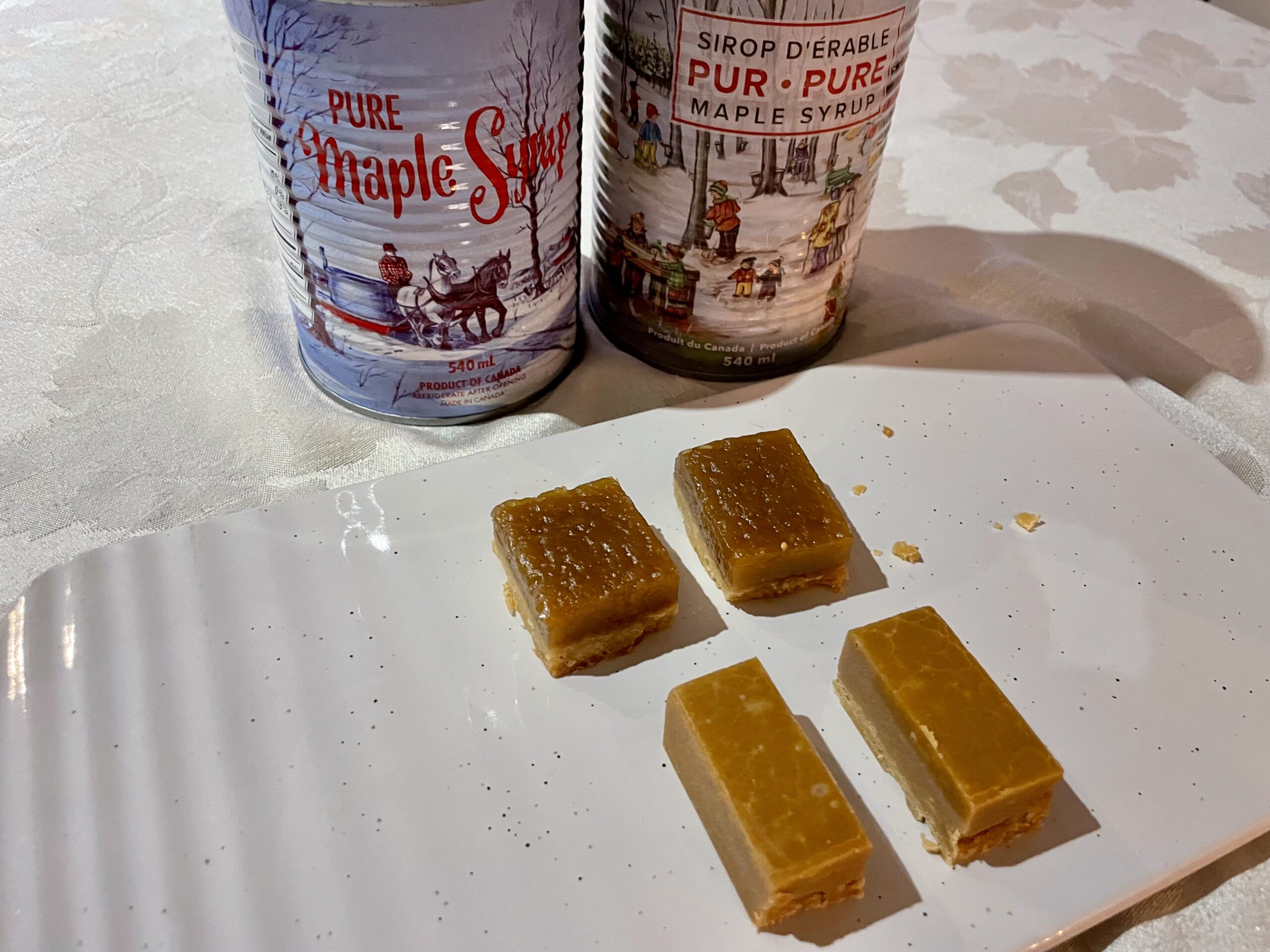
Maple syrup goes into several kinds of confectionery. Be sure to try sucre à la crème (literally “sugar on cream”). These are soft, melt-in-the-mouth squares, rather like Polish krówka fudge. In Quebec they are an essential part of family celebrations and local fairs. Another popular treat is carré à l'érable, meaning “maple square”. This bake is cut into squares and often consists of two layers: a crumbly, buttery base and a thicker layer of maple syrup filling. Some confectioners top it with nuts. Another well-loved maple syrup dessert is the toffee lollipop. Walking the streets of Quebec, you will see café signs advertising maple taffy. And that is exactly it. Making it yourself is a fun little adventure. You usually start with a chilled tray of... snow. Hot, concentrated maple syrup is poured onto the snow in a thin strip. Using a wooden stick, you gently roll up the cooling sweet. While eating it, it is worth dipping the “lollipop” in the snow every now and then, as the combination of warm caramel sweetness and the cold of melting snow creates an unexpected taste sensation.
Montreal and Quebec City show two completely different faces of the province of Quebec. Montreal impresses with its modernity and dynamism, while Quebec City charms with its historic architecture and unique atmosphere. Together they make a perfect pair: one lets you feel the pulse of contemporary Canada, the other takes you back to the days of the first French settlers. When visiting both cities, you simply must try maple syrup, the symbol of Quebec and of Canada as a whole, the product of exceptional climatic conditions and of a centuries-old tradition dating back to the Indigenous peoples.
Practical tips
- The best way to get to Quebec is through one of the international airports. LOT offers a direct flight to Toronto, and although that city is in the neighbouring province of Ontario, it has very good connections with Quebec. There are also convenient connections to Montreal, and travellers often choose Lufthansa flights with a change in Frankfurt or Munich. These flights are often operated by Air Canada.
- You can easily hire a car at the airports, and a rental car is the best way to get around the province. Traffic drives on the right, distances are given in kilometres and fuel is sold by the litre. Some road signs differ from Polish ones and their wording is in French, but traffic is very orderly and predictable. In Montreal, it is worth using public transport (metro, buses) or the very popular Bixi city bike-share scheme. Quebec City is best explored on foot.
- Quebec is a French-speaking province. In Montreal, 40% of residents give French as their mother tongue, and in Quebec City more than 90%. Even so, you can easily get by in English everywhere. This also applies to tourist services: tours are available in French, English or bilingual versions.
- Quebec is a maple syrup powerhouse, and trying the sweets made from it is an absolute must. Another dish typical of the province is “poutine”, made from three ingredients: crispy chips, cheese curds scattered over them and a thick gravy made from meat stock. A smoked meat sandwich is also definitely worth trying. When it is served in other parts of Canada, it is called “Montreal-style”.
- Quebec has many local breweries and distilleries. The latter originally specialised in gin, but their range is now much broader. Both offer tours and tastings.
- Accommodation is best found through the leading booking sites, such as Booking. The best value for money is offered by motels on the outskirts of towns. These are low buildings, often single-storey, with rooms accessed directly from the car park. A night with breakfast for two can cost PLN 300-400.