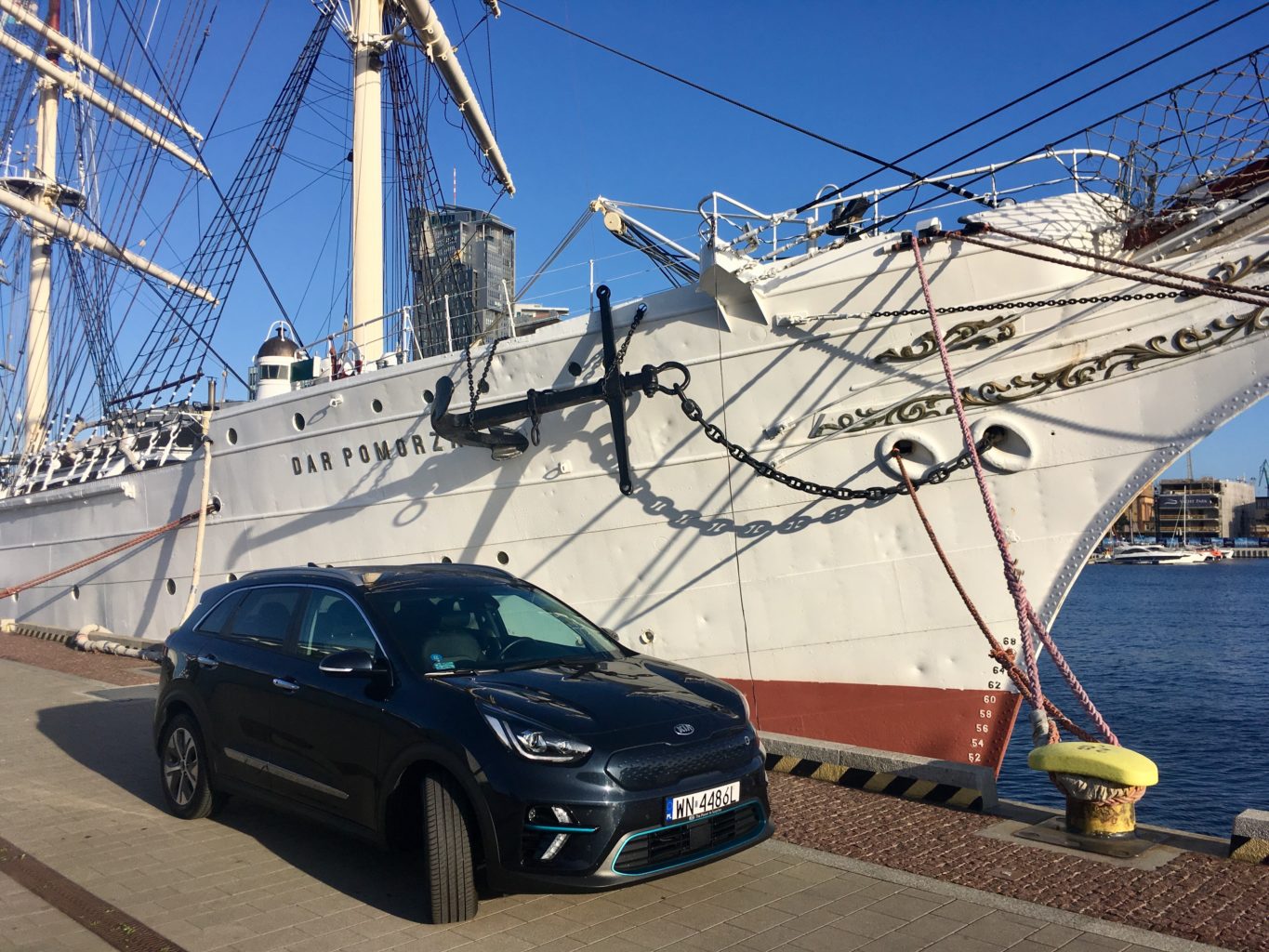
The Kia e-Niro is an electric car that will go far
The Kia e-Niro is a car with a real-world range of 400 km. Purely on electricity, in silence, with no vibration, using the bus lanes, and ecologically, with no exhaust fumes. It is the first electric car I have tested that allows a stress-free long journey. And I made just such a journey, on the Warsaw - Gdynia - Warsaw route.

At the heart of the Kia e-Niro's electric drive is a large 64 kWh lithium-ion polymer battery. The company boasts that it allows the e-Niro to cover a certified distance of as much as 455 km. In the city it does even better, as apparently up to 615 km is possible. Drivers of combustion-engined cars still can't believe that range increases in city driving. But it is true. The car does not have to "fight" air resistance, and it recovers energy every time it brakes.
Kia e-Niro design and interior
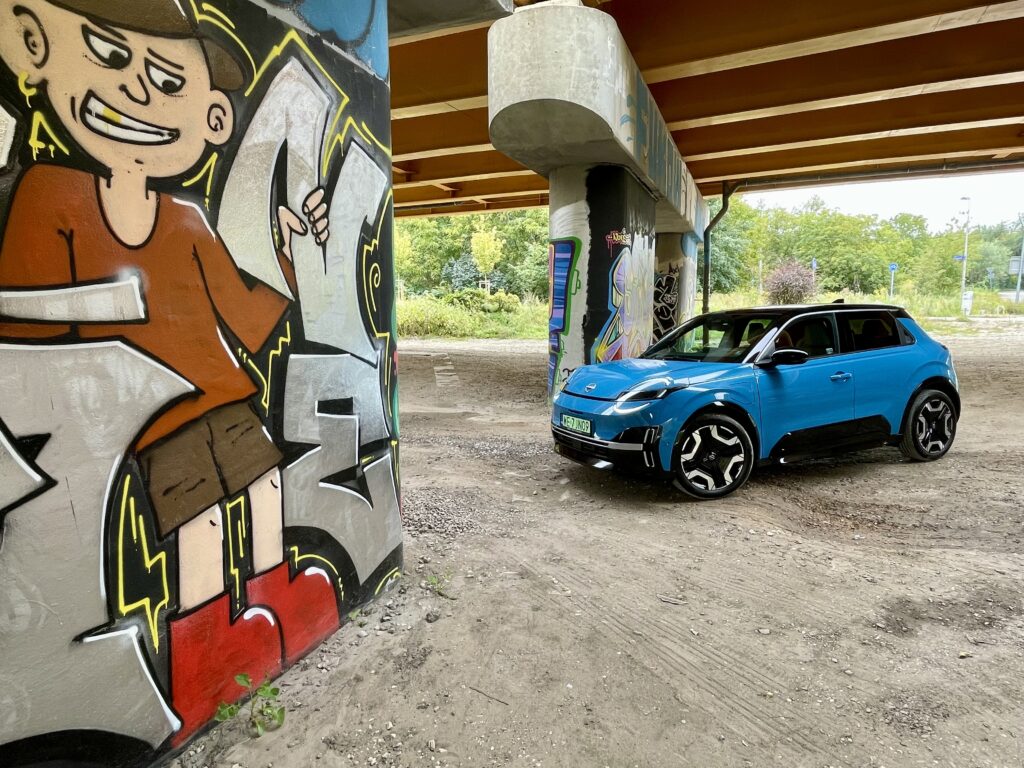
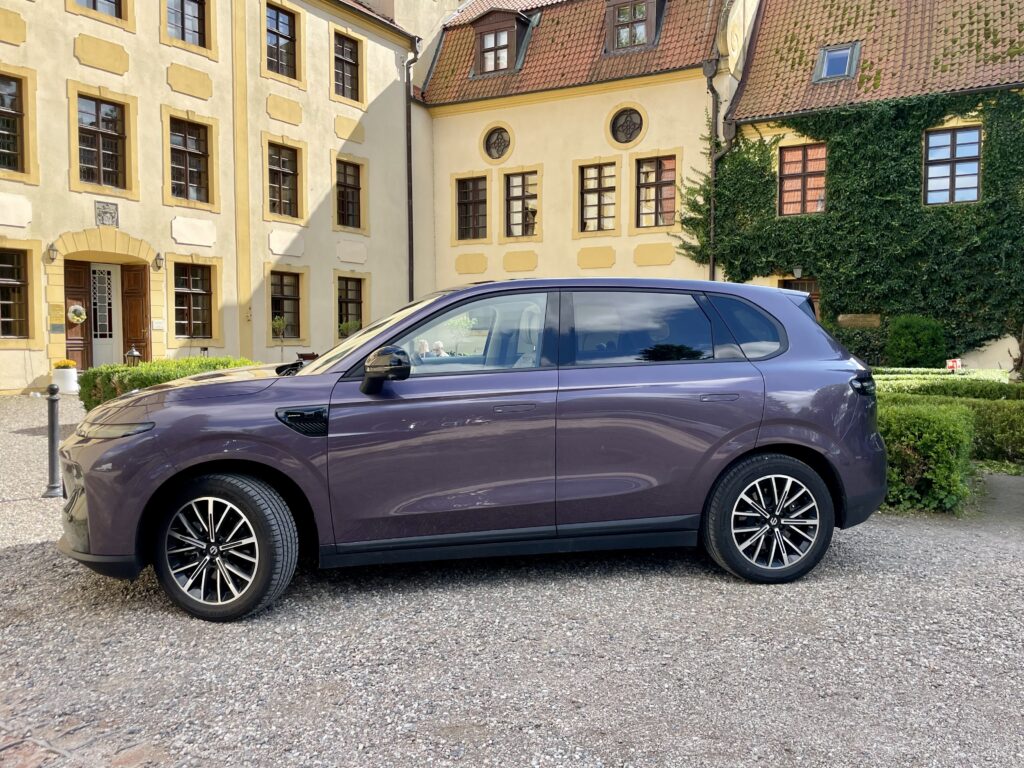
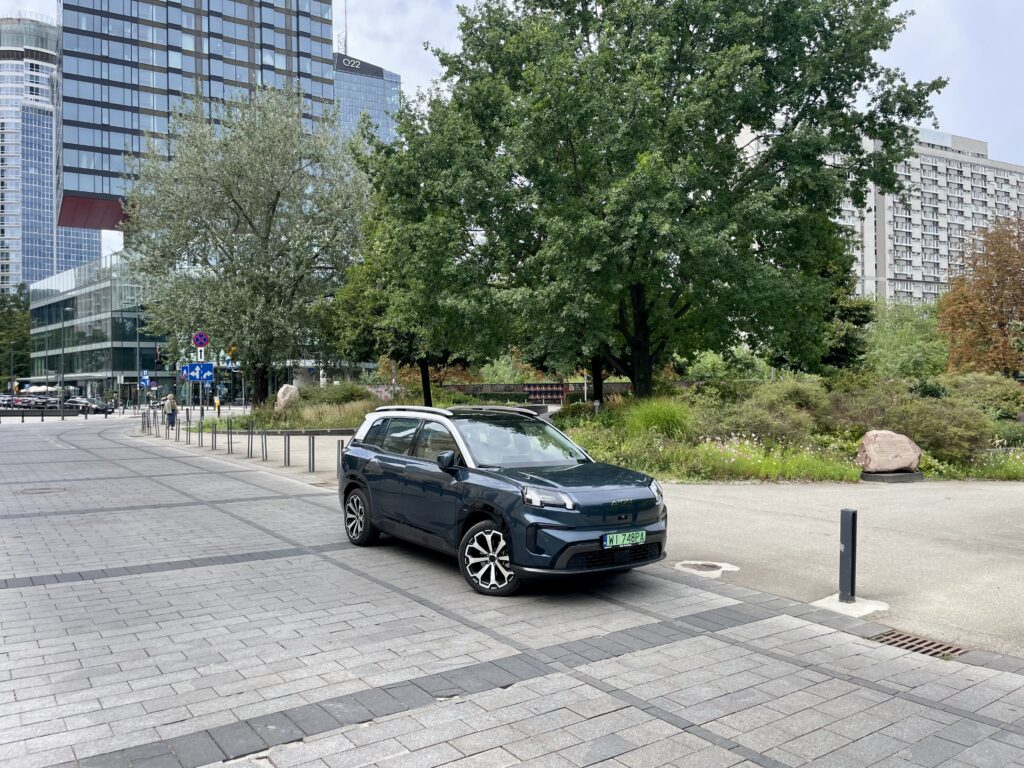
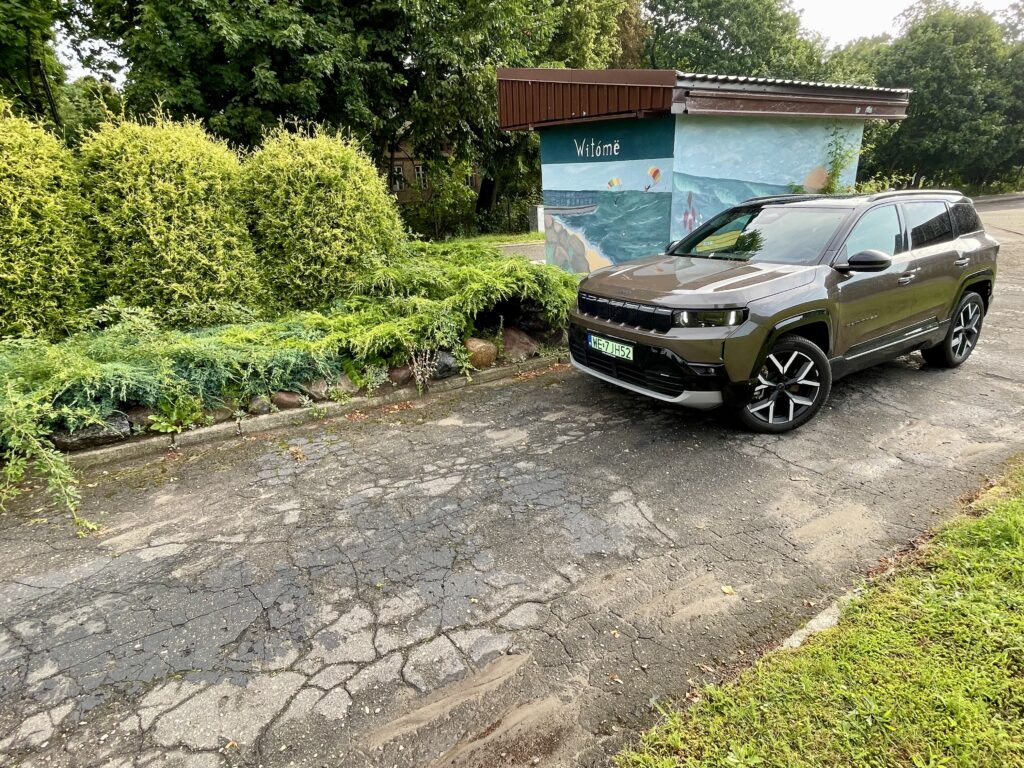
The styling of the Kia e-Niro is certainly appealing. The car is a classic crossover with a sleek silhouette. The distinctive "tiger nose" grille hides the charging port, and the daytime running lights are LEDs. There are plenty of light blue accents. The look is rounded off by 17-inch alloy wheels. The only thing that might jar is the abruptly truncated rear end. But the experience of other brands (Nissan Juke, Toyota C-HR) shows that seemingly incoherent styling goes down very well with customers.

The interior of the e-Niro is spacious and modern, and you get into it through wide-opening doors. Inside, too, there is striking blue stitching to underline that electricity rules in this car. The 8-inch navigation screen shows additional information such as the location of the nearest charging stations and the battery status and range. The boot holds 451 litres.
Regenerative braking and Driver Only mode

Regenerative braking is managed superbly. Paddles behind the steering wheel let you set it to three levels. The digital instrument panel shows how much energy you have recovered. The gauge is calibrated in metres, and several times my "recovery" from a single braking manoeuvre exceeded 1,000 metres of restored range. There are, however, a few minor shortcomings. When the display was reprogrammed, someone forgot to adapt it to the specifics of an electric car. Sometimes a message appears saying that the "gearshift paddles are unavailable". As we know, an EV has no gearbox. An interesting feature of the e-Niro is the option of heating or cooling only the driver's area. At the touch of a button, the system optimises the air vents, saving energy in the process. As we know, an electric motor does not waste energy generating unnecessary heat, as a combustion engine does through friction and the violent burning of fuel. When the interior needs warming, that heat has to be produced separately. The "Driver only" function allows better energy management. The car also had heated steering wheel and seats. This is a comfort feature, but also a nod towards better use of electricity. It turns out that you can achieve the same thermal comfort with warm hands and back as by heating the whole cavernous interior.
Warsaw - Gdynia: energy consumption and chargers

I drove from Warsaw to Gdynia by motorway. Heading west on the A2, at Stryków near Łódź you turn north onto the A1, which takes you to the Tricity. The whole route is 426 km. The return journey was shorter, as the S7 expressway works out at 385 km. Along the way I had 5 places to charge electric cars: the Brwinów, Krzyżanów and Malankowo motorway service areas, the Lotos station on Al. Zwycięstwa in Gdynia, and the headquarters of GreenWay in the Pomeranian Science and Technology Park. Coming back on the S7, I passed chargers in Elbląg, Ostróda and Mława, at the "Malinowy bzyk" restaurant near Płońsk and at the Auchan in Łomianki. With a range of 403 km (as the display showed when I set off), the number of chargers was more than enough. Once on the motorway, I decided to check energy consumption at different speeds. I covered the first 136 km with the cruise control set to 115 km/h. That is how I reached the Krzyżanów service area, where I topped up the battery a little. Driving this calmly, I was using 16.2 kWh/100 km. I decided to drive the next stretch a little faster. With the cruise control set to 140 km/h, consumption rises significantly - by as much as 30%! It was 147 km to the Malankowo service area, where I planned to test another charger in the Lotos filling station network, and the display showed 21.5 kWh/100 km. As expected, the electric car showed that it does not like motorway speeds (read: air resistance). I ended my experiments and calmly - cruise control back at 115 km/h - drove the last 143 km towards Gdynia. I covered the final 40 km in city traffic, which is why that stretch set the energy consumption record - just 15.6 kWh/100 km. Yes! An electric car is used most efficiently in the city.

On the way back I drove calmly again, and the shorter distance guaranteed that I would cover the S7 from Gdynia to Warsaw with one top-up. I chose the GreenWay charging station in Ostróda, located by the Intermarché shop. You have to leave the expressway for about 3 km to find the charger in the shaded part of the car park. Activation with an RFID card went without a hitch. I did a little grocery shopping (Intermarché), also bought a few potted plants (at the neighbouring Bricomarché), and I was ready to continue my journey. I reached Warsaw without any problems, "slipped" into the bus lanes and made it home.
Test summary

The Kia e-Niro is an electric car that will go far. You can take that both literally and figuratively. There is no need to fear long journeys because, first of all, there is the range. With a range comparable to that of combustion-engined cars, this car has every chance of winning the hearts of customers eyeing up electric mobility. Secondly, there is the growing number of charging stations - GreenWay alone, mentioned above, already has 112 fast chargers in Poland. And thirdly, it is simply a good-looking, comfortable and practical car.