The Chinese Aion V - luxury, standard and mediocrity
GAC is yet another Chinese manufacturer that decided to come to Poland in 2025. The company has been in business since 1997, and its full name is Guangzhou Automobile Group Co., Ltd. The Chinese giant's portfolio covers a wide range of designs: combustion-engined cars, hybrids and EVs. It delivers more than 2.5 million cars to customers every year and operates in 74 countries. Three brands sit under the group's umbrella: GAC, Hyptec and Aion. The last of these is reserved exclusively for fully electric cars, and we were given the AION V to test.
Aion V design and dimensions
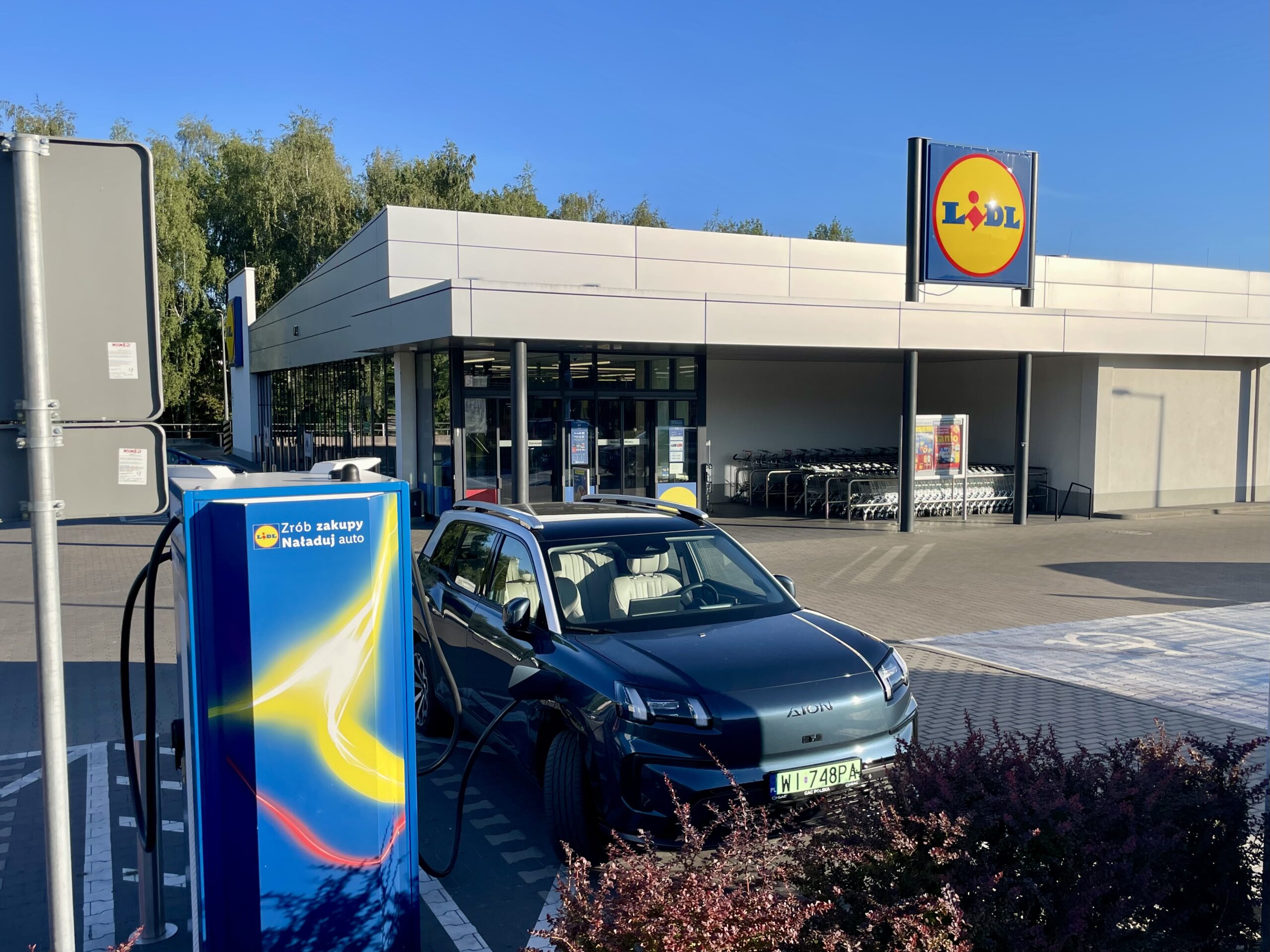
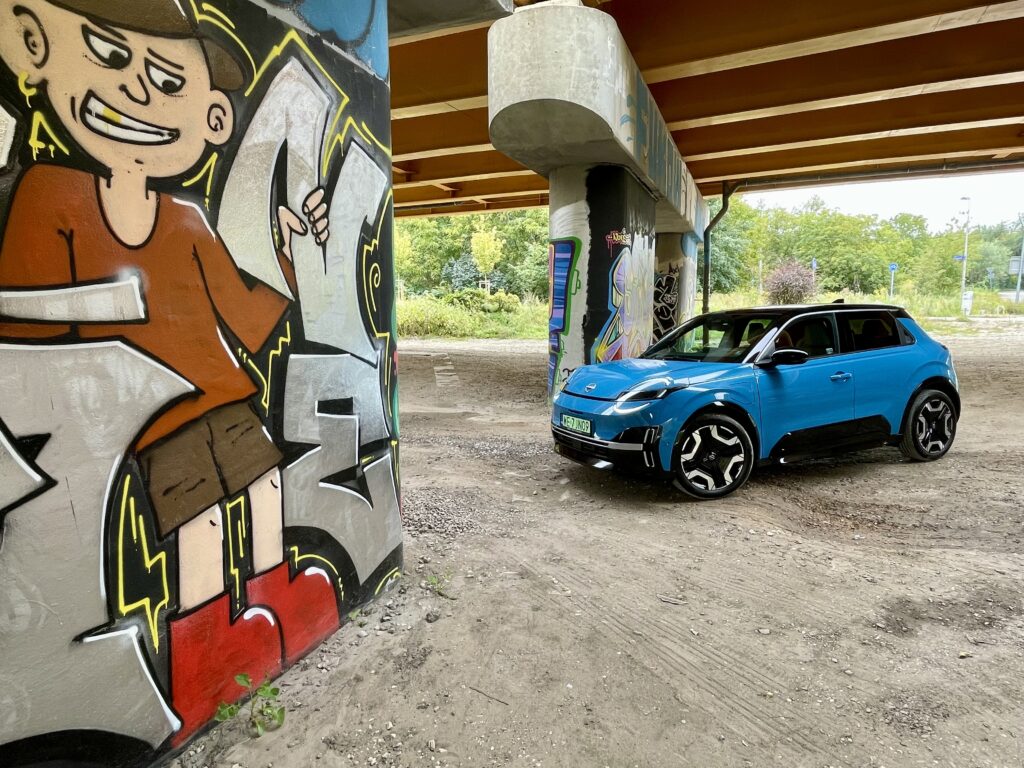
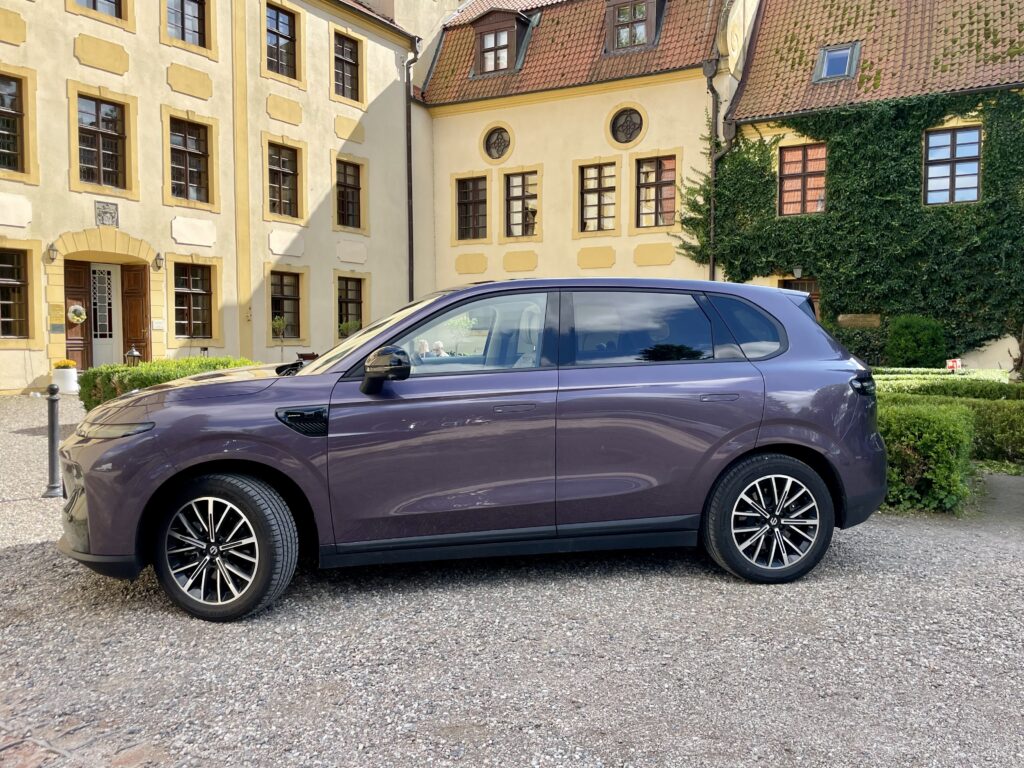
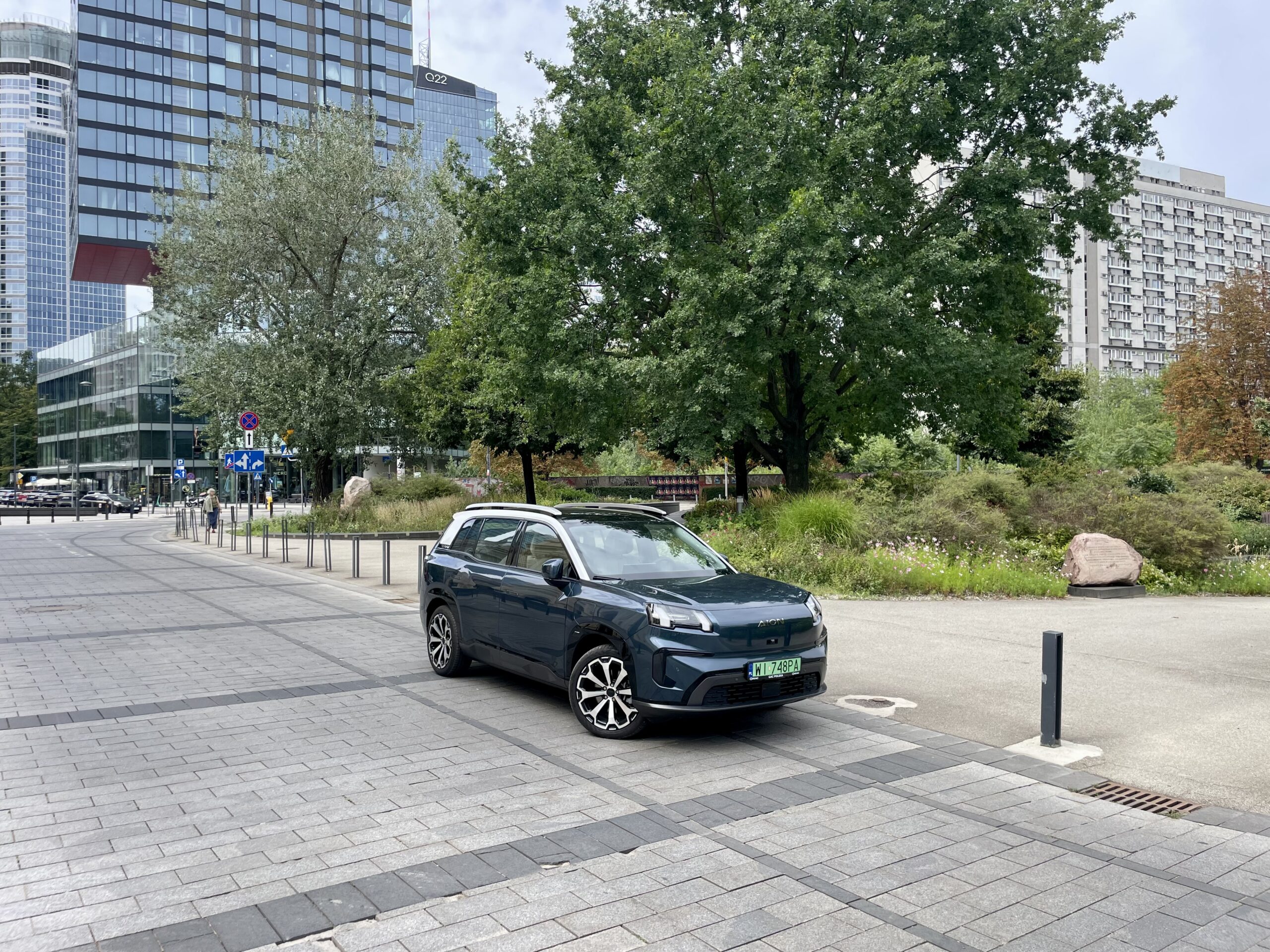
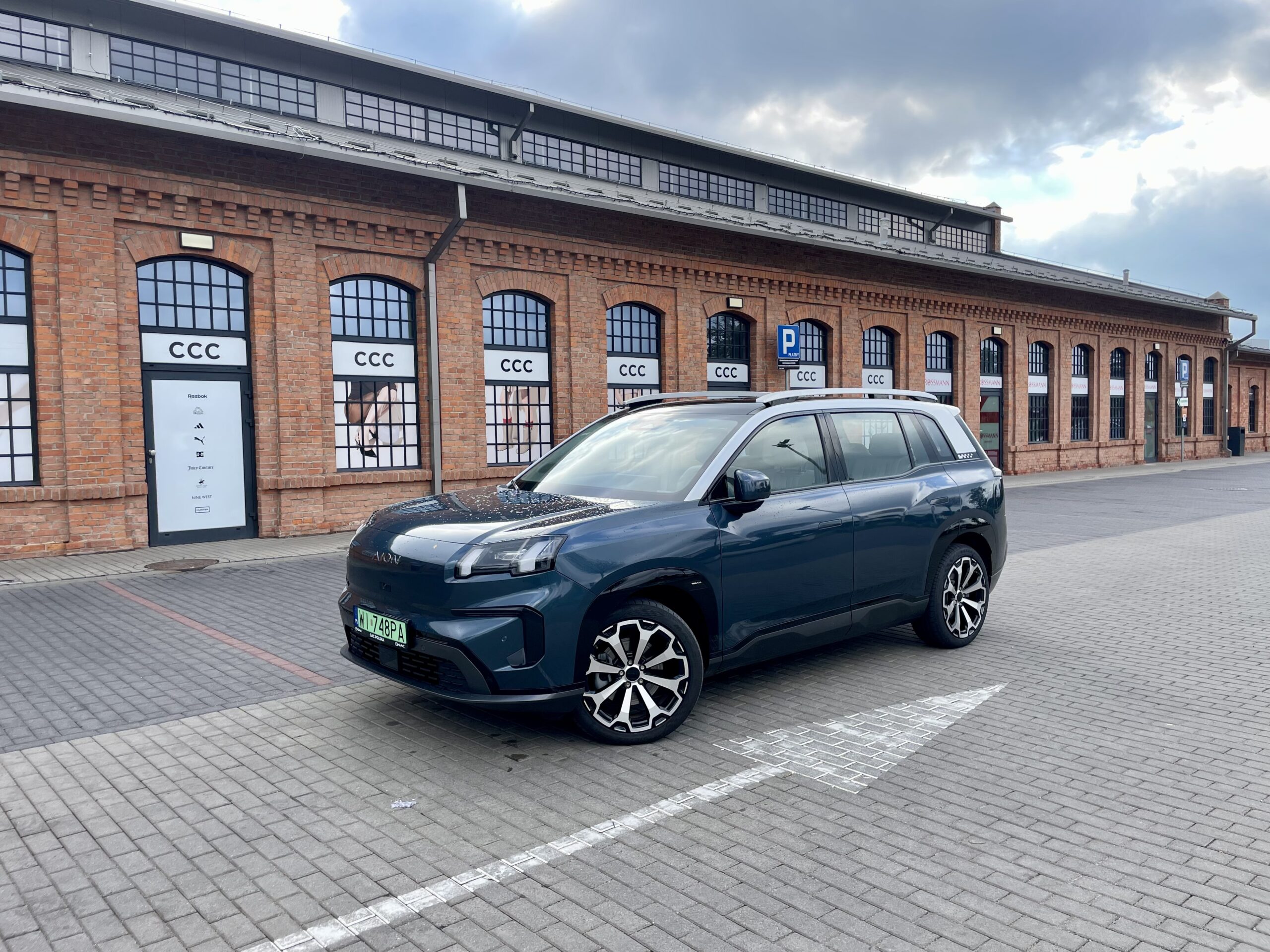
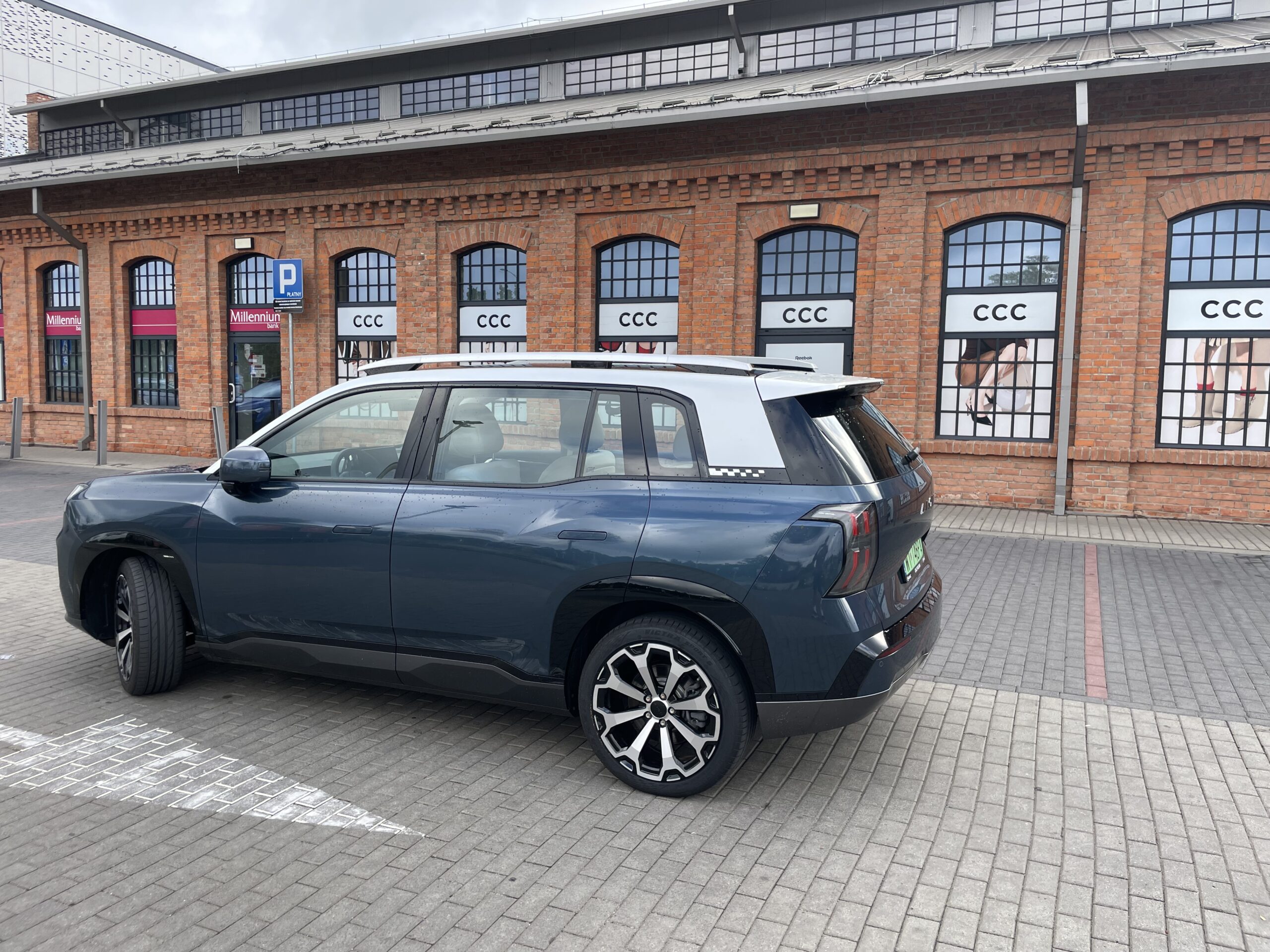
The AION's body design is more restrained and classic than futuristic, and you get the impression that Asian tastes have won out over European sensibilities. What we see is a rounded body shaped by aerodynamics, with door handles that retract into the doors, LED headlights flanked by a pair of daytime running light strips, and rear lights that wrap around onto the wings. The test car was blue, with a contrasting white upper body and silver roof rails. The wheels have interestingly patterned alloy rims. Unfortunately, they are held on with ordinary bolts that were already showing a coating of rust.
The AION V is 4605 mm long, 1876 mm wide and 1686 mm high. The wheelbase is 2775 mm and the ground clearance 171 mm. It is also worth adding that the kerb weight is 1995 kg and the gross vehicle weight 2320 kg.
Interior, seats and a fridge in the armrest
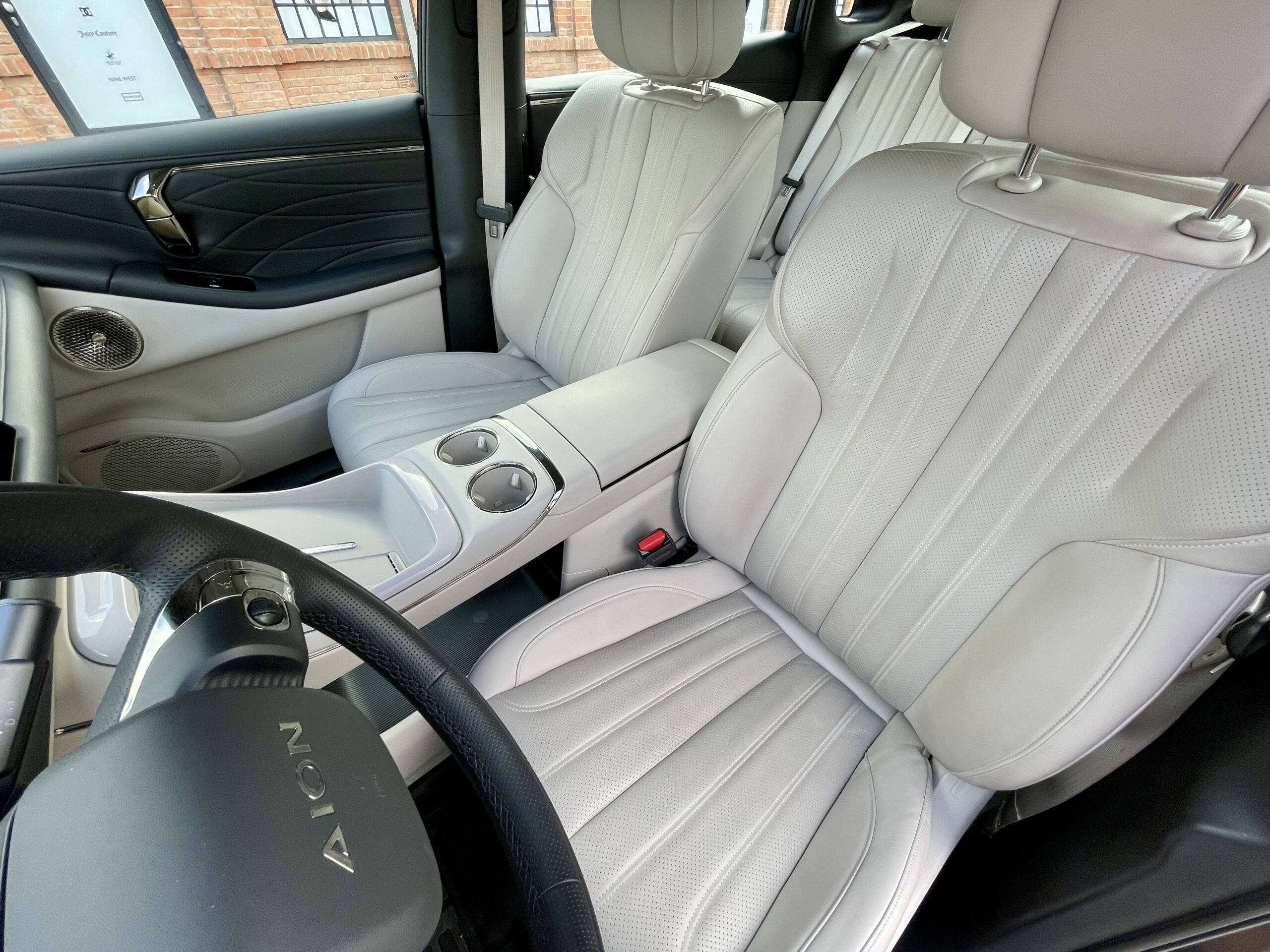
The interior contrasts with the rather bland exterior styling. It has to be said that the AION V's cabin feels like it belongs to a higher segment. The interior is attractive, elegant and modern. The light upholstery is a mix of genuine and artificial leather, finished with real stitching. Faux leather covers the door panels, dashboard and centre tunnel, and the build quality gives no major cause for complaint.
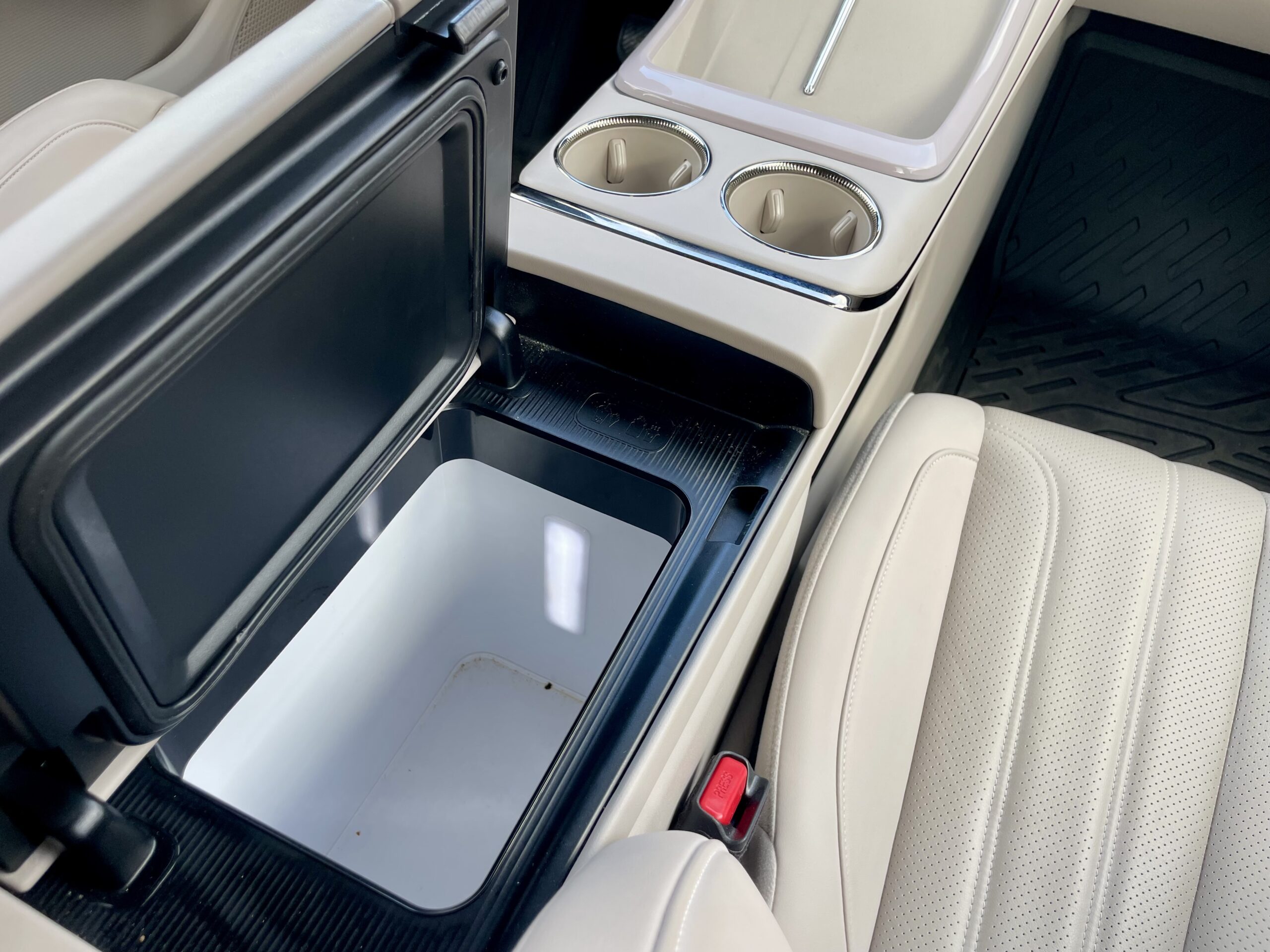
The seats are comfortable, but unfortunately the front passenger has no conventional glovebox, only two bag hooks. There is no height adjustment for the passenger seat and no lumbar support, but when your spine tells you it is time to change position, the robust multi-function massage (with as many as five options) comes in handy. Between the seats there is an armrest with a hidden compartment that can cool, heat and even freeze. To say that this is no ordinary storage compartment is an understatement: it can chill fresh food down to -15°C or keep things warm at up to +40°C. Carrying ice cream on a hot day is no longer a problem. However, when you use the extreme temperatures, it is hard to keep your key fob or smartphone in there. Under the centre console there is a roomy open shelf with several USB ports.
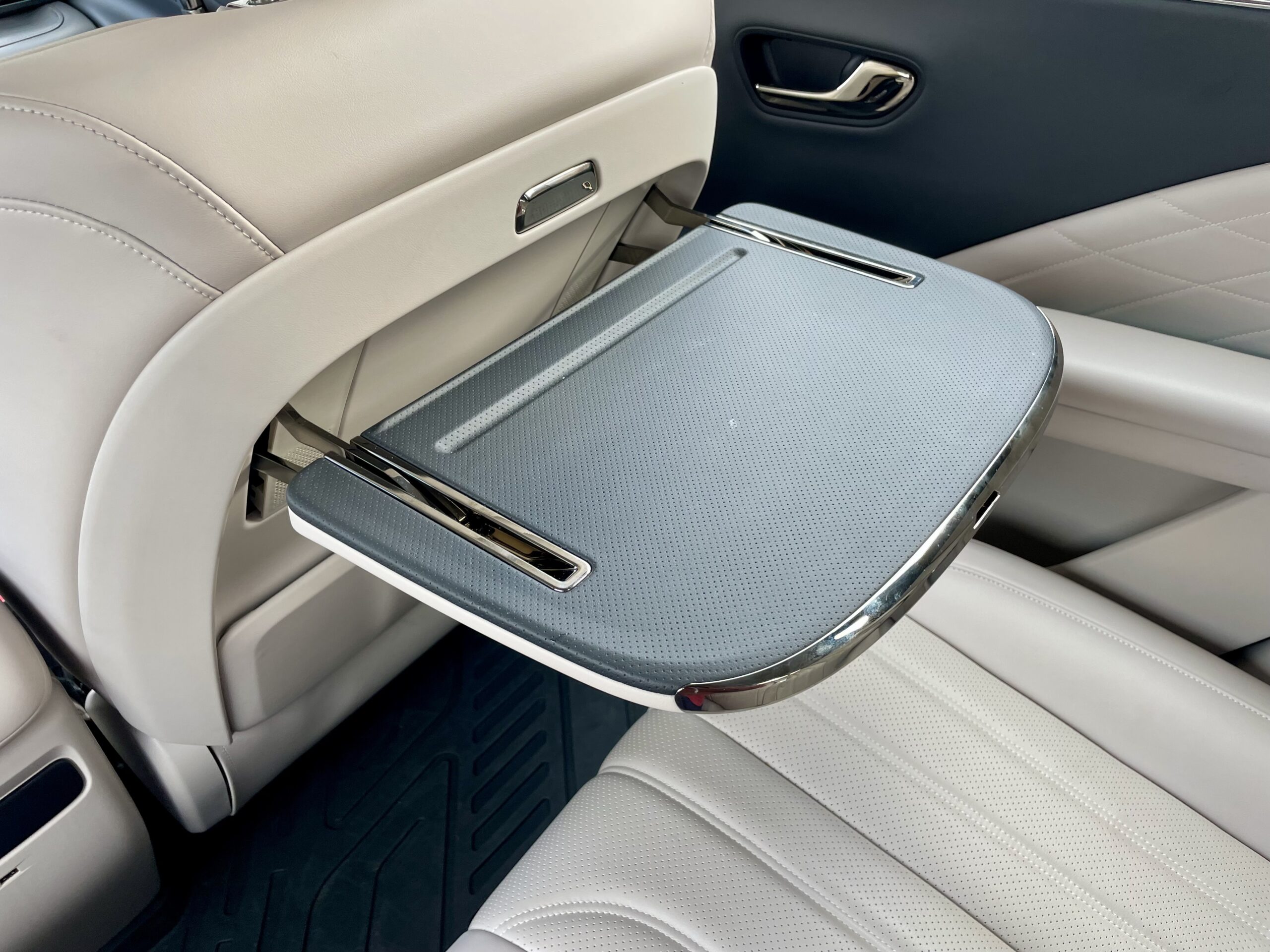
The disproportionately long rear doors hint at the generous space for rear-seat passengers. The rear backrest can be reclined to a semi-lying position. The outer seats are heated, but unfortunately this can only be switched on from the central screen at the front. To the list of amenities, let us add that the passenger on the right at the rear gets an elegant, solid fold-out table. This is therefore more of a “business” solution than a “family” one, because how do you explain to two children in the back that only one of them gets a table?
The manufacturer quotes a boot capacity of 427 litres, and unfortunately there is no luggage cover, a shortcoming of many Chinese models. The cover is due to appear in the next generation of the model, which will come from Magna's Austrian plant.
Screens, powertrain and handling
The driver's control centre is a classic of today's Chinese cars: a pair of displays. An 8.9-inch rectangular screen in front of the driver and a gigantic 14.6-inch screen in the centre. As you might expect, traditional switches and knobs have been almost entirely eliminated, with just a few surviving on the steering wheel and door panels. Although the screen is fast, has a very sharp resolution and works wirelessly with Apple CarPlay, it does not support the Polish language. The menu on the left of the screen gives quick access to shortcuts, so you do not have to click through several levels. The screen controls absolutely everything, including the door mirror settings, the sunroof blind and the air conditioning. What is surprising, however, is that such a well-equipped car does not let you switch the range display to a percentage: this information is well hidden among the parameters that can be called up on the screen.
In Poland, the AION V is available in just one version, with front-wheel drive. The electric motor produces 204 hp and 240 Nm of torque. Energy comes from a 75.3 kWh battery. The top speed is 160 km/h, and the sprint to 100 km/h takes 7.9 seconds.
The AION V drives smoothly and predictably, with enough power both in town and on the open road. In town, though, the lack of a one-pedal function, or e-pedal, which has become standard equipment in many EVs, is a slight nuisance. On the motorway the car sometimes gets a little out of breath, especially in “Power Save” mode, but in everyday use it is by no means lacking in ability. The steering is predictable, and you could say the car does not tire the driver by demanding too much involvement, were it not for the irritating systems meant to assist the person behind the wheel. The lane-keeping assistant can tug at the steering wheel, and the indicator stalk does not return to its original position after use. You will probably recognise an AION around town from afar by its permanently flashing indicator.
The manufacturer claims average energy consumption of around 17 kWh/100 km, which is achievable in urban driving. On the motorway, the car's appetite for electrons rises to 23 kWh/100 km.
Trim levels, NCAP and warranty
The version we tested was the Luxury. It is worth mentioning that even the entry-level Premium version offers electrically adjustable, heated and ventilated seats, a 360° camera system, LED lights, a panoramic roof, an infotainment screen and ambient lighting, while the Luxury version adds massage in the front seats, a folding table in the second row and a fridge with freezing, cooling and heating functions.
Finally, it is worth mentioning that the AION V earned the full five stars in NCAP tests, and its design served as the starting point for the Toyota bZ3X sold in China. The sales network is growing rapidly: according to the manufacturer, it will consist of 23 authorised dealerships by the end of 2026. GAC intends to tempt customers with attractive warranty terms: 8 years or 160,000 km for the whole vehicle and 8 years or 200,000 km for the batteries.