Lisbon - sightseeing along a trail of flavours and aromas
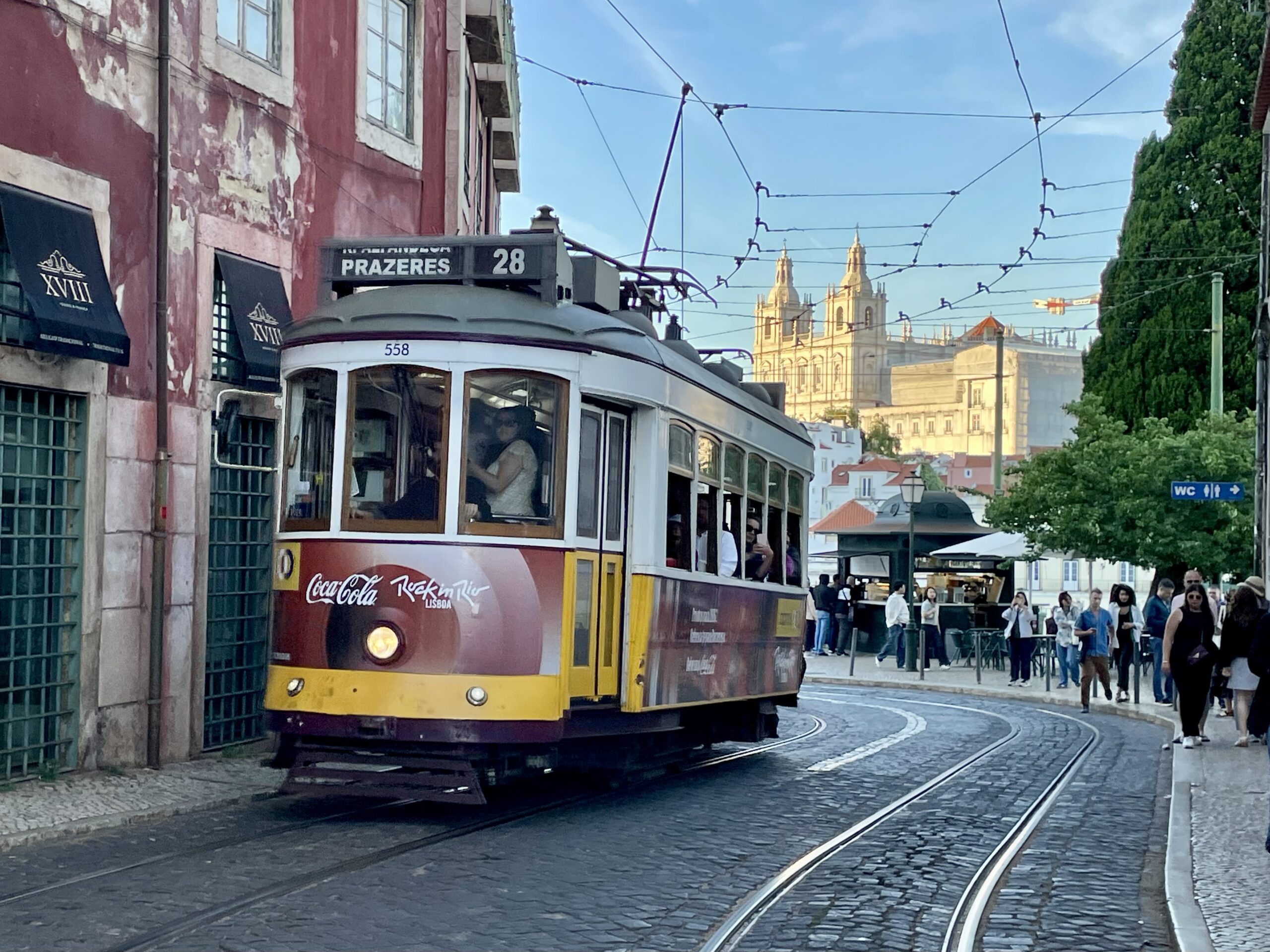
Lisbon is one of those European cities best discovered slowly: strolling the steep lanes of Alfama, riding the historic number 28 tram, admiring the sunset over the Tagus or enjoying a drink in Bairro Alto. Something catches your interest at every turn. While exploring Lisbon, make time for its food. Portuguese sailors reached distant lands and brought new spices, products and culinary inspirations back to Europe. The local cuisine remains remarkably authentic, closely tied to the ocean, to simple ingredients and to the regional character of the country.
Queijo de Azeitão and canja soup
A culinary journey through Portugal should begin with starters, and local cheeses are perfect for the role. One of the most highly prized is Queijo de Azeitão, a small, soft sheep's cheese from the area around the town of Azeitão near Lisbon. Made from raw sheep's milk with natural enzymes from the thistle flower, it stands out for its creamy interior and intense, slightly herbal aroma. Once cut open, it practically melts inside its rind, and it is often eaten with a teaspoon or spread on bread.
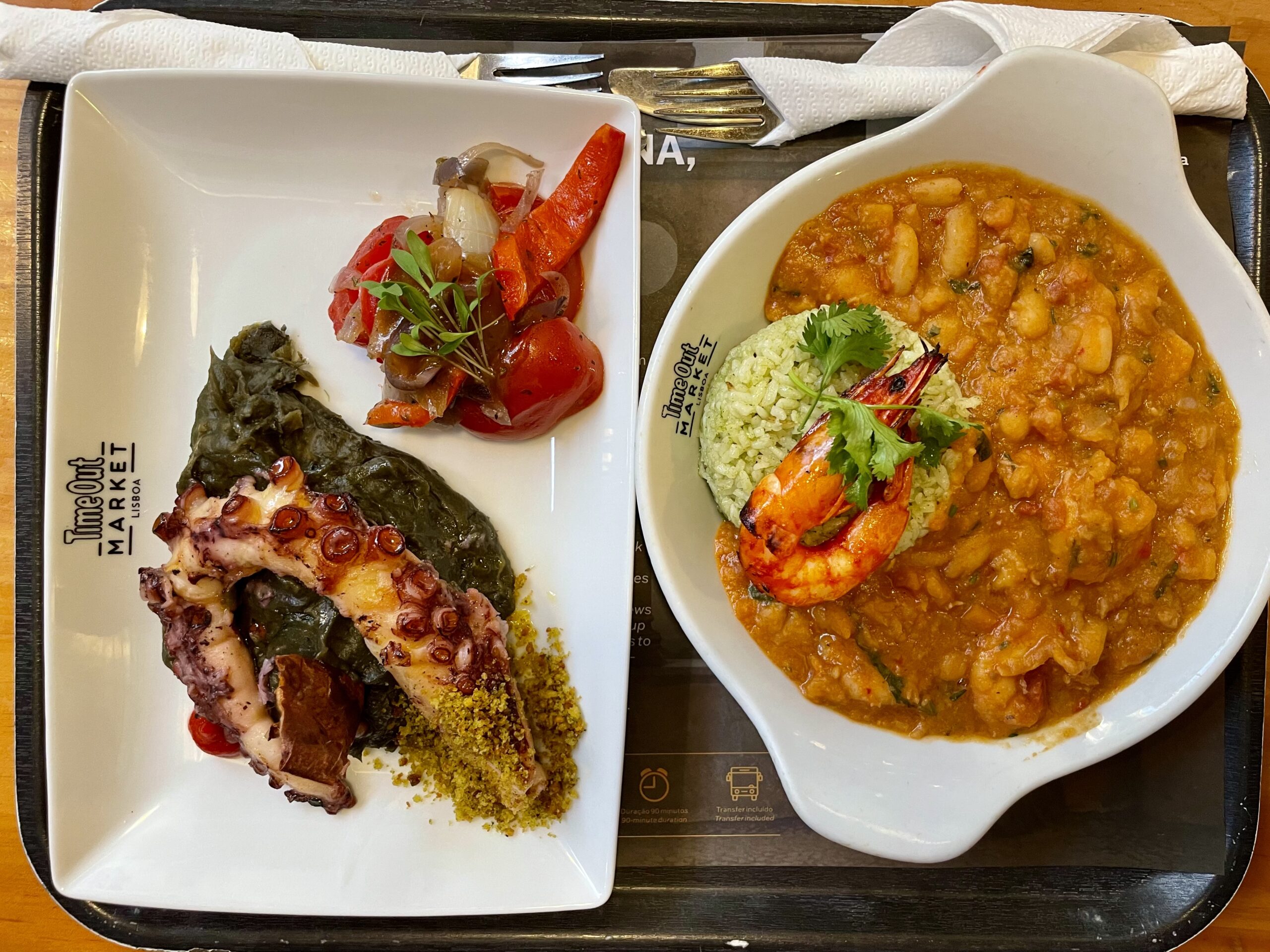
Soups play a very important role in Portuguese cuisine. One of the most traditional is canja, a simple, home-style soup reminiscent of chicken broth. It is made with chicken, rice or small pasta, onion, carrot and olive oil, sometimes with a touch of mint or lemon. Despite its simplicity, canja is very aromatic and is associated with the warmth of home and with healing properties. One of the best-known Lisbon restaurants serving canja is “Bernard”, open since 1868 and once responsible for the catering during Queen Elizabeth II's visit.
Bacalhau, rice with beans and piri-piri
You cannot talk about Portugal without mentioning cod, the famous bacalhau. The Portuguese say there are at least 365 recipes for bacalhau, one for every day of the year. Although cod is not plentiful off the Portuguese coast, for centuries Portuguese fishermen ventured into the North Atlantic, where huge quantities of fish were caught. Bacalhau became a staple of Portuguese cuisine and a symbol of the national culinary tradition. When two Portuguese cod-fishing vessels were sunk during the Second World War, a special agreement was signed with Germany allowing the fishermen to carry on fishing in the Atlantic. The fishing boats had to be painted white so that they could be recognised at sea.
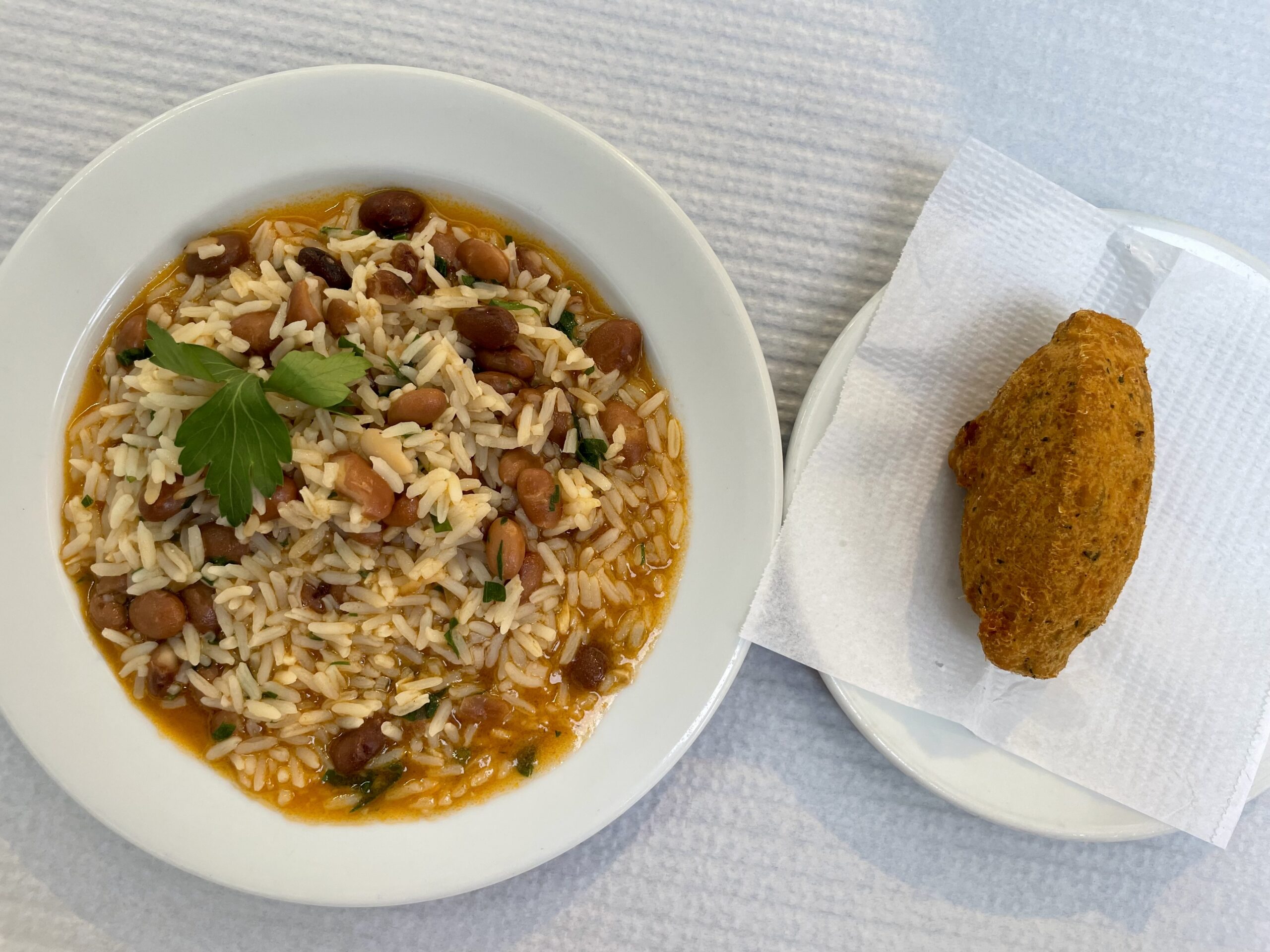
A very popular dish is arroz de feijão, traditional rice with beans. Unlike many similar dishes, the rice here is not dry and fluffy, but cooked together with the beans and stock, which gives it a creamy, slightly saucy consistency. The dish often has a brick-red colour and an intense aroma of garlic and olive oil. In some restaurants in Lisbon's old town it is offered off the official, “tourist” menu, only to those in the know.
The influence of the country's colonial history is also evident in Portuguese cuisine. One example is the hot piri-piri sauce, made from small chilli peppers that were once brought back by Portuguese sailors. Today this sauce is an indispensable accompaniment to grilled meat and fish.
Portuguese wine and sour cherry ginjinha
Despite the country's small size, it has around 1,700 wine producers, but a large share of production is consumed locally, so only a few choose to export. One of the more interesting examples of family winemaking is “Casa Ermelinda Freitas”, a winery run by women. For generations the family sold its grapes to other producers, until one of the owners decided to start making wine under her own label. Today it offers a very wide selection of wines.
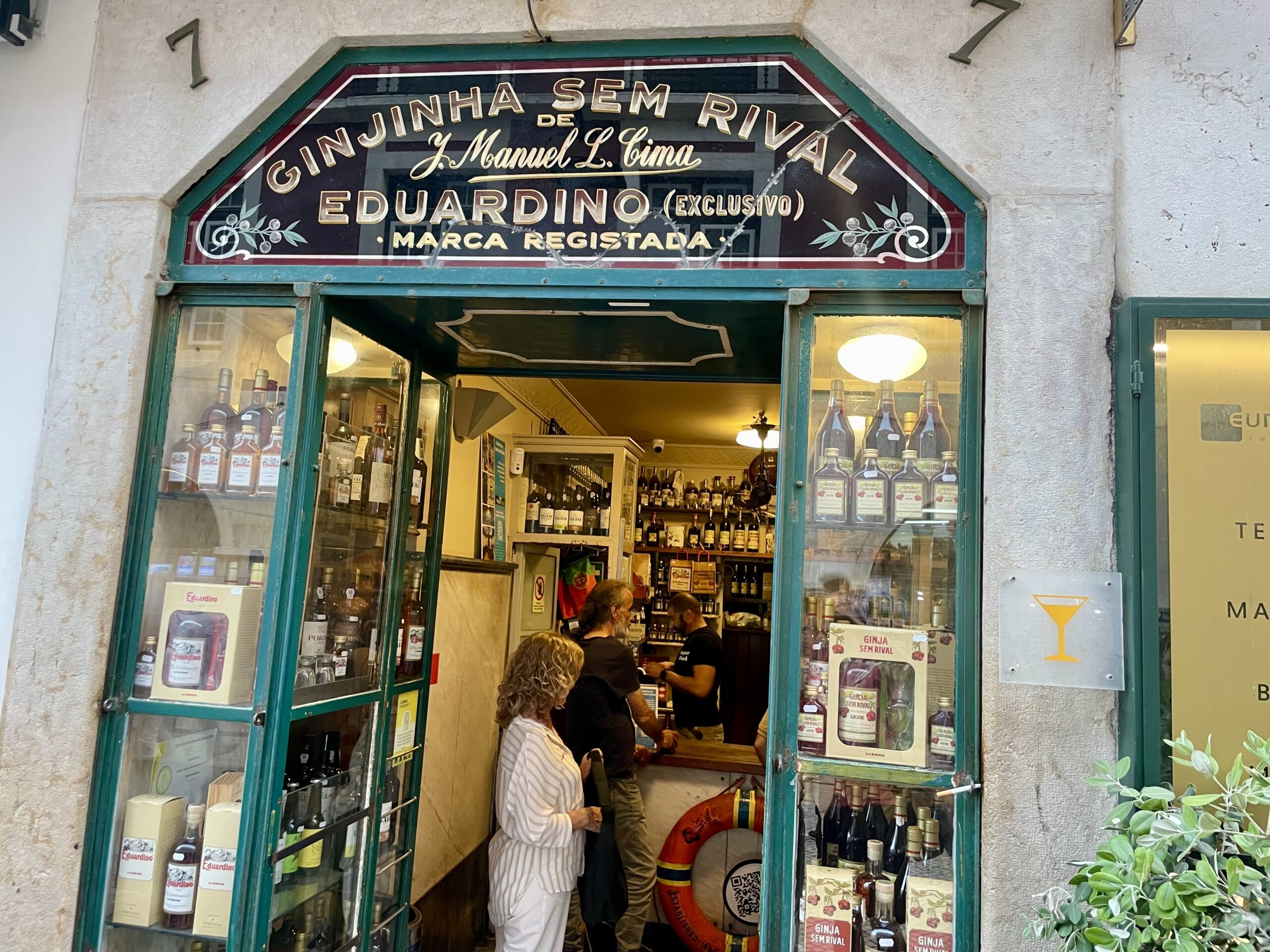
Lisbon also has its own alcoholic emblem: ginjinha, a sour cherry liqueur served in small glasses, often with a cherry at the bottom. The first bar serving ginjinha opened in Lisbon in 1840, and the second was opened by a former employee of the first, who, legend has it, left because he did not want to marry the owner's daughter. Interestingly, the cherries used to make the liqueur are sometimes imported from Poland.
Portuguese food customs
Portuguese food culture also holds many surprising customs and curiosities. A basket of bread always appears on the table. Bread is often eaten alongside dishes served with rice, which many tourists find surprising. Flavoured rice is also very popular, for example tomato rice, made with tomatoes, garlic and olive oil cooked together with the rice. The Portuguese also have a particular approach to beer. It is most often served in small 0.2-litre glasses so that it has no time to warm up or go flat. The word “imperial”, originally the name of one of the first draught beers, has entered everyday language. Today, when you order an “imperial” in a bar, you may also be served other brands, such as Sagres or Super Bock, because in everyday speech “imperial” now simply means “draught beer”. Coffee culture in Portugal has its own character too. You can order a coffee using the word “bica”. According to urban legend, the term comes from the phrase “Bebe Isto Com Açúcar”, meaning “drink this with sugar”. This is supposedly how waiters encouraged customers to sweeten the very bitter coffee. Interestingly, despite the huge popularity of eating out, Portugal has practically no classic street food culture: people eat sitting down, on the premises. Few people know that Japanese tempura has Portuguese roots. In the 16th century, Portuguese missionaries and merchants arrived in Japan, bringing with them the technique of frying fish and vegetables in batter. The most popular theory holds that the word “tempura” comes from the Portuguese or Latin term “tempora”, referring to the fast days when meatless dishes were eaten.
Lisboa Card - transport and attractions in one
Places where you can try local specialities are found in the city centre, but also on its outskirts and in the surrounding towns. Often you can combine visiting a historic site or enjoying a beautiful view with discovering the flavours of the Portuguese capital. In other words, it is worth securing entry to the attractions and the freedom to get around the city easily.
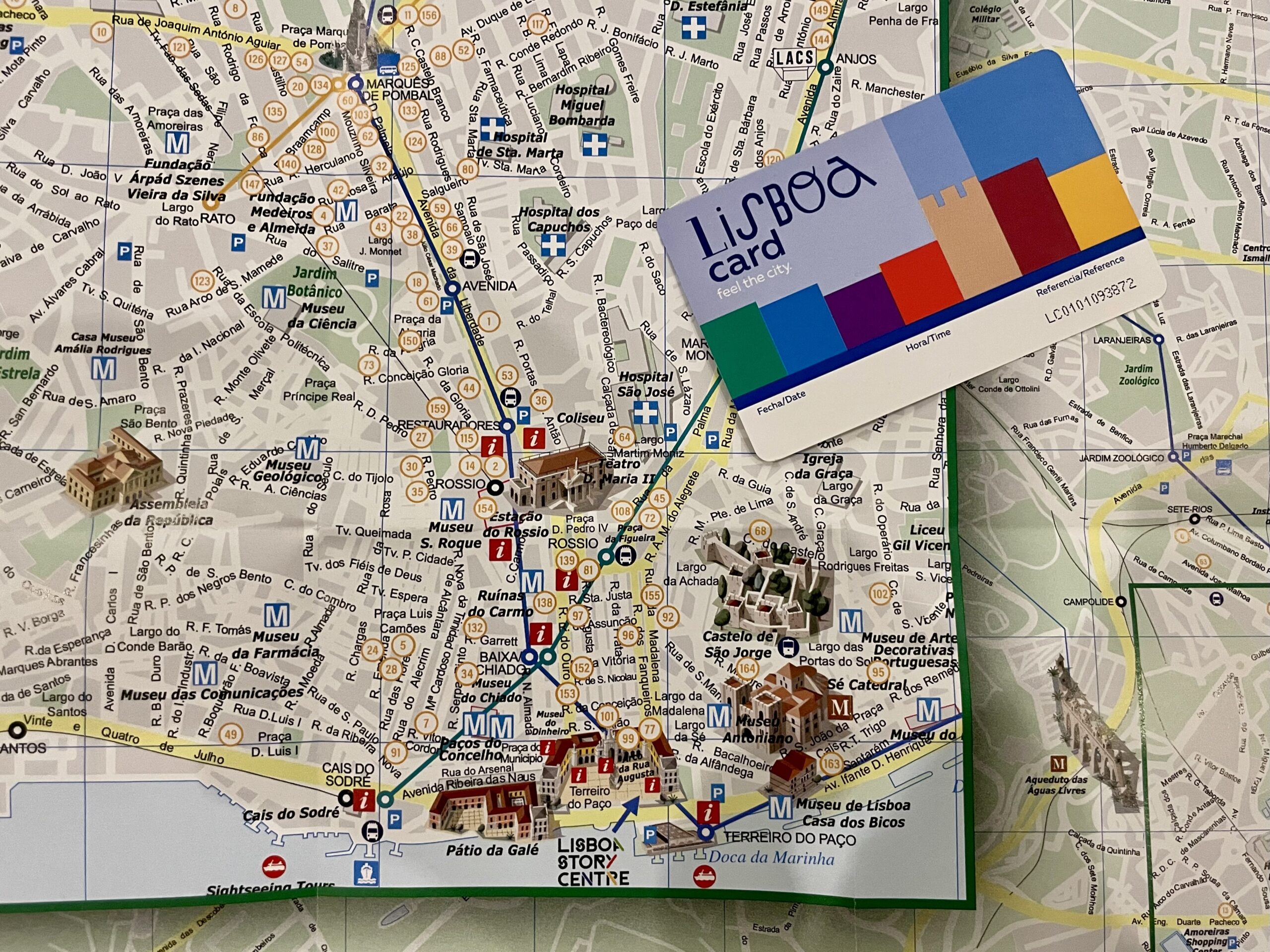
That is why many tourists opt for the Lisboa Card, a city pass that combines public transport, free entry to attractions and numerous discounts. And indeed, the Lisboa Card's greatest advantage is that it brings public transport and tourist attractions together in a single system. The card works as a fully fledged public transport ticket, with a choice of 24, 48 or 72 hours. There is no need to activate additional passes or puzzle over fares: just tap the card at the metro gates or show it when your ticket is checked. This also applies to the journey from the airport to the city centre on the red metro line. The Lisboa Card also makes it much easier to reach the main sights: you can explore the historic centre and Alfama on the famous tram 28, while the Belém district, home to the Torre de Belém and the Mosteiro dos Jerónimos monastery, is served by a modern tram, a suburban train and buses.
The card also gives free entry to more than 50 places worth visiting and sometimes lets you skip the queue. Importantly, it also covers free suburban train journeys to the two most interesting places near Lisbon: romantic Sintra and the elegant seaside resort of Cascais.
By train to Sintra and Cascais
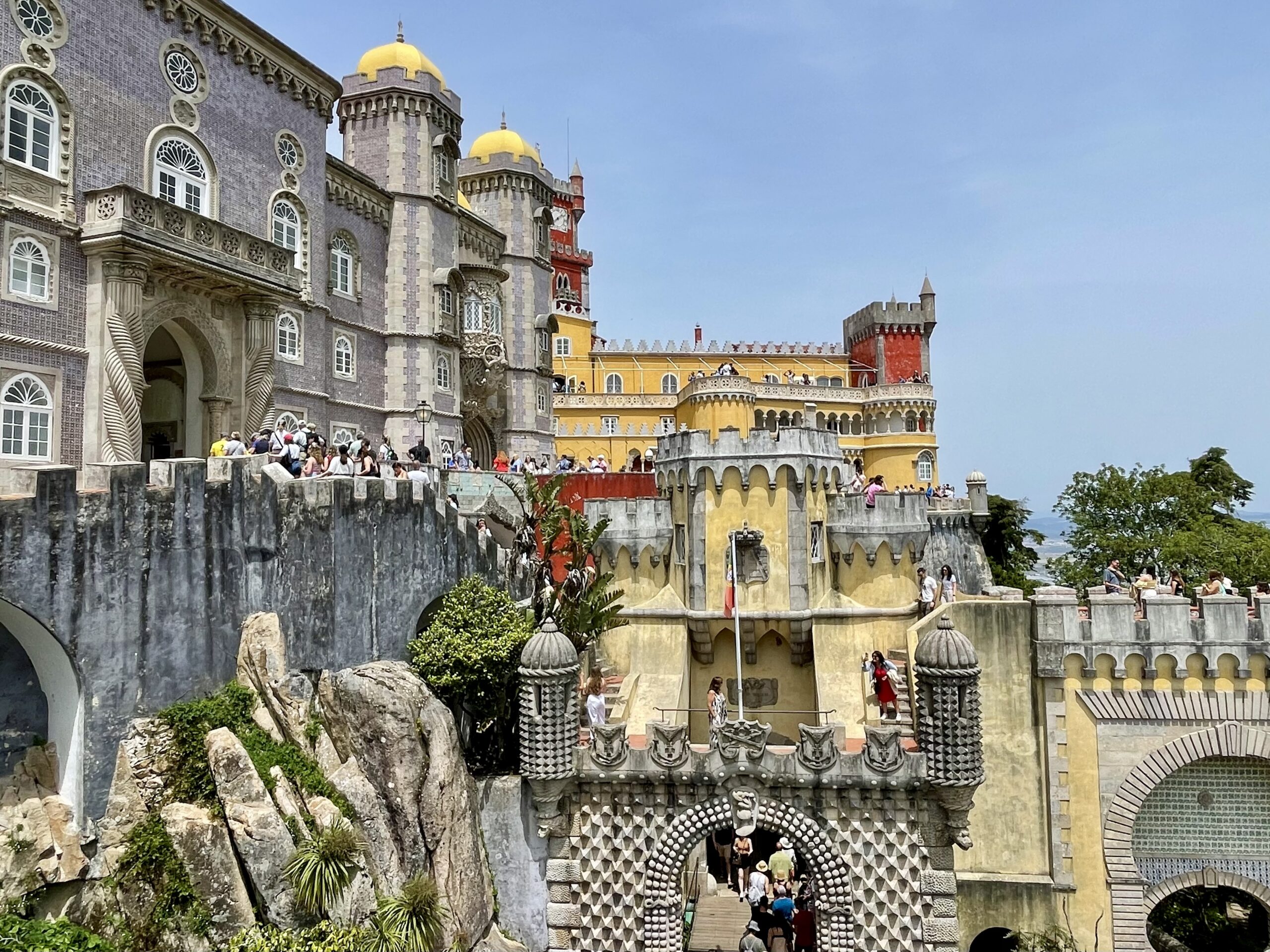
Trains leave Rossio station for Sintra, one of the most beautiful places in Portugal, famous for its palaces, gardens and romantic atmosphere. This is where you will find, among others, the royal Palácio Nacional de Sintra and the colourful Palácio da Pena. From Cais do Sodré station, meanwhile, you can travel to Cascais, an elegant seaside resort on the Atlantic, where you will see the beautiful villas of the old aristocracy and beaches waiting for holidaymakers.
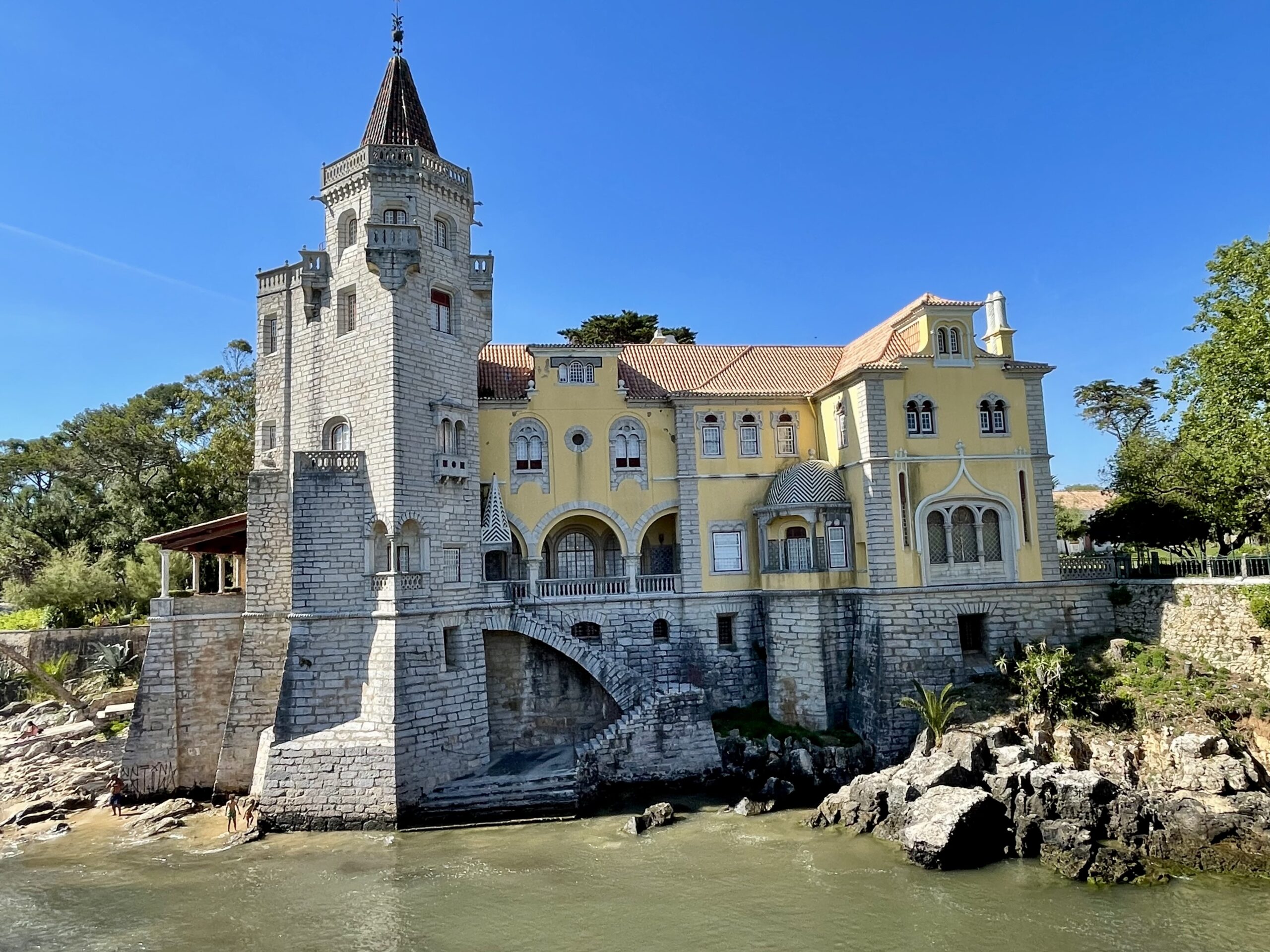
Lisbon captivates not only with its monuments and atmospheric districts, but also with a cuisine that has drawn inspiration from Portuguese sea voyages for centuries. Among the local specialities, be sure to try the cheeses, traditional soups, the famous bacalhau, rice with beans, the wines and ginjinha liqueur. Tastings and sightseeing are made easier by the Lisboa Card, which combines free public transport with free entry to more than 50 attractions. The card also covers journeys to Sintra and Cascais and gives faster entry to many popular sights.