Alsace - good in every season
Alsace is a region in north-eastern France, on the Rhine, bordering Germany and Switzerland. Its turbulent history has shaped a unique cultural identity. It is a region where two Europes meet: the Romance and the Germanic. For tourists, it offers a blend of medieval charm, culinary riches and a living, authentic tradition.
A turbulent history and half-timbered houses
The history that shaped Alsace is a fascinating one. From the 9th century, the lands of Alsace belonged to the German Empire. In 1648 Alsace came under French rule, although it did not entirely sever its ties with Germany. In 1871 Alsace (together with Lorraine) was annexed back into the German Empire, only to return to France after the First World War (1919). 1939 marked a return to German rule, and 1945 a return to France. These many changes of nationality meant that the Alsatians lived for a long time between two cultures, two languages and two states, creating a culture and identity of their own. Today, uniting nations that were once at odds, Alsace has become a key point of a united Europe, with important institutions based in Strasbourg. A great advantage for tourists is that, besides the national language, French, you can easily get by in German and English. Many people consider Alsatian culture an exceptionally harmonious blend of French flair and German solidity: you can see it in the architecture, the cuisine, the music and the Christmas traditions.
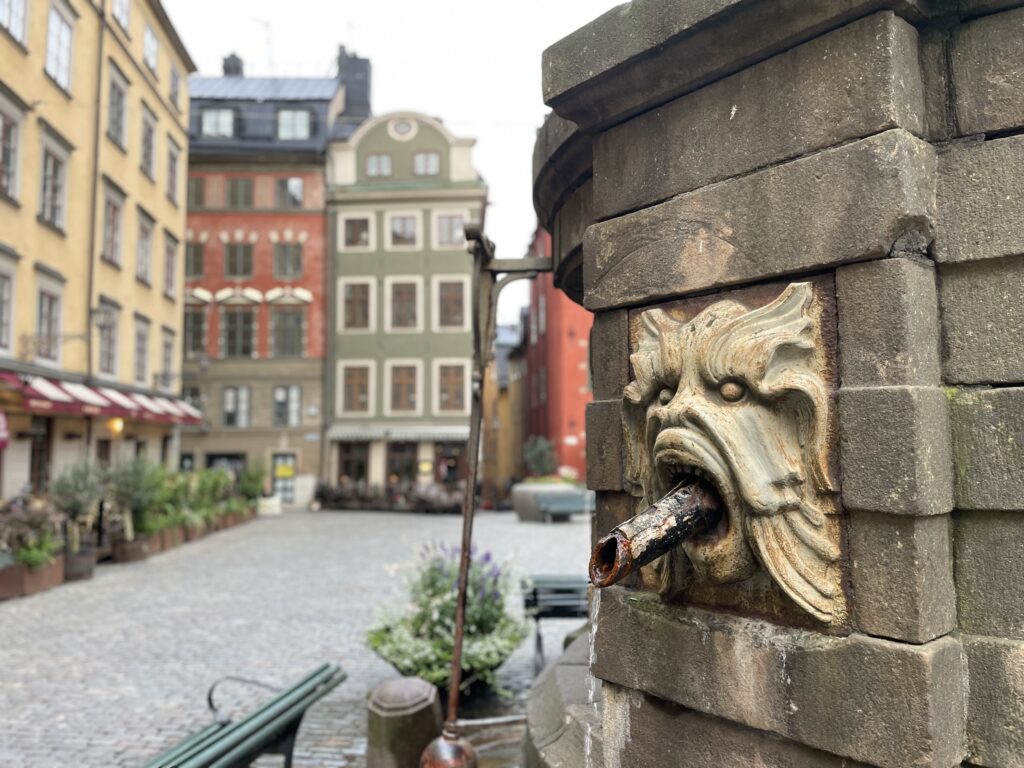
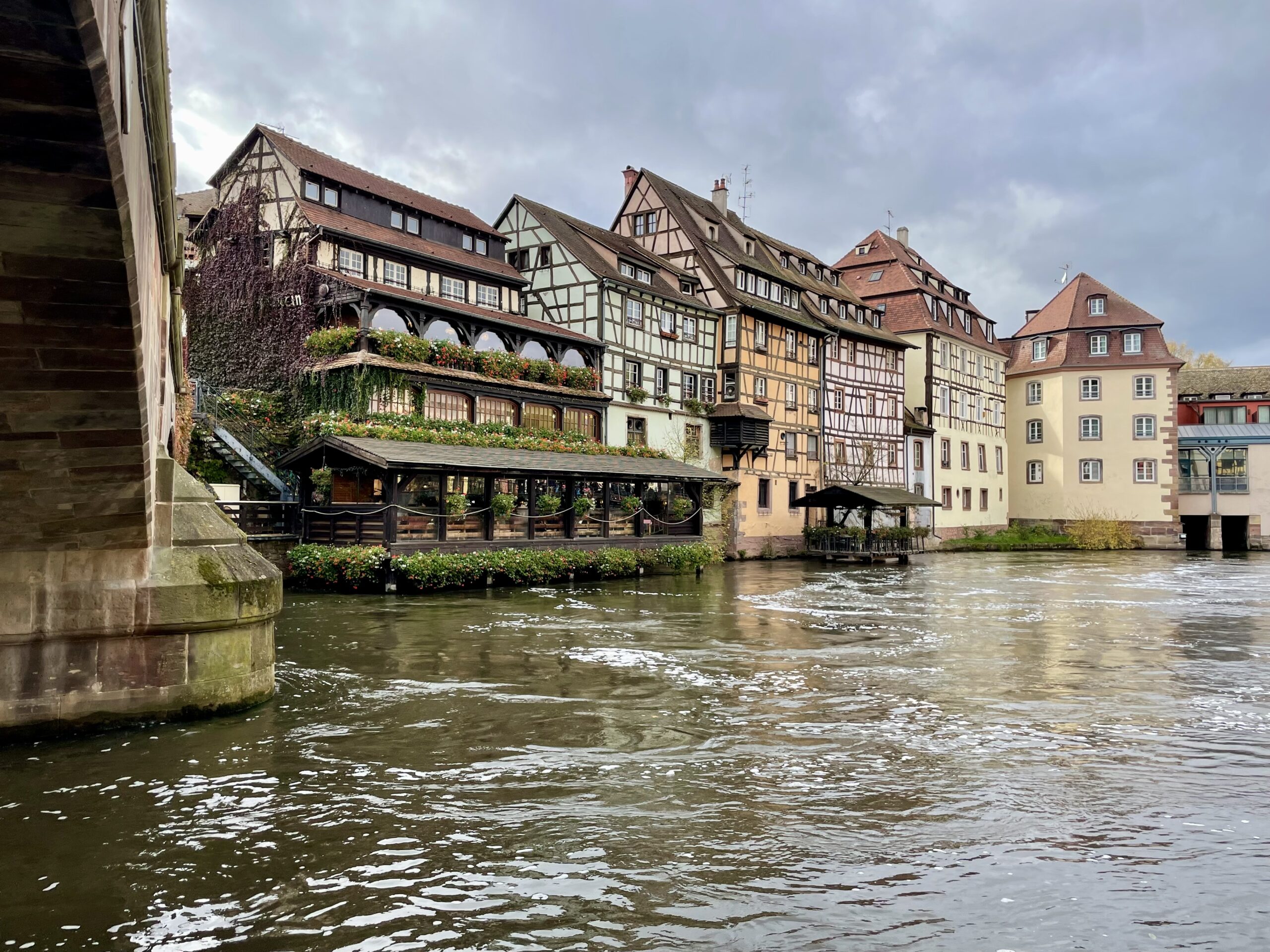
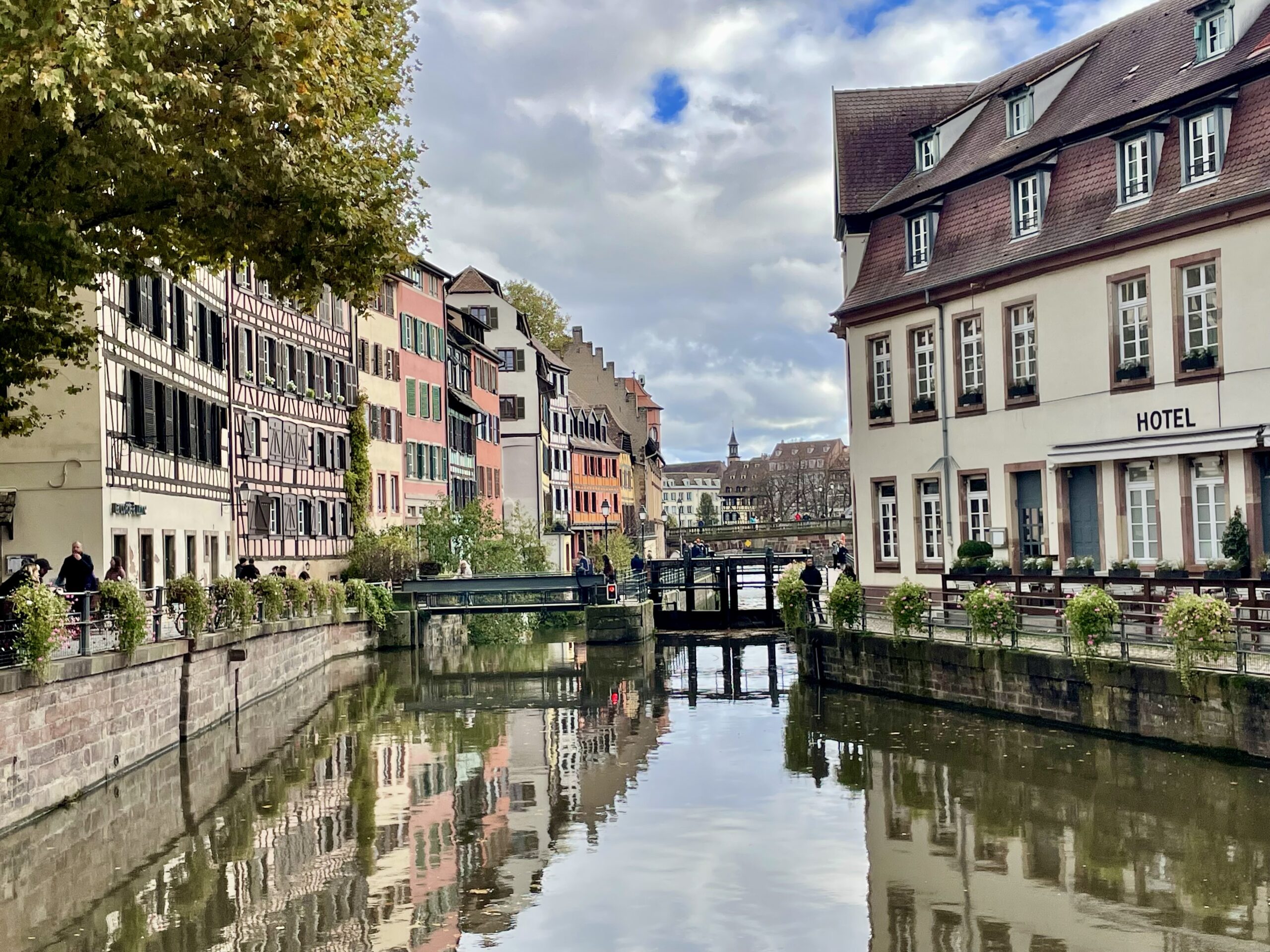
The architecture is characterised by half-timbered houses, colourful streets and balconies full of flowers. The ground floors of the houses are built of masonry to protect the upper storeys from damp, while the upper floors are timber-framed. The houses are often painted in contrasting colours, with white and brown or red and cream being popular combinations. The upper storeys usually jut out slightly beyond the ground floor. It is no exaggeration to say that this look makes the old parts of these towns some of the most beautiful in Europe.
Strasbourg - the cathedral, Petite France and the Christmas market
When in Alsace, you should definitely make time for its two key cities: Strasbourg and Mulhouse. Strasbourg is the seat of the European Parliament, but also home to the romantic old town, the Altstadt, and the “German” Neustadt district, built between 1871 and 1919. Both districts are on the UNESCO list, the first since 1988 and the second since 2017. The city has many places worth seeing, and a must is a boat trip (16 euros) along the canals surrounding the oldest part of town. The boat departs from below the baroque Palais Rohan (18th century), the former residence of cardinals and prince-bishops. Right from the start you can see the monumental tower of the cathedral, which for many years was the tallest building in Europe (142 m). Then you reach Petite France, the most picturesque part of the city. The canals are lined with half-timbered houses from the 15th to the 17th centuries, with their characteristic wooden frames and tiled roofs. On the way, the boat passes the Vauban lock and a movable bridge, as well as the Ponts Couverts, former defensive bridges with 13th-century towers. In Petite France, the old canals and the remains of three mills run by craft guilds have survived.
The Barrage Vauban (Vauban Dam) is a late 17th-century structure designed by the famous engineer Vauban, which served a defensive purpose: it could flood the valley in the event of an attack. Its viewing terrace offers a panorama of Petite France. Here the boat passes through a second lock and heads towards the Neustadt. This district was built from scratch during the less than 50 years of German imperial rule (1871-1919). It stands out for its monumental, “imperial” architecture, with buildings often modelled on those of Berlin and Vienna. It is a very coherent ensemble, in which grand public buildings and townhouses are separated by wide avenues, and here and there you will find symmetrical squares, such as the Place de la République. From the water you can see, among others, the University, the National Theatre and the Library. In the northern part of the city, the boat reaches modern buildings: the European Parliament, the Council of Europe and the Court of Human Rights.
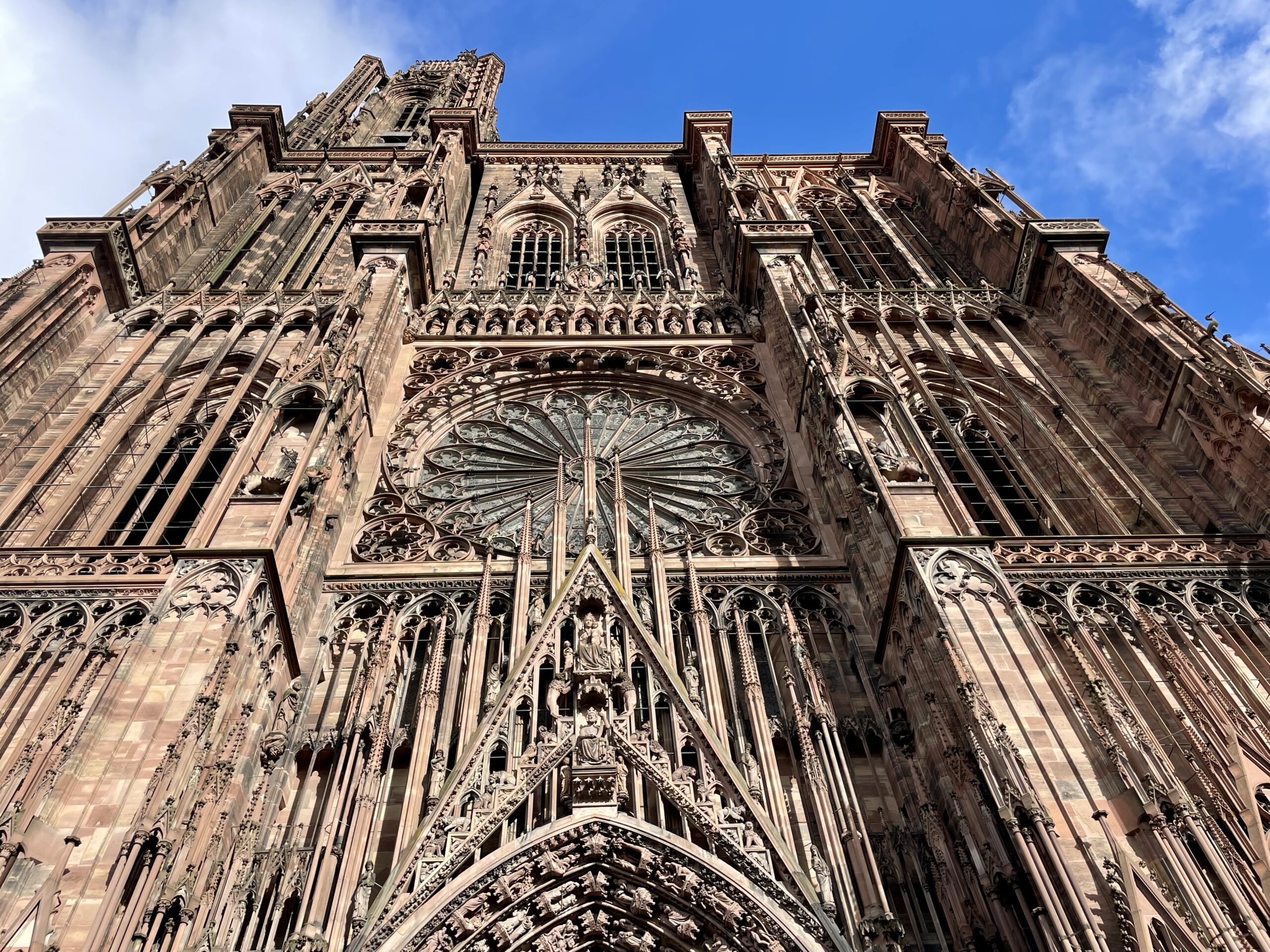
After the boat trip, make sure you see a masterpiece of Gothic architecture, the Cathedral of Our Lady (Notre-Dame de Strasbourg), built of red sandstone from the Vosges. Its facade is full of sculptures, stained glass and a rose window, and inside there is a remarkable astronomical clock.
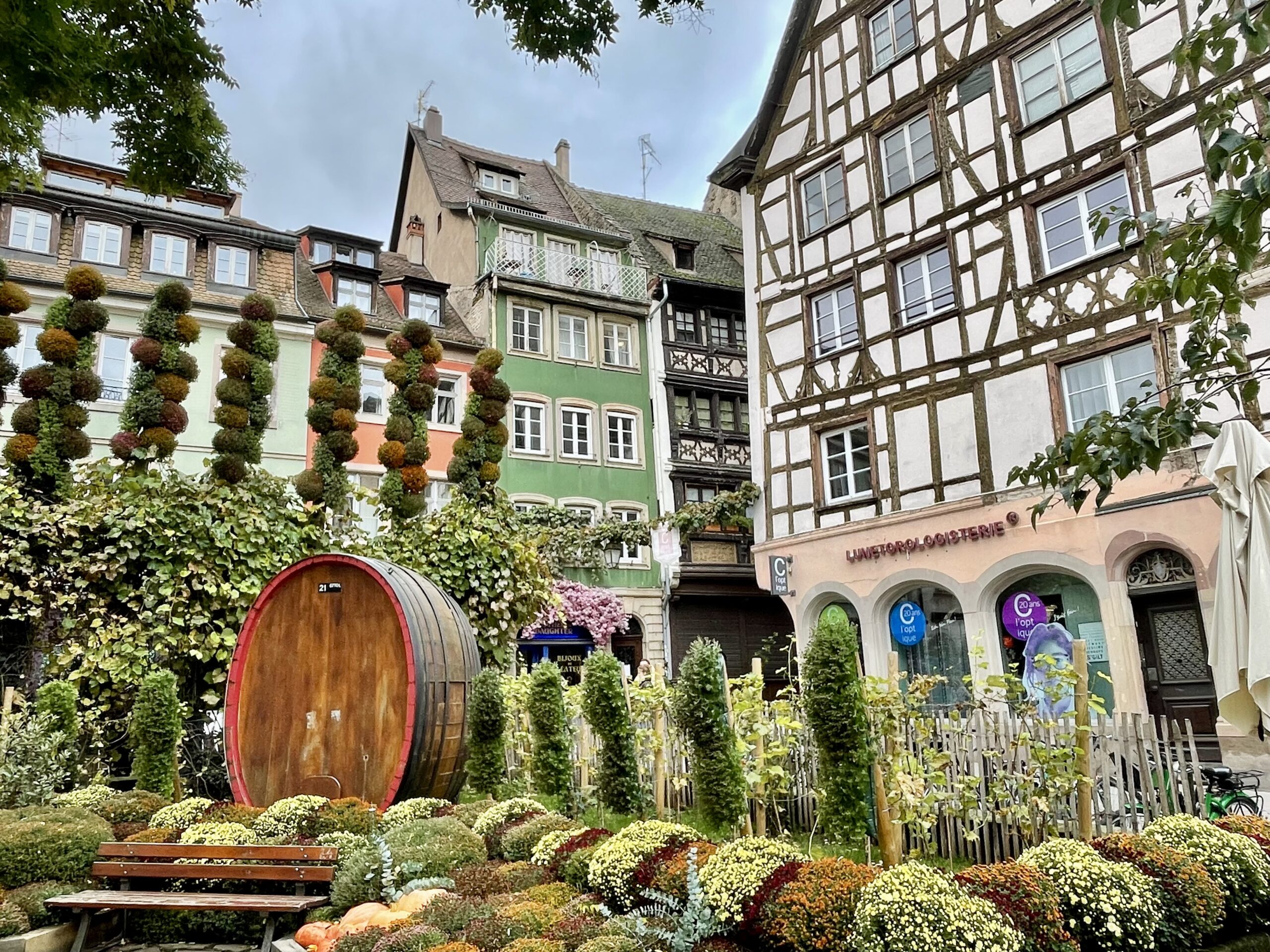
The old town is where the Christmas markets are held. As early as the end of October, a huge Christmas tree is decorated on Place Kléber, and the stalls open from 26 November. The first market in Strasbourg was probably held in 1570, making it the oldest Christmas market in France and one of the oldest in Europe. The Christmas fair used to be held in a single place; today markets are organised at as many as 12 locations across the Altstadt. Last year they attracted as many as 3.5 million visitors from France and abroad. At that time, carols ring out across the city in several languages (French, German and Alsatian), the streets are decorated with thousands of lights and the shop windows look like fairy-tale scenes.
Mulhouse - the industrial soul of Alsace
Mulhouse is, in many respects, the opposite of Strasbourg. There are fewer historic monuments here, as Mulhouse is the industrial soul of Alsace and a museum paradise for technology lovers. While part of Strasbourg's identity is its “Germanness”, Mulhouse was for a long time a Swiss canton. The city's main square, and especially the colourful Town Hall with its frescoes, bears witness to its close ties with Helvetia. Mulhouse is often called the French Manchester, and its residents are also aware that it shares common features with the Polish city of Łódź. Years ago the city was an extremely dynamic centre of the textile industry. It all began when it was discovered that the rivers flowing near the city had a chemical composition that made it possible to produce fabrics, dyes and threads of the highest quality. Factories sprang up, and patterned textile prints became Mulhouse's speciality. To this day it is a local tradition to give each other colourful tablecloths and scarves in the run-up to Christmas.
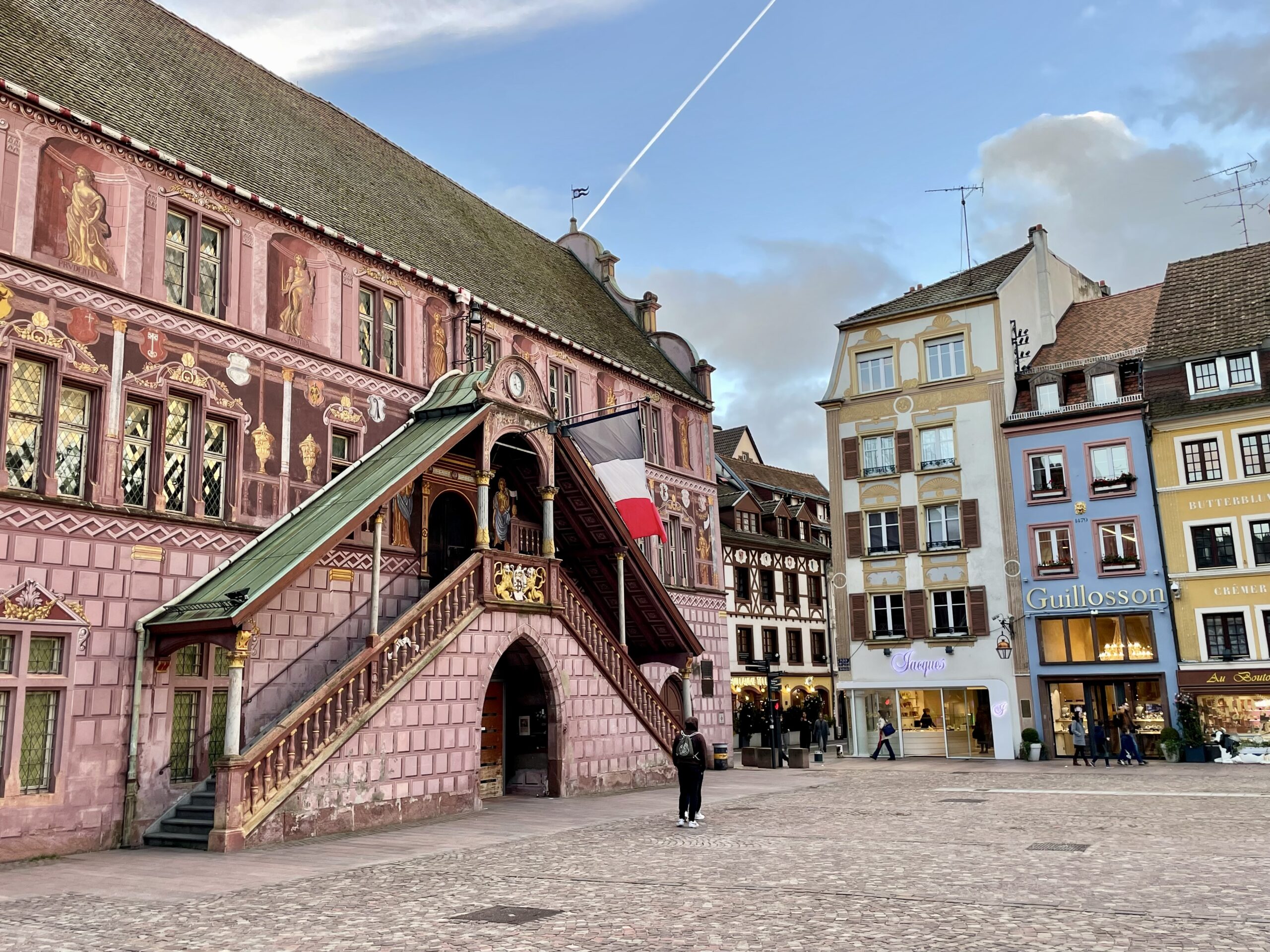
The city first produced fabrics, then the machines to make them, and later even locomotives, carriages and cars. Today several brick buildings and industrial halls on the outskirts of the city are used as museums. All of them can easily be reached by tram, and a 24-hour ticket costs just 4.60 euros.
Alsatian cuisine
Whether you find yourself in Strasbourg or in Mulhouse, as you stroll through the streets you will notice restaurant signs advertising local specialities in a mysterious language. Although the Alsatian language has fallen out of use, many dishes still bear their old names out of respect for tradition.
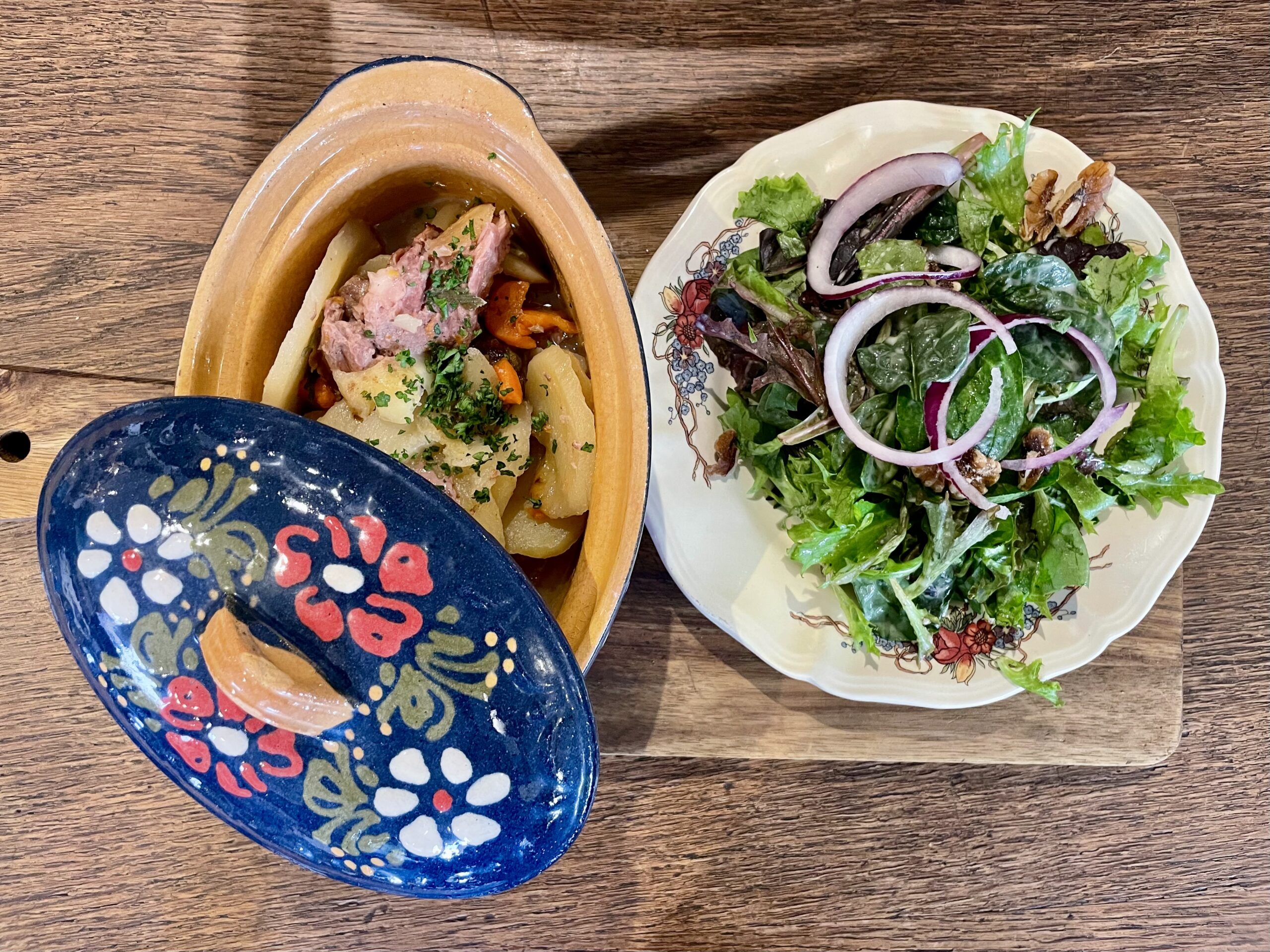
Alsatian cuisine is “heavier” and richer, with a strong emphasis on meat and charcuterie. Just look at baeckeoffe. The dish dates back to olden times and must include a set of three meats: lamb, beef and pork. Vegetables are added and the whole thing is placed in the cooling oven of the local baker. Baeckeoffe is simple, but it needs slow baking for at least 3 hours. It was usually served on Mondays, when housewives had no time to prepare complicated meals because, as custom dictated, they were busy with the weekly laundry. The meal therefore had to “cook itself”. The dish brought with it distinctive pots, which had to come in different colours and patterns. After all, each housewife had to be able to tell her dish apart from the others in the shared oven.
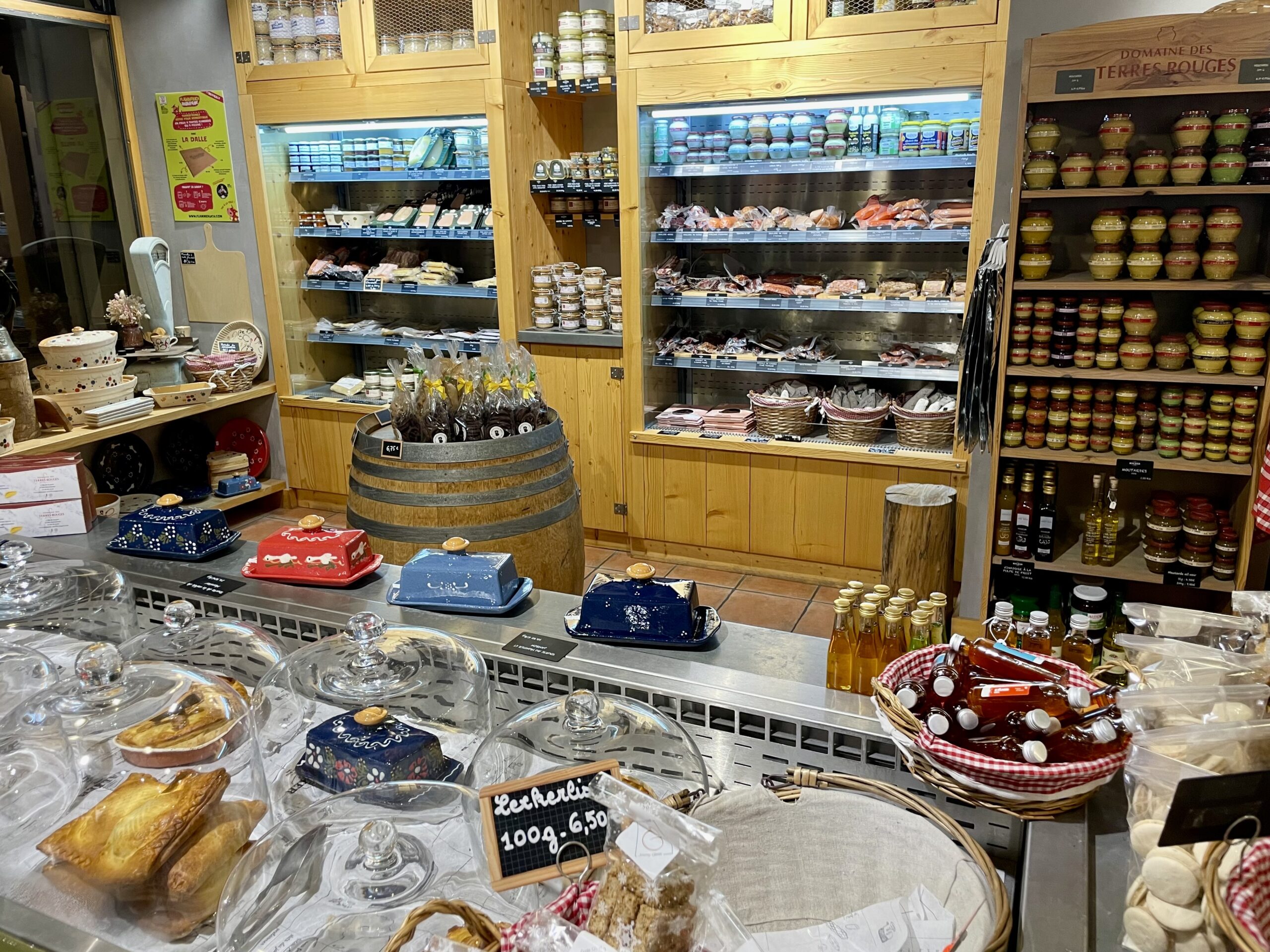
Another hearty dish is choucroute, in which the star of the show is sauerkraut, served with bacon, several kinds of sausage and even pork knuckle. Those who prefer slightly lighter meals can try a version in which the meat is replaced with fish. Boiled potatoes are also added to the dish. Interestingly, most butcher's shops in Alsace sell ready-made kits for making choucroute at home.
Among the somewhat lighter Alsatian delicacies is flammekueche, also known as tarte flambée. Put simply, the dish resembles the well-known pizza, although in Alsace it comes rectangular or oval. A wafer-thin sheet of dough with perfectly crisp edges is spread with a cheese and cream sauce with smoked bacon and browned onions, and often topped with the local munster cheese too. The tart is baked in a traditional oven and served hot and whole, straight onto a board placed on the table.
Kouglof, Christmas biscuits and amer
Top of the list of Alsatian sweets is the traditional yeast cake with raisins, kouglof. It is baked in special fluted moulds that give it its characteristic shape. Today, in response to customer demand, it is usually baked in three sizes, but always remember that the dough must be prepared the day before baking. The traditional version is filled with raisins and topped with almonds, but new variations are appearing, both sweet and savoury.
Giving each other biscuits is a hugely popular custom in Alsace, especially in the run-up to Christmas. Some are “dry” shortbread biscuits, others are iced, and still others are filled gingerbread. Shops selling a wide range of biscuits can be found in the centres of Strasbourg and Mulhouse.
Many people know and appreciate Alsatian wines, but when you sit down to a meal it is worth asking the waiter for an amer. This is a local aperitif: a pale beer with a dash of liqueur. The beer takes on extra bitterness and citrus notes, such as bitter orange.
Alsatian cuisine is a remarkable combination of French elegance and German simplicity, creating a harmonious yet varied mosaic of flavours. It clearly shows the influence of the history and traditions that have shaped the region's identity over the centuries. Many visitors come to Alsace to savour its hearty meat dishes, aromatic bakes and local drinks. In Alsace, food has become part of the heritage and a story about a region where an identity of its own has formed at the meeting point of two cultures.
Cité du Train - the railway museum in Mulhouse
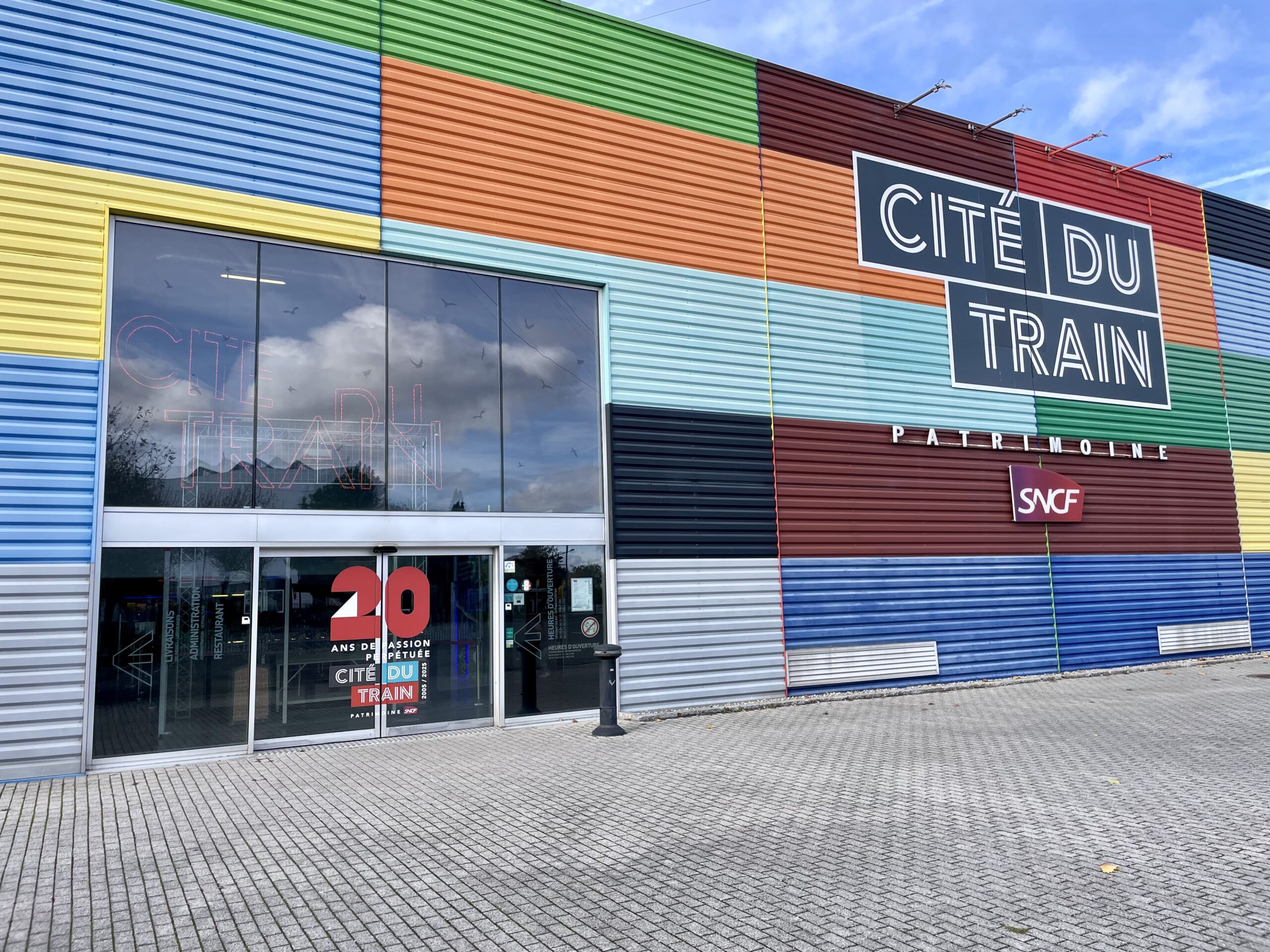
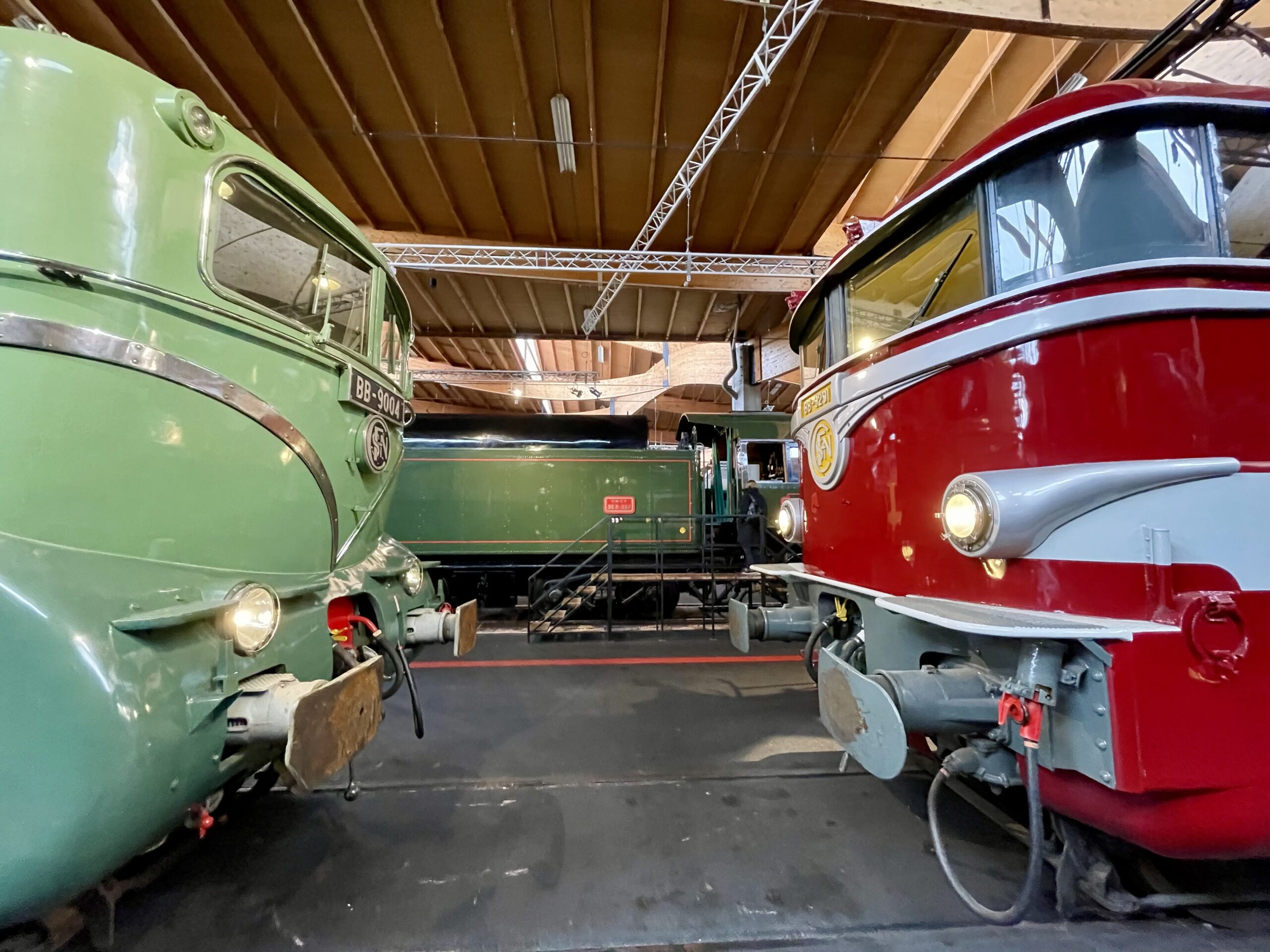
Be sure to visit the Cité du Train in Mulhouse (French for City of Railways, admission 16 euros), a museum set up on the initiative of the French National Railways (SNCF) in 1971. The aim was to preserve and present the rich history of French railways, from the first steam locomotives to today's high-speed trains, known as TGVs. Between 2000 and 2005 the museum was thoroughly modernised, and its new exhibition made it the largest railway museum in Europe. The Cité du Train is a huge complex covering around 60,000 m², of which around 15,000 m² is taken up by exhibition halls. It houses more than 100 historic locomotives, carriages and rail vehicles.
The National Automobile Museum and its Bugatti collection
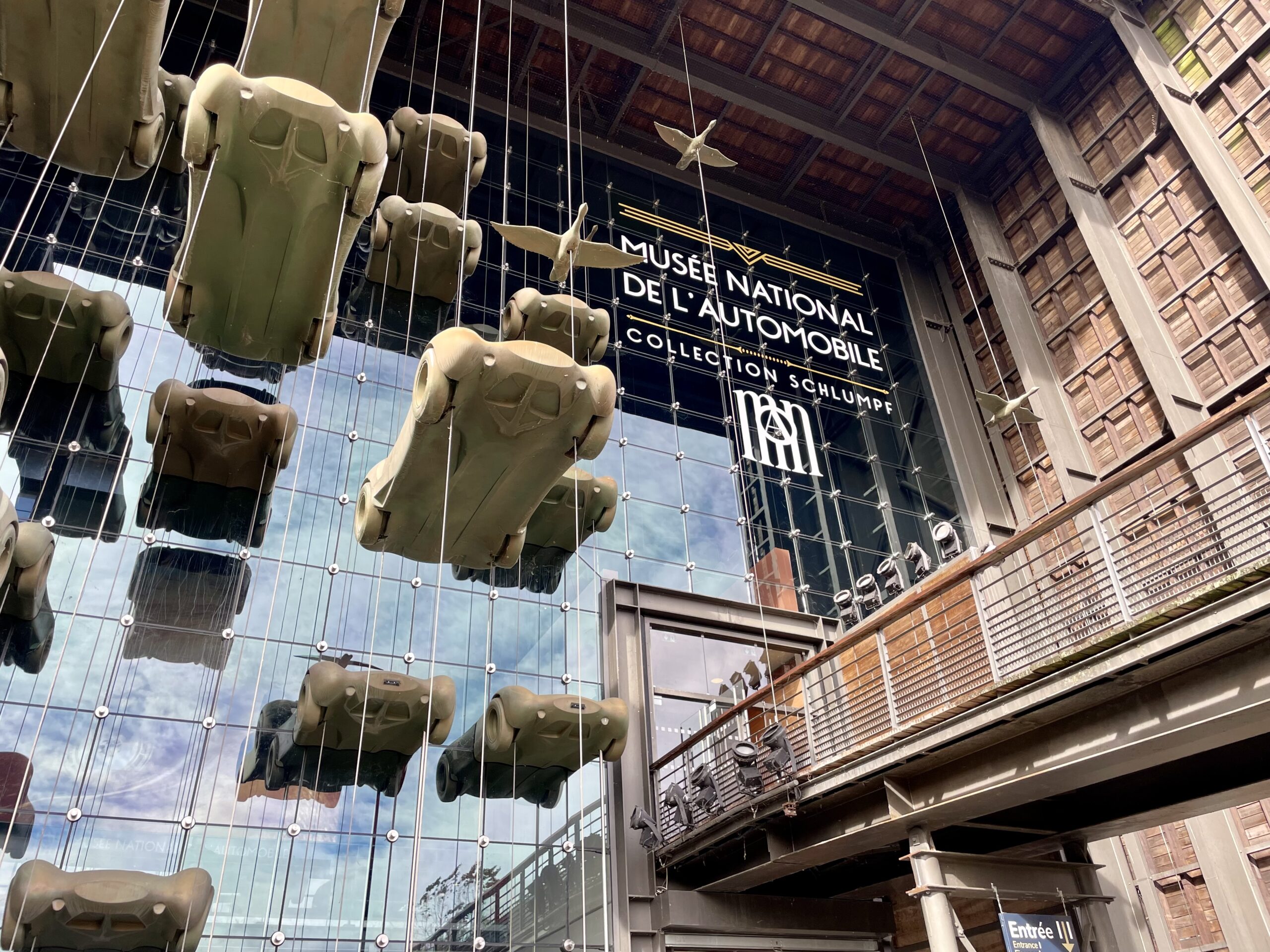
At the “National Automobile Museum” in Mulhouse, car lovers can admire almost 500 vintage cars made by 97 different manufacturers, making it the largest and one of the finest collections in the world. The museum is housed in an old 19th-century wool spinning mill, which the industrialist brothers Schlumpf bought in 1957 and a few years later turned into an exhibition of their vast collection. There are 450 vehicles in the collection, and the Bugattis, of which there are as many as 150, deserve special attention.
Bugatti is very closely linked with Alsace, where Mulhouse lies. Ettore Bugatti, the company's founder, was Italian, but worked mainly in Germany and France. Bugatti's first base was in Molsheim, a small town in Alsace which, when the company was founded in 1909, belonged to Germany. After the First World War, when Alsace returned to France, Bugatti became a French brand, albeit with strong German influences because of its location and its founder's biography. To this day Bugatti Automobiles has its headquarters and Alsatian production plant in Molsheim, where modern models such as the Veyron and the Chiron are built.
We owe this spectacular collection of Bugatti models to the Schlumpf brothers, who were obsessed with the marque. They were Swiss, born in Italy, and moved with their mother to Alsace, to Mulhouse, where she came from.
In 1962 Fritz Schlumpf sent a letter to the car owners listed in the Bugatti club register, offering to buy all their cars. The brothers bought almost 50 Bugattis at the time. In the spring of 1963 they acquired 18 of Ettore Bugatti's own cars, including the Bugatti Royale Coupé Napoléon. In 1963 an American collector offered them 30 Bugattis, the largest collection in the United States. By 1967 the brothers owned 105 cars of the marque.
The cars at the “Musée National de l'Automobile” are displayed in a vast hall covering 17,000 m². The hall is decorated with 800 lamps identical to those on the Pont Alexandre III in Paris, and the vehicles are arranged by theme and in chronological order.
The “Ancestors” section features marques such as Panhard, Peugeot, De Dion and Benz, covering the period from 1878 to 1918. Panhard's vehicle layout is believed to have defined what a modern car would be for decades to come, with its components arranged in sequence: the engine at the front, followed by the clutch, the gearbox and rear-wheel drive. Bugattis could not be missing from among these models. The Type 16 certainly deserves special mention, with its 4-cylinder, 5-litre overhead-camshaft engine, 3 valves per cylinder and chain drive. Seven were built. The first was sold to the aviator Roland Garros, whose name stuck to these models. Later, the famous tennis courts in Paris were named after him.
The “Classics” open the second stage (1918-1938), symbolised by the merger of two powerful manufacturers: Mercedes and Benz. It was this merger that ushered in the era of “supercars”, characterised by their impressive size and power. Citroën's introduction of front-wheel drive in 1934 was a major technical achievement of the era, and a solution that most manufacturers still use today.
The “Racing cars” collection showcases exceptional sports models such as the Panhard-Levassor Biplace (1908), the Mercedes W125 (1937), the Maserati 250F (1957) and the Lotus Type 33 (1963). The famous 1923 Bugatti Type 32, designed by the founder of the marque himself, stands out for its revolutionary aerodynamics. It is the only surviving example of the four built. Its revolutionary shape earned it the nickname “Tank”. In 1923 it reached a speed of 189 km/h. Its Type 30 engine was later fitted in the first Bugatti 35s. Some of the vehicles are lined up symmetrically on both sides of the main avenue, forming the magical starting grid of a fabulous race.
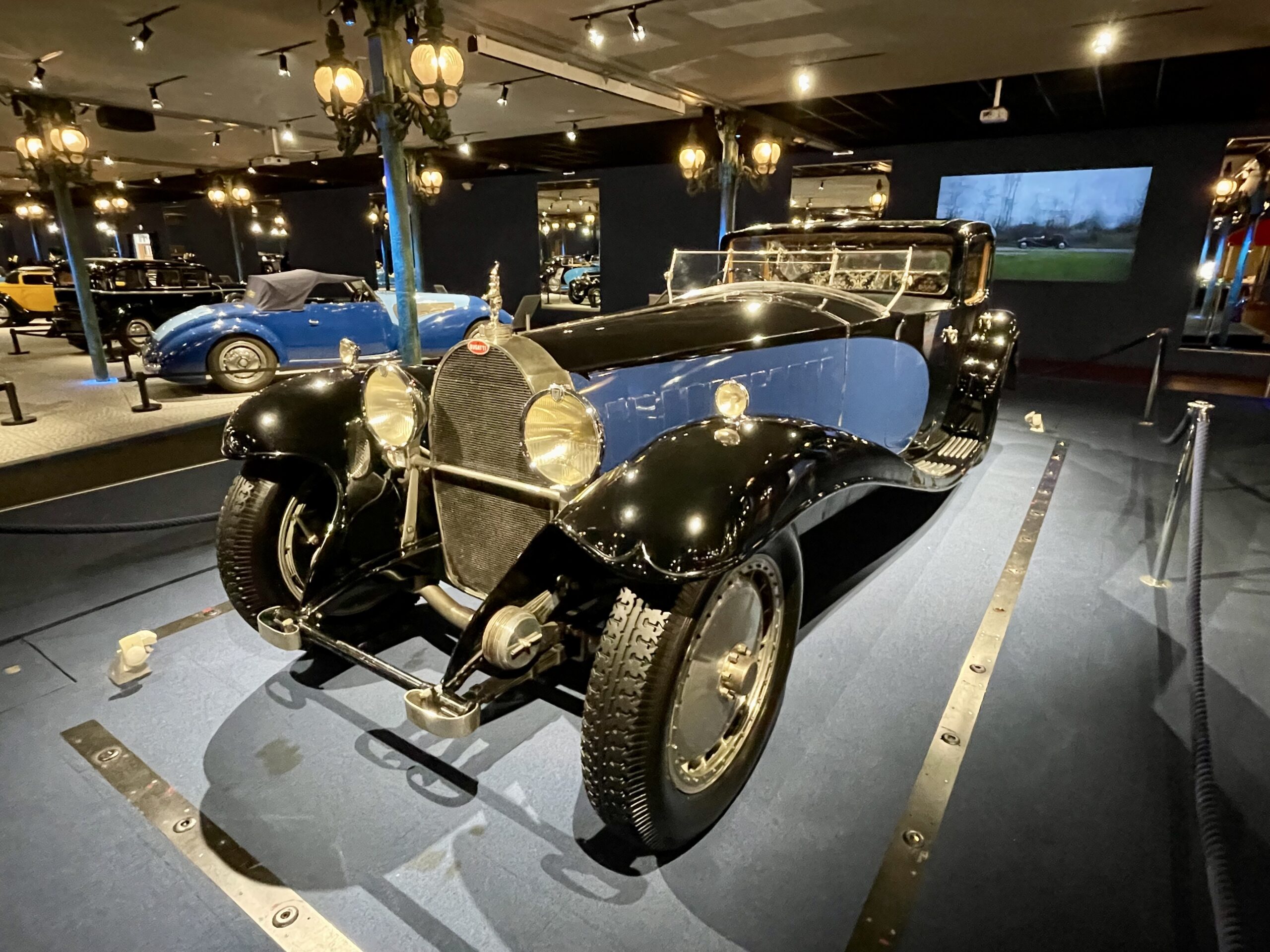
The “Masterpieces” section includes vehicles such as the Panhard-Levassor X26, the Delahaye Type 135 (1949) and the Rolls-Royce Silver Ghost (1924). At the heart of this zone, where the light is dimmed, stands the famous 1930 Bugatti Royale Type 41 Coupé Napoléon. It is considered the most luxurious and extravagant car in the world. Its 12-litre engine produced 300 hp, the car weighed 3 tonnes and its price was gigantic: everything about it seemed disproportionately large. The elephant on the radiator cap was designed by Rembrandt Bugatti, Ettore's brother. Only six Royales were made. Ettore Bugatti kept this one, designed by his son Jean, as his personal car.
In 1932 Ettore Bugatti met Raoul Dautry, director of the State Railways, and the carmaker decided to take a risk and start building trains. He designed streamlined self-propelled railcars capable of 140 km/h (the record, set in October 1934, was 192 km/h). From the spring of 1933, the Bugatti factory in Molsheim produced a total of 88 railcars, one of which can be seen at the “Cité du train” railway museum, also in Mulhouse.
The “National Automobile Museum” also has rooms displaying car engines and exhibits relating to the painstaking process of vehicle restoration. A glimpse into the future is offered by a room devoted to the latest Peugeot models and the robotisation of today's car production: Stellantis has a large plant near Mulhouse. Close to the museum there is a circuit where you can try your hand at driving a vintage or racing car.
Alsace in every season
Alsace is a region where history, culture and modernity form a unique whole. In a relatively small area, French, German and Swiss influences meet, giving Alsace a character all of its own. Charming little towns with colourful half-timbered houses, excellent cuisine, superb wines and a rich Christmas tradition draw tourists here all year round.
Cities such as Strasbourg and Mulhouse, meanwhile, perfectly illustrate the region's two faces: the first full of history, architecture and European institutions, the second industrial and technical, a testament to Alsace's economic strength. From the majestic cathedral in Strasbourg to the halls of the Cité du Train in Mulhouse, every corner of the region has a story to tell.