Stockholm - islands, museums, an artistic metro and Swedish food
Stockholm is a city made for a city break. You do not need to spend a week there to get a feel for its character, see the main sights and immerse yourself in the Swedish way of life. Two or three days are enough to combine exploring the historic centre, visiting a few museums, walking around the islands, discovering the art in the metro and the obligatory fika: the Swedish coffee ritual.
The Swedish capital is exceptionally picturesque. The city is spread across 14 islands, and water really is an almost constant presence in the cityscape. Historic townhouses, modern buildings, churches and royal palaces are all reflected in its surface. The centre of Stockholm is best explored without hurrying, on foot, while the more distant areas can be reached by city ferry or by metro.
The Old Town and museums
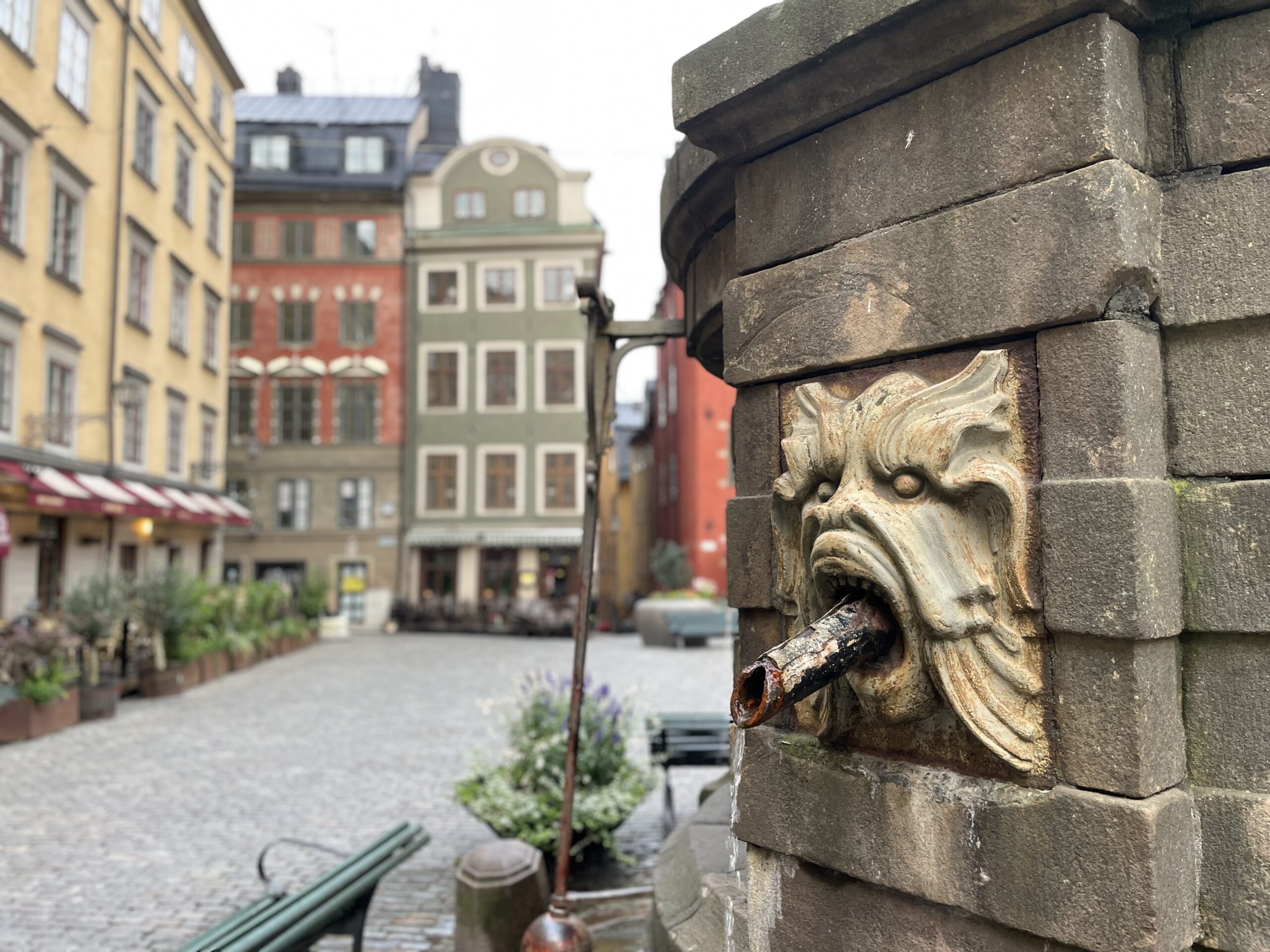
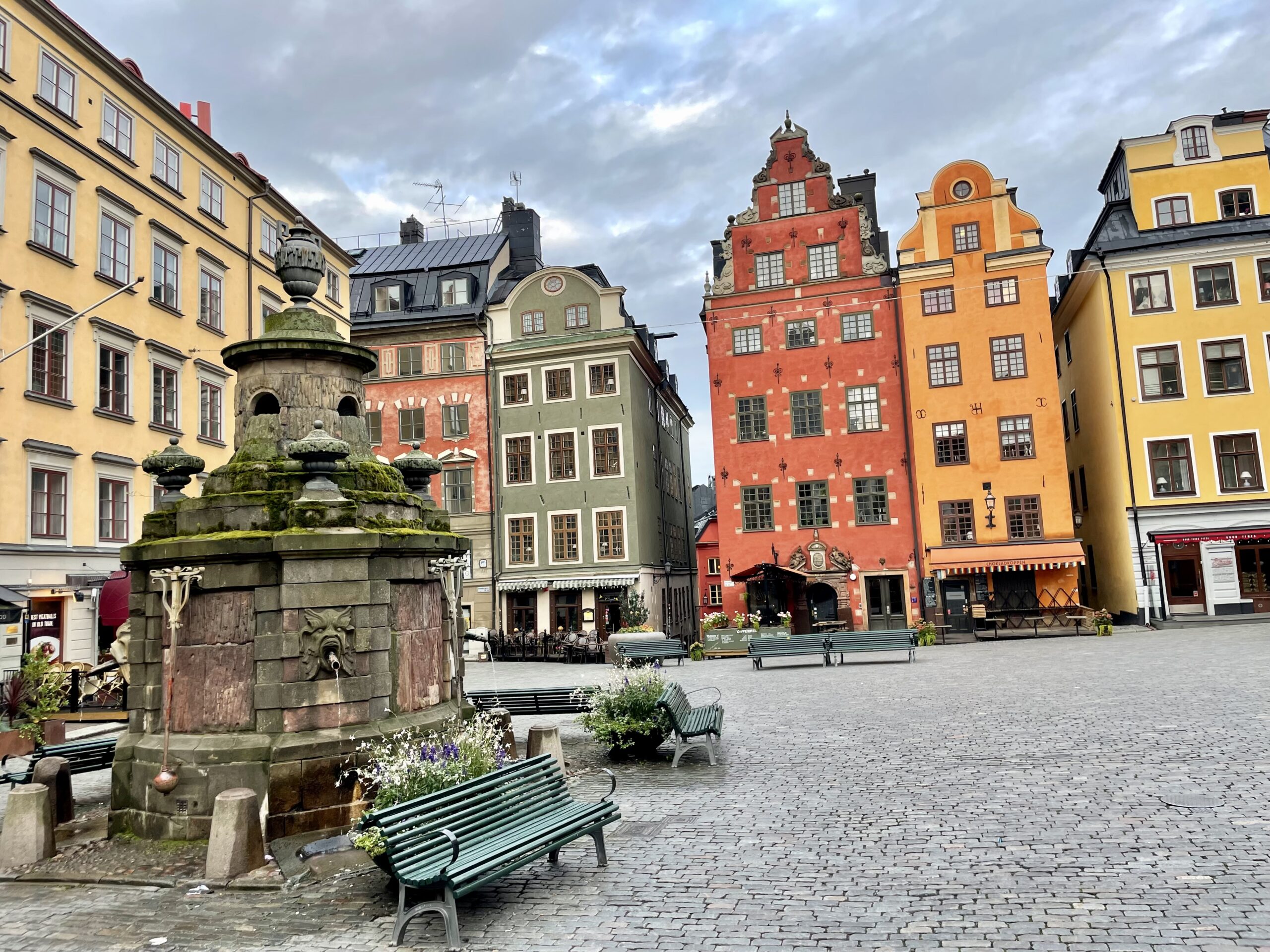
Sightseeing is best started in Gamla Stan, the Old Town. It is the historic heart of Stockholm and one of the best-preserved medieval urban quarters in Europe. Its origins date back to the 13th century, although the buildings we see today largely come from later centuries. The greatest charm of Gamla Stan lies in its narrow cobbled lanes, small squares and colourful townhouses. Facades in shades of yellow, orange, red and pink create an extremely photogenic setting. This is also where you will find several museums worth visiting, including a few royal ones and one devoted to Alfred Nobel. At noon, a colourful changing of the guard takes place in front of the Royal Palace, accompanied by a military band. Without giving too much away, I can reveal that one of the pieces played comes from ABBA's repertoire, which never fails to delight the crowd. ABBA also has its own museum in the city.
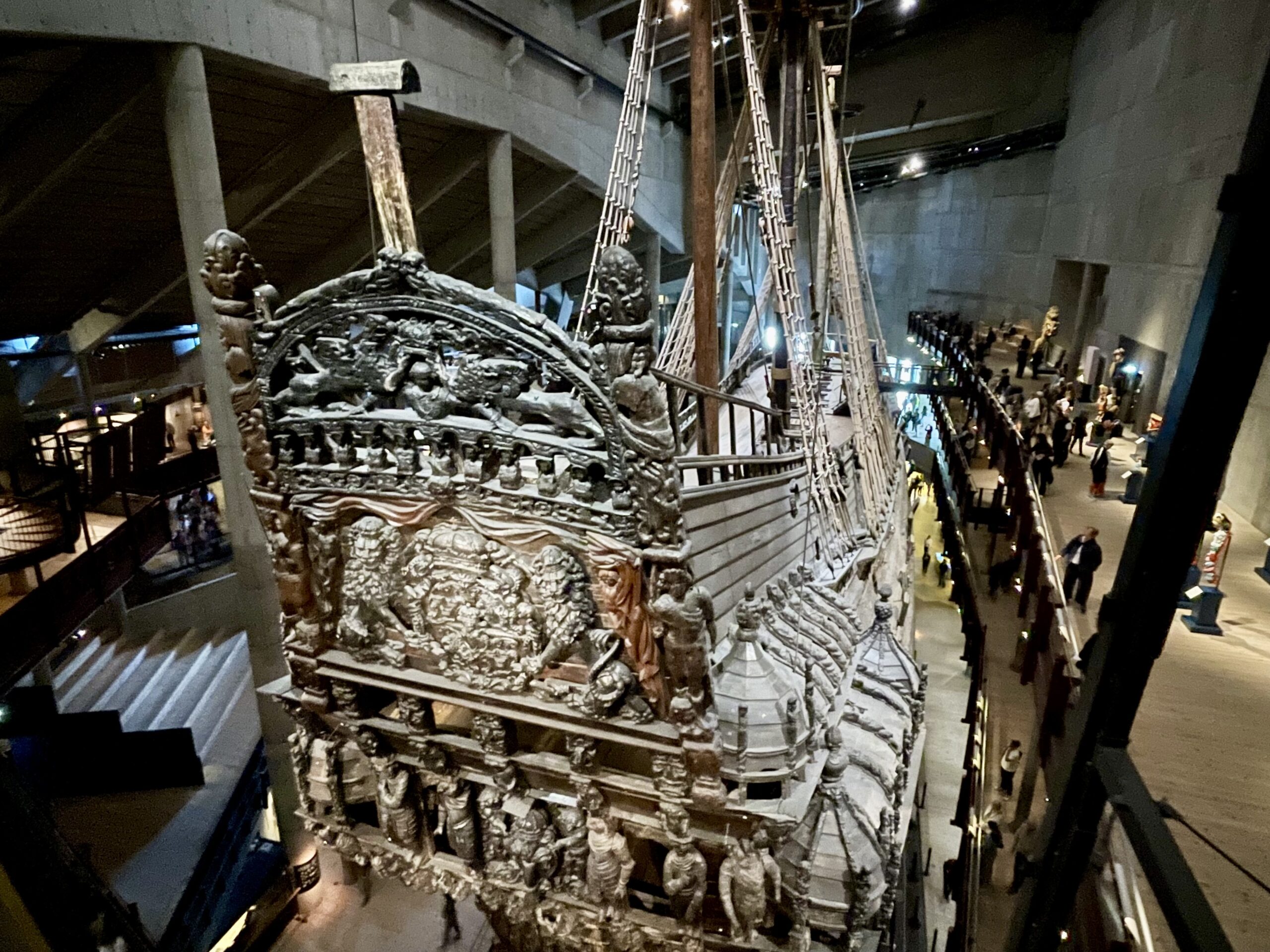
One of Stockholm's biggest attractions is the Vasa Museum on the island of Djurgården. Its star is the 17th-century warship Vasa, which was meant to symbolise the might of the Swedish empire. The Vasa set off on her maiden voyage on 10 August 1628. After sailing only about a kilometre, she heeled over, took on water and sank. For 333 years she lay in the mud at the bottom of the harbour channel. Rediscovered in the 20th century, the ship was raised in 1961. Thanks to the particular conditions in the waters around Stockholm, she has survived in exceptional condition. Today you can see the huge, almost complete structure of the ship (more than 90% of it original), together with its surviving sculptural details. The Vasa occupies the central part of the building and can be viewed from several levels.
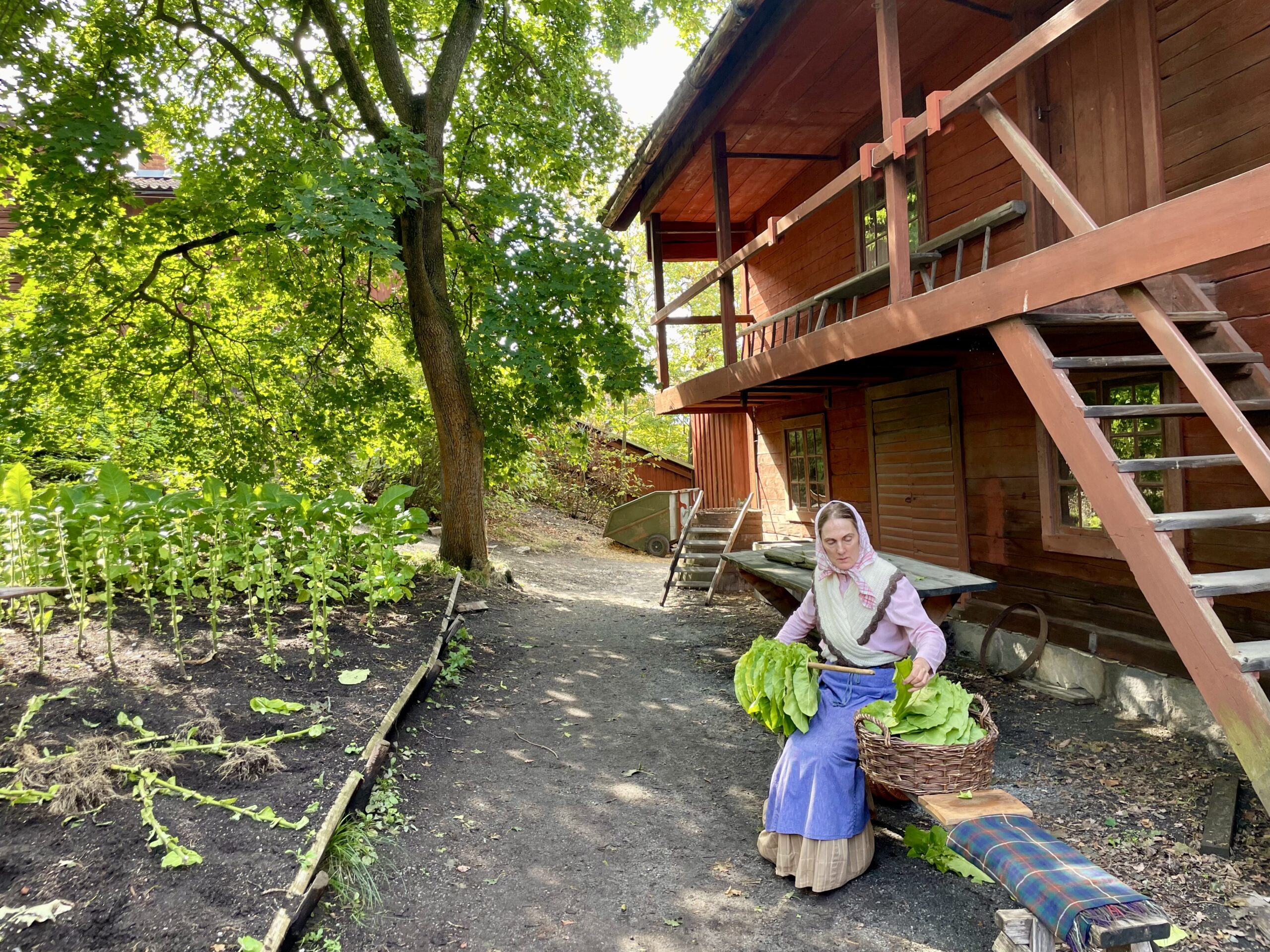
The museum also shows what life was like on board a 17th-century warship and which design flaws led to the disaster. The same island is home to Skansen, an open-air museum showcasing characteristic buildings from different parts of Sweden. What sets it apart is the sheer number of demonstrations, in which experts in period costume present various aspects of life centuries ago.
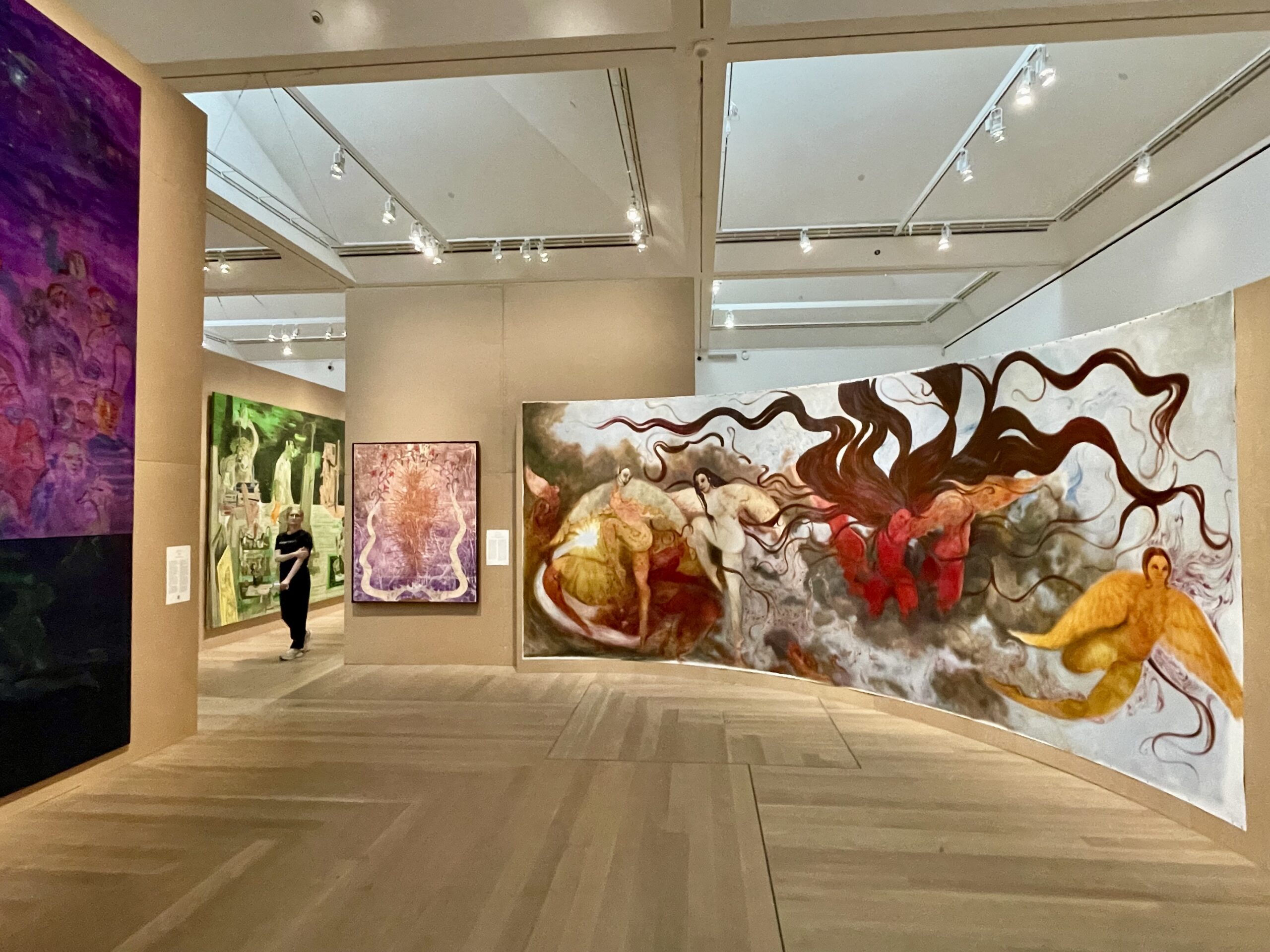
The Stockholm metro
The Stockholm metro is sometimes called “the world's longest art gallery”: it has as many as 100 stations linking a city charmingly spread across 14 islands. A ride on it can be a fascinating journey through the history of art, from the 1950s to contemporary artistic experiments.
The Stockholm metro system consists of 100 stations, 90 of which are considered to feature significant artistic elements. At some of them, entire platforms, walls or entrance halls have been decorated with works of art. Around 1957, it was decided that artists should play an important role in the creation of new stations. Over time, older stations too (originally designed and built without any artistic features) were enhanced with sculptures, murals and installations.
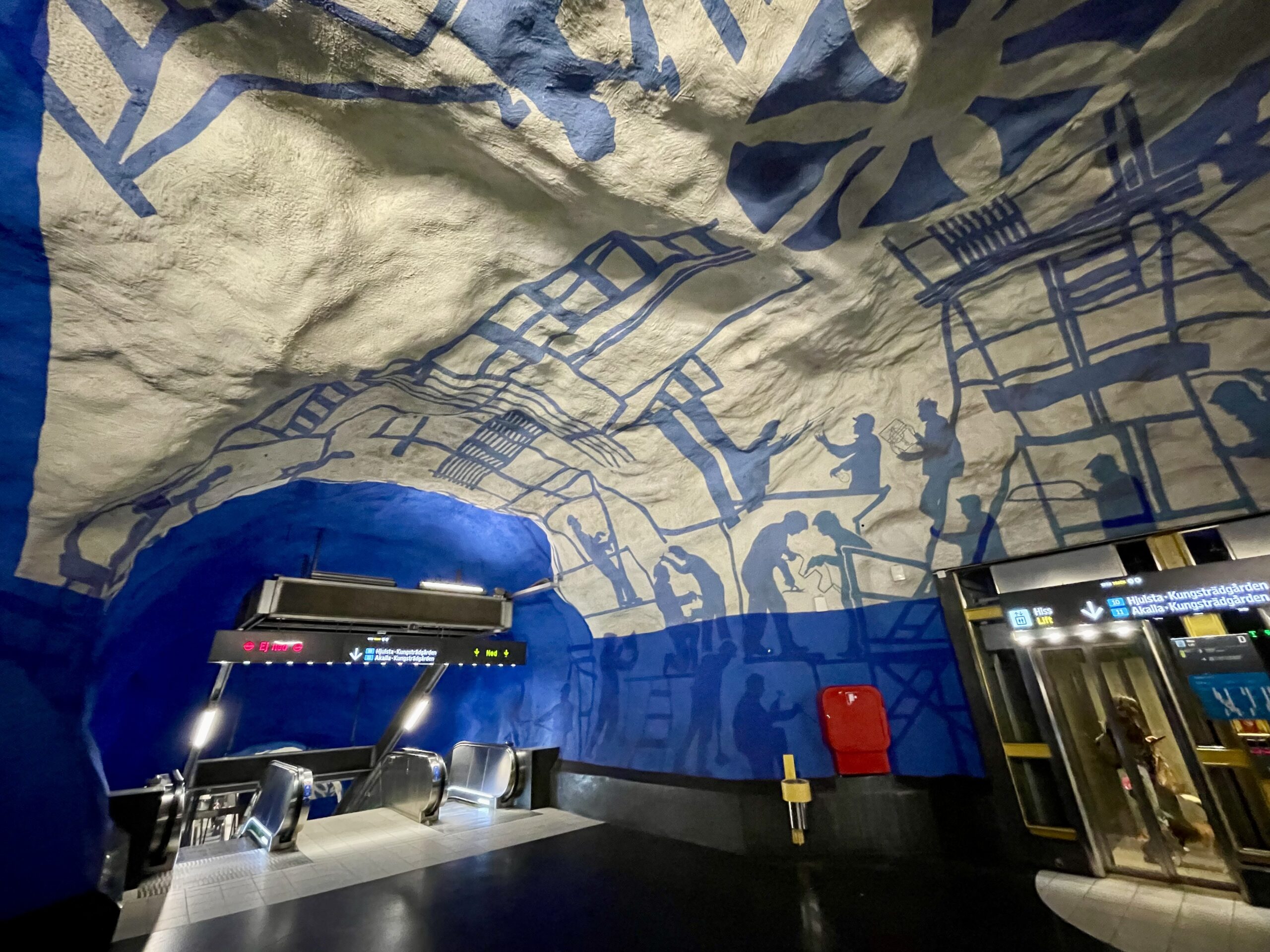
It is worth taking a closer look at the most valuable, and most photogenic, metro stations. These are Kungsträdgården, Solna Centrum, Stadion, T-Centralen, Tekniska Högskolan, Thorildsplan and Rådhuset. Together, these seven stations offer a fascinating cross-section of Swedish public art from the 1950s to the present day.
Kungsträdgården lies right in the city centre and is currently the terminus of the blue metro line. Its name, “the King's Garden”, comes from one of the oldest public parks in Stockholm. From 1643 to 1825 this was the site of the majestic Makalös Palace and a French-style garden. After the palace burned down, the grounds were opened to the public in 1875. Today, almost every element of the station's decor tells the story of the place above ground. The colour scheme of red, white and green refers to the former formal French garden, and the sculptures in the station are in fact copies of decorative elements from the facade of the old palace.
Solna Centrum station opened in 1975 together with the first section of the blue line. It depicts a landscape in shades of vivid green and red: the green symbolises the forest, and the red the sun setting behind the treetops. The decorations were created in two stages. Initially the walls were to be kept purely green and red, but the artists felt they should also carry a social message. So images appeared that referred to the issues that were the most socially controversial in Sweden at the time: environmental protection, deforestation and rural depopulation.
Stadion metro station is decorated with a beautiful, brightly coloured rainbow painted against vivid blue walls that resemble the inside of a cave. It was one of the first Stockholm metro stations to be hewn out of the rock, a solution that was controversial when it was built in 1973. There were fears that people would associate stations built this way with gloomy underground passages or even dungeons, so the bright blue and the rainbow are meant to remind passengers that the sky is right above their heads.
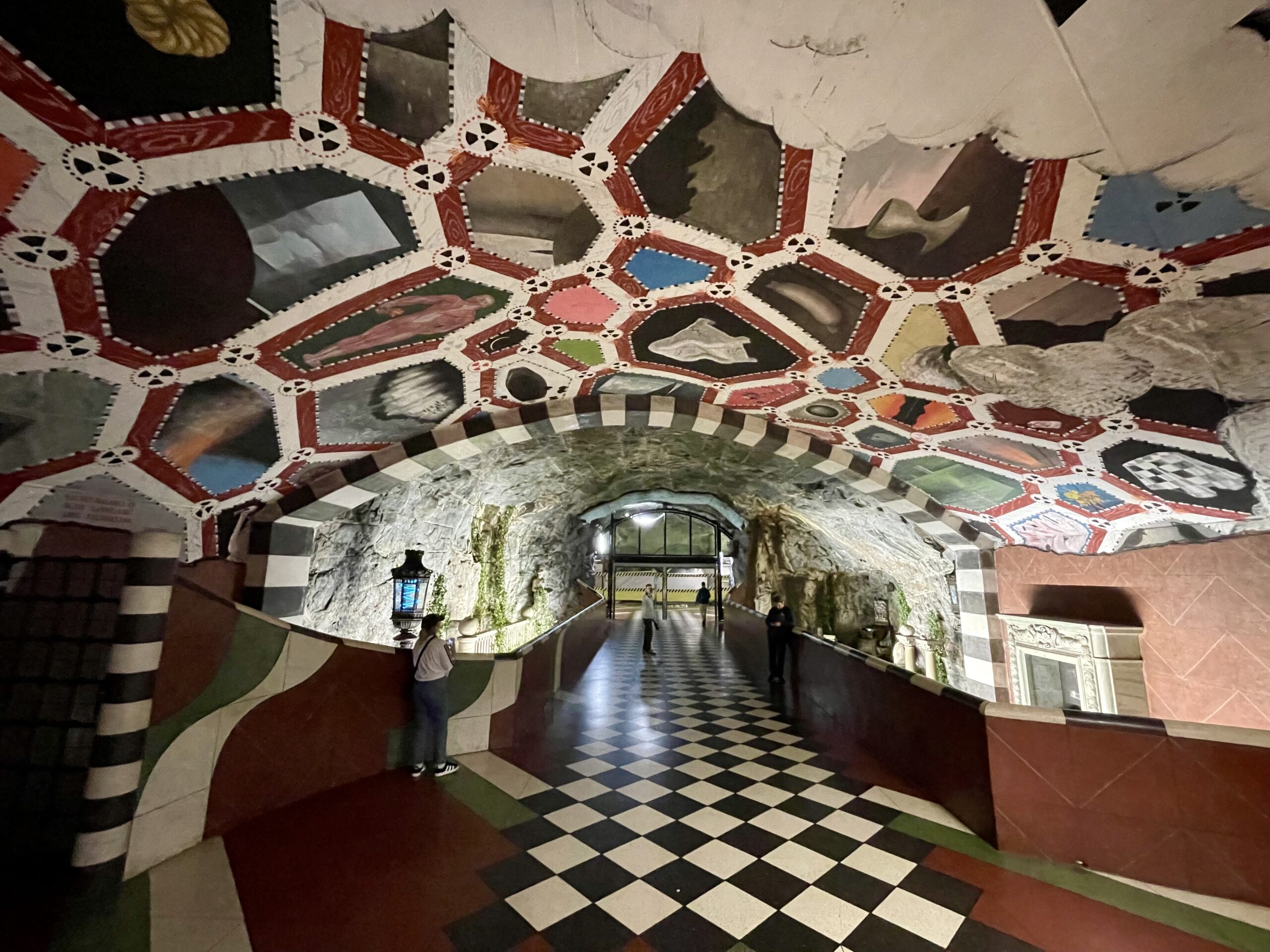
T-Centralen, the main hub of the Stockholm metro, opened in 1957 and was the first station to be adorned with works of art. The blue line platform is one of the most recognisable places in the entire public transport system. It was not opened until 1975, however, when the line was completed. In choosing blue, the artist wanted to create a calming atmosphere, as this is a station where people change trains in a hurry. The blue is enriched with simple motifs of stylised flowers and climbing plants.
The Royal Institute of Technology (Kungliga Tekniska Högskolan) was founded in 1827, and in 1973 the university got its own metro station, which made it easier for students and lecturers to get to classes. Little wonder, then, that the station is a tribute to scientific progress and discovery. The biggest eye-catchers are the five regular polyhedra placed on the platforms, each symbolising one of Plato's five elements: fire, water, air, earth and the universe. There are also references to the work of Copernicus, Newton and Leonardo da Vinci.
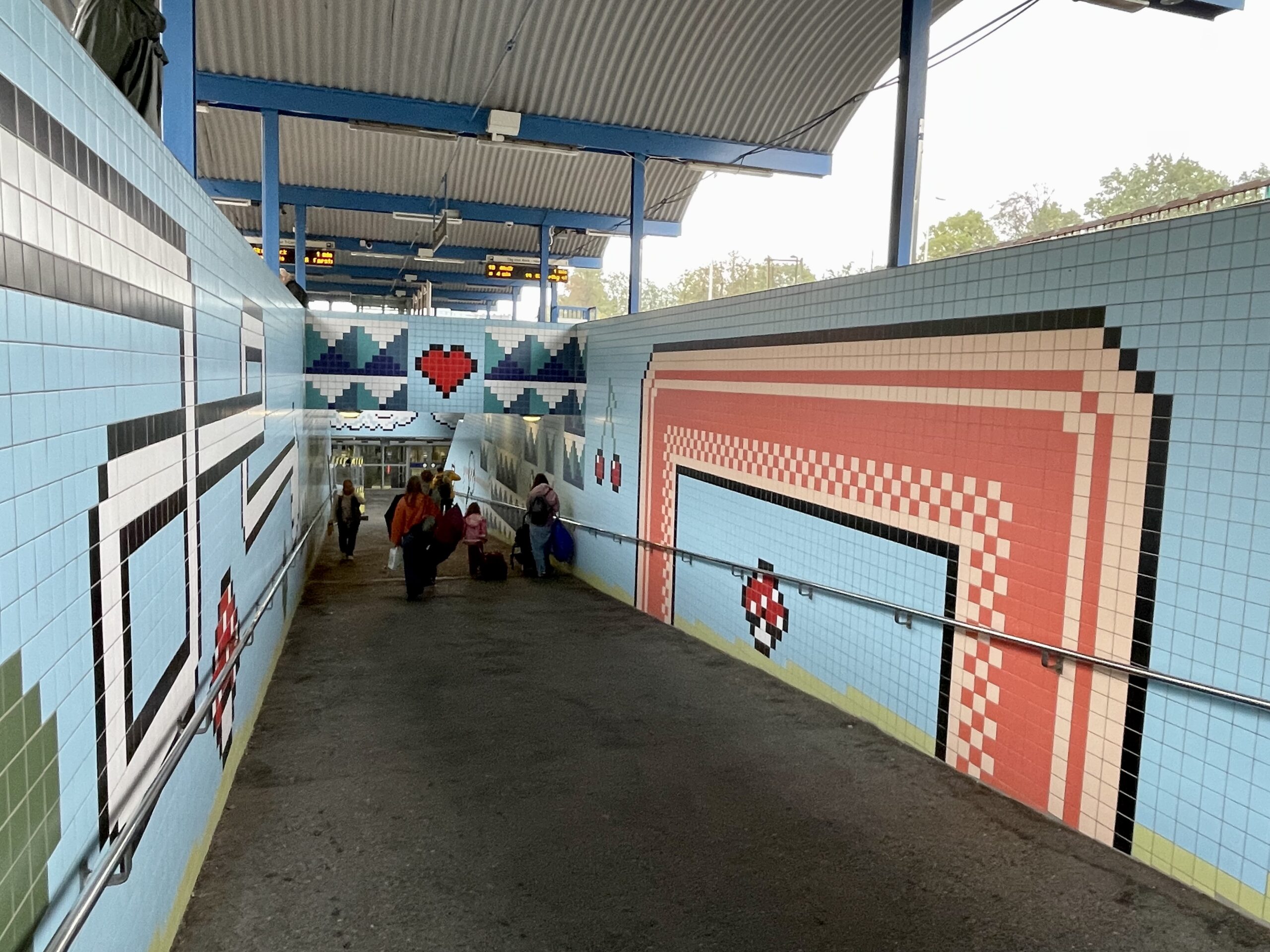
Thorildsplan is one of only three metro stations in central Stockholm located at ground level. It opened in 1952, but its pixel-style composition appeared much later, only in 2008. The brief required it to be made as a ceramic mosaic, and the inspiration came from the immediate surroundings. Junctions, roundabouts, pedestrian footbridges, lifts and stairs are depicted as levels of 8-bit video games.
Rådhuset is one of the most unusual stations in terms of atmosphere. Unlike many other stations, it makes no attempt to hide the raw rock. Quite the contrary: the rock is the main artistic material. It has been painted a distinctive pinkish-orange colour that the artist associated with the Atlas Mountains in North Africa. As a result, the station looks like a gigantic underground grotto in which the artist has placed seemingly random objects and architectural fragments. These are traces of old Kungsholmen, including elements connected with farming, former buildings and the history of the island.
Swedish food
No city break in Stockholm would be complete without fika. And although it can be translated as “coffee break”, that translation does not capture what it really means. Fika is a Swedish social ritual. The idea is to stop, take a deep breath, eat something sweet and, above all, spend some time with other people. It can happen at work, at home, when meeting friends or in a café. An essential part of fika is often a kanelbulle, the Swedish cinnamon bun. There is no shortage of other culinary attractions either; be sure to try herring in various marinades and meatballs with lingonberries.
Fish plays a very important role in Swedish cuisine, and herring has featured in it since the Middle Ages. Look at a buffet of cold starters, the smörgåsbord, and marinated herring simply has to be there. No hotel breakfast is complete without herring in its classic, mustard and onion versions.
Swedes are very fond of prawn sandwiches, räksmörgås in Swedish. This is a generous open sandwich piled high with fresh prawns, sour cream, lemon and dill. You eat it with a knife and fork, and the more prawns, the better. The most refined version was created in 1956 by chef Tore Wretman, who improvised it during a regatta off the coast of Skagen in Denmark. It was named after the town: toast Skagen.
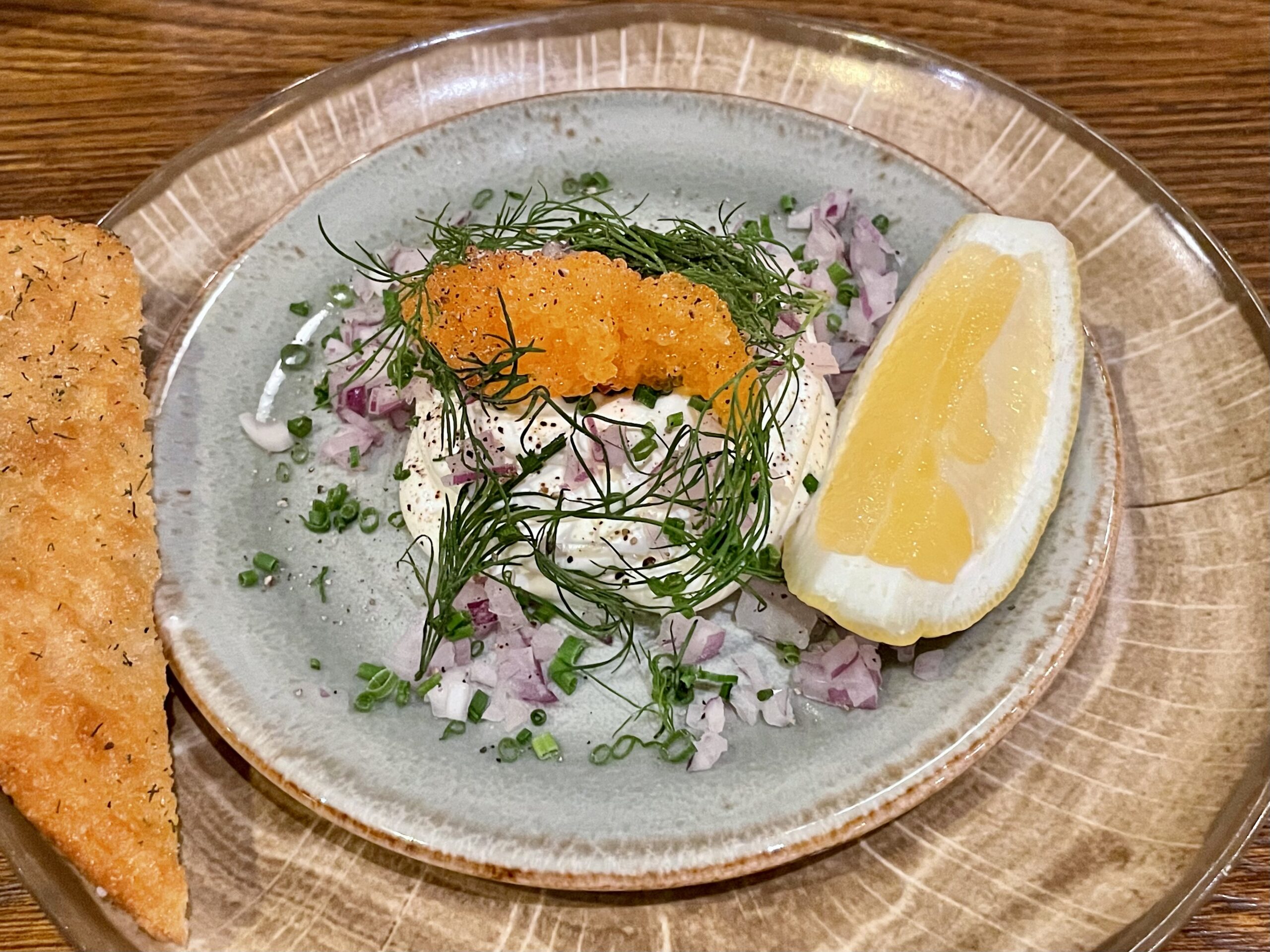
When in Sweden, it is worth trying cold dishes based on the roe of vendace, a fish of the salmon family. The small, delicate eggs, with a slightly salty taste of the sea, are combined with thick, creamy, slightly sour cream that tempers the saltiness of the roe. A little red onion is added, bringing sharpness with a hint of sweetness, along with dill, which adds freshness and gives the dish a typically Nordic character. It comes with a lemon wedge.
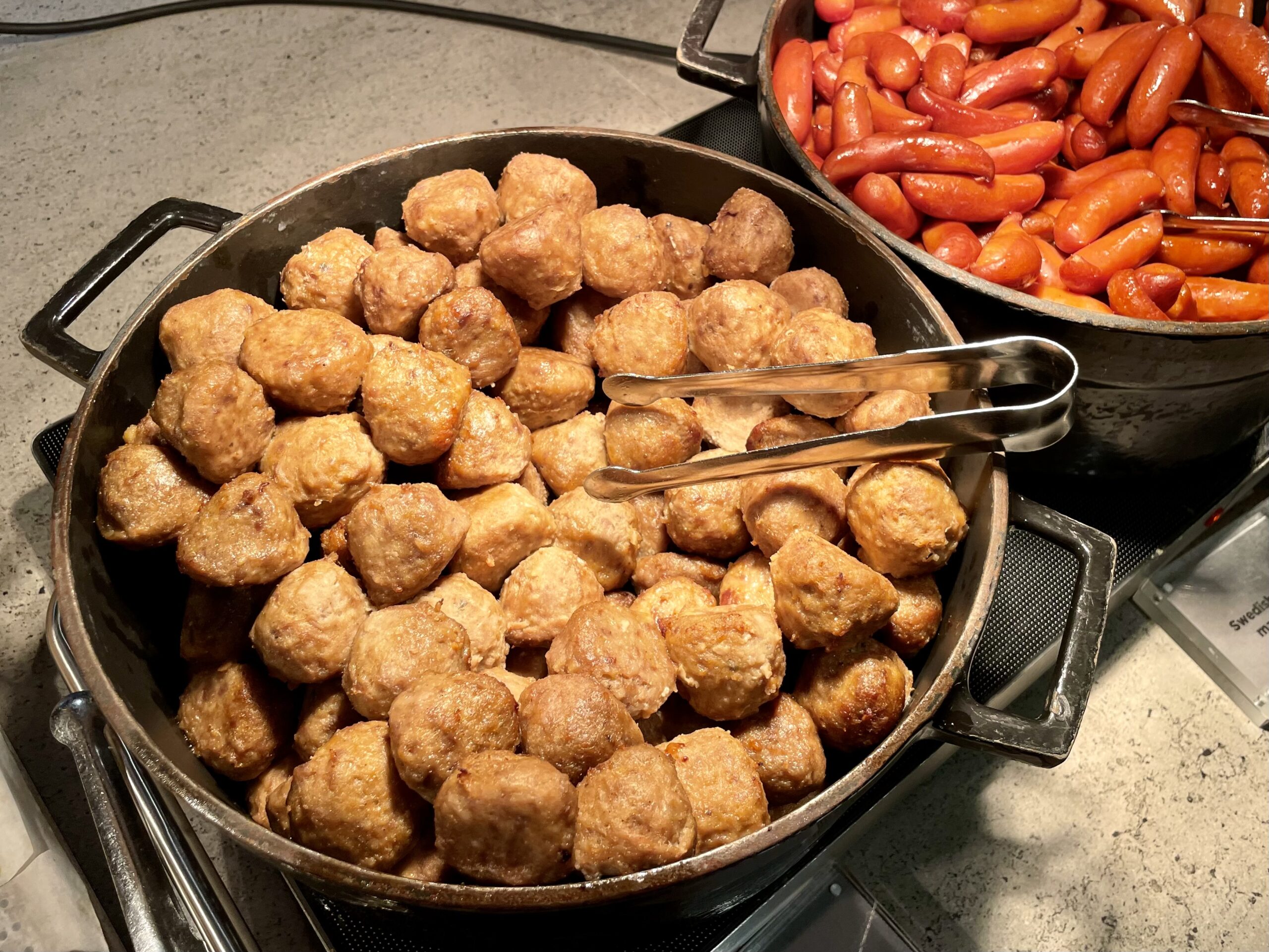
Köttbullar meatballs are very well known in Poland thanks to the IKEA chain. All over the world, they are the flagship dish served in the store restaurants of this Swedish furniture giant. They are made from a mixture of minced beef and pork, breadcrumbs, onion and milk or cream, formed into small, uniform balls and fried in butter. They are usually served with mashed potatoes and lingonberry jam.
Finally, something sweet deserves a mention. Cinnamon buns, or kanelbullar, are swirls of yeast dough with butter, sugar and cinnamon. They are usually shaped into a knot or a snail. A popular variant uses more cardamom than cinnamon. These are the buns that usually become part of the coffee break, the fika.
Practical tips
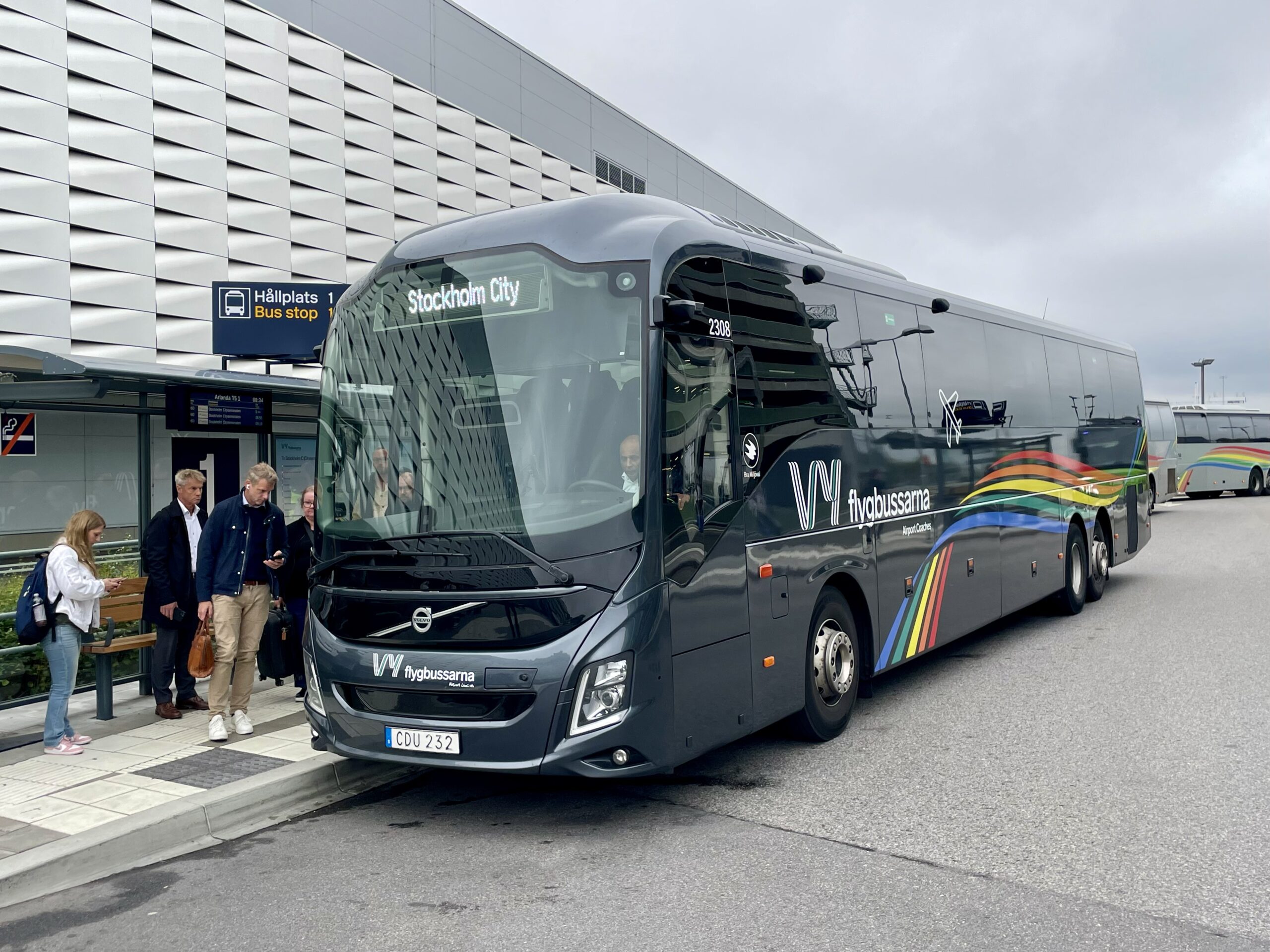
- It is best to fly into Arlanda Airport, 40 km from the city centre (LOT operates flights there). From the airport you can get to Stockholm on the “Flygbussarna” bus, which costs 99 SEK (40 minutes). Alternatively, you can take the “Arlanda Express” train (18 minutes), which costs 340 SEK.
- The city has a very well developed public transport network, especially the metro (a ticket costs 43 SEK). The metro has 100 stations linking various districts spread across 14 islands. Stockholm's underground railway is often described as “the world's longest art gallery”. The most interesting stations are Kungsträdgården, T-Centralen, Rådhuset, Solna Centrum, Thorildsplan and Stadion.
- An alternative to public transport is the double-decker “Hop-on Hop-off” sightseeing buses, which have 18 stops at the city's key sights (the service is offered by two companies). Cruises along the city's canals and around the Stockholm archipelago are run by Stromma.
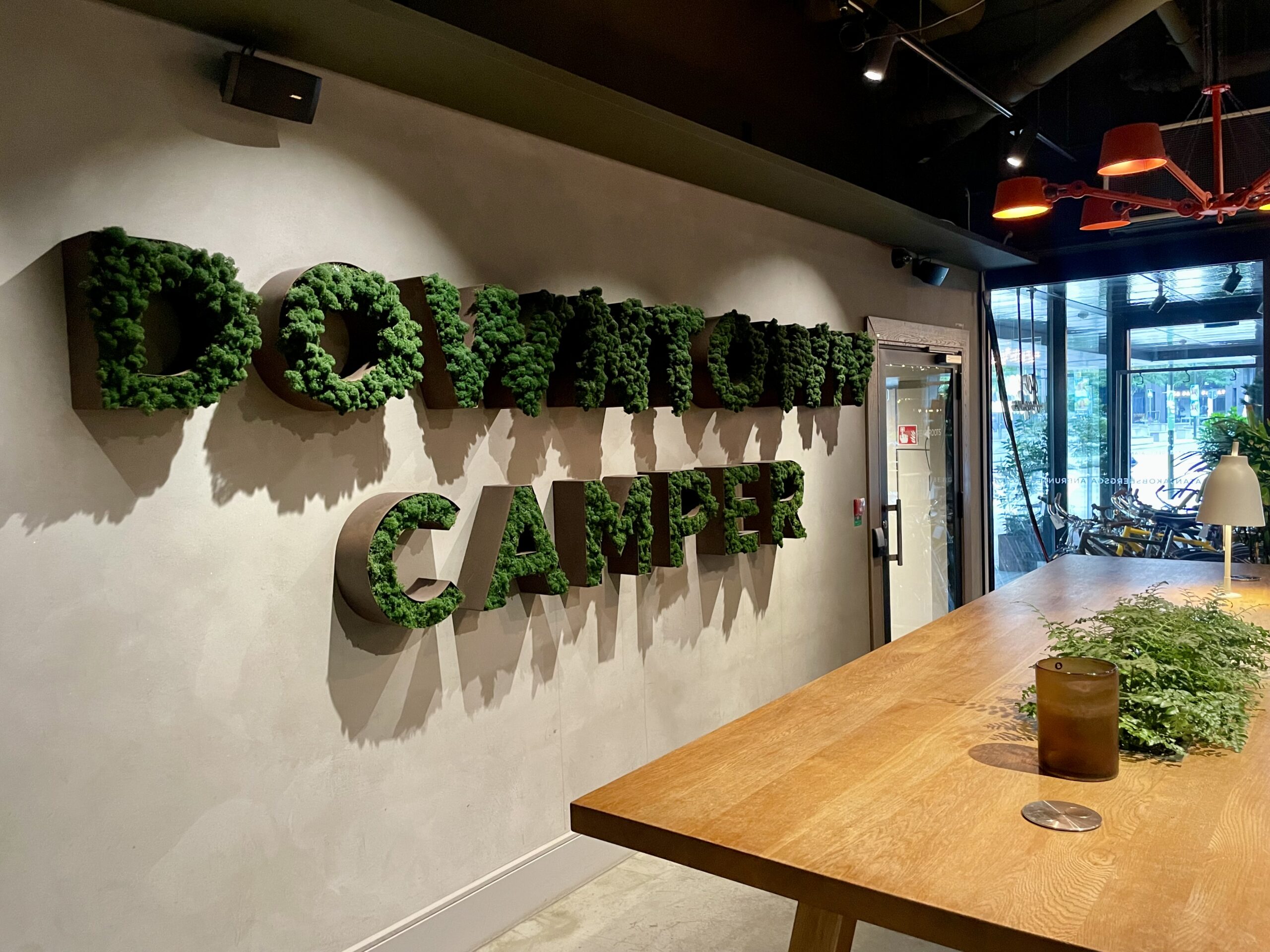
- It is worth staying near the T-Centralen transport hub, from where you can walk along a pedestrian street to Stockholm's Old Town (Gamla Stan) in a few minutes, and reach other parts of the city by public transport. One hotel worth recommending is the “Downtown Camper by Scandic”, with its Scandinavian-European style. On the top floor it has a spa with an open-air heated pool, and it serves generous breakfasts (in the form of a smörgåsbord-style buffet, of course)
- The city has around 60 museums, both indoor ones and those where you stroll around in the open air. In the latter category, the open-air museum of historic architecture combined with a zoo is particularly recommended. The Vasa Museum usually draws crowds, so it is best to arrive just after it opens (8.30) or to visit before closing time, at around 16.00.
- While in Stockholm, make sure you try Swedish cuisine. Restaurants such as Meatballs for the People, Pelican, Tradition and Schweizer Café serve Swedish specialities.