An American from Poland - the electric Jeep Avenger
The electric Jeep Avenger is an international project. The French, the Italians and the Poles all had a hand in it. Oh, and we forgot the Americans, because throughout the project it was they who carried the story of Jeep's heritage on their shoulders.
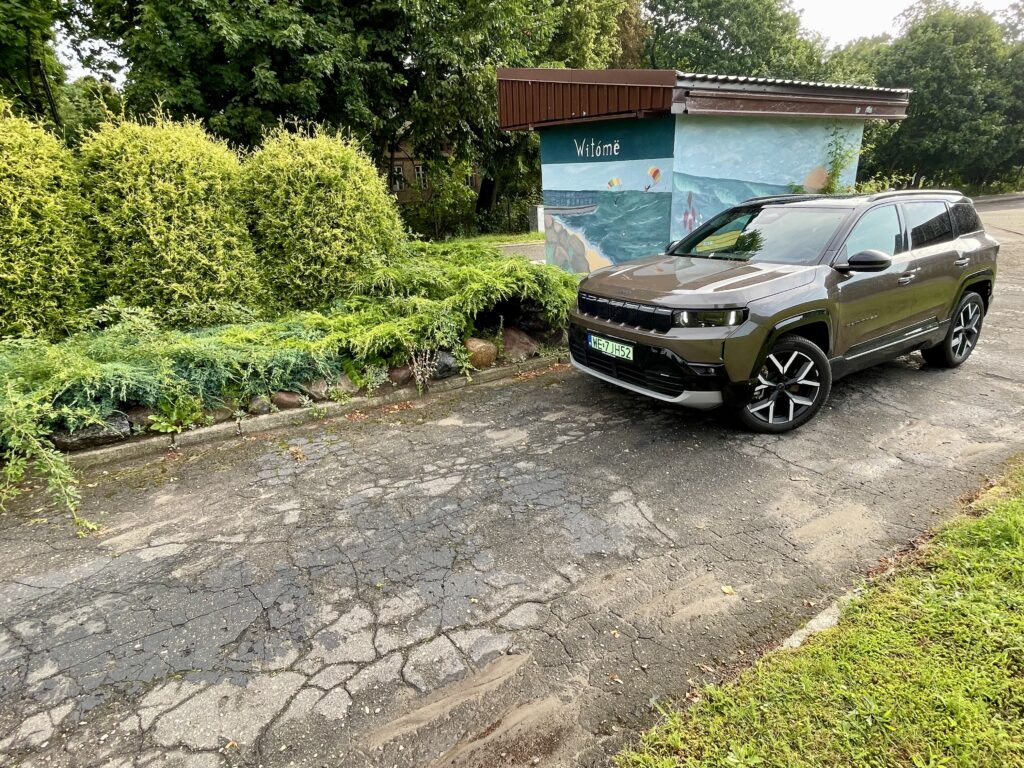
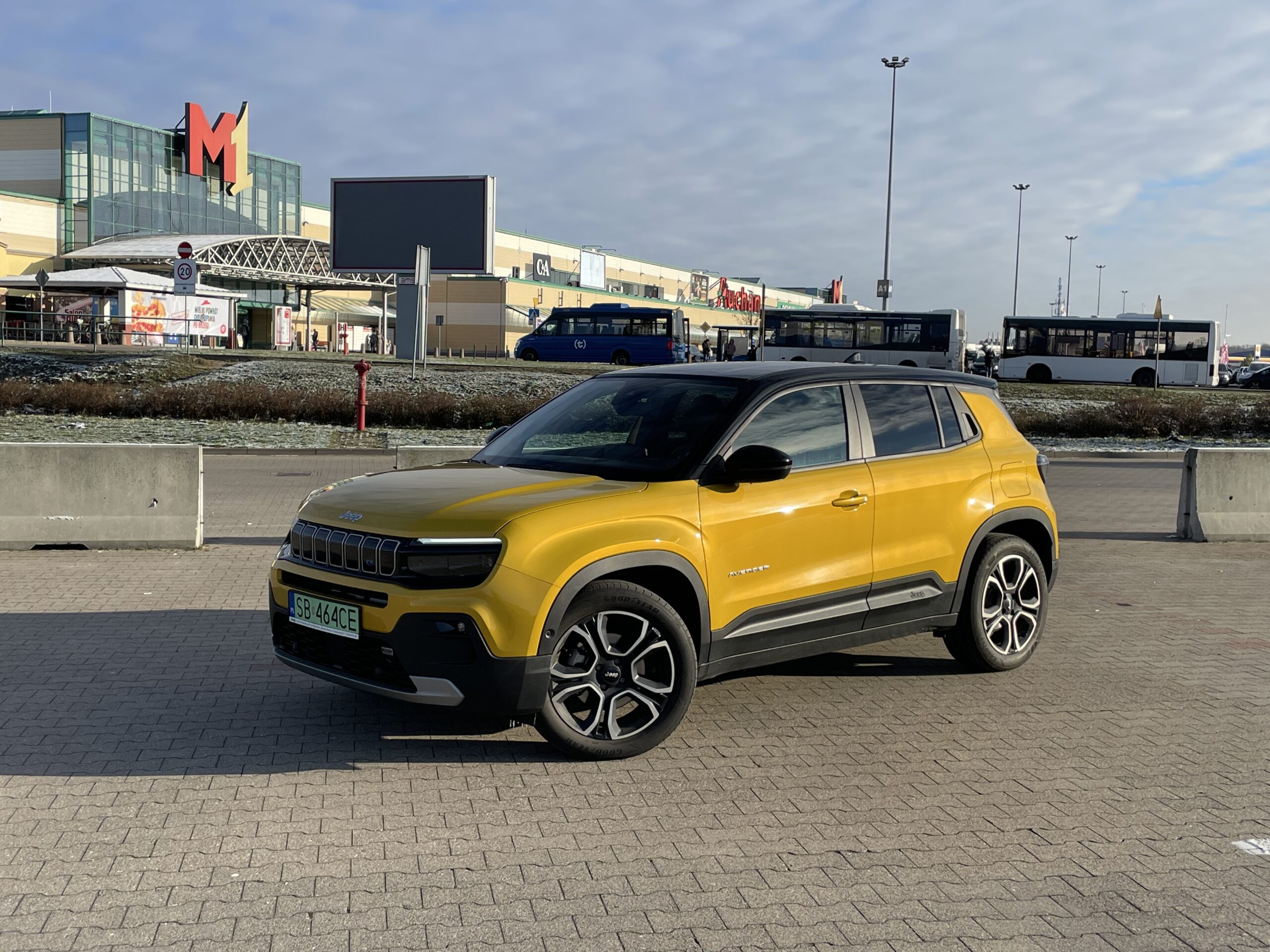
The Jeep Avenger - now part of the Stellantis group - is a product of globalisation: it uses components familiar from electric Peugeots and is built in Tychy, Poland. Stellantis rightly decided that the car's “American-ness” needed emphasising and put the JEEP logo almost everywhere it could - not just on the steering wheel, grille and tailgate: the wheels, bumpers and windows also carry the brand's logo, embossed or painted on.
Avenger design and interior
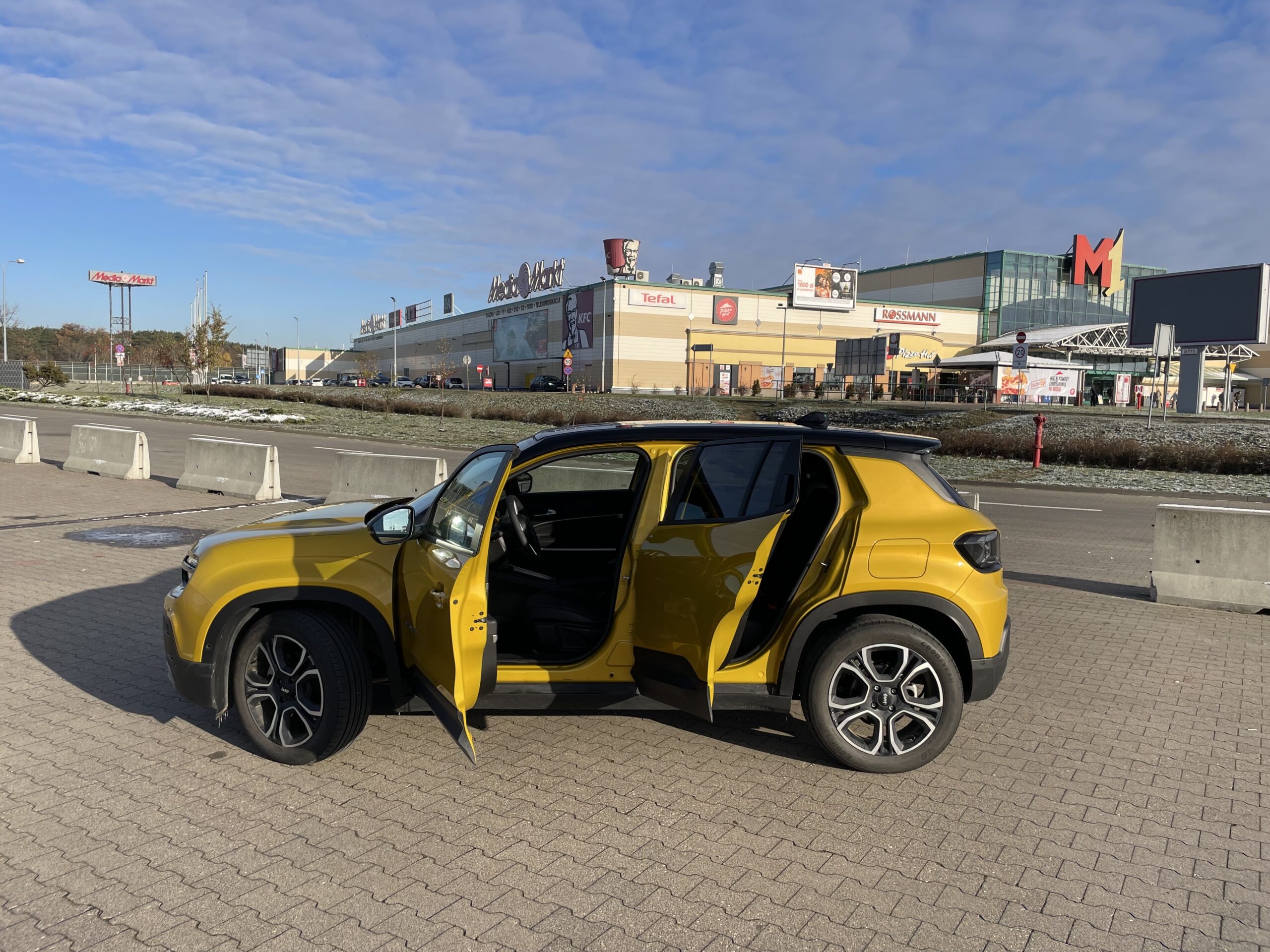
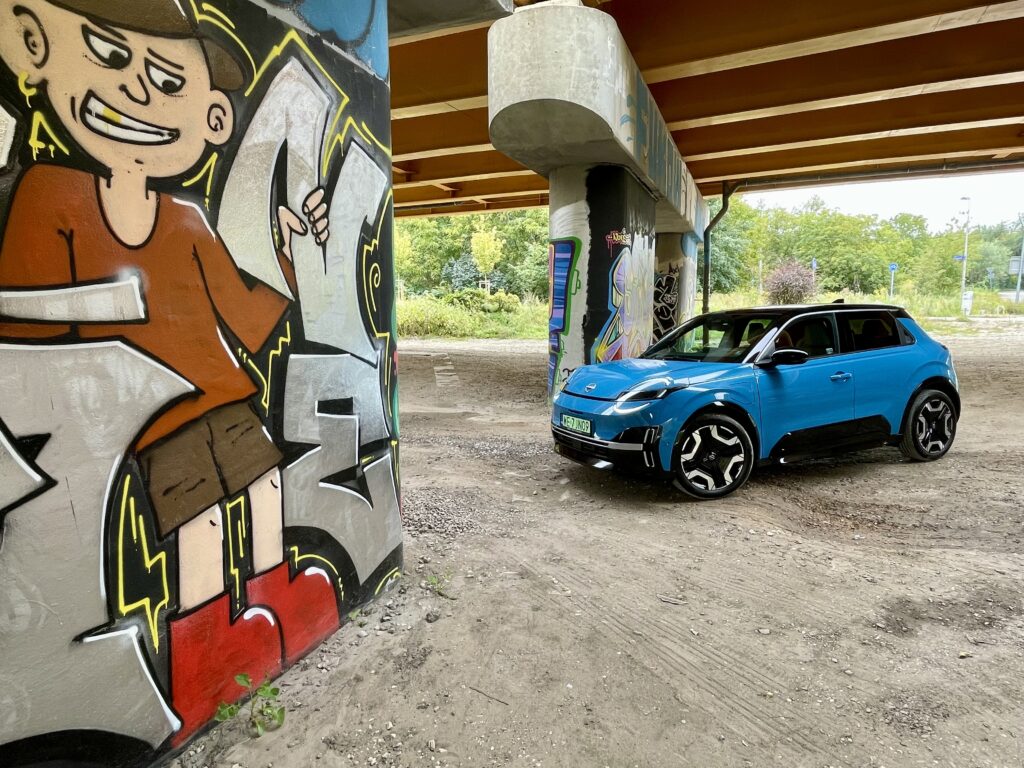
It has to be said that this mini “American” makes a very good visual impression. The body is well proportioned and compact, with the characteristic grille. The front and rear lights round off the positive visual effect. The blue letter “e” on the body signals that the car has no exhaust pipe and draws its energy from a battery. At 4.08 metres long, the Avenger has short overhangs and generous ground clearance (around 20 cm). Those in the front seats have enough room, but rear passengers must reckon with a tight squeeze. The boot is practical and holds 355 litres, and the car's payload is 489 kg.
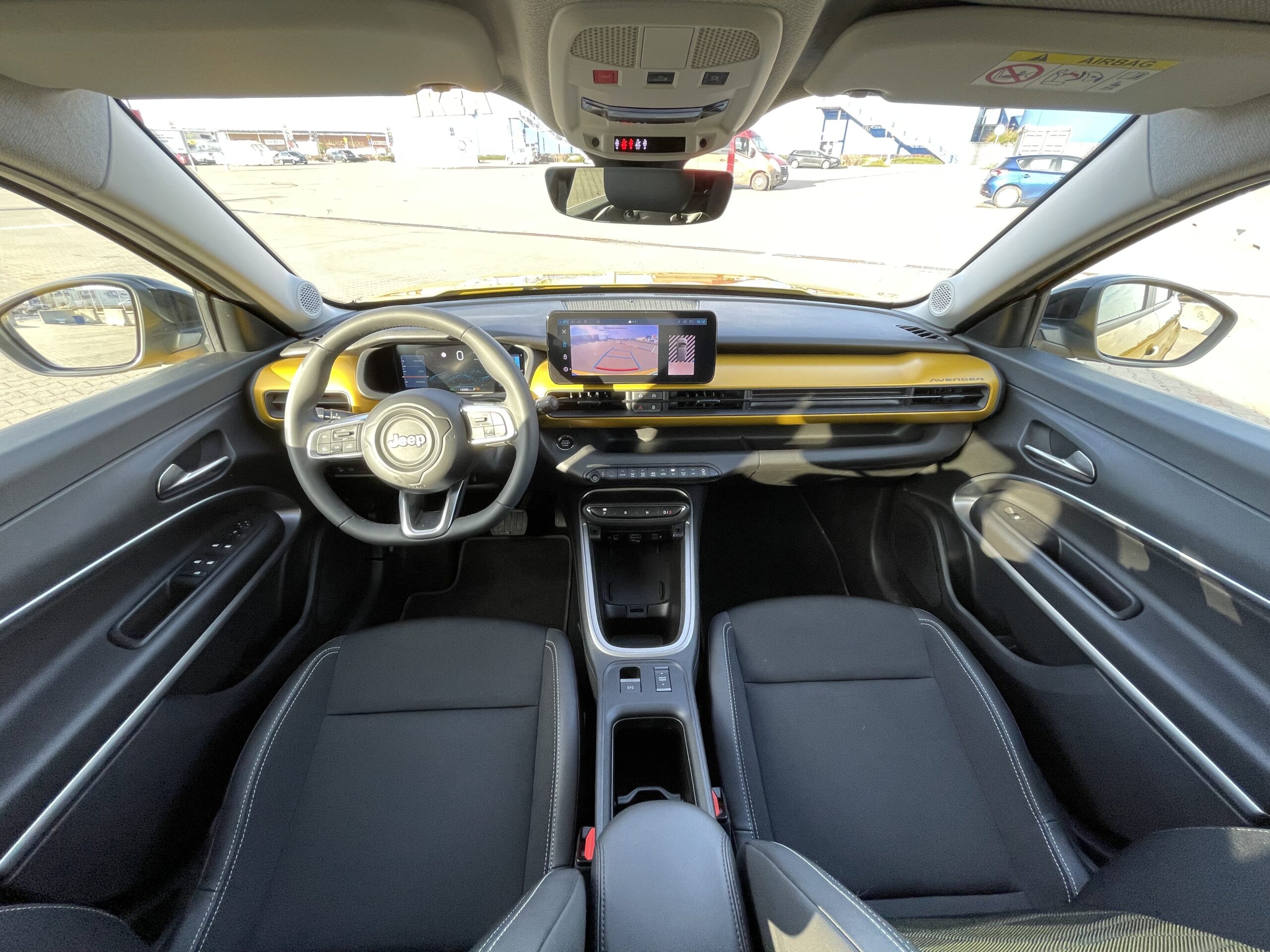
The driver has a comfortable workplace - the seat offers a wide range of adjustment, and the fore-and-aft adjustment in particular deserves praise. You can sit low with your legs stretched out and the steering wheel lowered right down, or sit high for a better field of view. The passenger seat has no height adjustment, but the driver's companion can use the shared sliding armrest between the seats.
The interior styling is pleasing to the eye, although mostly hard plastics are used. The door panels are decorated with metal-look trims, and the dashboard is divided by a painted strip.
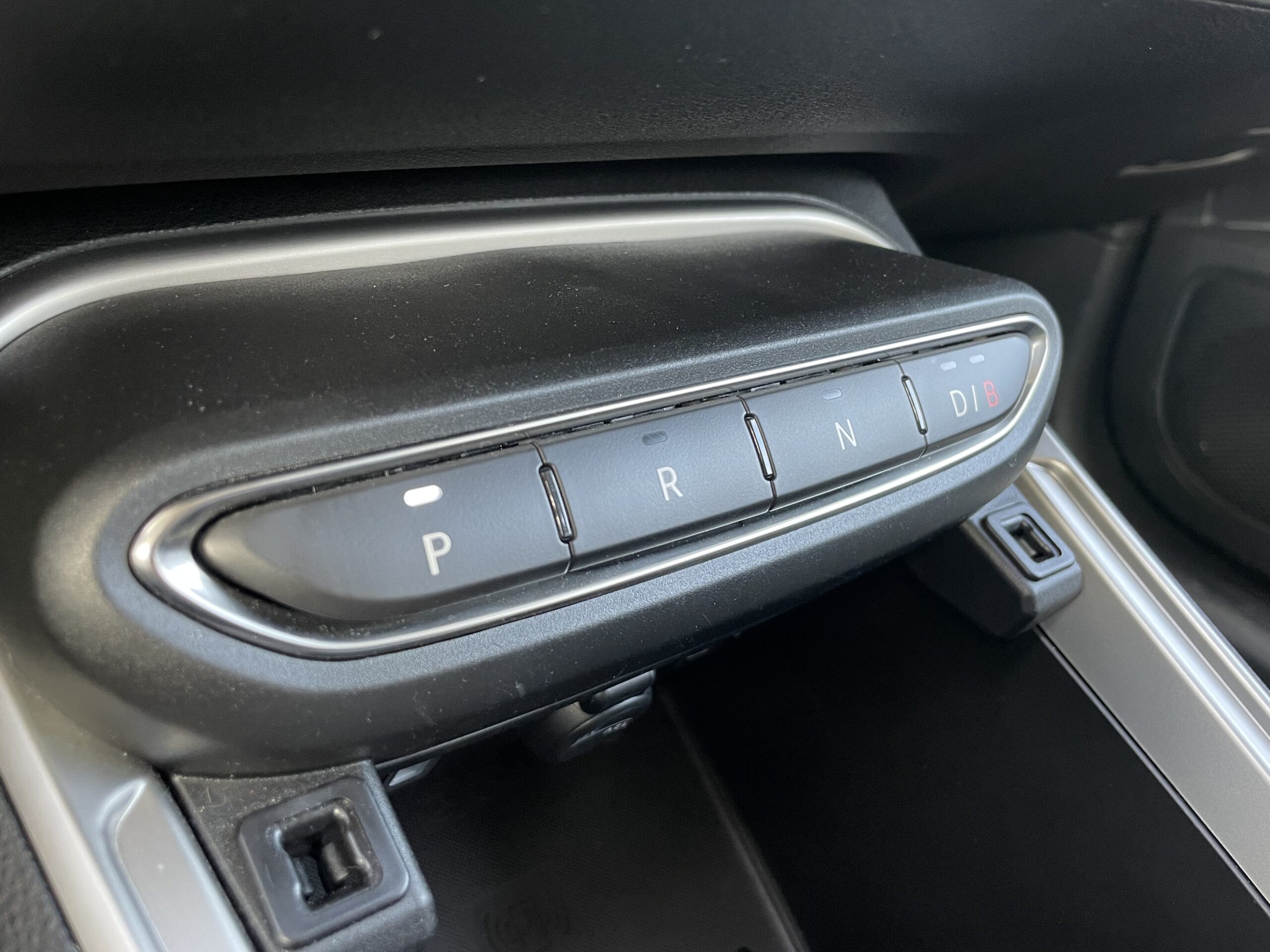
Jeep deserves praise for keeping traditional buttons for the ventilation controls. It is a pity, though, that the designers settled for such bland buttons for selecting the drive. Here they could have let their imagination run wild and combined “fire and water” in the design: the control centre of an electric drivetrain with styling straight out of the Wild West.
Powertrain, drive modes and test summary
As befits a Jeep, the car claims it can cope with any terrain. Drive mode options include “sand”, “mud” and “snow”. There is also the “B” function found in almost every other electric car, which increases regenerative braking, reduces the need to use the brake pedal and helps top up the battery more effectively. There is also an “Eco” mode, in which motor power is limited and the ventilation works less strongly.
Under the Avenger's bonnet is a motor producing 156 hp and 260 Nm. It drives the front wheels, drawing energy from a 51 kWh (net) battery.
Top speed is limited to 150 km/h, and 0-100 km/h takes 9.0 s. As for energy consumption, measurements most often showed values between 14 and 23 kWh/100 km.
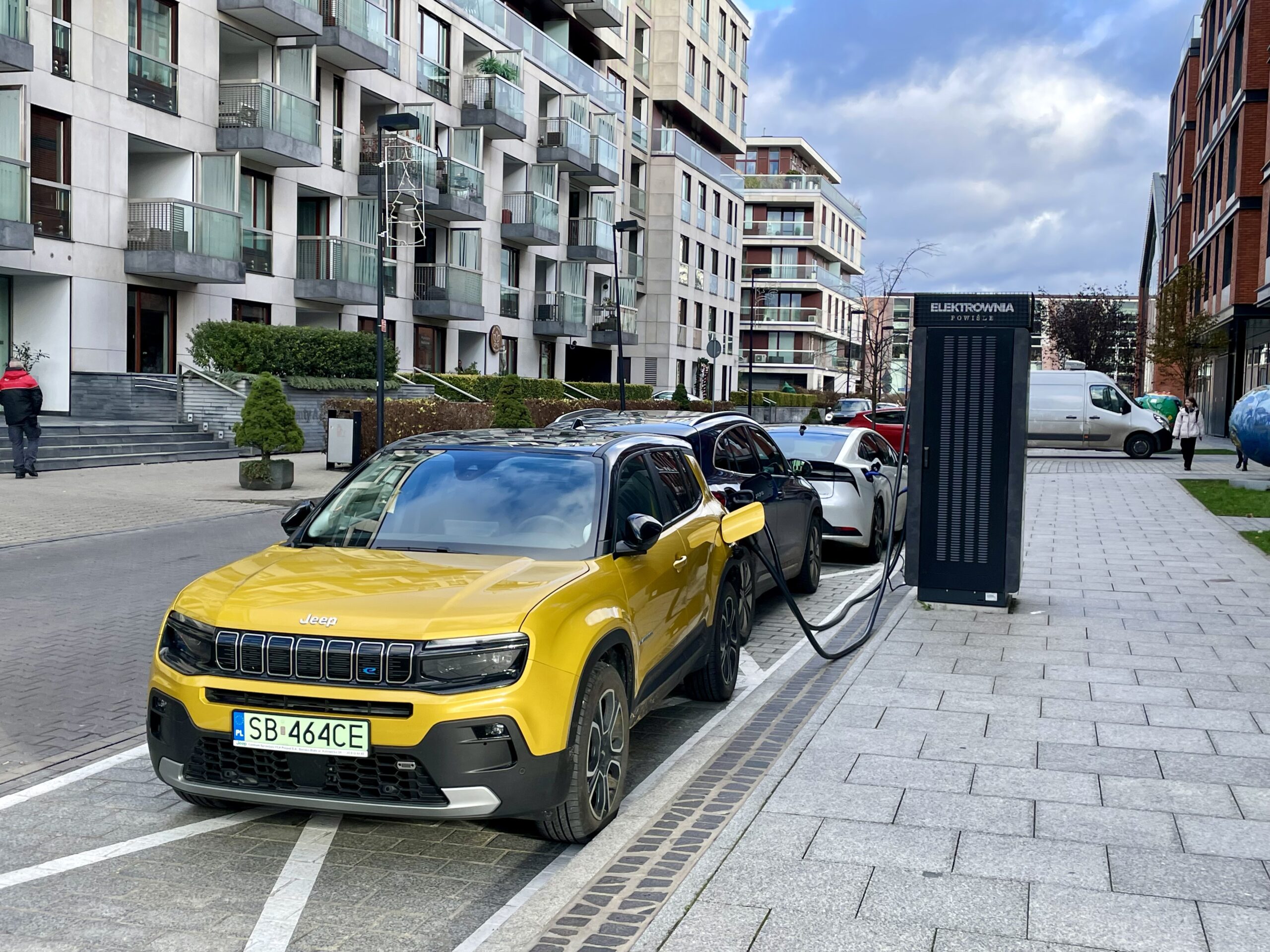
Although the Avenger has many “fathers” from France, Italy, Poland and even across the Atlantic, they managed to work together and create a very attractive-looking, well-thought-out car. It does not offer real off-road ability, but it proudly wears the “Jeep” logo on its bonnet, which for many people will be a guarantee of the right choice. Though not very spacious, the electric Avenger is efficient, nimble and well designed. It will make an attractive city car.