Bithynia - uncovering another of Anatolia's secrets
Turkey is such a vast and varied country that even several visits cannot exhaust the potential of this land at the crossroads of continents and cultures. One of its still undiscovered areas is the former Kingdom of Bithynia. It was founded in 377 BC, and its capital was Nicomedia (today's İzmit). Bithynia was one of the provinces of the Roman Empire. Excavations carried out over many years have allowed priceless monuments to see the light of day.

Kadıköy - ancient Chalcedon in Istanbul
It is worth beginning your tour of Bithynia's ancient monuments in Istanbul itself, in the district of Kadıköy, where the city of Chalcedon stood in antiquity. The story of its founding is intriguing: its legendary founder, Byzas, was instructed by an oracle to found a city among 'blind people'. So the city was established in an area that was uninhabited, yet so beautiful that only the "blind" could fail to see its beauty. Recently an ancient settlement was unearthed around the historic Haydarpaşa railway station, where archaeologists have discovered sarcophagi, baths, burial sites and traces of former temples. Excavations, which began four years ago, are now under way across 32 hectares. Twenty-five archaeologists, supported by 500 workers, are digging their way down to ever deeper and older layers.

İzmit - Nicomedia, the capital of Bithynia
In antiquity İzmit was known as Nicomedia. Founded in 264 BC, it reached the height of its splendour under the Roman emperor Diocletian. At that time Nicomedia was the capital not only of Bithynia but of the entire vast Roman Empire, and one of the largest cities in the world. Despite numerous devastating earthquakes, the city kept its importance as a major industrial and commercial centre over the centuries. Although the modern centre of İzmit was built directly on top of the ancient city, ongoing excavations have brought to light many historical artefacts, such as huge statues, colourful marble reliefs and mosaic marble pavements. Your first steps should take you to the Archaeological Museum, which displays works from the Palaeolithic, Hellenistic, Roman, Eastern Roman and Ottoman periods. Right at the entrance to the building stands a figure of Heracles / Hercules, found by chance when an earthquake exposed treasures hidden beneath a rubbish dump. Inside, the layout of an ancient tomb has been recreated, and one of the most unusual reliefs shows two actors of the ancient theatre, accompanied by... a prompter.

İznik - Nicaea, its councils and ceramics
İznik (ancient Nicaea) was of enormous importance to the Christian religion. Throughout Christendom it was regarded as a holy city, often compared with Jerusalem and the Vatican, because two Councils were held here, in 325 and 787. Today the church where the Councils took place has a dual character: the elements that reveal its early Christian purpose have been preserved, but it has been adapted to serve the town's Muslim community.

Despite the passing centuries, İznik remains one of Turkey's eight pilgrimage centres and is waiting to be inscribed on the UNESCO World Heritage List. In the town you absolutely must visit the local Archaeological Museum, one of the most modern in the whole of ancient Bithynia. One of its halls brings together marble sarcophagi excavated very recently, between 2015 and 2021. Burial was once one of life's most important events, enabling the passage between worlds. Preparations for it lasted years - carving a sarcophagus took about eight years - and swallowed up huge sums. It is estimated that people saved for 20 years for dignified ceremonies, a tomb and its furnishings.

The mighty walls and the Roman theatre will also stay in your memory after a visit to İznik. The walls bear witness to the city's former power. They are 4.6 km long and 11-13 metres high, with 114 towers and 8 gates. İznik's theatre is one of the finest surviving Roman buildings in Anatolia. It was commissioned by the Roman emperor Trajan, and the work was supervised by the governor of Bithynia, Pliny. Although it was hit by major earthquakes in 358, 362 and 368, the theatre remains one of the most splendid monuments to Bithynia's glory days.
İznik is also a centre for beautiful ceramics. The craft is passed down from generation to generation, and the town has many workshops producing colourful pieces.

Düzce and ancient Prusias ad Hypium
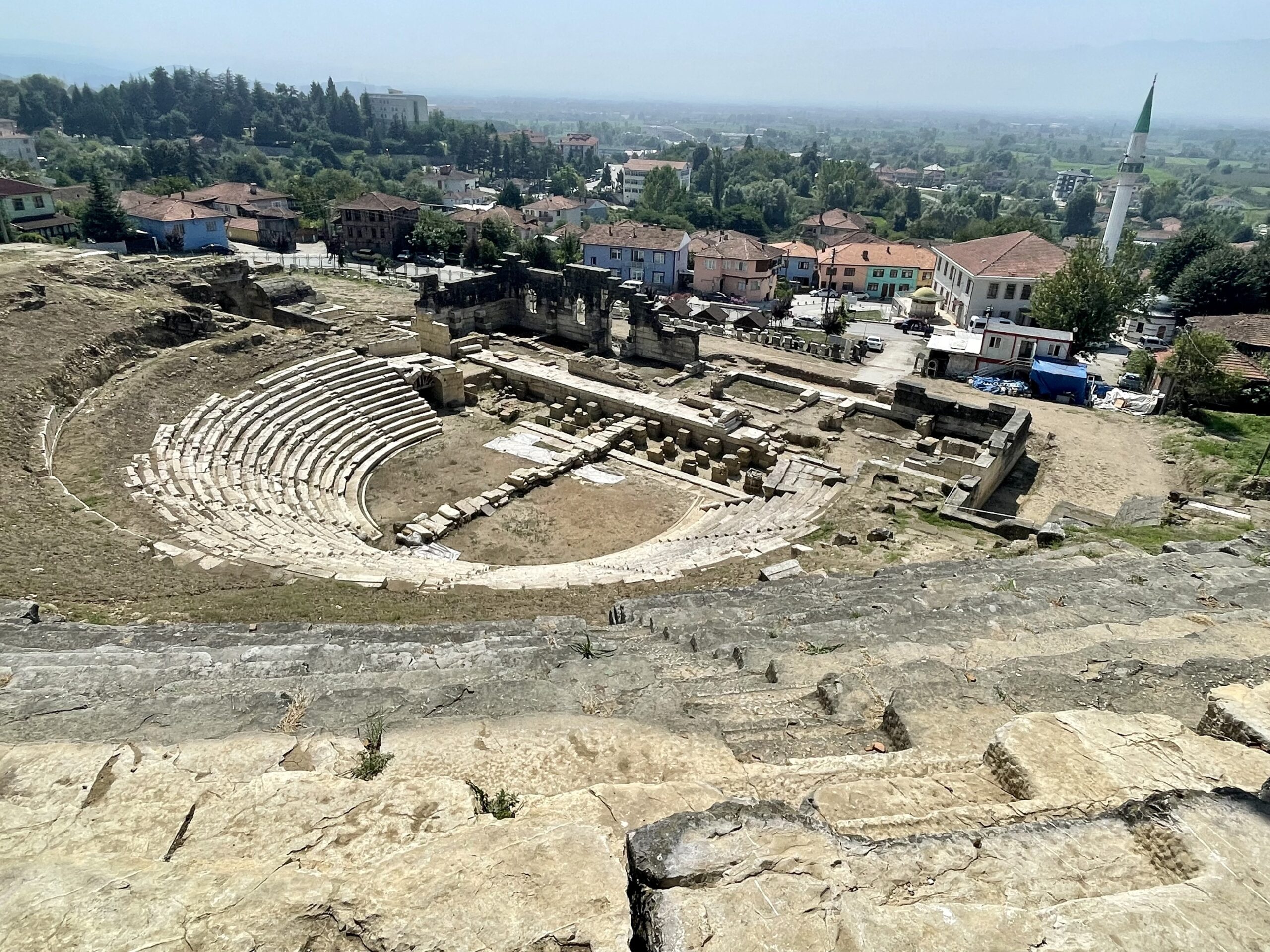
Düzce lies between Istanbul and Ankara and, according to ancient authors, was the cradle of Thrace in 1200-700 BC. The ancient city of Prusias ad Hypium lies in the Konuralp district in the centre of town. The entrance to this part of town is marked by the Horse Gate, with a relief of a horse. The ancient theatre in Konuralp was built in the Hellenistic period (300-30 BC) and then extended in the Roman period (30 BC-300 AD). Covering an area of 5978 square metres and with three entrances, the theatre could hold around 10,000 spectators.

Bolu - museum, stadium and caravanserai
The history of Bolu goes back to 1200 BC and spans the Hittite, Roman, Eastern Roman and Ottoman empires. The Bolu Museum, founded in 1976, has two sections: the Archaeology Hall and the Ethnography Hall. The Archaeology Hall displays a variety of artefacts, from the Neolithic right up to the Eastern Roman period. In the Ethnography Hall on the second floor, ethnographic objects from the 19th century to the first half of the 20th century are shown in themed display cases. Bolu was built on top of the ancient city of Claudiopolis, and as a result only a few old buildings of the former city have survived to this day. The ancient Stadium is one of the few remnants of the ancient city. It was discovered during excavations in the Büyükcami district in 2008. The structure, which dates back to Roman times, was the only amphitheatre in the Bithynia region with stands facing each other. The centre of today's historic town is the quintessence of Anatolian Turkey, with a mosque, a bazaar, a caravanserai and hammams. Today many people make a 'pilgrimage' to Bolu to buy its sweets, famous all over Turkey.

Bithynia's nature: lakes and Aydınpınar waterfall
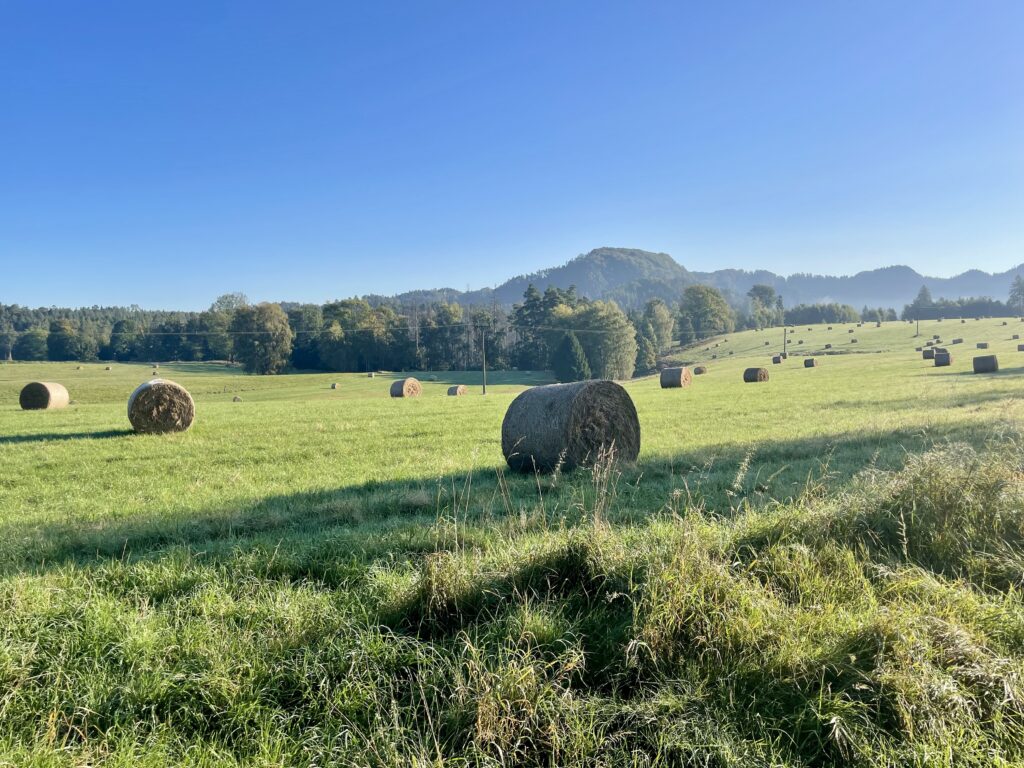
Besides its monuments, Bithynia also has beautiful nature. Its freshwater lakes deserve a mention. Lake İznik is the fifth largest lake in Turkey; it lies 85 metres above sea level, and its deepest point is 80 metres below the surface. Another interesting body of water is Lake Sapanca. Around the lakes there are many hotels, promenades and other facilities for an enjoyable holiday. Another natural site worth visiting is the Aydınpınar Waterfall, just ten kilometres from the centre of Düzce. A footpath has been laid out around the waterfall, and the area is well developed, with picnic spots. In many parts of the region there are opportunities for forest trekking, cycling and rafting.

Well connected to the rest of the world via Istanbul airport and a network of long-distance buses, Bithynia is an interesting option for tourists and travellers. Besides its ancient monuments, it has good infrastructure. The region's nature, including freshwater lakes, forests and mountains, together with its superb cuisine, make Bithynia an Anatolian destination with great potential.