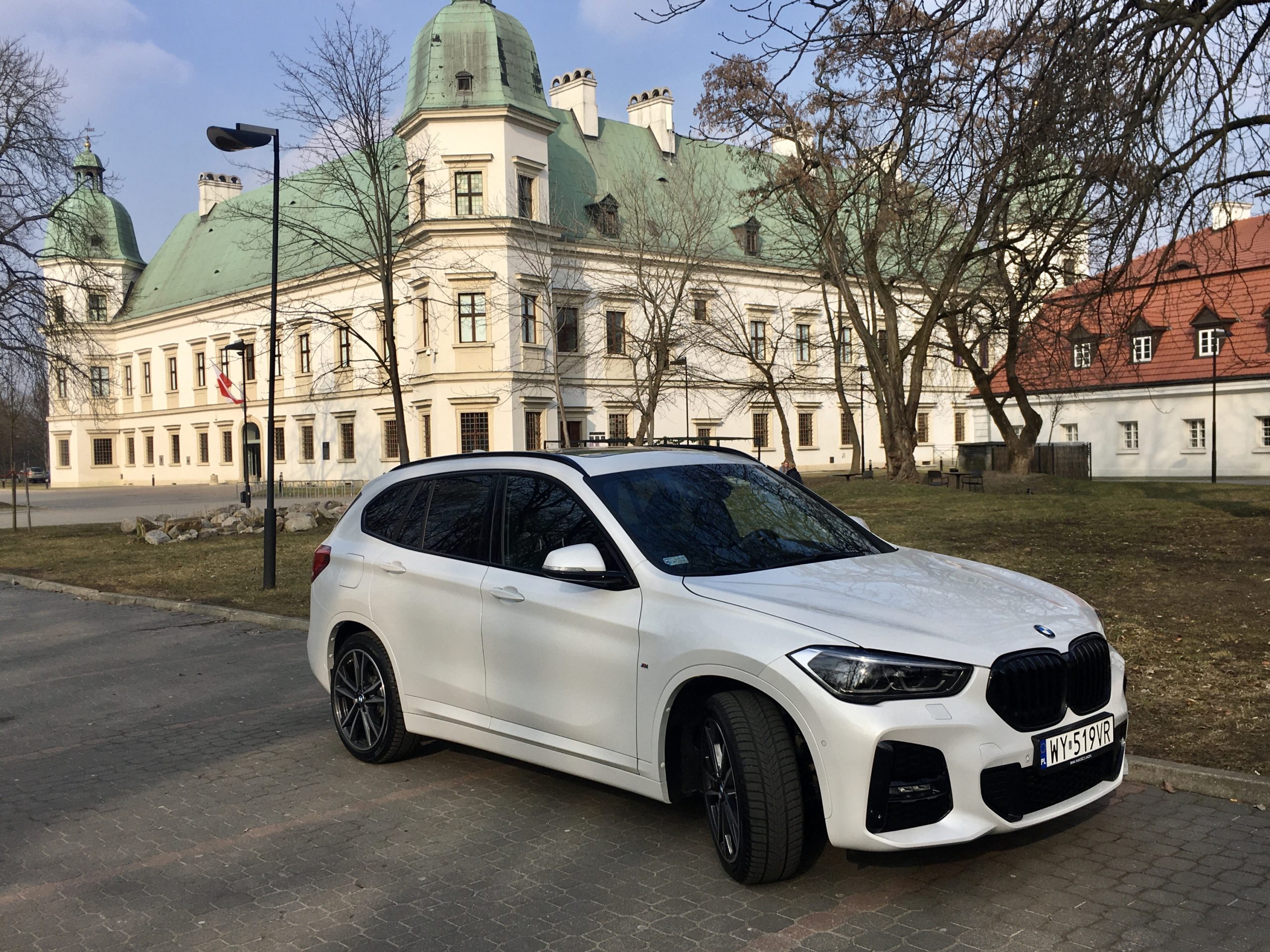
BMW X1 xDrive25e - the smallest of the "X" brothers
BMW keeps unveiling new plug-in hybrid models one after another. Among the latest is the BMW X1 xDrive25e. It is the smallest of the "X" brothers, a handy and prestigious model from Munich.
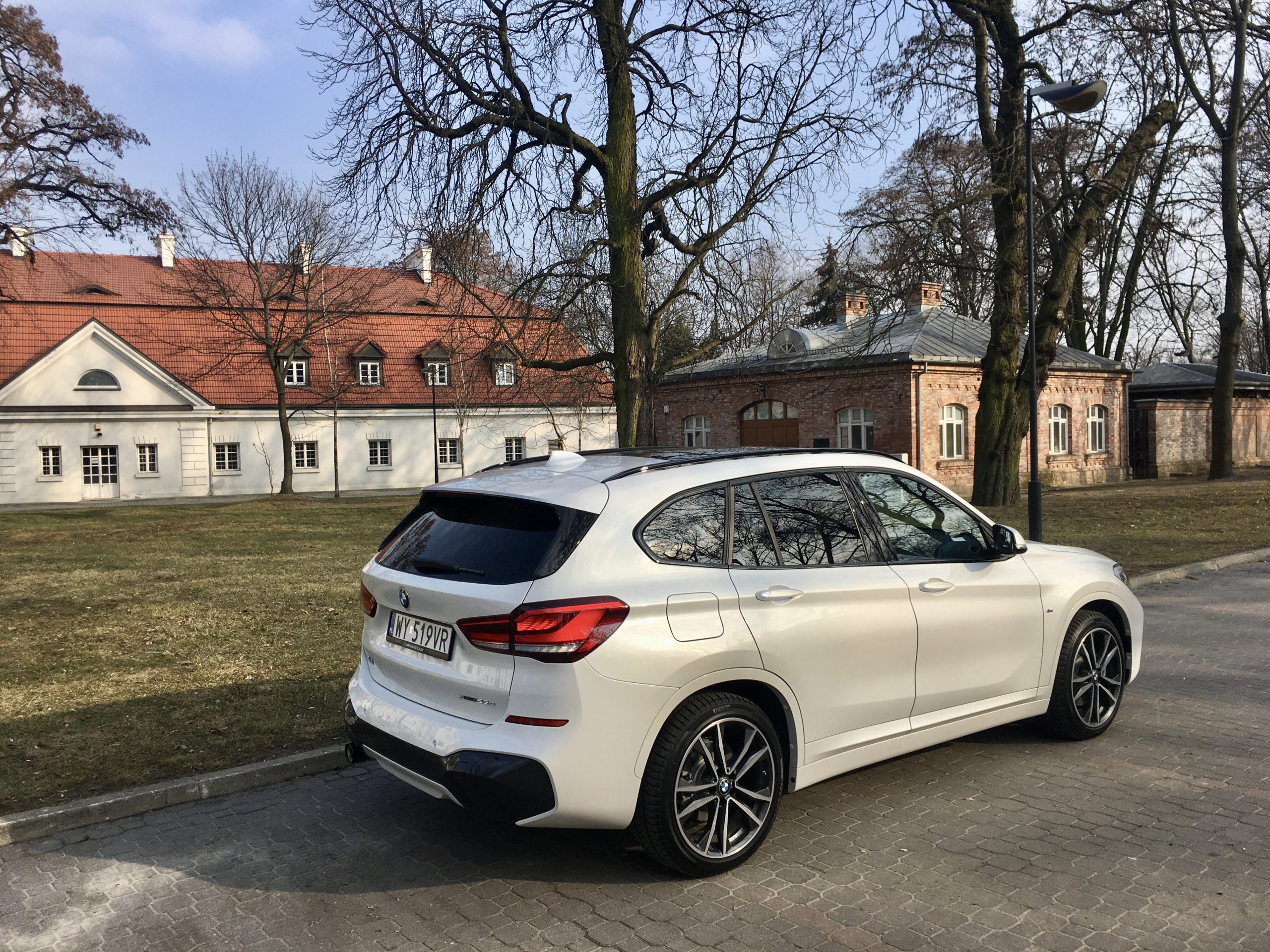
BMW expects to put more than a million cars with electrified drivetrains on the road by the end of 2021. By 2021, 1/4 of the vehicles BMW sells in Europe will have electric drive. By 2025 this figure is set to reach 33 percent, and by 2030 half of all sales. The group plans to add another 25 electrified vehicles to its range by 2023.
Design and interior
In its official materials presenting the BMW X1, BMW avoids calling it an SUV like the plague. According to the company, the correct terminology for the smallest "X"-badged models is Sports Activity Vehicle (SAV) or Sports Activity Coupé (SAC). I fully agree; looking at the car, you see a raised, elongated estate body rather than a compact, off-road-styled vehicle with short overhangs. That is what visually distinguishes the X1 from its bigger brothers, the X3, X5 and X7.
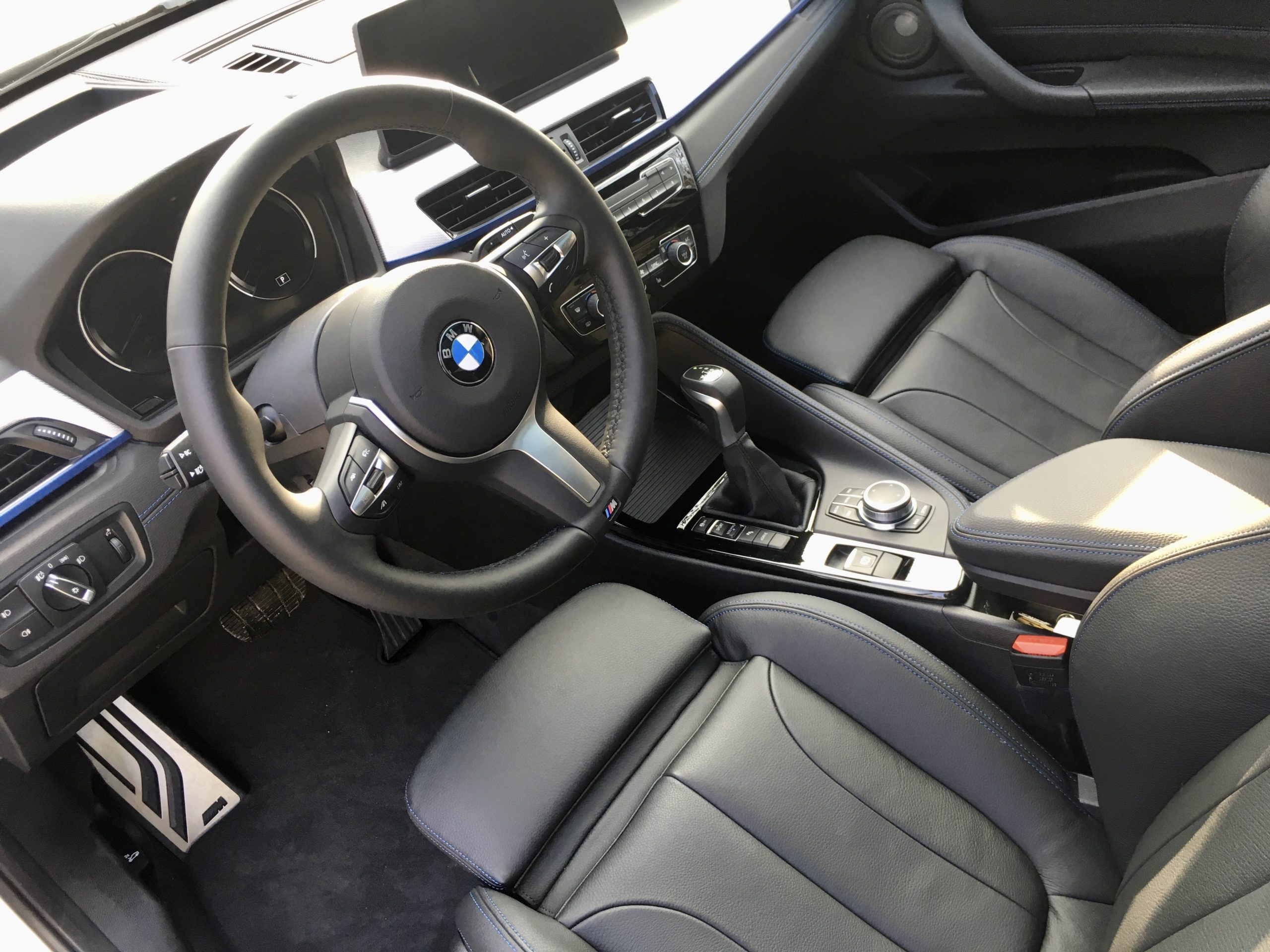
The interior follows other BMW models, and what sets it apart is the blue stitching and trim inserts. The car has plenty of storage compartments, which deserves praise, as design sometimes takes precedence over function for no good reason. The very clear, traditional instrument panel also earns praise.
Electric range and plug-in hybrid drive
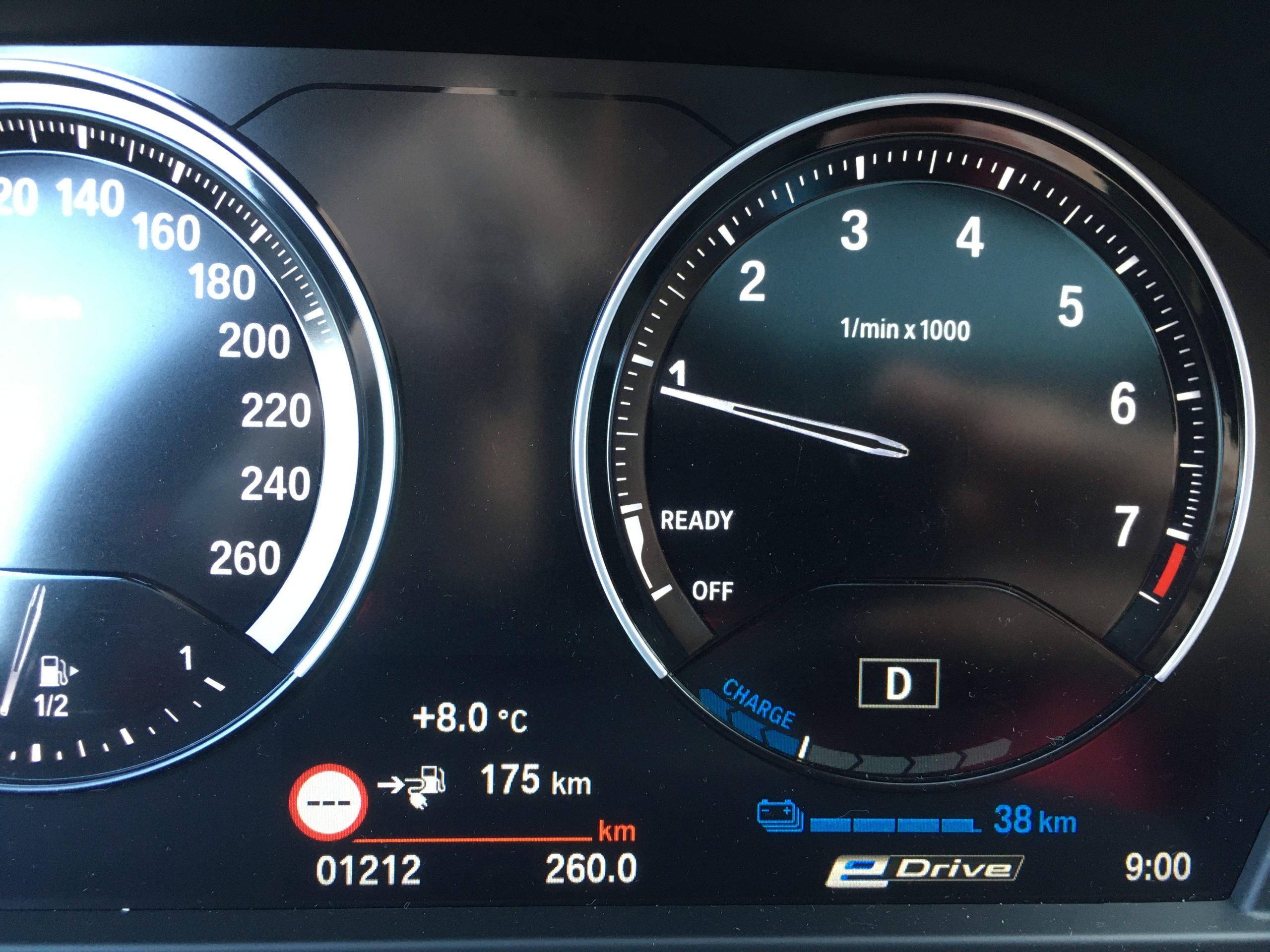
The electric drive and the lithium-ion battery provide an electric range of up to 57 km. That is the homologated figure; in my case the zero-emission range in the city was 40 km. Part of the "blame" lay with the very cold weather, which meant the interior had to be heated intensively.
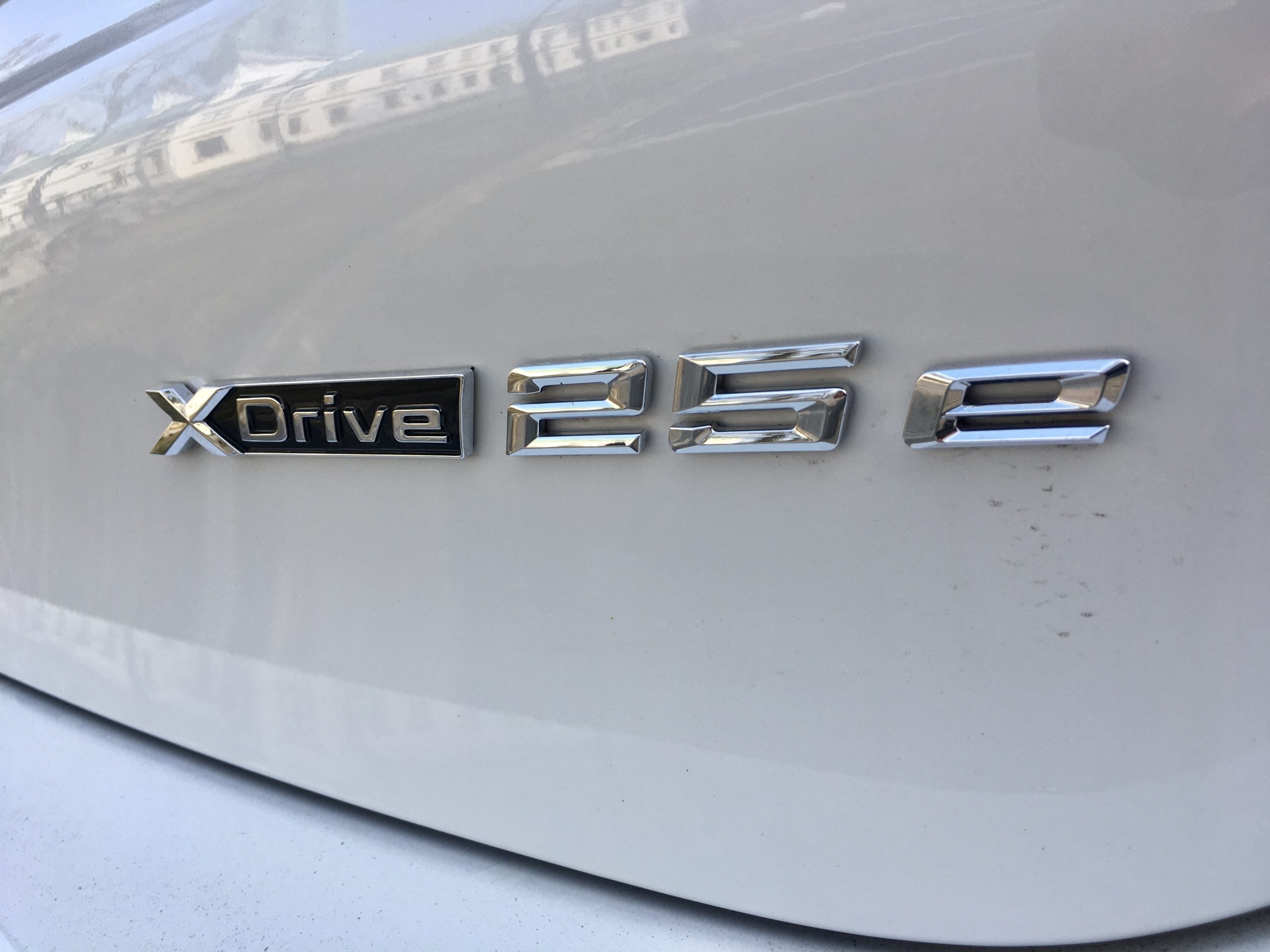
The plug-in hybrid drive in the new BMW X1 xDrive25e comprises a 3-cylinder 1.5 l petrol engine with BMW TwinPower Turbo technology and an electric motor developed specifically for this model. The petrol engine's maximum output is 92 kW (125 hp), with maximum torque of 220 Nm. It drives the front wheels through a 6-speed Steptronic gearbox. The electric motor produces 70 kW (95 hp) and sends 165 Nm of torque to the rear wheels via a single-speed transmission. Together they form a very specific layout, in which the combustion engine drives the front wheels and the electric motor the rear. The electric motor, placed above the rear axle, improves weight distribution. This advantage, combined with intelligently controlled interaction between the two power units, should guarantee driving stability, comfort and sharp responses. And that is exactly how it feels from behind the wheel.
Together, the petrol engine and the electric motor produce a combined output of 162 kW (220 hp). The maximum combined torque of the two power units is 385 Nm. The new BMW X1 xDrive25e accelerates from 0 to 100 km/h in 6.9 s. In addition, the electric "Boost" function in the drivetrain (you have to floor the accelerator) provides an extra, safe power reserve, allowing a sporty driving style or shortening potentially dangerous manoeuvres such as overtaking. The new BMW X1 xDrive25e has a top speed of 193 km/h.
The 10 kWh battery, charging and eDrive modes
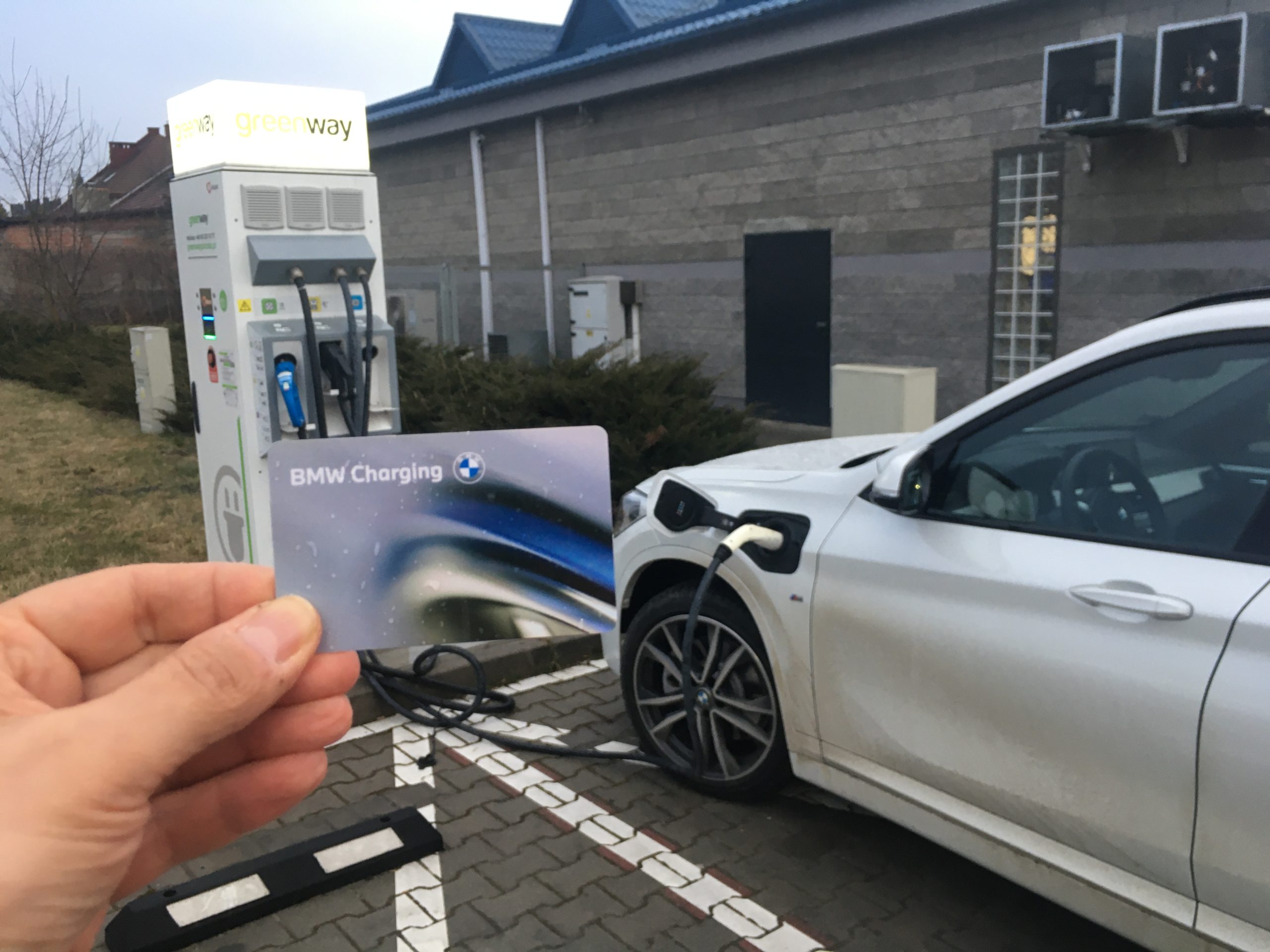
The latest-generation lithium-ion battery has a total capacity of 10 kWh. The charging socket is located under a separate flap in the left front wing.
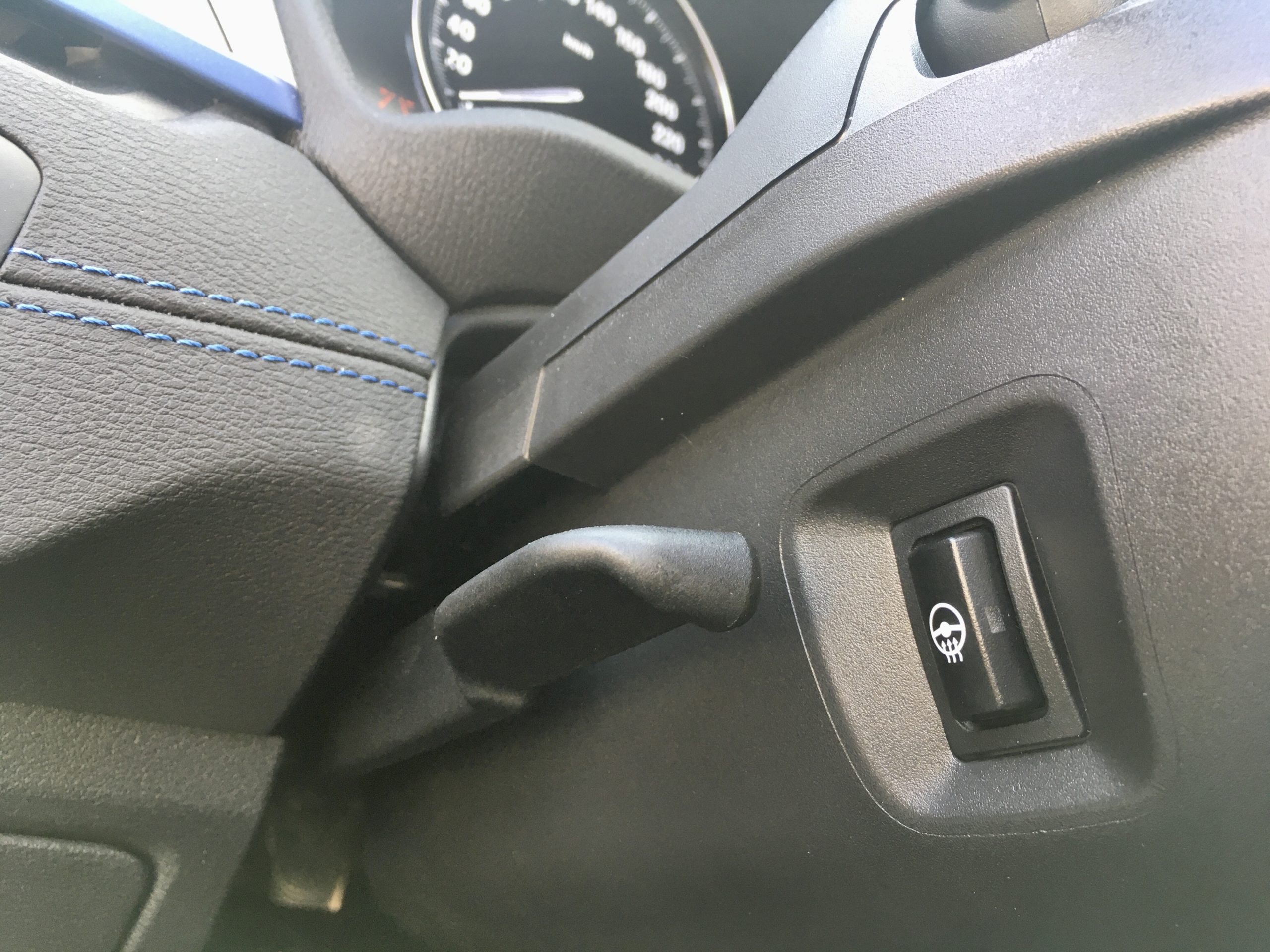
The driver can change the drive mode with the eDrive button on the centre console. Unfortunately, there is no way to set the level of energy recovery. In the standard AUTO eDRIVE setting, the intelligent all-wheel-drive system ensures interaction between the two power units in every driving situation. It is worth noting that the hybrid drive uses data from the navigation system to increase efficiency. With route guidance switched on, it can take the route profile into account when controlling the drivetrain. MAX eDrive mode is there to make maximum use of the electric drive. In this mode the new BMW X1 xDrive25e reaches a top speed of 135 km/h. One interesting charging feature is also worth mentioning: there are 3 charging current settings. Throttling the charging current is useful when the car is plugged into an old electrical installation or is meant to draw power efficiently straight from solar panels.

There is also a SAVE BATTERY mode. It allows the driver to maintain the high-voltage battery's state of charge while driving, or to increase it through energy recovery. This way, battery capacity can be saved for later use, for example for driving in the city in all-electric mode. In the BMW X1 xDrive25e, a button is used to select the COMFORT, SPORT and ECO PRO modes, which optimise the drivetrain and chassis functions and allow the electric comfort systems to be operated.
Equipment and boot
When driving on electric power at speeds of up to 30 km/h, a distinctive sound developed specifically for electrified BMW models is generated to warn other road users that the car is approaching. Standard equipment on the plug-in hybrid BMW X1 includes 17-inch light-alloy wheels, 2-zone automatic air conditioning and parking climate control. This is a very useful feature that uses the energy stored in the batteries to heat or cool the interior. As an alternative to the base version, the new BMW X1 xDrive25e is also available as a Sport Line, xLine and M Sport model.
Placing the high-voltage battery under the rear seats of the BMW X1 xDrive25 lowers the vehicle's centre of gravity. The main part of the boot is fully functional, and an additional compartment, accessible by lifting the floor, is where the charging cables are kept (the test car had two cables: a Type 2 and one connecting the vehicle to a 230V socket).
Test summary
The small, handy and prestigious BMW X1 xDrive25e is another car from the Bavarian group to represent alternative drivetrains. Its zero-emission range is on a par with the competition, and its build quality and ergonomics are of the highest standard.