Dacia Bigster - mild hybrid, plug-in hybrid or LPG
The Dacia Bigster is the most powerful car in the Romanian-French manufacturer's line-up. Given the success of a company that has been around for 20 years, there is little doubt that the Bigster, as a compact SUV, will be a genuinely interesting addition to the range.
When the parent company, Renault, announced the prices and specification of the new Bigster in January 2025 (from 99,000 złoty), it was clear that Dacia was offering the best value for money in the C-SUV segment. Dacia has openly admitted for years that price is a key element of its strategy.
Bigster vs Duster - dimensions and boot
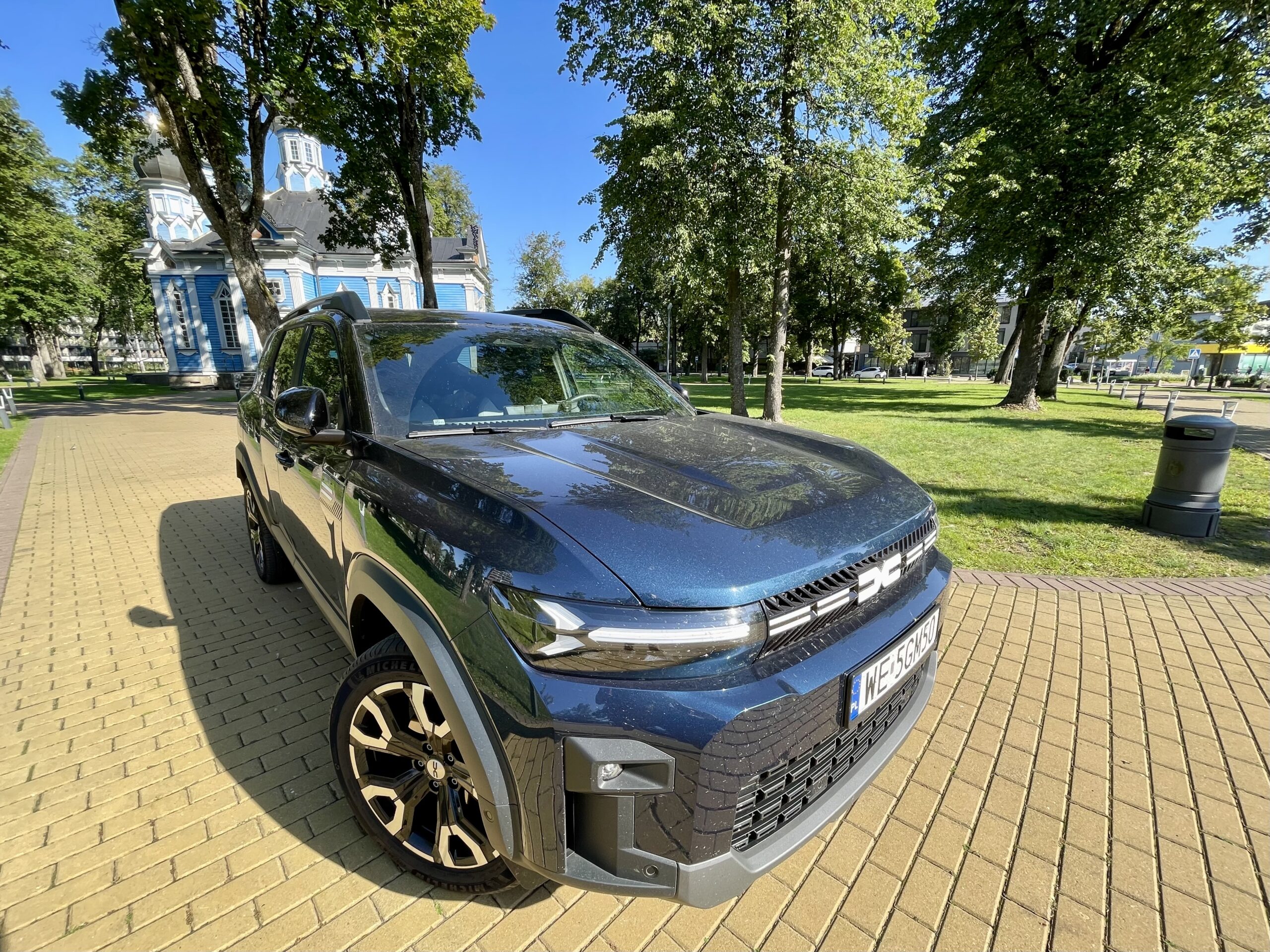
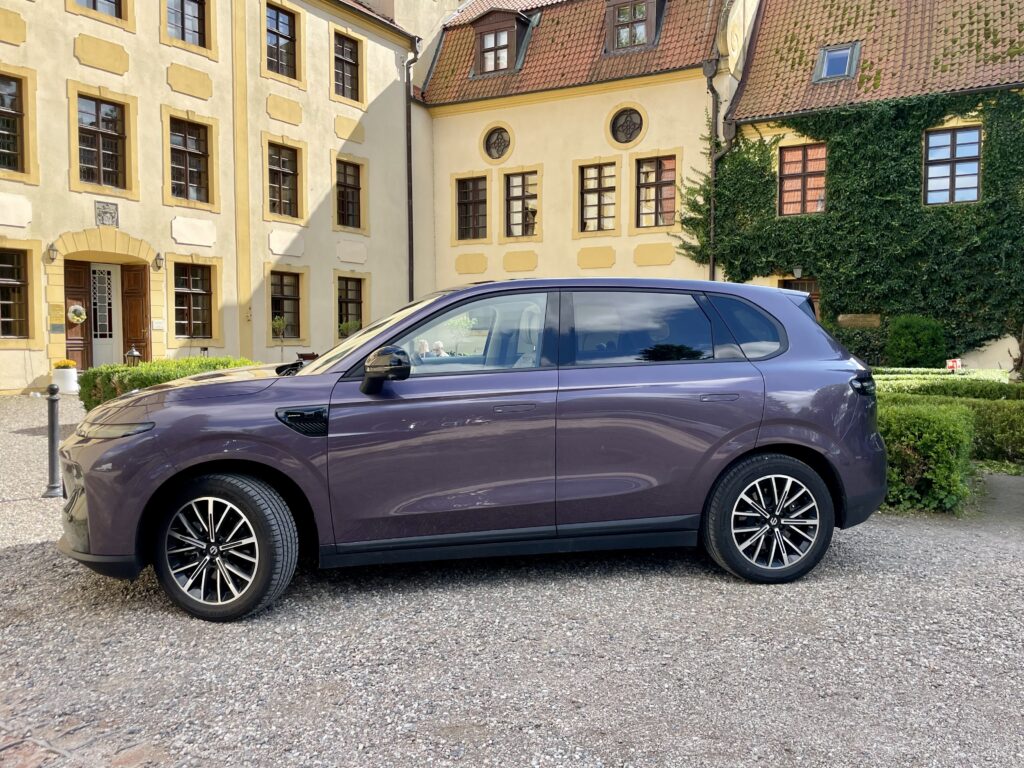
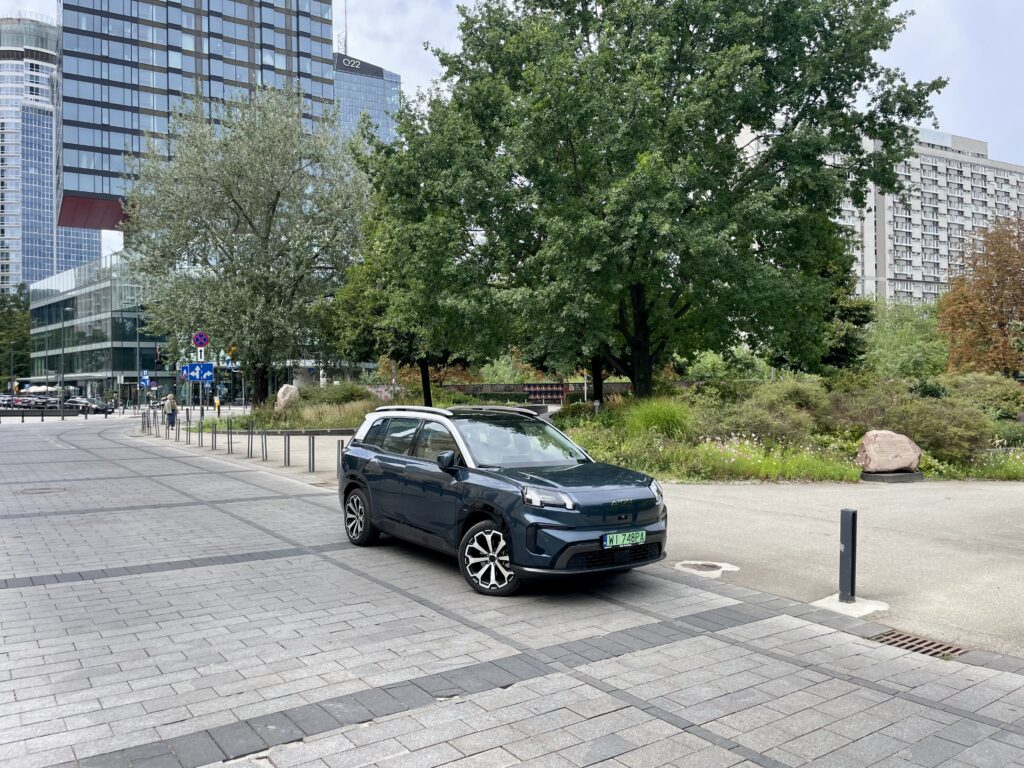
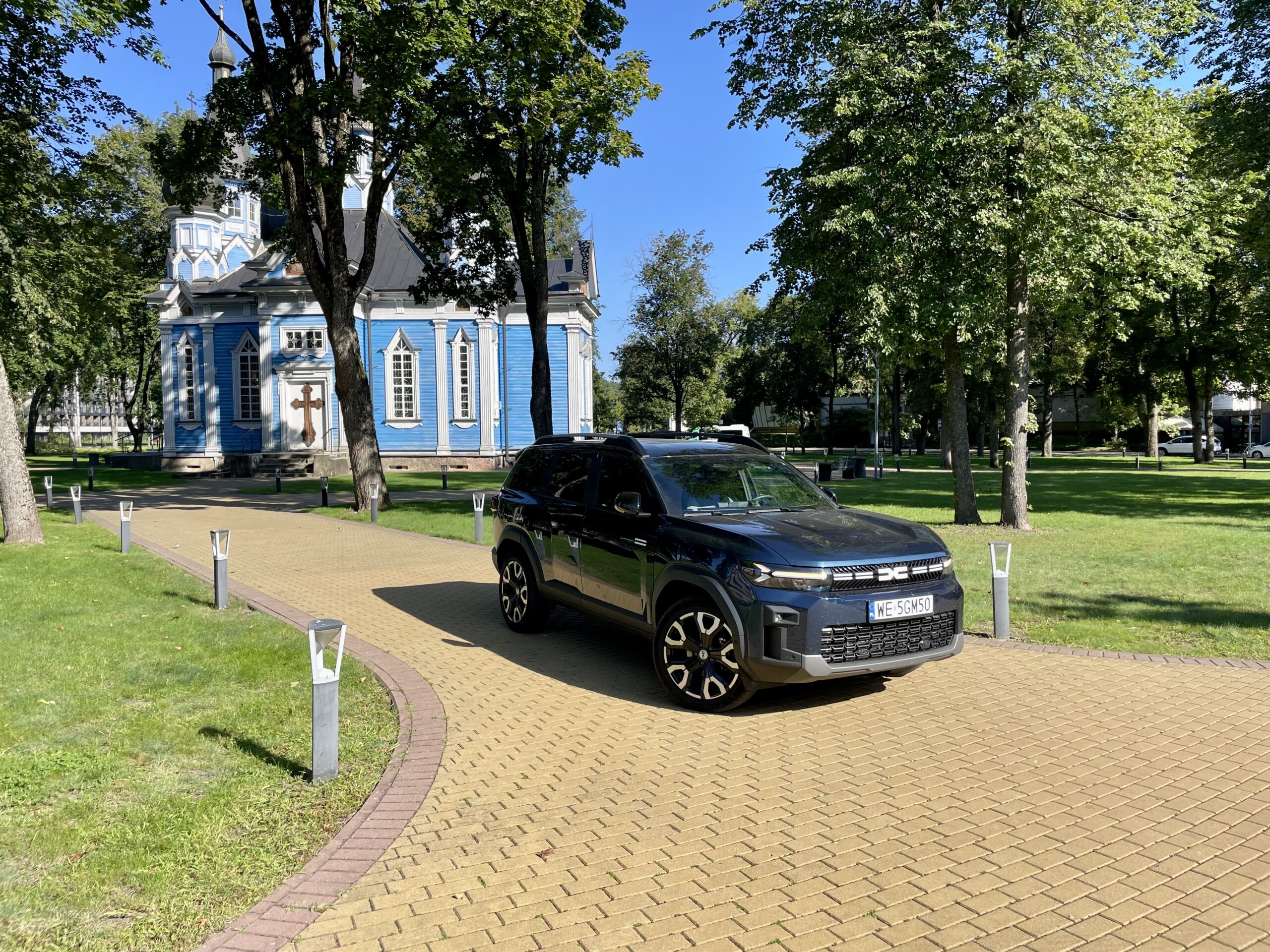
The Bigster borrows a great deal from the smaller and very popular Duster. You will also find plenty of components taken from Renault models. The steering-column stalks, the central display and, of course, the engine are familiar from other models, although the engine has undergone further modifications. What really sets the Bigster apart is its size. The car is 4.57 metres long, which makes its body 23 cm longer than the Duster's. The wheelbase has also grown slightly, by 4 cm (to 270 cm). The result is a roomier cabin and a bigger boot. Luggage space is a full 150 litres larger (667 litres) than in the smaller French-Romanian SUV.
Trim levels and interior
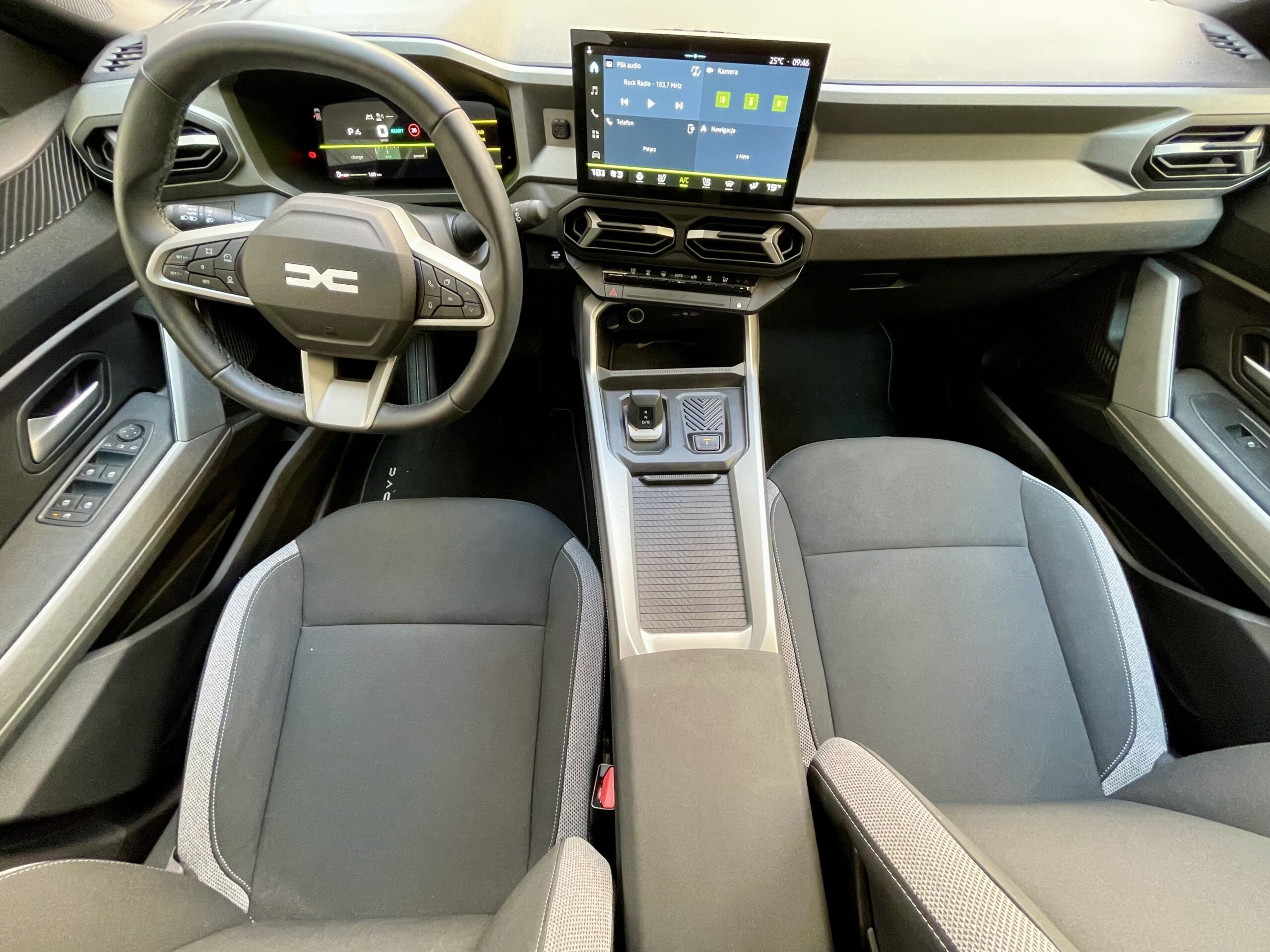
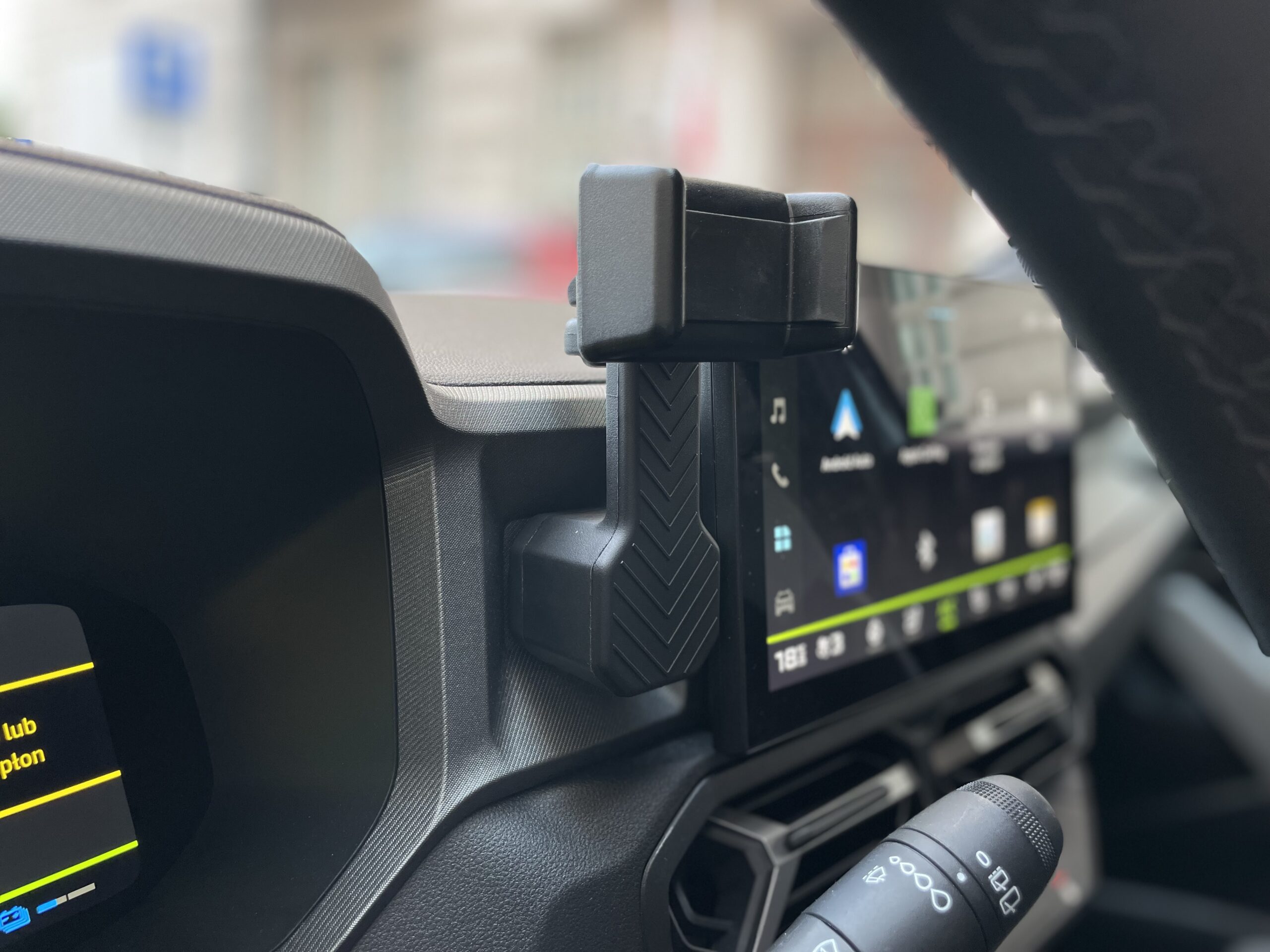
The company stresses that this is a model built around comfort and everyday practicality, with a wide choice of equipment for each version. The car is offered in four main trim levels: Essential, Expression, Journey and Extreme. We were given the “mild hybrid” in “Journey” trim to test, and it was generously equipped. The only thing to grumble about was the lack of the panoramic sunroof available in the “Extreme” package. Among other things, we had heated seats, a heated steering wheel, adaptive cruise control, automatic lights, rear seats that fold down from the boot and a wireless charger. The car also came with a phone holder and a cup holder for rear-seat passengers. At first the rough-and-ready look of these accessories grated, but there is no denying that they work. They were also designed in the “off-road” style that dominated the whole interior.
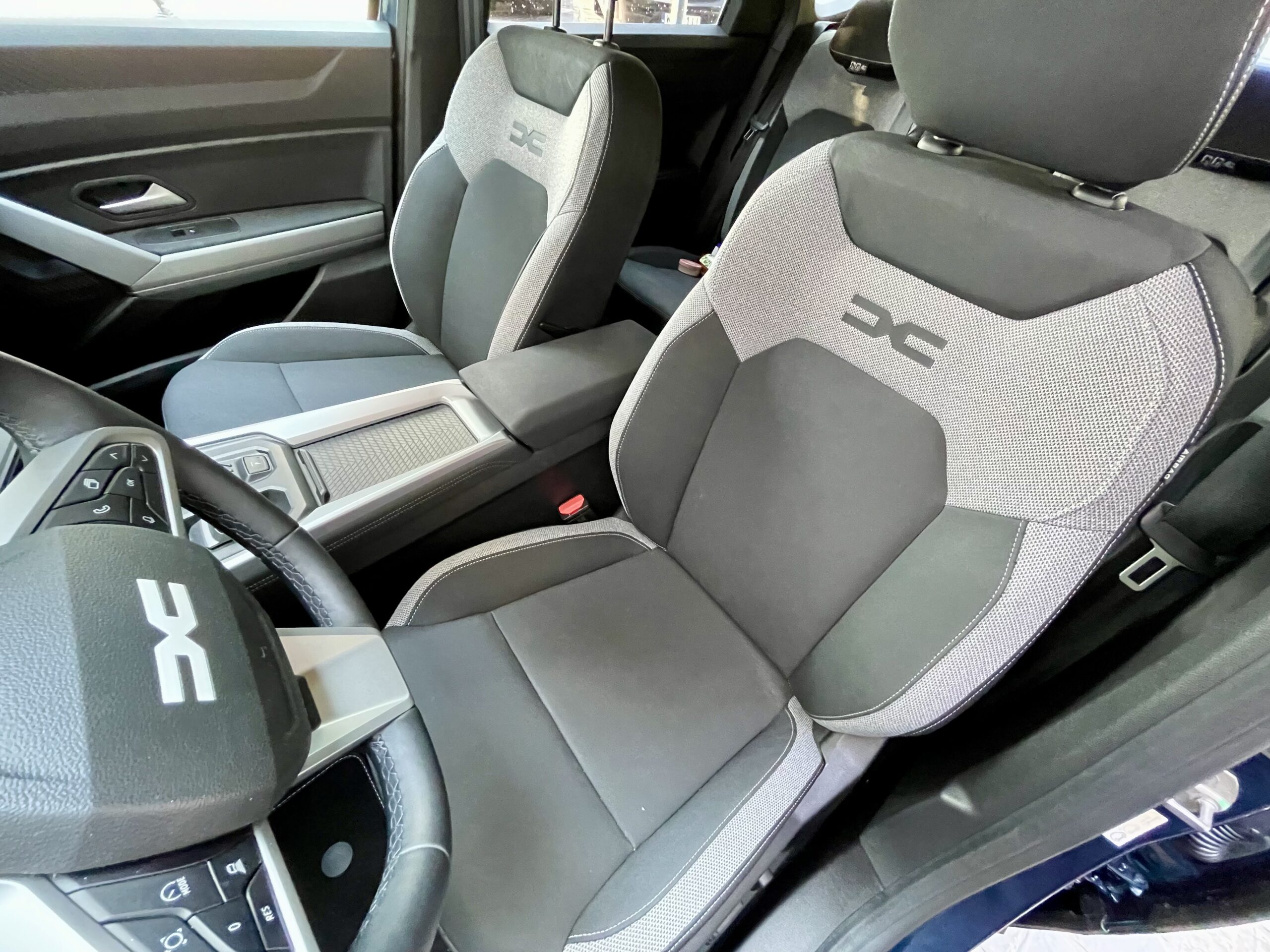
The interior is very spacious and practical - although the quality of the plastics, which are very hard in most places, leaves something to be desired. The synthetic Microcloud seat upholstery does not look its best, especially in the second row, but it is very easy to clean, as the manufacturer is keen to point out. The model also brings a new Indigo Blue body colour and an optional two-tone finish (in the Extreme and Journey versions).
The TCe 140 mild hybrid and the E-SAVE function
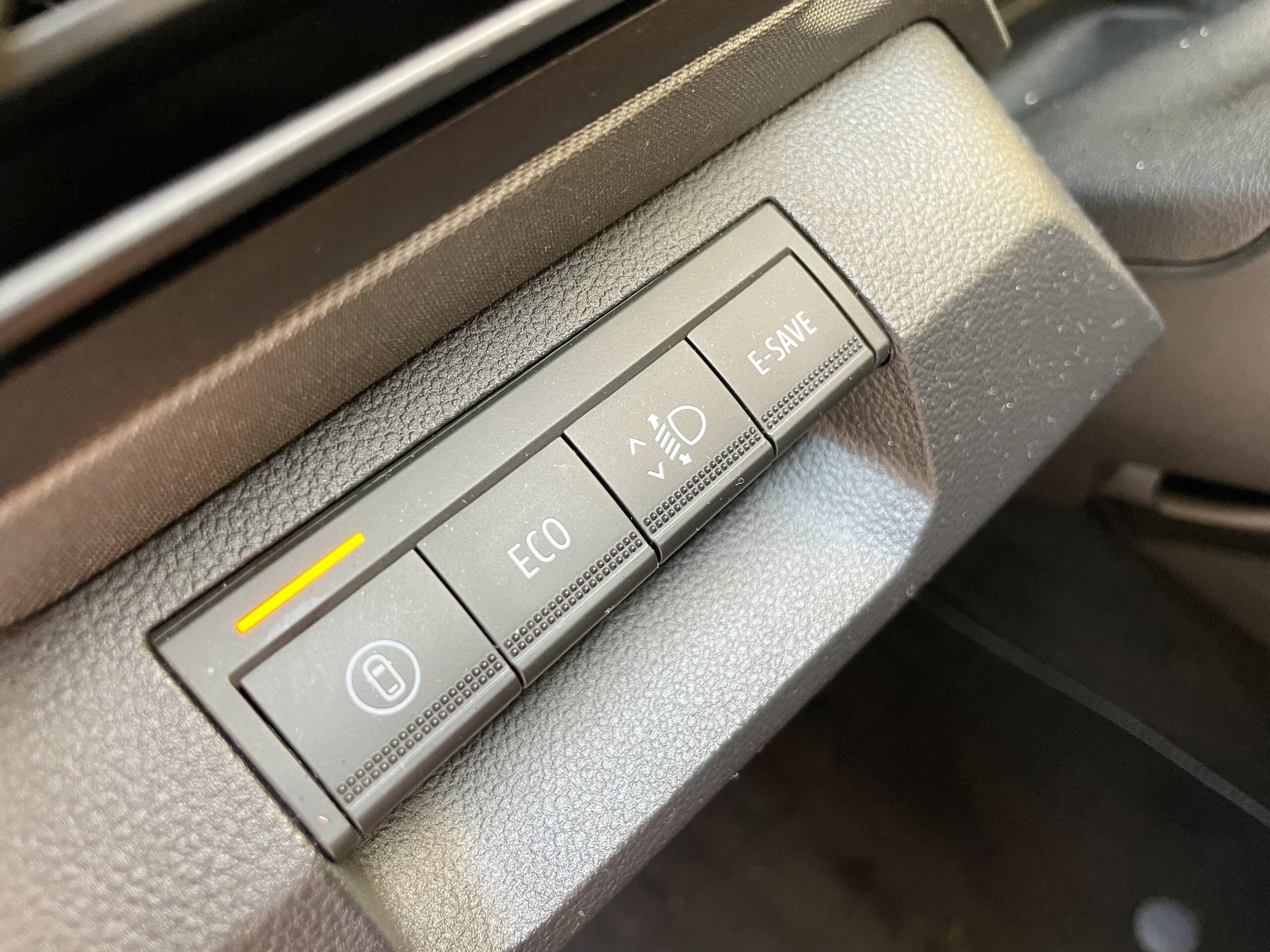
The Bigster comes with a choice of several powertrains, all of them electrified and some completely new to the range. We tested the TCe 140, a powertrain offered in a Dacia at this power level for the first time, which combines a new-generation 1.2-litre three-cylinder turbocharged petrol engine with a 48-volt mild-hybrid system. The drive selector lets you increase regenerative braking (position “B”), which helps charge the battery faster. The car also has an E-SAVE function. This system lets the driver “reserve” electrical energy in the battery for a later stage of the journey. When it is switched on, the car gives priority to the combustion engine, saving electrical energy. This can be useful, for example, when driving uphill, on difficult terrain or when the driver expects to need extra power at a particular moment.
The Dacia Bigster is a successful car that strengthens the brand's model line-up. The fact that it builds on solutions from the well-proven Duster can only count in its favour. An interesting choice of powertrains and four trim levels make it easy to find the right version.