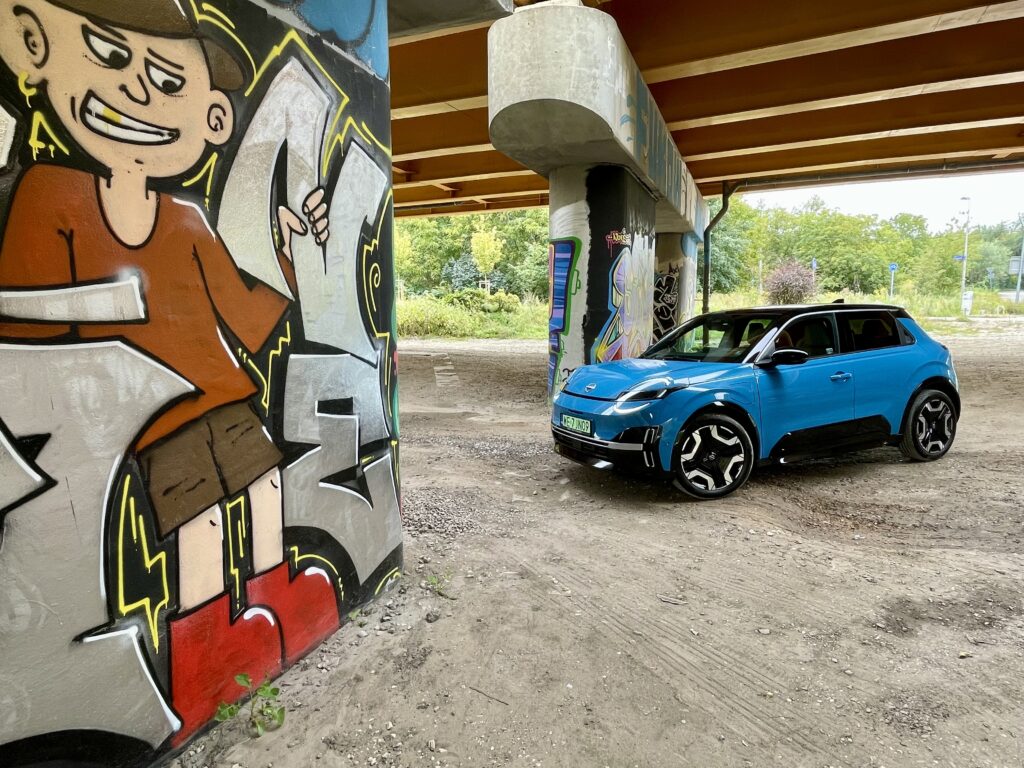
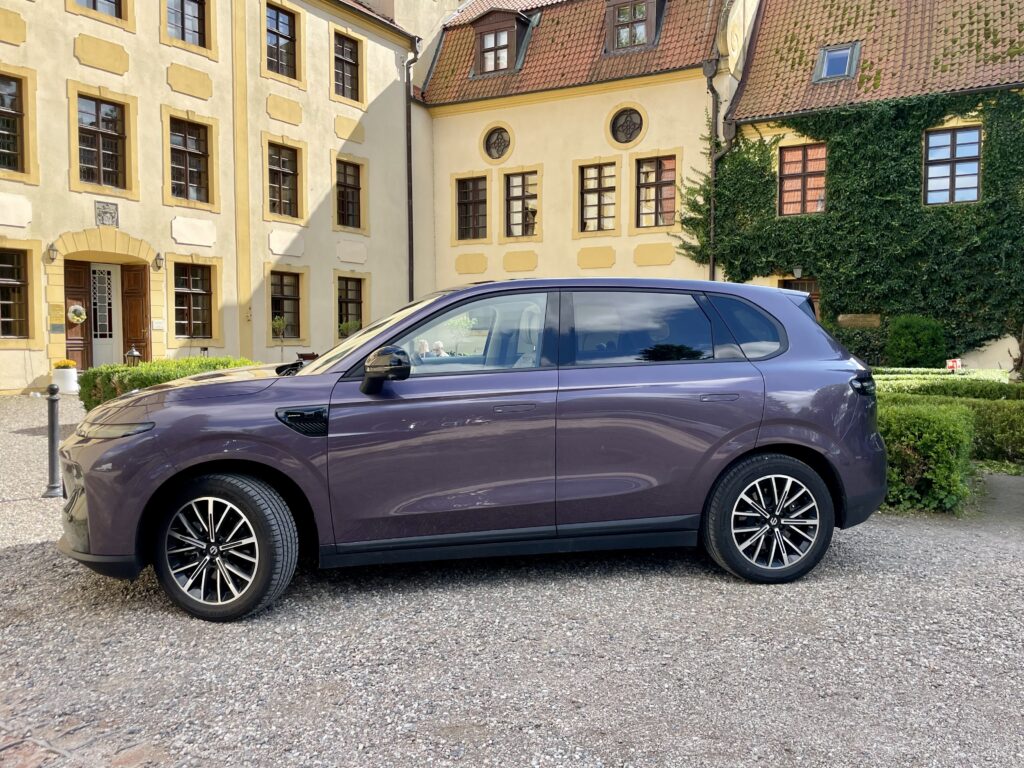
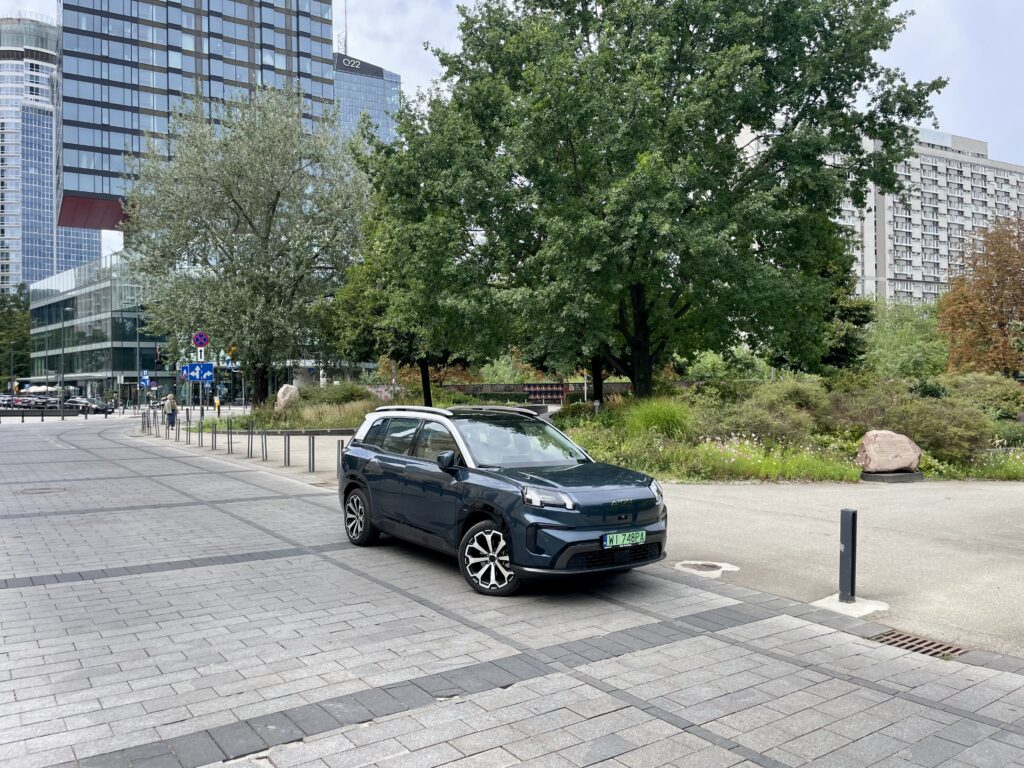
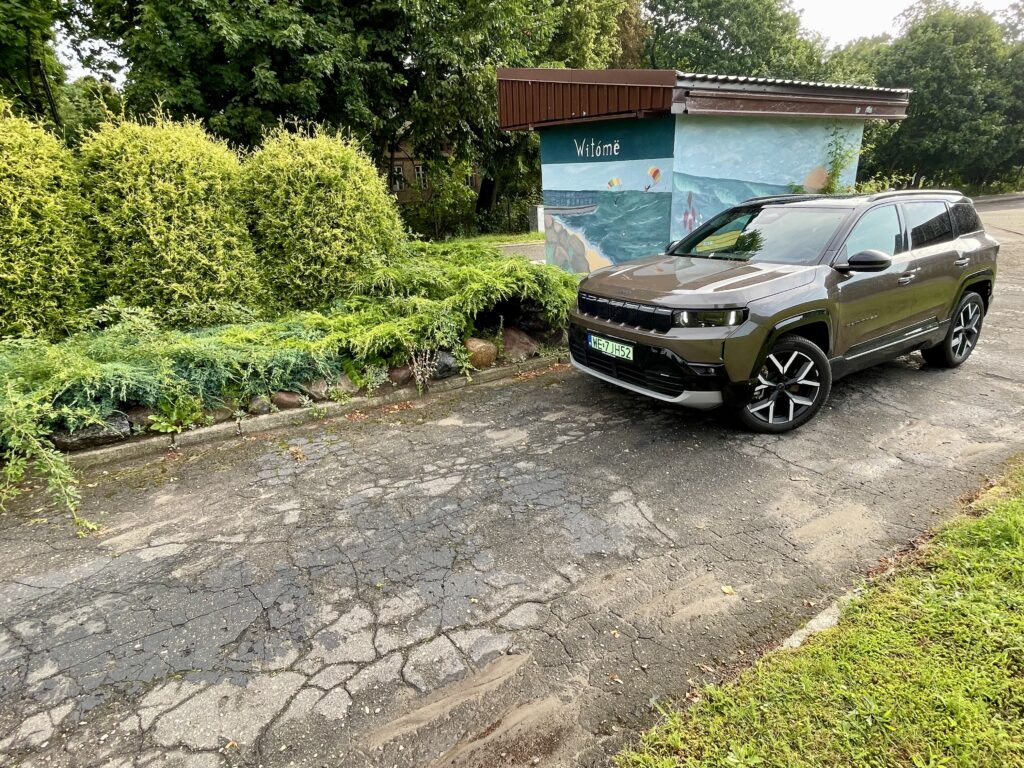
Opel Corsa-e - the little one has grown up
The Opel Corsa used to be a small runabout, suitable for little more than driving around town. I knew that with every new generation the Corsa has grown, becoming what we would once have called a "compact", but when I got into the latest generation I was pleasantly surprised. There really is a lot of room inside. And on top of that there is a zero-emission version, which I had the pleasure of testing.

The Opel Corsa-e is built on a platform shared across the PSA group. The same platform underpins not only Opels: it is also used to produce the Peugeot 208 and the DS 3 Crossback.
The Corsa's electric motor produces 136 hp and 260 Nm and can take the car from 0 to 100 km/h in 8.1 seconds. The range looks very good too: 337 km according to the WLTP standard. The car uses a 50 kWh battery pack.

Driving modes and a low centre of gravity
The Corsa-e offers several driving modes. Maximum power is available once you select Sport mode, but the trade-off is a shorter range. The Normal setting limits output to 109 hp, but even then you will not get the maximum range. Only Eco mode lets you cover the full 337 emission-free kilometres. While driving, it is worth moving the selector from D to B to get stronger regenerative braking and, at the same time, "save" the brakes.
As in other modern EVs, the car's centre of gravity sits more centrally and lower than in combustion-engined cars. In the Corsa-e it has been lowered by 6 cm, which makes the car handle much better. The heavy batteries (345 kg) press the car down onto the road. The manufacturer also says it has increased body stiffness by 30 per cent and modified the front axle.
Boot, charging and Edition equipment

Unfortunately, the Opel Corsa-e has a smaller boot than its combustion-engined siblings: 267 l versus 309 l. The batteries push the kerb weight up to 1455 kg, whereas the 100 hp petrol Corsa weighs 1138 kg.
The Corsa-e can be charged in several ways: with a cable from a 230V household socket, from a wall box or at a rapid charging station. In the latter case the 50 kWh battery can be charged to 80 per cent in 30 minutes. The battery comes with an 8-year warranty.
The Corsa-e Edition offered on the Polish market is generously equipped. Worth mentioning is the NCAP Pack, which includes driver drowsiness detection, speed sign recognition, advanced pedestrian and cyclist detection and automatic emergency braking. Driving safety is further improved by lane keeping assist and the Good Visibility Pack, which includes, among other things, automatic headlights and wipers.

The electronically controlled air conditioning and heated steering wheel let you choose a comfort option, which warms the whole cabin, or an optimal one, where you still feel thermally comfortable despite a cool cabin thanks to targeted delivery of heat. The new infotainment system uses a 7-inch colour touchscreen and offers the OpelConnect telematics service.

Test summary
The Corsa-e is a nimble and practical five-seater with compact dimensions and a length of 4.06 metres. It qualifies for green number plates, which in Poland let the driver use bus lanes and park for free in paid parking zones. There is no need to worry that two adults with small children will struggle to take it away for a long weekend. Both the range and the size of the boot make it possible.