Peugeot e-2008: a neat little SUV
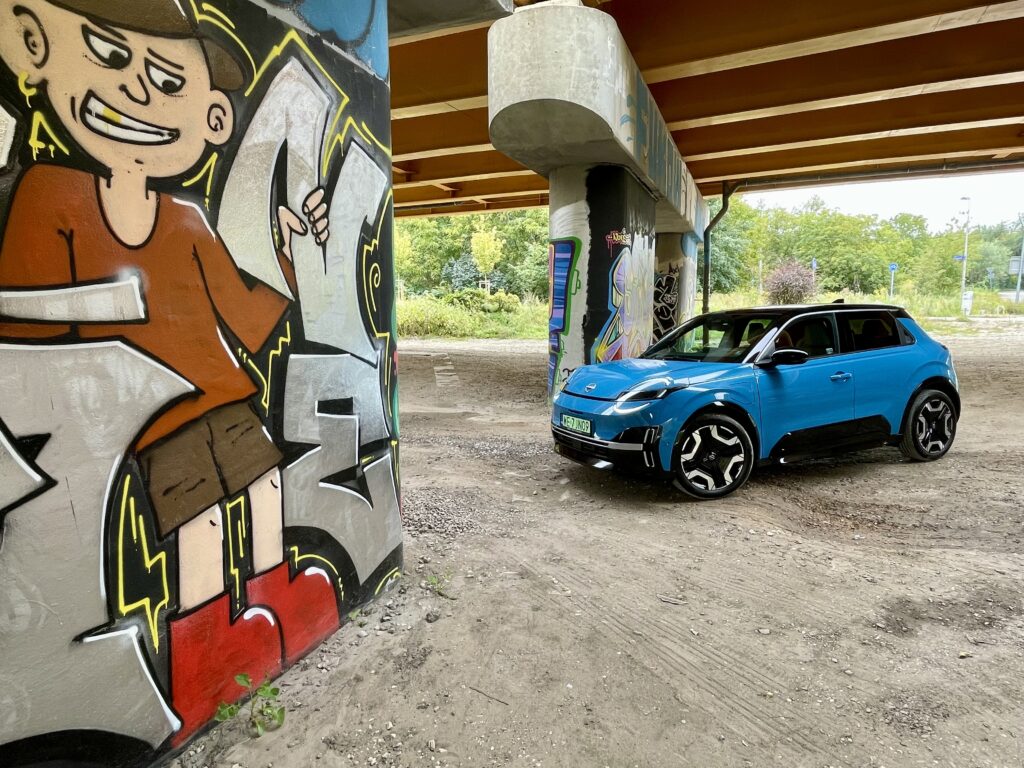
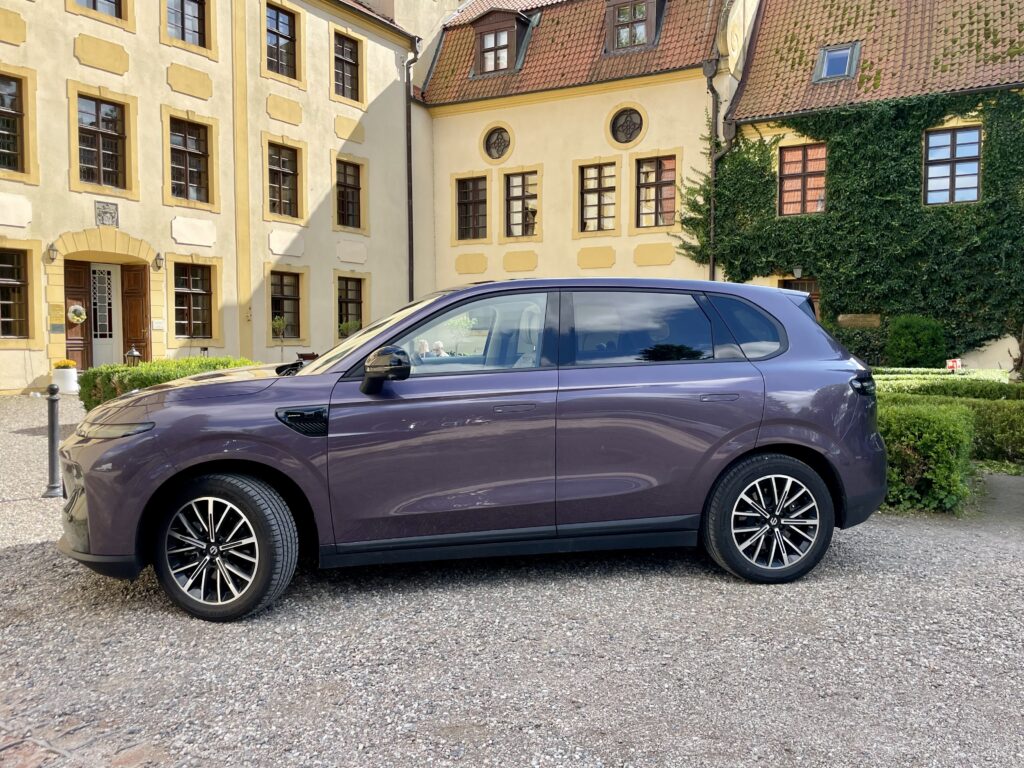
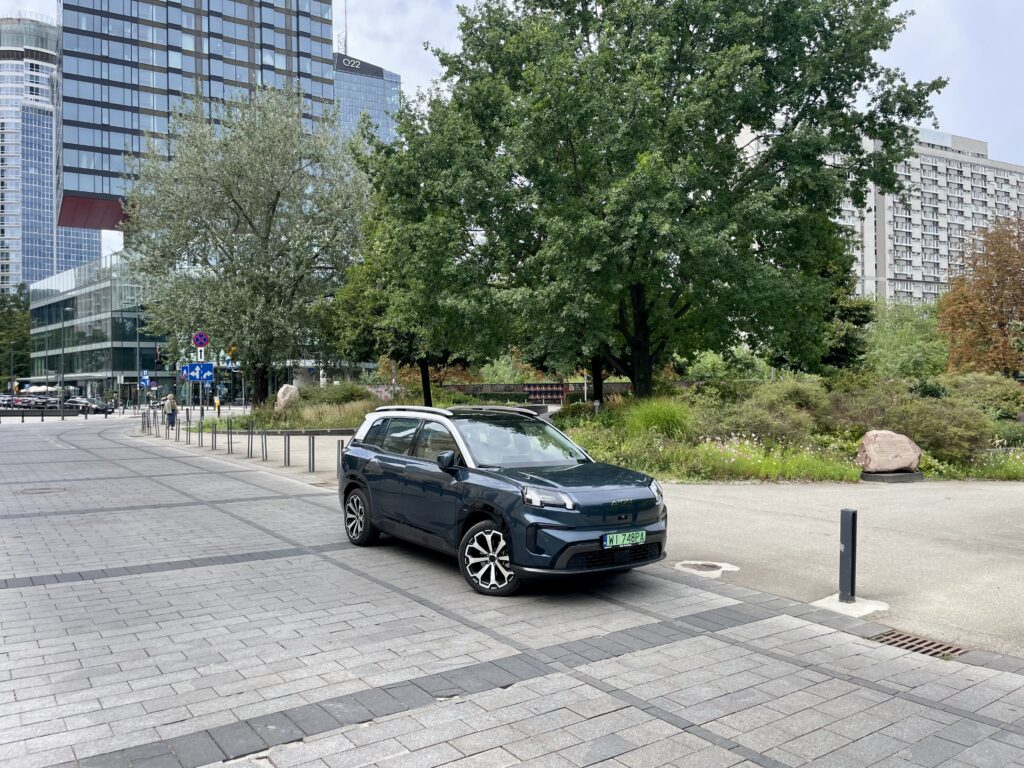
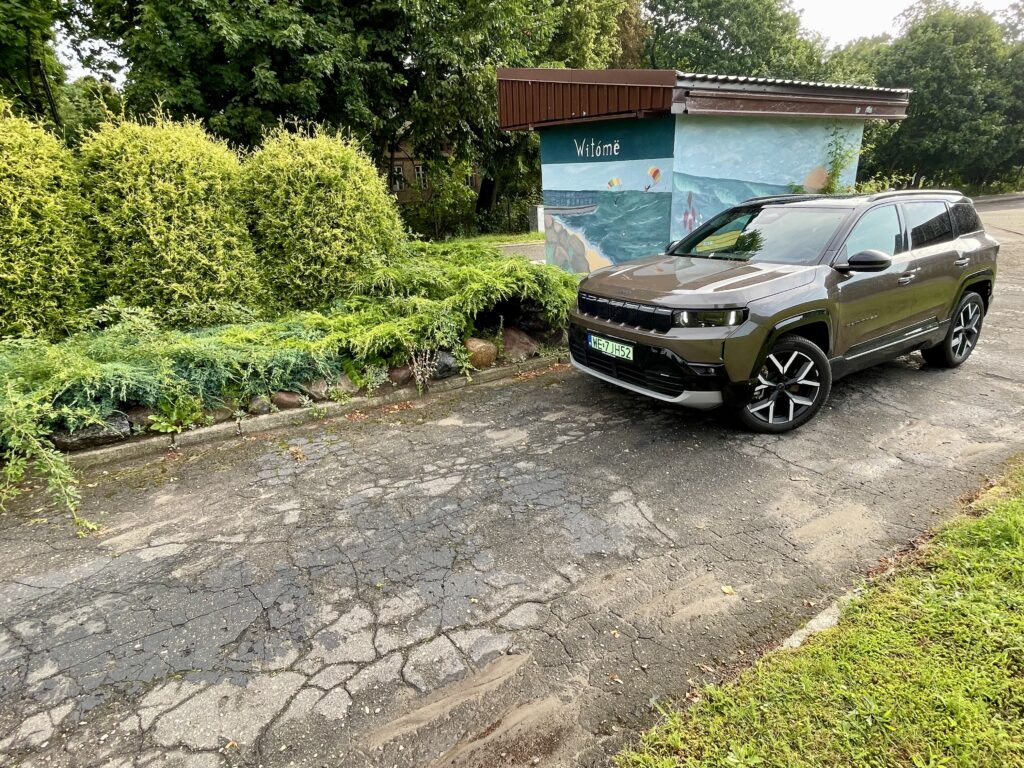
Eye-catching design, a spacious interior and technology that makes safe driving easier are the hallmarks of the small Peugeot. Compared with its combustion-engined siblings, apart from the missing exhaust tailpipe, the only thing that sets it apart is the letter 'e' in the model name, as its exterior and interior dimensions are identical.

Interior, i-Cockpit and the 405 l boot
The most interesting feature of the e-2008 is the i-Cockpit. This is the French concept of a driving position made up of a small steering wheel flattened at the top, digital instruments and a touchscreen. The attractive three-dimensional graphics look very interesting. This is not just a very successful styling touch, as it really does make the displays easier to read. You can believe the manufacturer's assurance that the 3D animation distracts you from the road less than a traditional one. Unfortunately, with this layout the steering wheel often hides the instrument display behind it.

The information centre is completed by a 10-inch multimedia touchscreen. Below it is a set of traditional buttons and toggles in 'retro' style. Among them are the buttons for the three-level front seat heating. The combination of a touchscreen with buttons that give 'shortcut' access to the most important functions seems the optimal solution.
One of the Peugeot e-2008's strengths is its spacious interior, even though the car is only 4.30 m long. The body is fairly tall and the rear doors are wide, so getting into the front and rear seats turns out to be easy. The tailgate also opens high enough that you need not worry about hitting your head on its edge. The test car was fitted with a panoramic glass roof, which will certainly make journeys more pleasant in good weather.

The Peugeot 2008's boot is also quite roomy - its standard capacity is 405 litres, and the double floor makes it easier to arrange your luggage. With the asymmetrically split rear seat back folded, the boot grows to 1467 litres, and the floor of the enlarged load area is almost flat.
Range, handling and 100 kW charging
In homologation the French car achieved a range of 345 km, and its top speed is limited to 150 km/h. Driving in winter, we did not manage to achieve that range, despite using 'eco' mode and making frequent use of the seat heating, which can stand in for the inefficient heating of the whole car. The car had no paddles for adjusting regeneration - increased energy recovery under braking was achieved by activating the 'brake' function (the 'B' button on the centre tunnel).

The French have given their SUV fairly firm suspension, and it absorbs bumps adequately. The electric model is 360 kg heavier than the combustion version (compared with the 1.2 turbo) and has a lower centre of gravity, which gives it better grip in some manoeuvres. Nevertheless, the test car tended to let its front wheels slide slightly in fast turns on cold asphalt.

The battery has a capacity of 50 kWh and can be charged not only from a household socket but also at DC fast-charging stations at up to 100 kW. More and more such stations are appearing in Poland, and GreenWay - the leader in charging infrastructure for electric vehicles - is gradually replacing its 50 kW stations with ones that charge a car up to twice as fast.

Test summary
The Peugeot e-2008 is a handy city car with a decent range. Its spacious interior and attractive design are its strong points. The ability to fast-charge at 100 kW helps to keep charging times to a minimum on longer journeys. If you like the French brand, read this test too: PEUGEOT e-208 - SOLID ENGINEERING AND DESIGN WITH AN EDGE