





Peugeot e-208 - solid engineering and design with an edge
Peugeot knows how to make small city cars. Classics such as the 205 and the 206 took Europe's cities by storm. For several years now the second generation of the 208 has been on the market, and it is available with electric drive. Has Peugeot passed the test once again in creating a small zero-emission model? The answer is yes, but with a few reservations.
Design, interior and boot

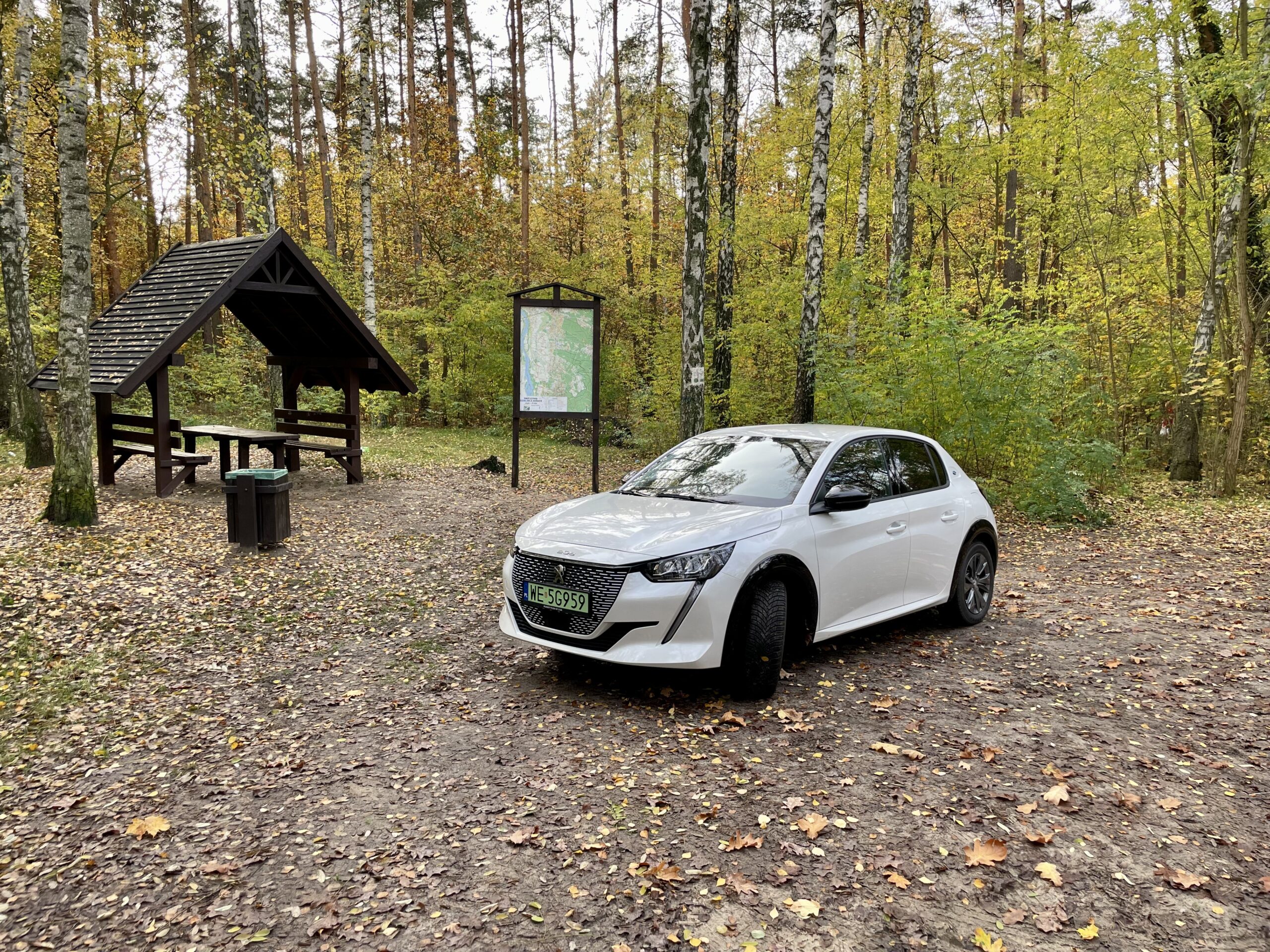
It has to be said that the small Peugeot's design remains fresh and attractive, even as more months go by since its launch. The French car bearing the number '208' is surely one of the best-looking options in its segment. When creating this vehicle, Peugeot planned from the outset for a zero-emission version that would not differ much visually from its combustion-engined siblings. Even its exterior badging is very restrained about signalling zero emissions. The car has an 'e' emblem on the C-pillar and a few blue inserts inside, for example in the door panels. Of course, the multimedia system and the digital instrument cluster have been adapted to show functions typical of electric cars, but otherwise the dashboard, the same as in the other versions, does not shock you with any extravagances.

The attractive looks go hand in hand with a practical cabin, and the quality of the materials and the fit of the components cannot be faulted. The car belongs to the B segment, so you should not expect a spacious interior. Front-seat occupants should have no complaints, but things are not so 'rosy' in the second row. Although the rear doors open wide, they are fairly narrow, and the rear bench is set well back, so getting in can be awkward. Taller passengers will certainly notice that there is very little headroom. It is worth stressing that neither the batteries nor any of the other equipment needed for the electric drive take up luggage space - the boot holds 311 litres, exactly the same as in the conventionally powered versions. The car has a flattened steering wheel. This is a feature typical of cars with a lion on the bonnet, but it still has many critics, who point out that the rim of the steering wheel hides the instruments.
Powertrain, charging and driving modes

Under the bonnet of the electric 208 is an electric motor producing 136 hp and 260 Nm of torque. The battery pack sits in the floor and lowers the car's centre of gravity. The batteries have a capacity of 50 kWh, which means the car should cover around 360 kilometres. Our test confirmed that the car can indeed manage that distance.

The electric Peugeot is equipped with a DC CCS charging socket and can accept up to 100 kW. Of course, this is a maximum, and if the system detects a cell temperature outside the optimum range, or if the battery is already partly charged, you will not reach this figure. While charging, the car uses graphics on the instrument panel to tell you how much time is needed to fill the batteries completely with electrons.
It is worth emphasising that 2023 will bring further technological changes. The car is to be fitted with the motor from the e-308. As a result, maximum power will rise by 15% to 115 kW/156 hp, and thanks to lower average consumption the car's range should increase by more than 10%. Add a heat pump working together with a humidity sensor, and it turns out that the little Peugeot will be able to cover as much as 400 km on a single charge. We will, of course, share our impressions with readers as soon as we have been able to test the car.

The car has three driving modes - eco, normal and sport. More demanding users will miss additional options, as the only extra is the B mode, which increases regeneration. Paddles with several levels would seem a far better solution.
The French brand offers customers several interesting apps and a range of services that make everyday use of the car easier. 'MyPeugeot' is a smartphone app that lets you schedule battery charging remotely or switch on cabin heating / cooling while the car is connected to a power source. Another form of support is the option of planning a route in the navigation system so as to make the best use of the chargers along the way.

Test summary
The Peugeot e-208 is a very good choice of small zero-emission vehicle. It offers good range, modern technology and urban agility. The car is well built and very attractive to look at. (If you like the French brand, read this test too: PEUGEOT e-2008: A NEAT LITTLE SUV )