






Seres 3 - a Chinese EV with a US passport
The Seres 3 seems to be a master of first impressions. One glance and this Chinese car pleasantly surprises you. The first kilometres also seem to confirm that your eyes did not deceive you and that the ergonomics and engineering are of a high standard. Unfortunately, after a few days the car reveals its shortcomings, which does not change the fact that it is an interesting proposition among EVs.

Behind Seres stands Dongfeng Sokon Automobile. DFSK has three production bases, in China, Indonesia and the USA, with seven vehicle and engine plants. DFSK began exporting in 2005 and has so far exported a total of more than 350,000 vehicles to almost 70 countries. In Poland, Seres is distributed by Busnex, which also sells Yutong buses.
Seres representatives proudly claim that the car is 'almost American'. The Seres technology is said to have been born in California, and some of the people behind Tesla's success had a hand in creating the vehicle. The Chinese simply came in once the groundwork had been done.
Design and interior finish

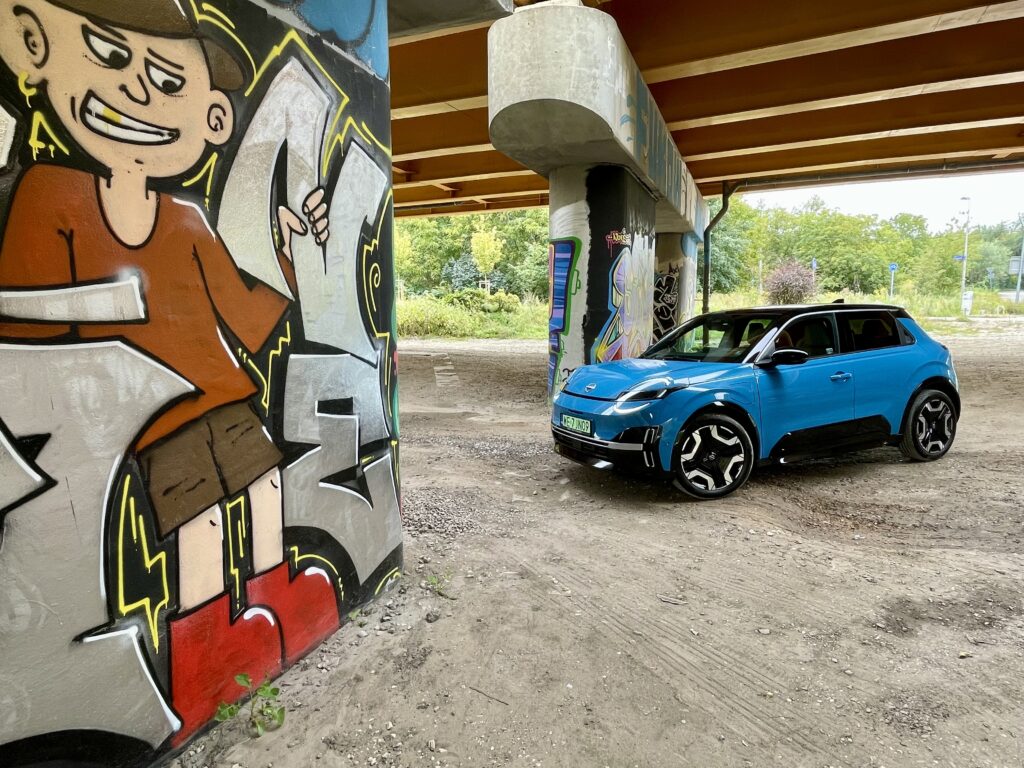
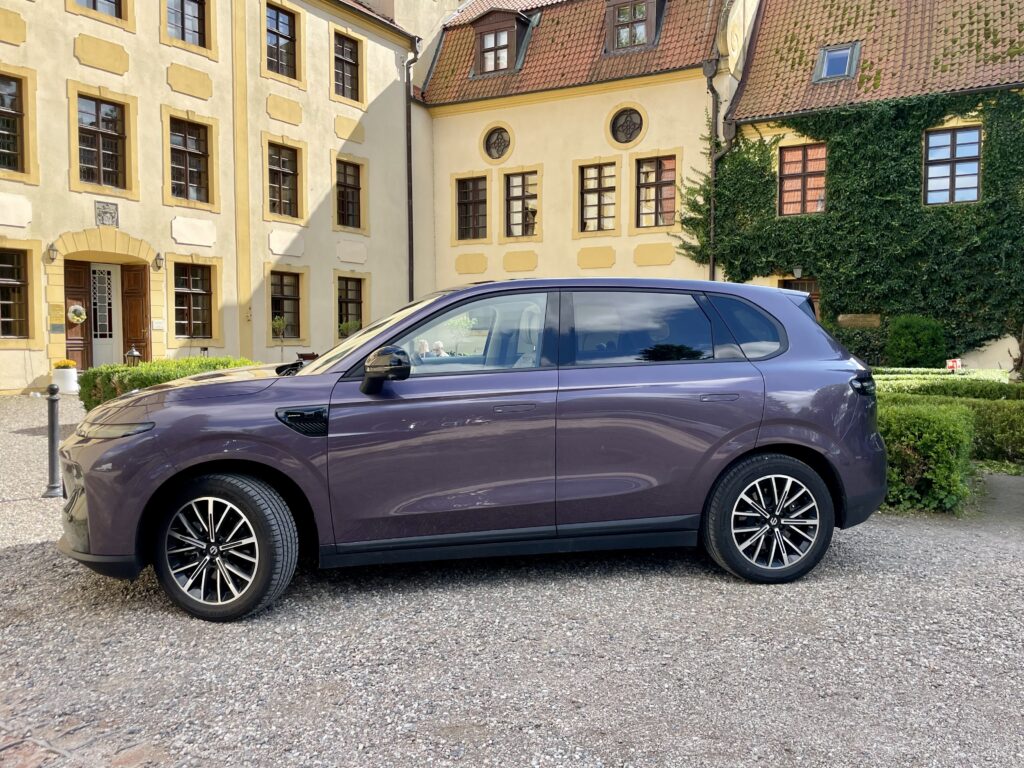
Admittedly, the car's silhouette is appealing. The compact, raised body fits the trend for crossovers that has prevailed for years. The exterior is free of the Asian styling that is often not well received in Europe. It must also be said that this five-seater, 4.385 m long, has been designed inside with great attention to detail, and its finish cannot be faulted, nor can the care taken in choosing the materials. The seat design deserves high praise. Indeed, the seats, dashboard, steering wheel and other elements are covered in processed leather. The car is equipped with a 360° camera system, electric heated seats (3 levels) and a panoramic roof. What is surprising is the lack of lumbar support adjustment, and the steering wheel adjusts in only one plane.
Powertrain, equipment and warranty

The car has 3 driving modes: Normal, Sport and Eco. Unfortunately, there is no separate control for the level of regeneration. Each mode has its own level of energy recovery assigned to it - in 'Sport' the car coasts, while in 'Eco' regeneration is noticeable but not strong.
The Seres 3 has a 53 kWh battery and a 162 hp motor. Its top speed is 155 kilometres per hour, and its homologated range is 329 kilometres.

Despite these figures, the car feels remarkably lazy, as if it did not want to waste even a single electron of energy unnecessarily. Even switching to 'Sport' mode does not help much. Despite repeated attempts, we also failed to activate the 'kickdown' function, which is extremely important when you need to shorten an overtaking manoeuvre.
The displays in front of the driver include an unusual gauge showing the current battery temperature. Perhaps the designers' idea was to give the driver this information so that the expected charging time can be adjusted depending on whether the battery is at its optimum temperature or will need cooling or warming, which will lengthen charging.

Although the car combines a touchscreen with traditional buttons in an optimal way, some functions are not intuitive to find. Even switching on the heating is not easy at first. The language menu is more than modest: you can choose English or Chinese.
On the Polish market the Seres is available in just one trim level (Luxury). All that is left to choose is the colour: white, black, blue or red.

The car comes with a 5-year or 150,000 km warranty, and the battery with an 8-year or 120,000 km warranty. In terms of warranty cover the Chinese car falls slightly short of its European competitors, where you can usually drive an extra 40,000 km during the warranty on the 'electrics'. A drop in battery capacity of up to 30% during the warranty period is considered the result of normal use; here the Chinese manufacturer's position is typical and no different from the terms for other e-cars.
Busnex has built a dealer network of 8 outlets, and its requirements for partners are not demanding, so the cars are usually found in multi-brand showrooms.

Test summary
The Chinese Seres has a very attractive silhouette, is superbly designed and well put together. No corners were cut on the quality of the materials either. The car handles well, and bumps are absorbed very efficiently. It seems that ironing out a few irritating shortcomings would allow the Seres to aspire to the premier league of zero-emission cars.