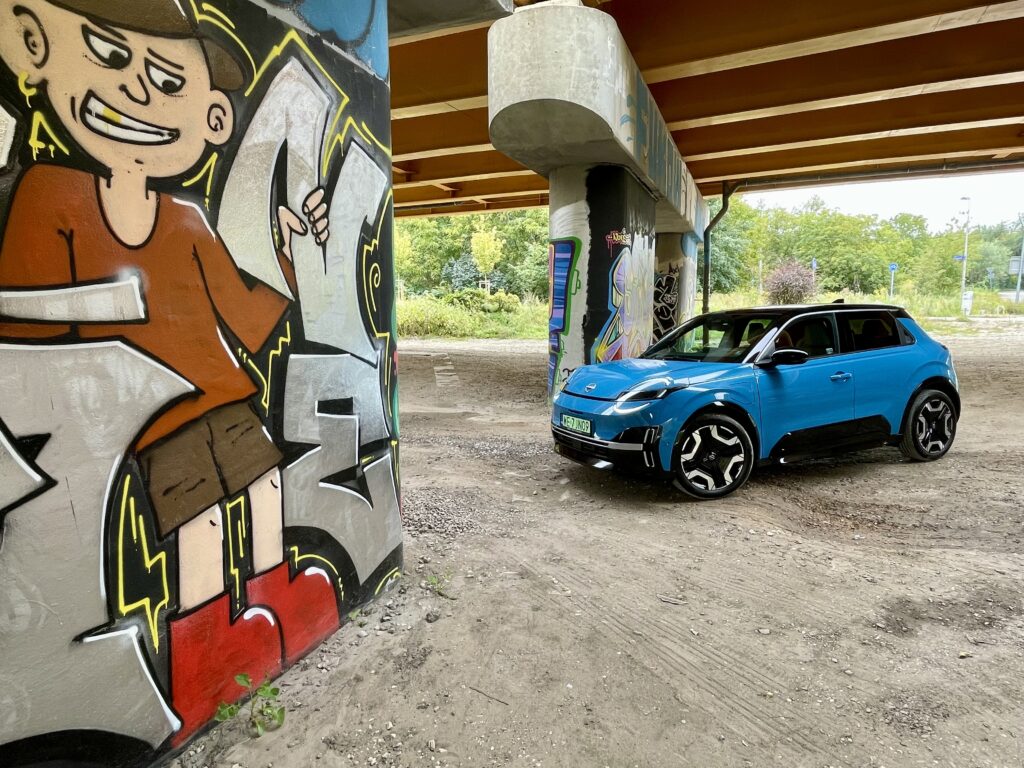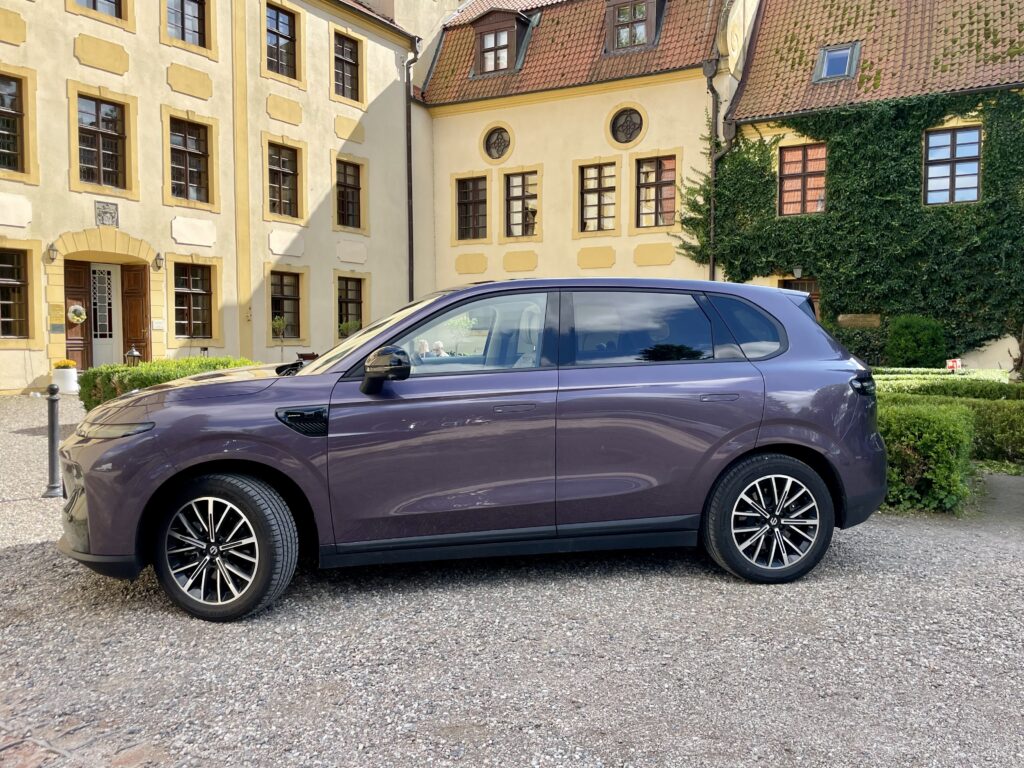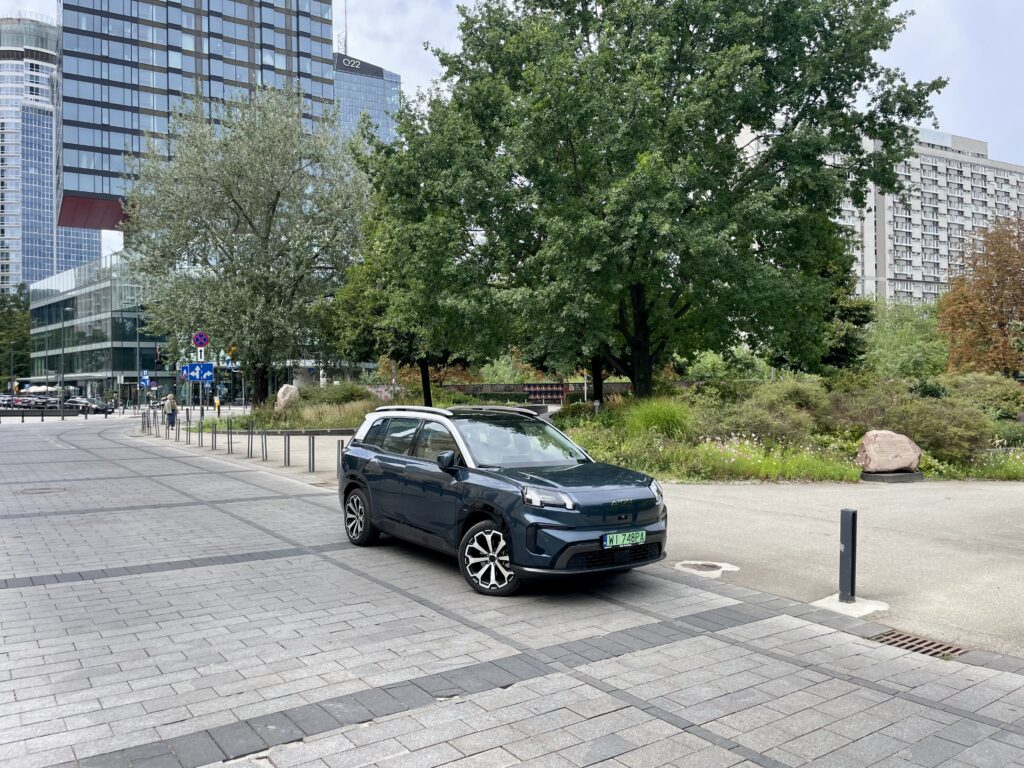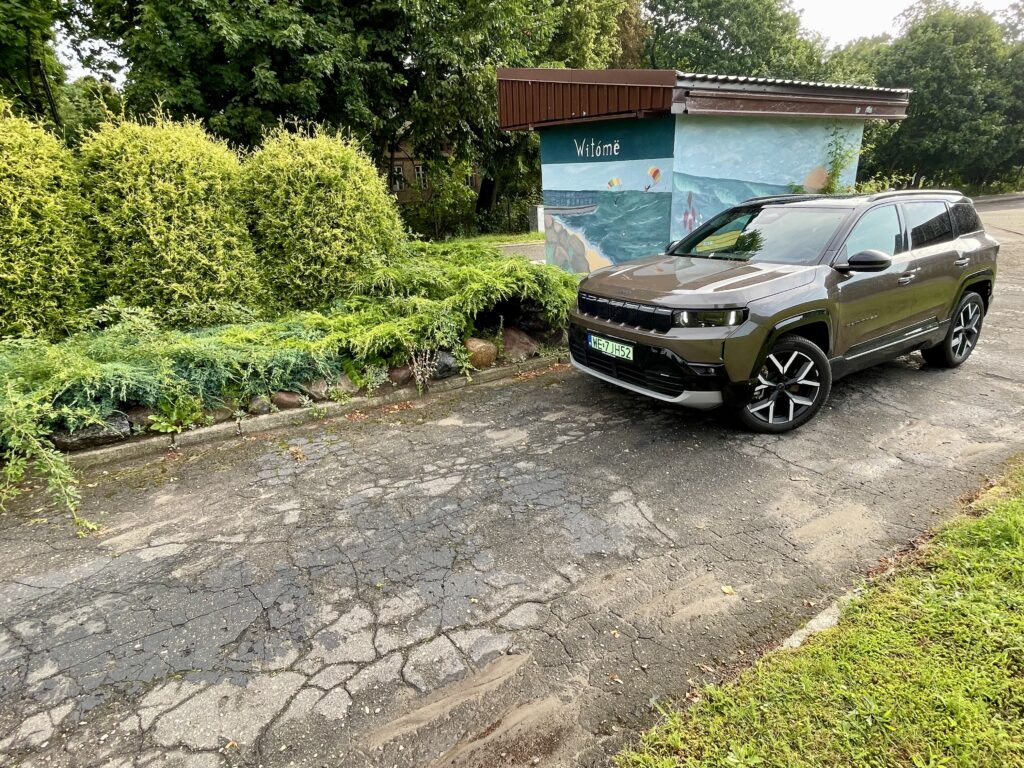







Toyota Prius Plug-in - much better looking and a little bit electric
Some time ago I had the chance to test the "ordinary" Toyota Prius, and I described my impressions here. It was with great interest that I got behind the wheel of the Plug-in version. This good-looking hybrid, whose battery can be charged from a socket, is formally treated as an electric car, which gives it certain legal privileges and ushers it into the land of the motoring future.

Poland's Act on Electromobility and Alternative Fuels distinguishes 4 groups of electric vehicles. First, there are fully electric BEVs, which draw the energy to move solely from electricity taken from the grid, plus energy recovered under braking and possibly a solar panel on the roof. The second group - a dying breed - are EREVs, electric cars with "range extenders". In addition to the electric motor, they have a small combustion engine that produces extra electricity when the battery is running low. The third group are hydrogen cars (FCEVs), in which electricity is produced by a chemical reaction of hydrogen combining with oxygen. Fuel cells are probably the future of electric drive. The last group - PHEVs - are combustion-engined cars combined with elements of an electric car. Why in this order? Hmm....on electricity such a car will cover a dozen or perhaps a few dozen kilometres, and the next few hundred kilometres are driven with exhaust fumes. Although Toyota suffers from not having a representative in the most important group, BEVs, it is one of the few to offer a production hydrogen car, the much-promoted Mirai. The Prius belongs to the fairly large group of PHEVs that combine two worlds: the one that is passing and the one ahead of us. Time will tell how far the PHEV label will boost interest thanks to support from the Low-Emission Transport Fund, restrictions in Clean Transport Zones and the requirement for local authorities to switch to cleaner vehicles.

50 km electric range and charging
Is the Toyota's 50 km range on the electric motor enough? For a week I drove mainly around town. And mainly on electricity. Statistically, 90% of city dwellers don't drive more than 60 km a day. If you use the accelerator judiciously, the combustion engine won't switch on and will seem superfluous. The 8.8 kWh battery charges fully in about 3.5 hours from an ordinary socket. As in a true electric car, you can set the interior temperature remotely. You can heat or cool the cabin while the car is plugged in. That way you don't lose precious range.

A plug-in hybrid can be an electric car for everyday use in town, but on longer journeys it turns into an economical hybrid "petrol car". Of course, as long as there is charge in the batteries, you can drive with zero emissions, even at 135 km/h.
Interior, body and LED headlights

The car is spacious and comfortable. The body is 4.6 metres long and 1.8 metres wide and very rigid. Toyota claims it is up to 60 per cent stiffer than its predecessor's. Unfortunately, the car has only 4 seats. With the extra weight of the dual drivetrain, it could not be certified for 5 people, as the maximum permitted gross weight would have been exceeded. Perhaps it is just as well that it only takes 4 people, because their luggage would not fit anyway, given the small boot (just over 300 litres). The load space is long but incredibly shallow.

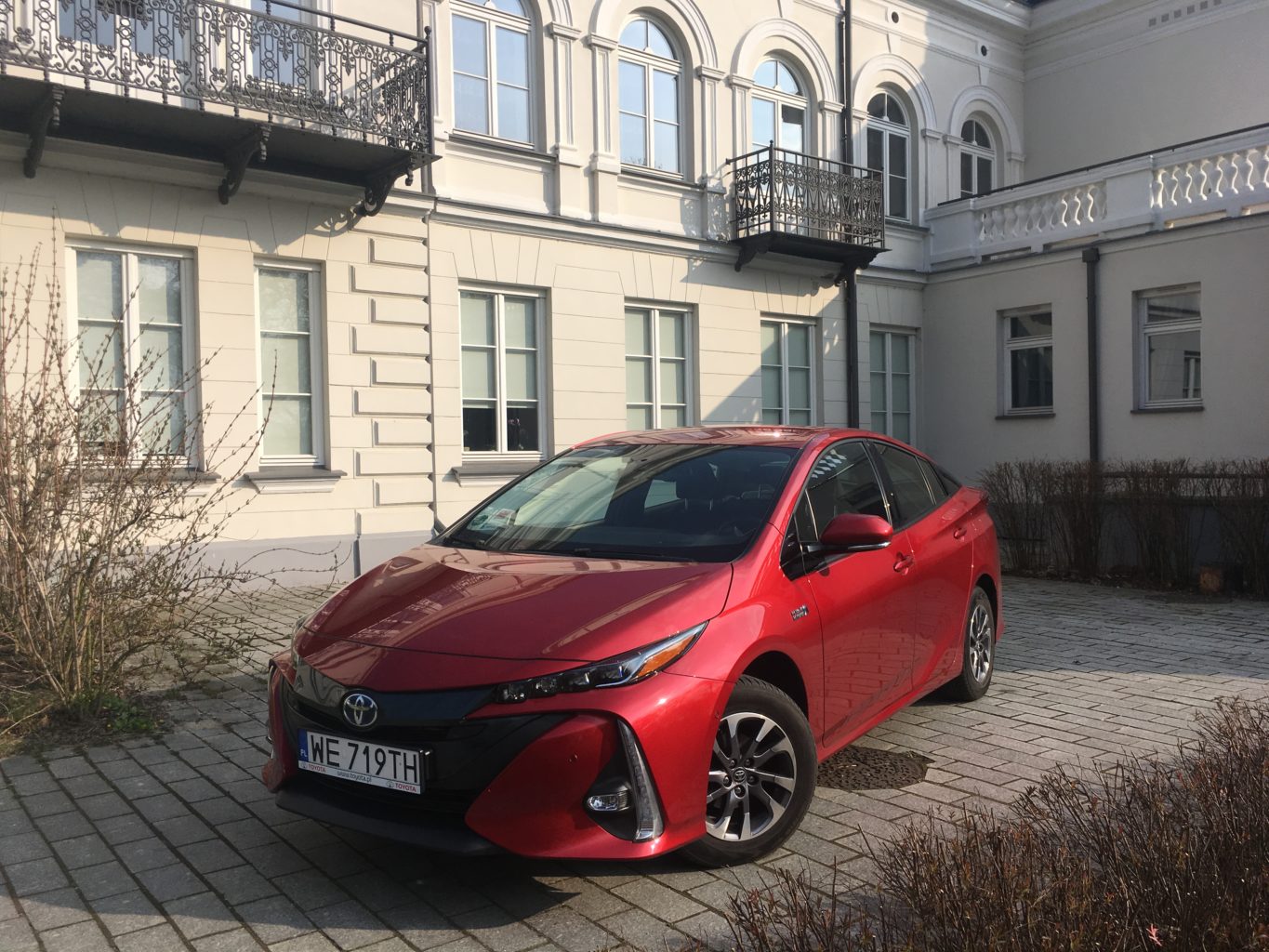
The body has definitely become better looking. It would be truly beautiful if the vertical styling elements had been dropped in favour of horizontal ones, which widen and slim the silhouette. The car has a distinctive crease line and a spoiler integrated into the tailgate. The car can also be ordered with solar panels on the roof. This is more of a stylistic demonstration of electromobility and technical sophistication, as the energy from the sun will increase the real-world range by only about 5 km. The matrix LED headlights are an eye-catching feature of the front end. You can't wait to use them, but there is a flaw in the way the adaptive high beams work: they react too slowly and irritate oncoming drivers. They often flash their high beams to make you change your lights.

Test summary
The Toyota Prius is a complete car in the plug-in hybrid class. If you accept that a maximum of 4 people can travel in it, then it is all pluses from there. The electric range, travel comfort, charging speed, the efficiency with which the two systems work together and even its looks will encourage you to turn towards this Japanese car.